



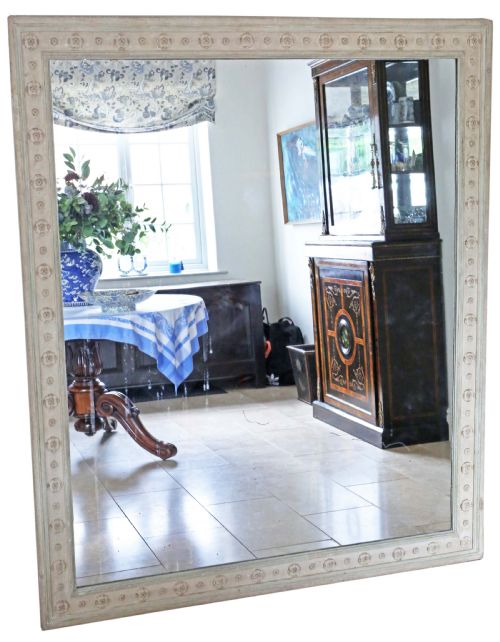


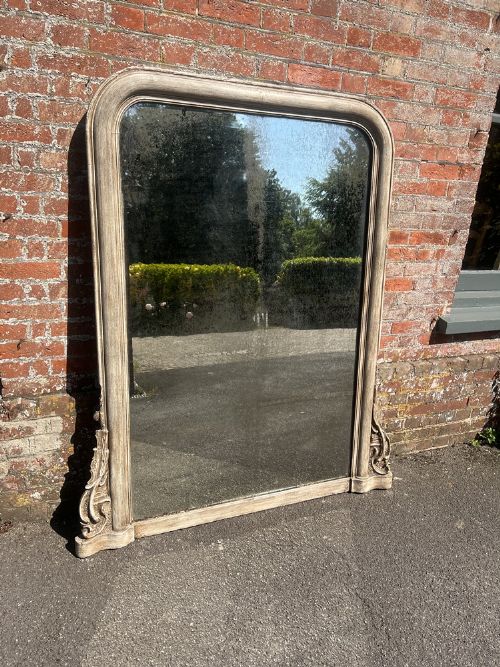

Distressed White Carved Mirror
A distressed white carved mirror brings aged elegance to an interior, offering ornate woodwork and weathered paint finishes that anchor a room.
Distressed White Carved Mirror
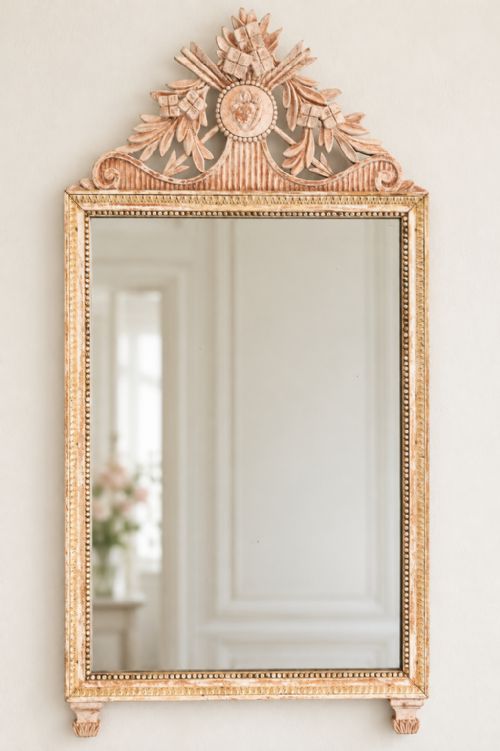
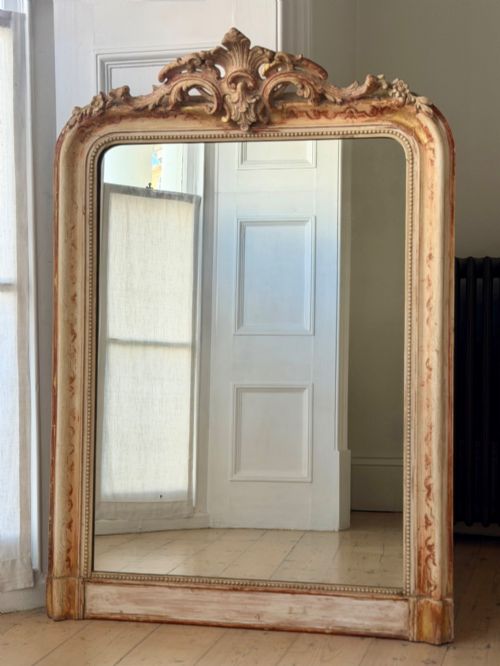
A distressed white carved mirror typically takes the form of a substantial wall hanging or an overmantel piece designed to sit above a fireplace. These items span the eighteenth, nineteenth, and early twentieth centuries, reflecting diverse European and British design traditions.
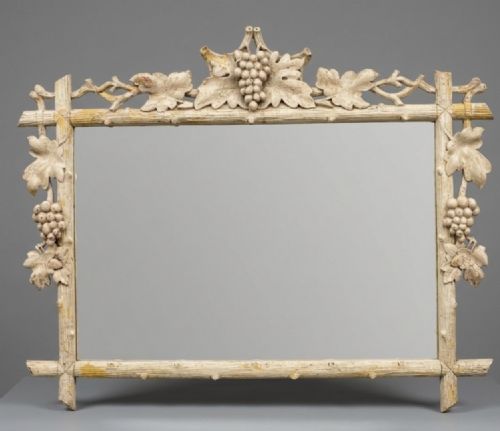
The aesthetic leans heavily towards French and Italian revival styles, notably Rococo and Victorian rustic variations. Buyers most frequently encounter nineteenth-century examples featuring shaped, arched, or plain frames finished in aged white paint.
What varies in quality in a distressed white carved mirror
The depth and crispness of the hand-carved woodwork distinguish superior examples from simpler production. Fine craftsmanship shows in the fluid symmetry of scrolls and the precise application of gesso ornament.
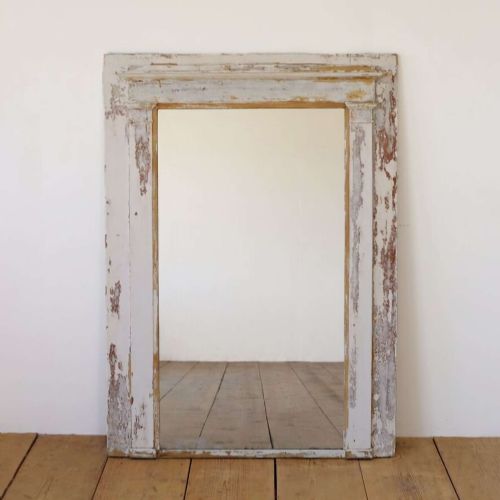
The integrity of the original glass plate and the authenticity of the aged painted surface dictate collector appeal. Surviving nineteenth-century plates with natural foxing hold greater merit than modern replacements.
Distressed White Carved Mirror Retail Price Guide 2026
Typical asking prices for distressed white carved mirror among the pieces listed under this phrase on Sellingantiques today, from the lower quarter to the upper quarter. They describe what is for sale here now, not the wider market.
Framing materials recorded across the collection include carved wood, applied gesso, paint, and gold leaf surrounding original glass plates.
The Distressed White Carved Mirror Glossary
- Gesso
- A plaster mixture applied to carved wooden frames to create a smooth surface for painting and gilding. This material allows for sharp decorative moulding.
- Overmantel mirror
- A large horizontal mirror designed specifically to be hung on the wall directly above a mantelpiece. These frames often feature shaped or arched tops.
- Rococo revival
- A nineteenth-century design movement mimicking the ornate, asymmetrical scrollwork of the eighteenth-century French style. It relies heavily on natural motifs like shells and foliage.
- Marginal mirror
- A mirror style featuring a central glass plate surrounded by smaller, individual bevelled mirror sections within the frame. This creates a complex faceted reflection.
- Foxing
- The age-related spots and discoloration that develop within the silvering of antique mirror glass. Collectors value genuine foxing as an indicator of age.
Distressed White Carved Mirror: Frequently Asked Questions
How do I hang a heavy overmantel mirror?
Secure hanging requires locating wall studs and using heavy-duty brackets rated for the weight of solid wood and glass. Professional installation is strongly recommended for large antique frames.
Ensure the weight distributes evenly across multiple fixings to protect both the plaster and the antique timber frame from undue stress.
Are these mirrors original antique pieces?
The inventory comprises authentic period pieces dating primarily from the nineteenth century alongside eighteenth-century Italian and later revival works. Each item carries historical construction methods and materials.
Examining the backboards, fixings, and gesso application helps confirm the age and origin of individual wall and overmantel mirrors.
How should I clean a distressed painted frame?
Dust the carved wooden elements gently with a soft, dry brush to preserve the delicate aged paint and gesso layers. Avoid commercial chemical cleaners that might strip the historic finish.
Use a standard glass cleaner applied to a cloth rather than the mirror itself to prevent moisture seeping behind the antique glass plate.
What rooms suit an overmantel mirror?
While traditionally placed above living room fireplaces, these large statement pieces work equally well mounted low in hallways or dining spaces. Their reflective surfaces amplify natural light in smaller rooms.
Scale is the primary consideration, ensuring the width of the frame complements the furniture or mantelpiece placed beneath it.