





Cream Pottery Urn
A cream pottery urn brings subtle warmth and historic presence to a room, offering classical form through earthenware vessels spanning the nineteenth and early twentieth centuries.
Cream Pottery Urn
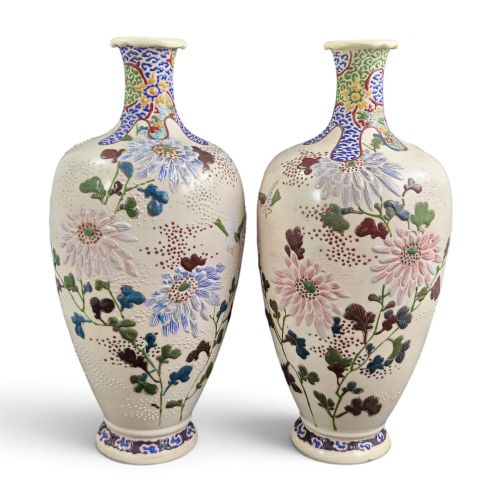
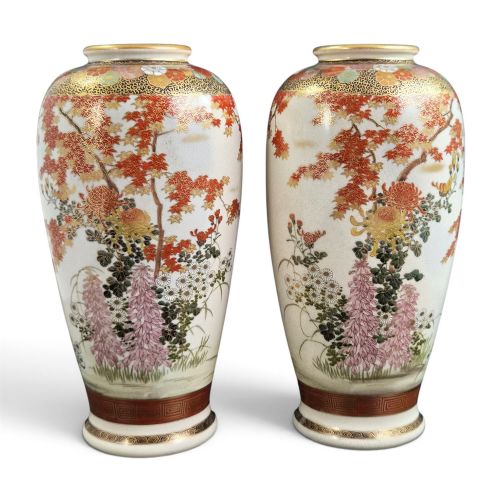
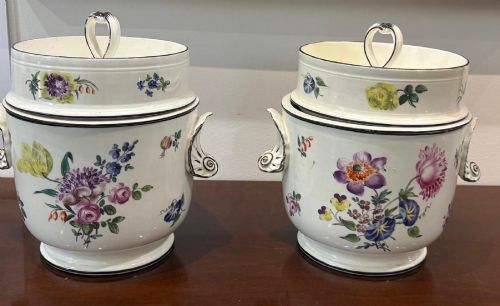
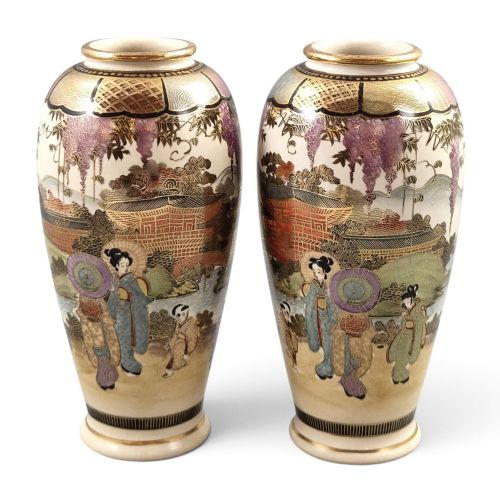
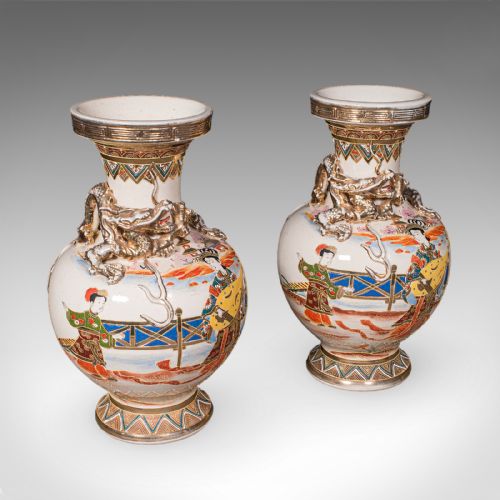
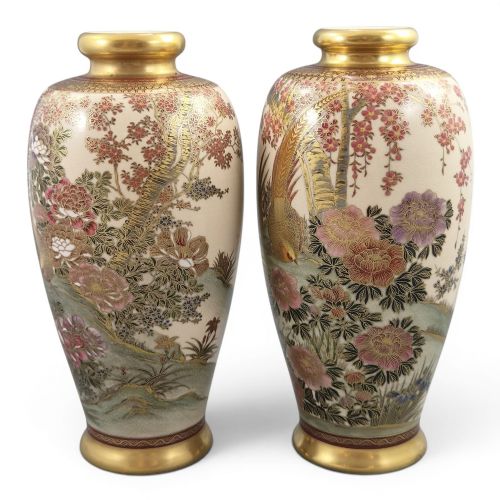
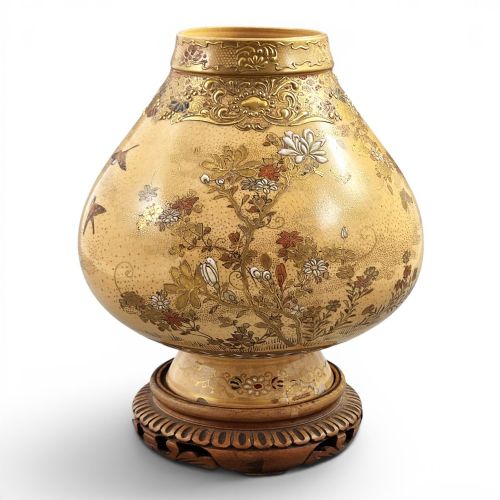
A cream pottery urn serves as a decorative focal point, often taking the form of a classical vase, lidded jar, or ice pail. These items originate from diverse traditions, blending European earthenware and ceramic creations with Japanese Satsuma works from the Meiji and Edwardian periods.
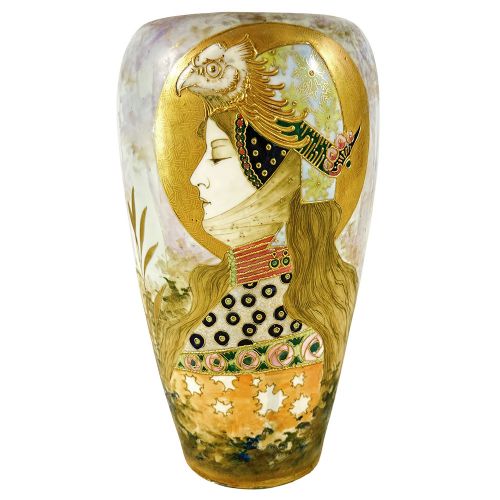
Buyers will encounter various vessel types on this page, ranging from monumental Kyoto Satsuma vases to miniature pieces and table lamps. The selection spans the nineteenth century through the 1930s, encompassing styles like Art Nouveau, Aesthetic Movement, and Art Deco alongside traditional Asian motifs.
How they were made
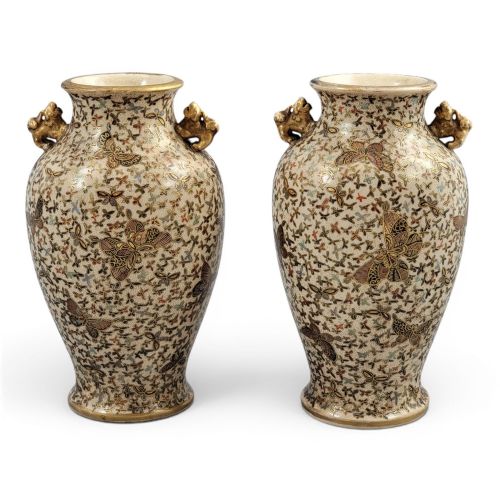
Potters shaped these vessels primarily from earthenware and ceramic bodies, sometimes employing specialised glaze and enamel coatings for colour. Artisans utilised gold leaf and intricate gilding to accentuate painted figural scenes, botanical motifs, and landscape details.
Techniques varied from delicate hand-painted decoration on Japanese Satsuma ware to moulded biscuit porcelain and creamware production in Europe. Workshops relied on skilled brushwork and controlled kiln firing to achieve the characteristic finish of each period.
Some vessels feature unexpected creatures like elephants or thousands of tiny butterflies painted across their ceramic surfaces.
What varies in quality
Quality rests in the precision of the hand-painted detailing and the crispness of the modelled form, whether in a Japanese Satsuma landscape or a European ceramic vessel. Superior examples display refined brushwork, balanced composition, and well-preserved gilding.
The reputation of the workshop or artist also influences distinction, with signed pieces from known centres carrying notable artistic merit. Material finish, structural integrity, and the complexity of decorative elements further divide standard items from exceptional ones.
Maruni Kobe·Shozan·Manpei·Kinkōzan·Reissner Stellmacher and Kessel·Robert T Lallement·Chosei·Seiko-en Chokei·Hakusan·Tagawa·Hododa·Tashiro·P Ipsens Enke·Tunnicliffe·Ernst Wahliss·Doulton Lambeth·Hattori·Hayakawa
The Cream Pottery Urn Glossary
- Earthenware
- Porous pottery fired at relatively low temperatures and typically glazed to ensure it holds liquid. This material forms the structural body for many traditional urns and vases.
- Satsuma
- Japanese pottery originating from Satsuma Province, traditionally characterised by a crackle-glaze earthenware body decorated with polychrome enamels and gold. These pieces often depict figures, landscapes, or flora.
- Gilding
- The application of gold leaf or gold powder onto the surface of a ceramic or metal object. This technique highlights decorative borders and figural scenes.
- Bisque
- Unglazed white porcelain fired once to a matte, porous state. It offers a smooth texture resembling marble.
- Baluster
- A vertical architectural form with a swelled base that tapers toward the top, frequently seen in the silhouette of traditional vases and urns.
Cream Pottery Urn: Frequently Asked Questions
How were ceramic urns used historically?
These vessels functioned primarily as decorative ornaments within domestic interiors, displayed on mantelpieces, tables, or within cabinets. Some specialised forms served practical domestic purposes, such as ice pails or water filters.
Over time, their role shifted toward pure display, capturing the aesthetic tastes of the Victorian, Edwardian, and Art Deco eras through elaborate hand-painted scenes.
How do I care for antique earthenware urns?
Keep these delicate ceramic and earthenware pieces away from direct sunlight to preserve the stability of surface enamels and gold leaf. Dust them gently with a dry, soft cloth rather than using liquid cleaners.
Avoid placing them in areas subject to rapid temperature changes or high humidity to protect the underlying clay body and historic glaze.
How can I distinguish Meiji period Satsuma pieces?
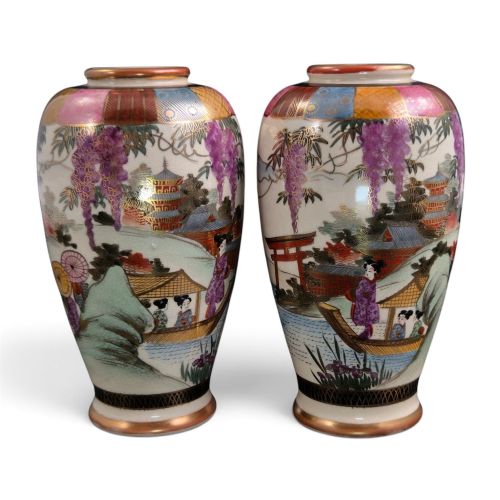
Meiji period Satsuma items typically feature a fine, ivory-coloured crackle glaze combined with intricate polychrome enamel painting and gold highlights. Many pieces bear artist signatures or workshop marks on the base.
Subject matter often includes traditional Japanese landscapes, floral arrangements such as wisteria, or processions of figures executed with high precision.
What defines Edwardian ceramic styles?
Edwardian ceramics often blend traditional classical revival forms with late nineteenth-century decorative movements like Art Nouveau. They frequently utilise softer colour palettes and balanced floral or landscape motifs.
Craftsmanship during this era maintained a focus on hand-painted details while incorporating refined glazing techniques developed in European and Japanese kilns.