


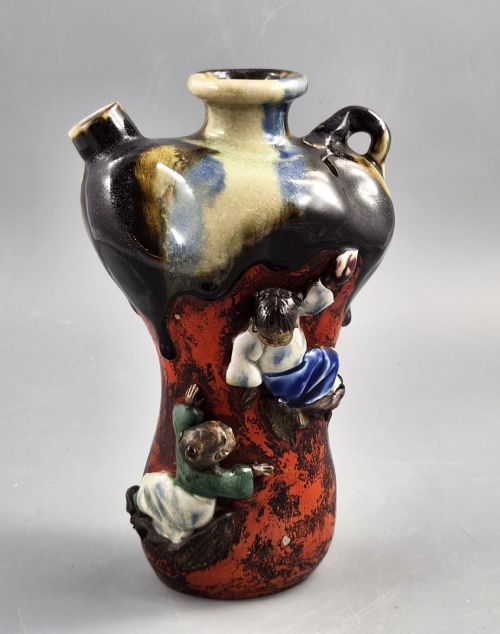


Terracotta Relief Vase
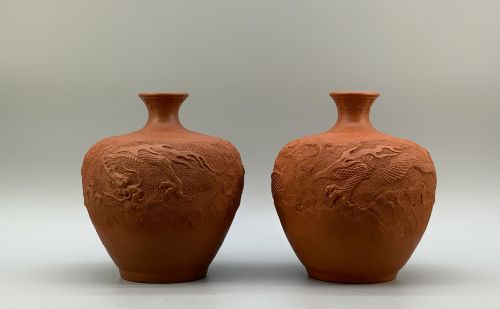
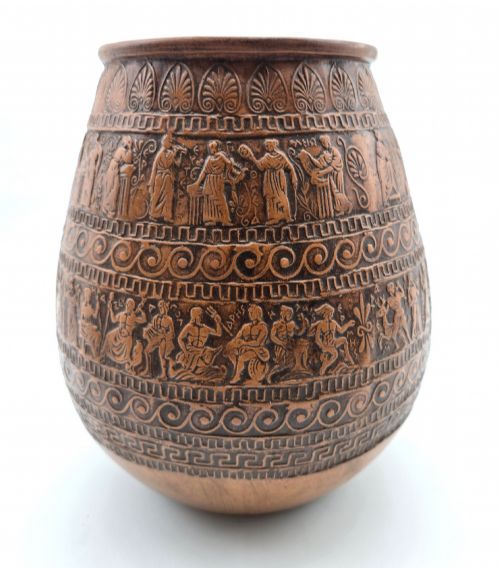
These terracotta relief vase pieces bring moulded classical and East Asian figures into your home, offering tactile surfaces and rich historical character.
Terracotta Relief Vase
A terracotta relief vase combines unglazed or glazed red clay bodies with raised figural or ornamental modelling, capturing centuries of sculptural and ceramic traditions. When you search for a terracotta relief vase, you encounter works spanning the nineteenth and early twentieth centuries, drawing heavily on Victorian, Neoclassical, and Japanese aesthetics.
Originating from diverse workshops across Europe and Japan, these vessels range from classical revival pieces to highly individualistic studio pottery. Each item displays distinct regional interpretations of relief moulding, utilising the inherent warmth of red clay and earthenware.
How they were made
Potters shaped these vessels using red clay, terracotta, and earthenware, often building up the walls through throwing or moulding before applying distinct surface decoration. The tactile relief elements, such as figures and animals, were individually modelled and pressed onto the wet or leather-hard body before firing.
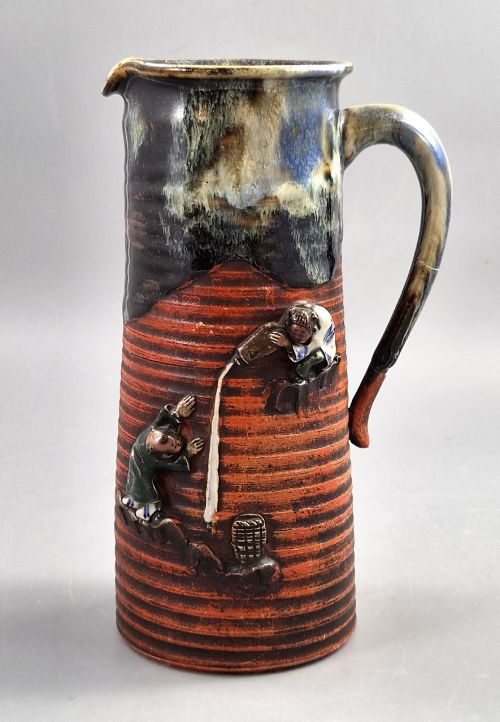
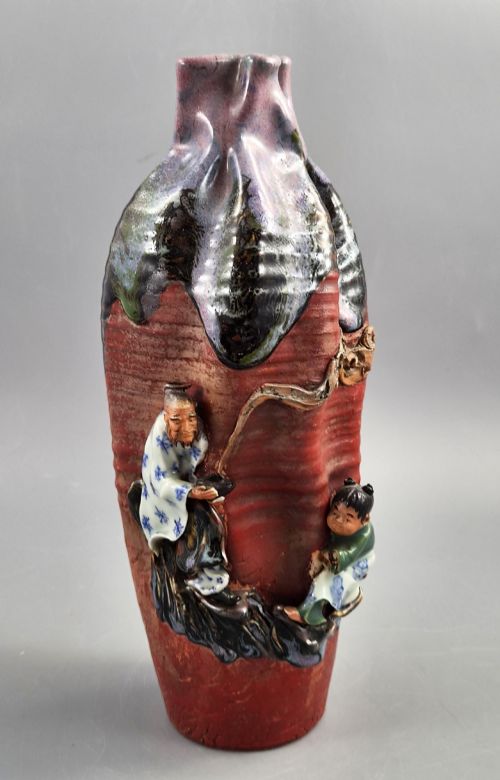
Glazes played a defining role, varying from smooth ceramic glazes and oxblood finishes to vibrant lavender flambé effects. Some European pieces utilised bisque surfaces and painted details, whereas Japanese workshops favoured dripping glazes and partially unglazed terracotta panels.
Terracotta Relief Vase Retail Price Guide 2026
Typical asking prices for terracotta relief vase among the pieces listed under this phrase on Sellingantiques today, from the lower quarter to the upper quarter. They describe what is for sale here now, not the wider market.
The selection includes pieces created across five decades from 1870 to 1920, moving from European classical revival to Japanese earthenware.
What varies in quality
Quality rests in the crispness of the modelling and the integration of the applied relief work with the main vessel body. Superior examples demonstrate confident hand-modelling in figures and clean definition in the surrounding clay or glaze.
The harmony of the glaze application separates standard production from finer output, particularly where runny flambé or oxblood finishes pool across the terracotta. Furthermore, signed works by established makers or distinct studio traditions command greater artistic interest.
P. Ipsens Enke·Bernhard Bloch·Inoue Ryosai
The Terracotta Relief Vase Glossary
- Terracotta
- A porous, fired red earthenware clay used for sculptural and utilitarian ceramics. It provides a warm, matte foundation for applied relief decoration.
- Bisque
- Unglazed ceramic fired once before any subsequent decoration or glazing. This finish appears frequently on classical revival figures.
- Flambé
- A streaky, variegated ceramic glaze achieved through reduction firing in a kiln. It produces unpredictable colour transitions, particularly in blues and purples.
- Baluster
- A vertical architectural form featuring a rounded body that tapers toward a narrow neck. This shape supports many of the relief scenes found on these vessels.
- Chinoiserie
- A European artistic style reflecting Chinese motifs and decorative tropes. It appears on Victorian earthenware produced during the nineteenth century.
Terracotta Relief Vase: Frequently Asked Questions
What is a terracotta relief vase?
A terracotta relief vase is a ceramic vessel made from red clay featuring raised ornamental or figural modelling upon its surface. These pieces range from nineteenth-century European classical revival works to Japanese Sumida Gawa pottery.
They combine traditional throwing techniques with applied sculptural elements, creating textured surfaces that catch the light and showcase detailed craftsmanship.
How do I care for terracotta pottery?
Caring for these vessels requires keeping them in stable indoor environments away from excessive moisture and direct sunlight. Because terracotta and earthenware can be porous, dusting them gently with a soft dry cloth is the safest maintenance method.
Avoid using water or chemical cleaners, particularly on unglazed sections or pieces with delicate applied figures, to protect the original finish and material integrity.
How do I identify a Victorian piece?
Victorian pieces often display revivalist styles like Neoclassical or Chinoiserie aesthetics, utilising earthenware and painted or glazed surfaces. They frequently draw inspiration from archaeological discoveries of the period.
Examining the weight of the clay, the style of the relief moulding, and any associated maker marks helps connect an object to nineteenth-century European production.