
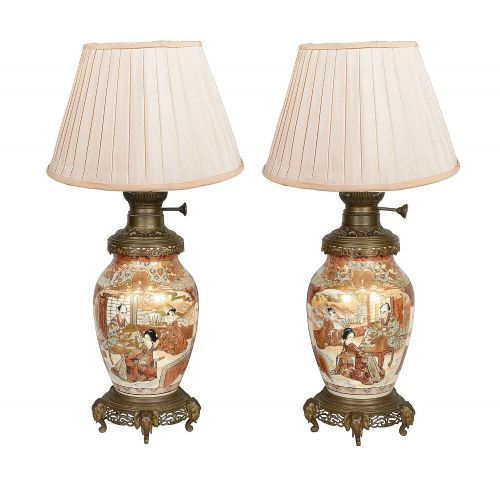

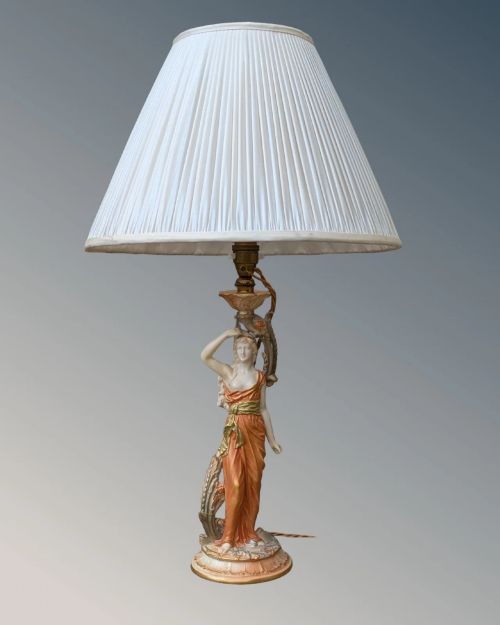

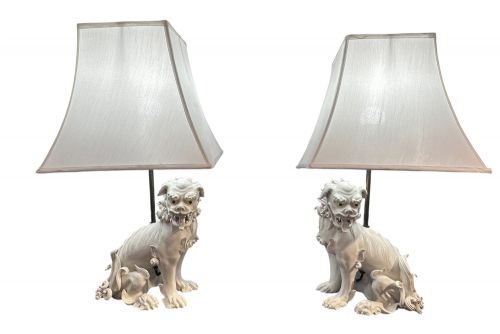


Cream Porcelain Lamp
These cream porcelain lamp designs bring global heritage vessels into domestic interiors, offering warm illumination paired with centuries of ceramic artistry.
Cream Porcelain Lamp
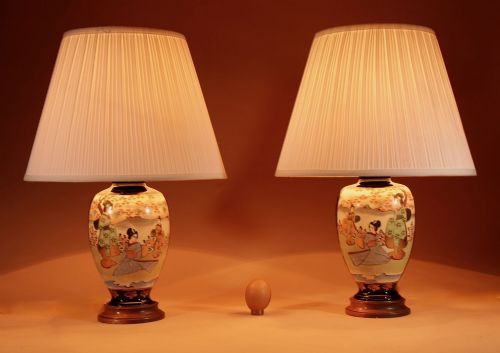
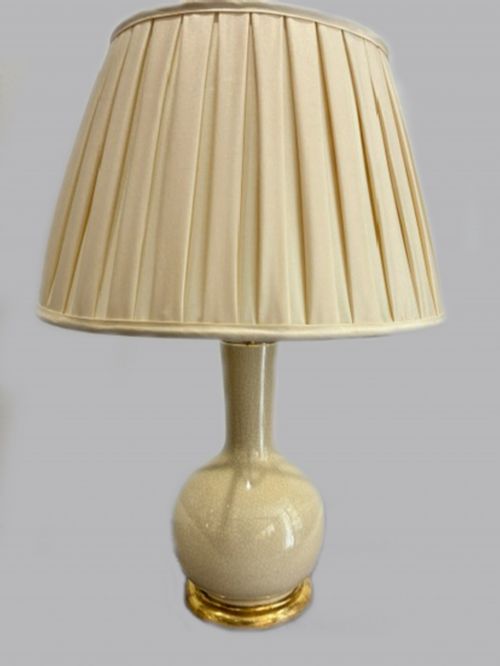
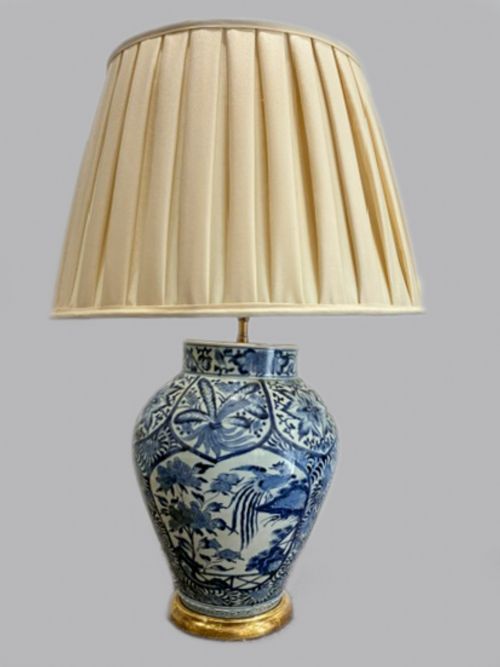
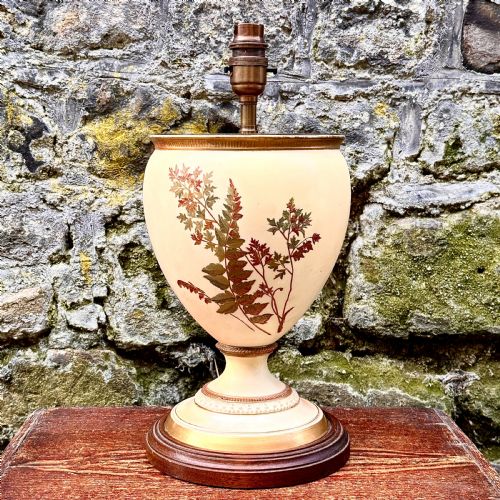
A cream porcelain lamp repurposes historic ceramic vessels, including 17th-century Japanese vases and 19th-century French and Chinese porcelain, into functional table lighting. Buyers seek these pieces to anchor a room with antique craftsmanship and neutral ceramic tones.
Most examples hail from the 19th century and early 20th century, often paired with brass or ormolu mounts, fabric shades, and silk elements. These items bridge traditional Asian and European aesthetics for modern interiors.
Materials and methods
Potters shaped these bodies from ceramic and porcelain, applying crackleware glazes, blue and white pigments, or enamel before firing. Many historic vases were later drilled and fitted for electrical wiring.
Metalworkers added brass and ormolu mounts to secure the porcelain bases and support electrical components. Fabric and silk elements completed the lamps, often paired with customized shades.
Evaluating craftsmanship
The sophistication of the original ceramic body defines the upper tier of these lamps, visible in the precision of Satsuma hand-painting, Meissen piercing, or Chinese crackleware glazes. Earlier vessels from the 17th and 18th centuries carry distinct historical weight compared to later adaptations.
Integration of mounts separates exceptional conversions from simpler assemblies, particularly where ormolu or brass fittings complement the contours of the porcelain without damaging the antique material.
Royal Worcester·Ernst Bohne Sohn·Fukagawa
The Cream Porcelain Lamp Glossary
- Ormolu
- Gilded bronze mounts applied to furniture and ceramics. This decorative technique frames porcelain bodies with polished metallic detail.
- Satsuma
- Japanese earthenware or porcelain decorated with intricate enamel and gilt patterns. These wares frequently originate from the Meiji period.
- Cracklware
- Pottery featuring a network of fine cracks intentionally created in the glaze. This texture appears across various Asian and European ceramic traditions.
- Famille verte
- A Chinese ceramic palette dominated by green enamel overglaze painting. The style gained prominence during the Qing dynasty.
Cream Porcelain Lamp: Frequently Asked Questions
How do I clean a porcelain lamp base?
Dust the ceramic surface gently with a dry, soft cloth to prevent accumulation of grit. Avoid harsh chemical cleaners that might damage antique glazes or enamel work.
Keep moisture away from the electrical fittings and any metal mounts during the cleaning process. Professional care is advisable for delicate or gilt areas.
Are these antique lamps converted from vases?
Many examples began life as decorative vessels before conversion into functional table lamps. This practice preserves historic ceramics by giving them a new domestic purpose.
Conversion methods vary, though professional pieces integrate wiring safely through existing openings or secure mounts.
What periods do these lamps represent?
The selection spans multiple eras, ranging from late 17th-century Japanese vases to 19th-century French Paris ware and Edwardian English pieces. Each era brings distinct decorative motifs and manufacturing techniques.
Victorian and early 20th-century adaptations appear frequently alongside older East Asian export ceramics.
How do I match a shade to the lamp?
Select fabric or silk shades that complement the neutral cream tones of the porcelain body. Proportions should balance the height of the ceramic base without overwhelming its form.
Consider the period style of the lamp when choosing shade shapes and textures for a cohesive display.