
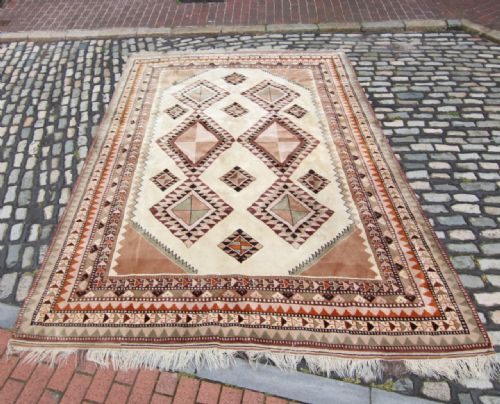
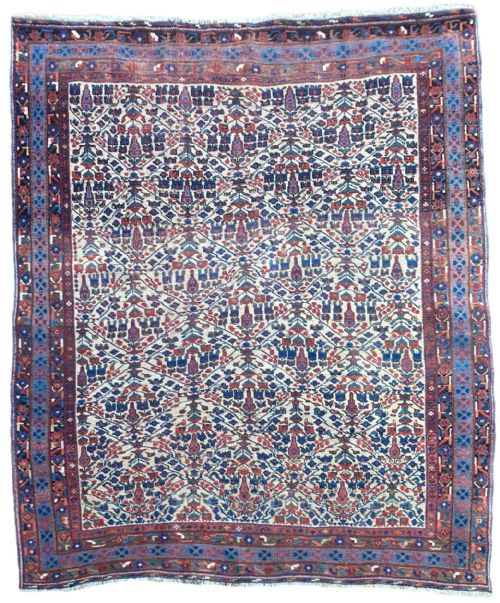


Cream Patterned Wool Rug
A cream patterned wool rug brings texture and history to a room through traditional regional weaving traditions.
Cream Patterned Wool Rug
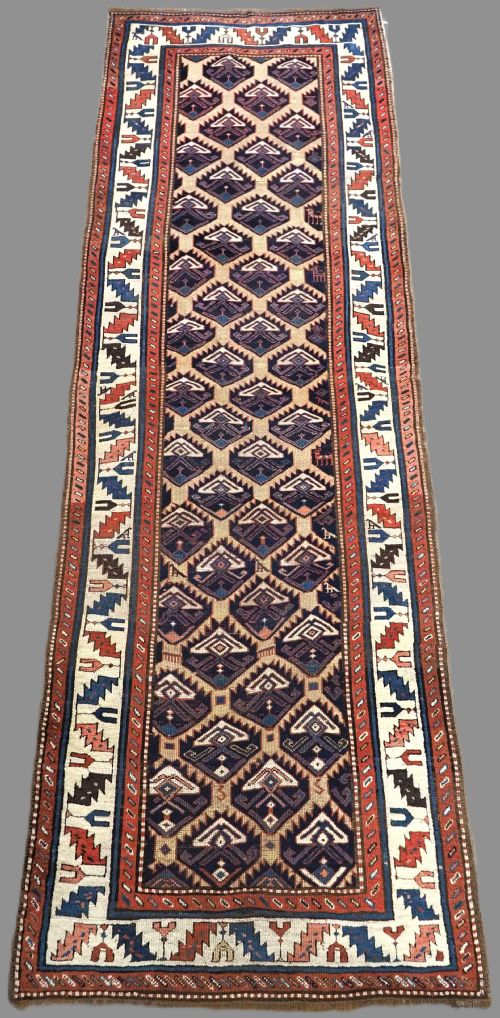
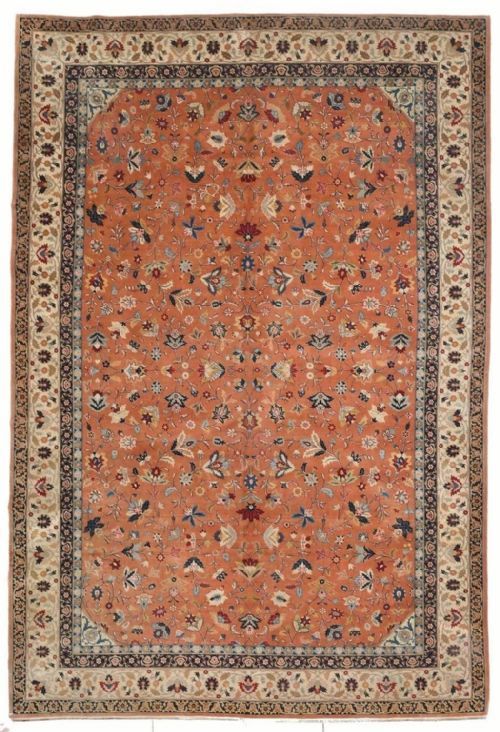
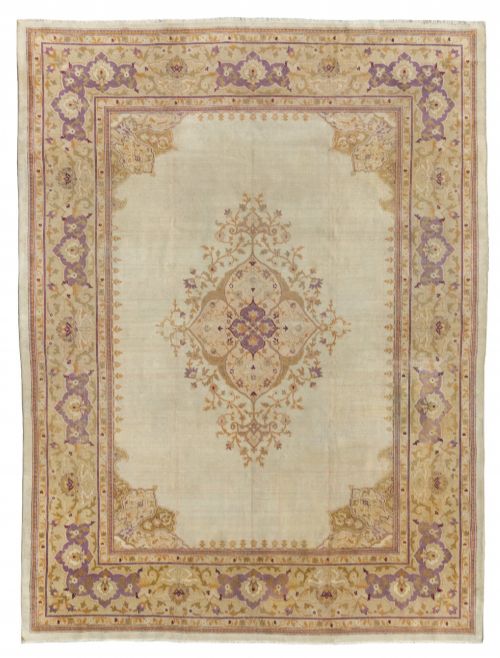
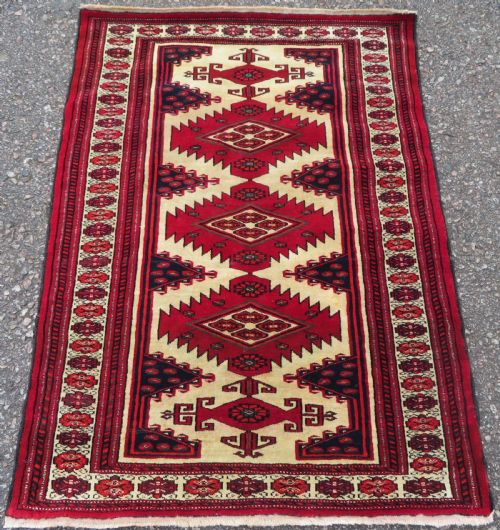
When searching for a cream patterned wool rug, you encounter floor coverings woven across Persian, Caucasian, Balkan, and Central Asian regions during the nineteenth and early twentieth centuries. These pieces encompass large carpets, area rugs, hallway runners, and flatweave kilims produced by village and nomadic weavers.
The selection ranges from detailed floral Persian room carpets to geometric tribal runners and flatweaves. Each piece reflects the specific stylistic vocabulary of its origin, spanning workshop traditions in Tabriz or Kirman and rustic village work from regions like Malayer or Hamadan.
Materials and Construction
The primary material found across these examples is wool, supplemented occasionally by cotton foundations and silk details. Weavers constructed pile rugs using hand-knotted techniques on vertical looms, while flatweave kilims rely on interlocking weft threads to create pattern without a raised pile.
Natural dye stuffs combined with hand spinning produced the foundation colours and distinct patterned fields recorded in the inventory. The density of knots and the preparation of wool fibres dictate the structural integrity of each runner or carpet.
Many old village weavers worked from memory, occasionally introducing charming spatial quirks into their geometric lattices.
Assessing Quality and Execution
Quality separates through the precision of the knotting, the handling of the wool, and the clarity of the design motifs. Finer examples display meticulous execution in complex lattice, floral, or geometric layouts.
The depth and permanence of the dyes, alongside the original proportions of the format whether runner, square carpet, or long kelleh, determine the standing of an individual textile within its weaving tradition.
The Cream Patterned Wool Rug Glossary
- Kilim
- A flatweave textile made without a pile, produced across Balkan, Turkish, and Central Asian regions. These pieces use interlocking weft techniques to form sharp geometric patterns.
- Runner
- A long, narrow carpet format designed specifically for hallways and corridors. They often display repeating central medallions or continuous lattice designs.
- Kelleh
- A large, elongated Persian carpet format traditionally proportioned for specific room dimensions. These pieces require substantial skill to maintain structural balance over extended lengths.
- Pile
- The raised surface of a rug formed by the ends of knots tied to the warp threads. The length and density of this layer affect both tactile feel and durability.
Cream Patterned Wool Rug: Frequently Asked Questions
How do I clean an antique wool rug?
Maintenance requires gentle vacuuming without a rotating brush bar to protect the wool fibres and hand-knotted pile.
Professional specialist cleaning is recommended for deep washing to preserve the natural dyes and structural integrity.
Where were these patterned rugs made?
The pieces originate from traditional weaving centres across Persia, the Caucasus, Turkey, and Central Asia.
Production took place in urban workshops, rural villages, and nomadic tribal camps.
How do I choose the right size rug?
Measure your floor space carefully to ensure the piece fits comfortably within the room's proportions and furniture layout.
Runners suit corridors and narrow passages, while larger square or rectangular formats anchor sitting rooms and dining areas.