



Cream Paper Wall Prints
Cream paper wall prints gather centuries of engraved, lithographic and illustrated works on traditional supports to display history, nature and art in domestic spaces.
Cream Paper Wall Prints
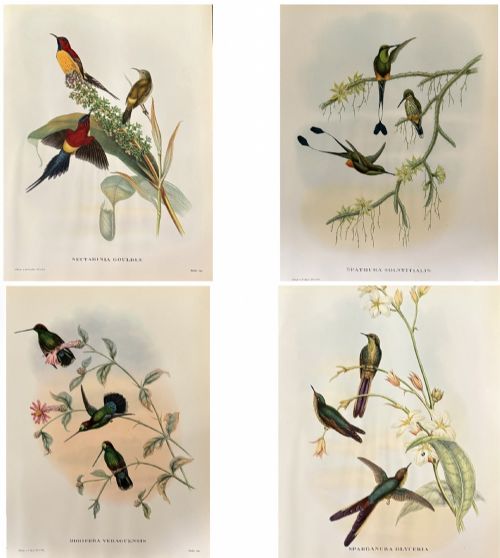
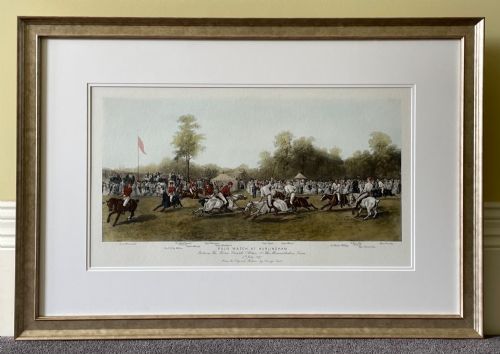
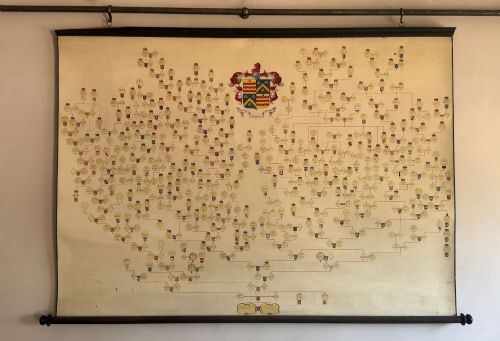
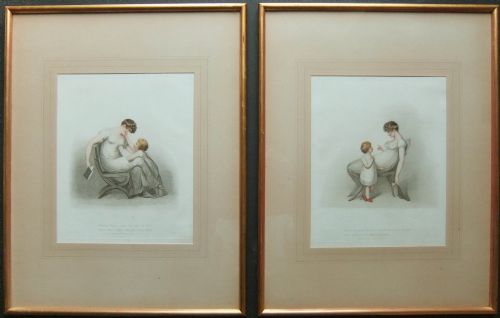
Cream paper wall prints encompass framed artworks, engravings, maps and illustrative plates spanning from the seventeenth century through to the mid twentieth century. Buyers seeking cream paper wall prints will discover botanical studies, architectural charts, sporting scenes and historical cartography executed on aged or naturally toned paper.
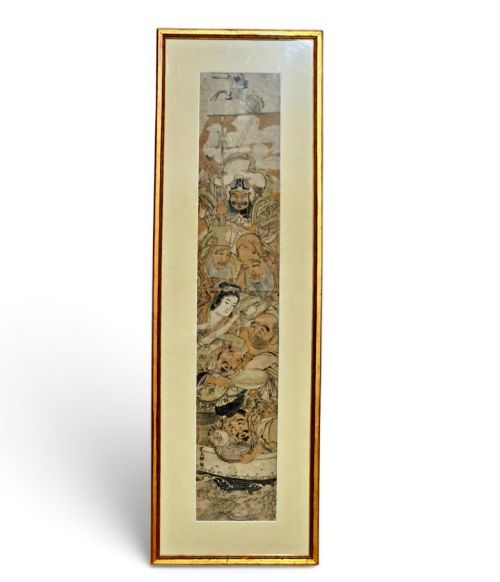
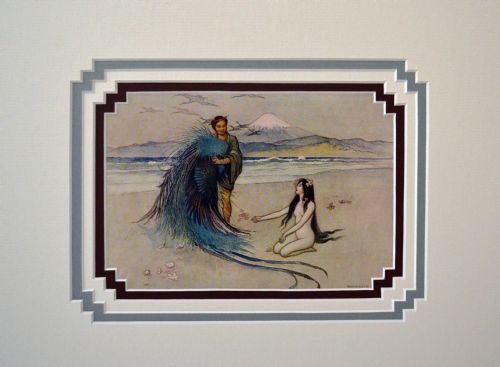
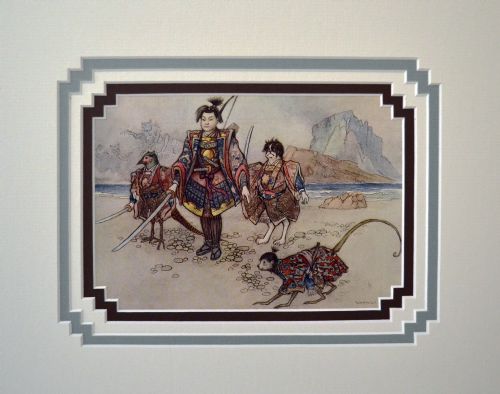
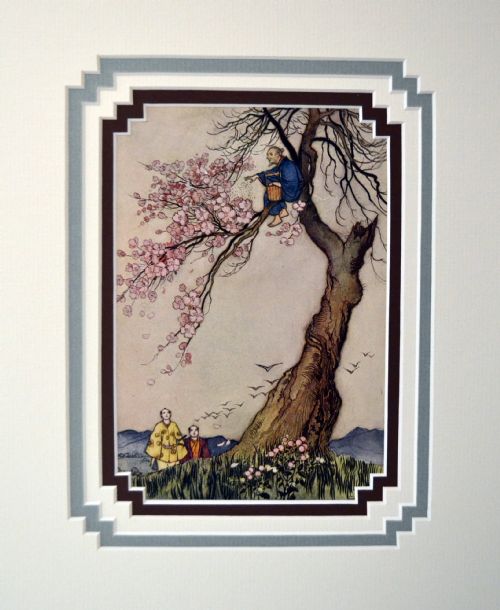
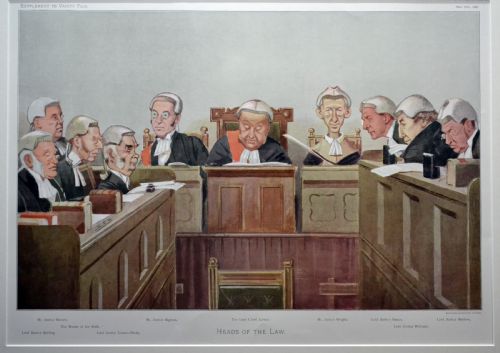
The selection ranges from individual folio plates to matched sets of tropical birds, Japanese woodblocks and satirical caricatures. Works originate from diverse movements such as Neoclassical, Victorian, Edo Period Ukiyo-e and Art Deco, providing varied visual anchors for interiors.
How they were made
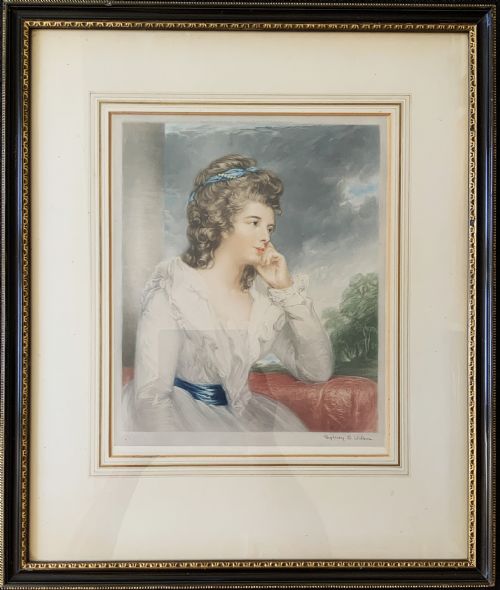
Makers utilised traditional printing techniques including copperplate engraving, lithography, woodblock printing and aquatint on paper or cardboard supports. Many plates received hand colouring with watercolour or accents of gold leaf to heighten the visual detail of the imagery.
Protective framing often incorporates wood, glass and linen mats to preserve the fragile paper bases. The combination of durable ink formulations and organic paper stocks accounts for the enduring tone found across these historical works.
Listings feature items from the eighteenth century, nineteenth century, and twentieth century, incorporating wood, glass, and linen materials.
What varies in quality
Quality differentiates through the crispness of the impression, the registration of colour layers and the preservation of the paper substrate. Fine works retain sharp lines and distinct plate marks without excessive fading or structural deterioration.
Completeness within sets and the clarity of contemporary framing also influence the standing of a piece. Original hand colouring executed with skill commands greater regard than later or heavy-handed enhancements.
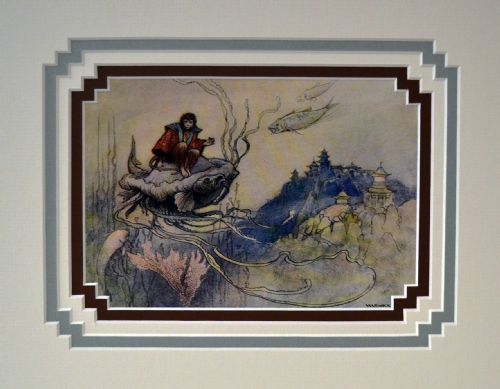
Katsukawa Shunshō·Warwick Goble·Kitagawa Utamaro·John Curtis·Joan Blaeu
The Cream Paper Wall Prints Glossary
- Engraving
- A printmaking technique where an artist cuts an image into a metal plate using a sharp tool. The resulting inked lines produce fine, precise details when pressed onto paper.
- Lithography
- A planographic printing process based on the repulsion of oil and water on a limestone or metal surface. It allows for smooth tonal gradations and faithful reproductions of drawings.
- Aquatint
- An intaglio printmaking method that creates areas of tone resembling watercolour washes. Acid bites into the metal plate through a porous resin ground to achieve this effect.
- Ukiyo-e
- A genre of Japanese art flourishing from the seventeenth through nineteenth centuries. Artists produced woodblock prints and paintings depicting scenes of everyday life and nature.
- Cartography
- The study and practice of making maps. Antique examples often feature decorative cartouches and hand-tinted borders reflecting the geographical knowledge of their era.
Cream Paper Wall Prints: Frequently Asked Questions
How should I hang these framed prints?
Position them away from direct sunlight to protect the aged paper and watercolour pigments from fading over time. Maintain stable indoor humidity levels to prevent the paper support from warping within the frame.
Use secure wall fixings suited to the weight of the wood and glass assemblies. Group matched sets with consistent spacing to create a balanced display.
What periods do these prints represent?
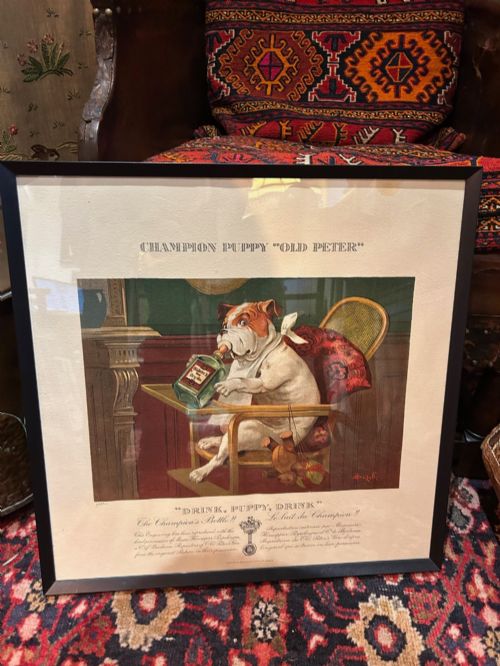
The selection covers items produced from the seventeenth century through the 1950s. You will encounter Georgian cartography, Victorian natural history plates and twentieth century advertising posters.
Earlier pieces often reflect hand-press printing methods, while mid century examples showcase evolving graphic design trends and photographic printing technologies.
Are these works original or modern reproductions?
The inventory consists of period originals, first edition prints and vintage posters created in the publication years noted. Each piece reflects the printing standards and materials characteristic of its specific decade or century.
Paper characteristics, plate marks and printing ink composition help verify the historical origin of individual artworks.
How do I care for antique paper art?
Keep the framed pieces in rooms with minimal temperature fluctuations to protect the paper and binding materials. Avoid using chemical cleaning sprays on the glass surface near the antique edges.
Professional framing specialists can upgrade backing materials to acid-free alternatives if long-term archival storage is desired.