


Cream Paper Wall Art
Cream paper wall art spans centuries of prints, watercolours, and maps on aged supports that bring character and historical depth to any room.
Cream Paper Wall Art
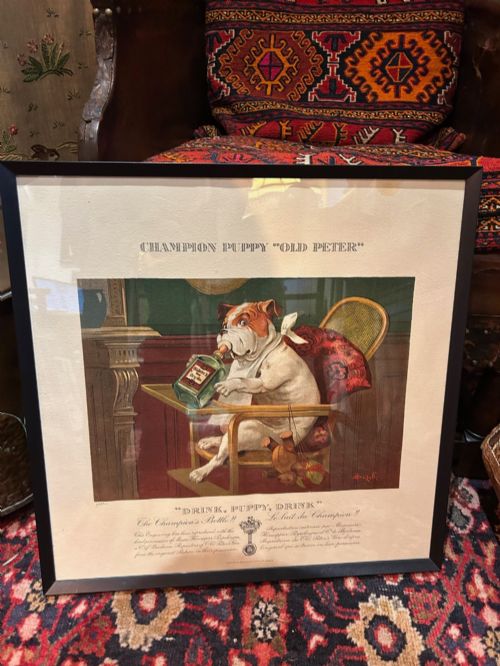
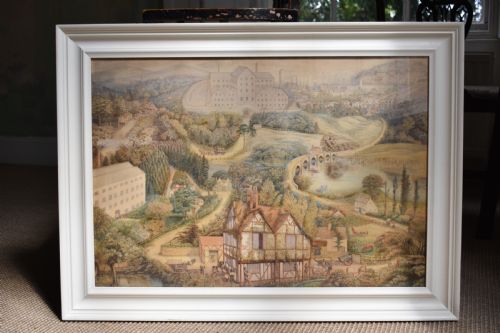
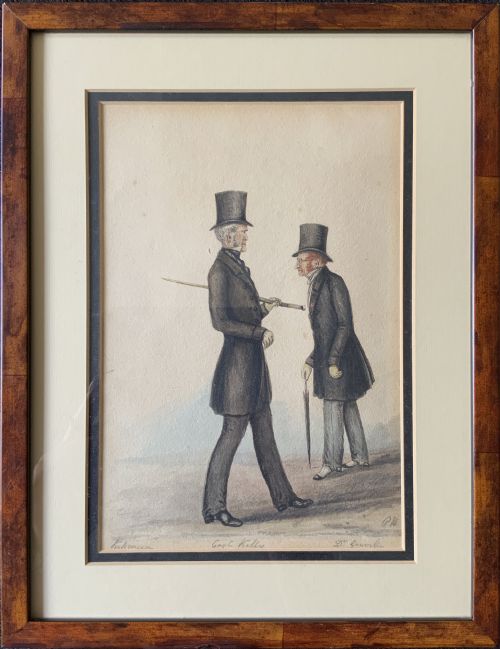
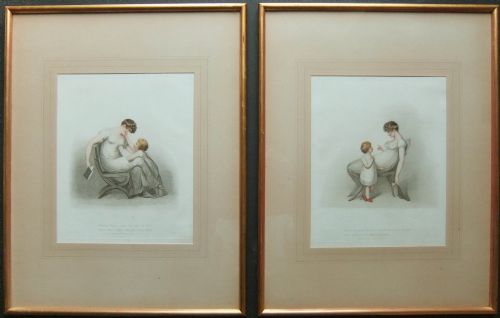
When searching for cream paper wall art, collectors encounter historical works on paper ranging from eighteenth-century maps and botanical engravings to twentieth-century prints and watercolours. The items on this page showcase authentic periods such as the Georgian era, the nineteenth century, and the early decades of the twentieth century, utilising supports that have aged gracefully to a warm cream tone.
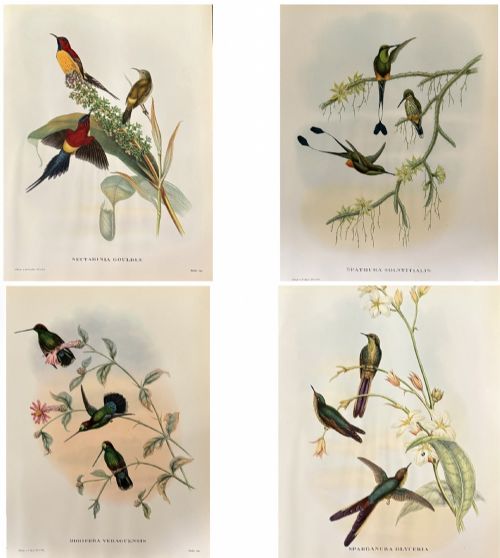
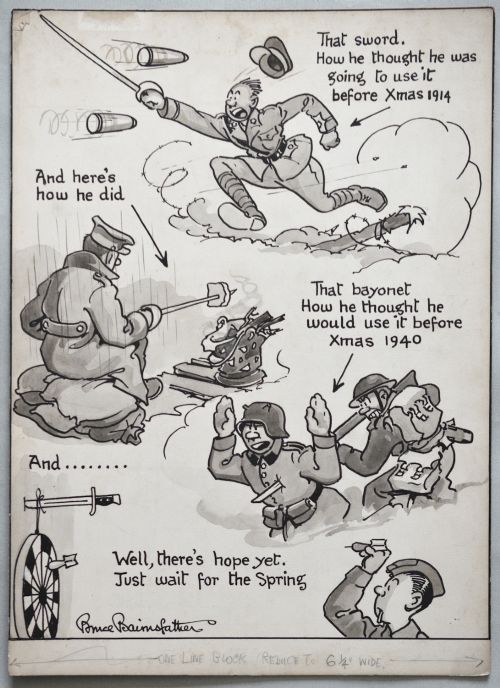
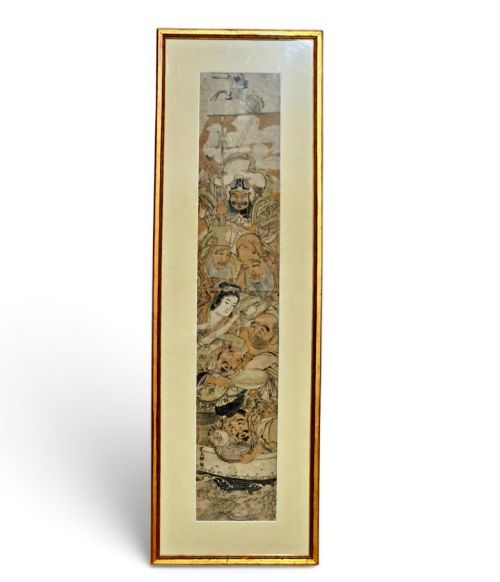
The selections include framed artworks, prints, and original paintings featuring subjects as diverse as tropical birds, topographical maps, satirical illustrations, and Japanese woodblock prints. These pieces offer a tangible connection to past artistic traditions, preserving the delicate textures of antique paper and ink.
Buyers will most frequently find nineteenth-century works and early twentieth-century illustrations on this page. These pieces vary widely in form, from single framed plates to sets of botanical specimens and sporting prints, all united by their paper medium.
Materials and techniques
The pieces listed on this page rely on paper and cardboard supports combined with ink, watercolour pigment, and occasionally gold leaf. Artisans applied hand-colouring to engravings and lithographs, or executed direct brushwork in watercolour on paper that naturally acquired a cream patina over time.
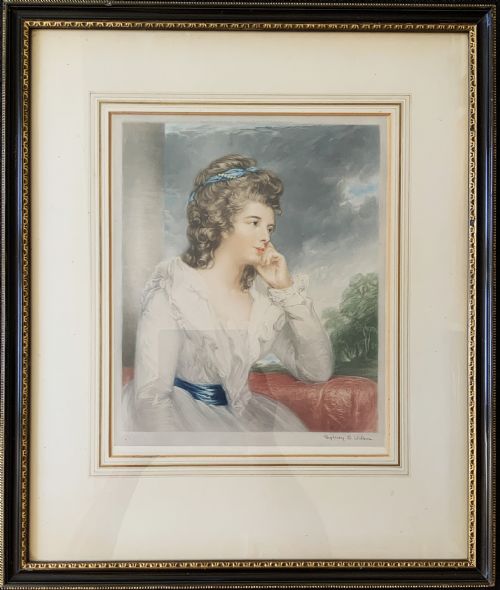
Techniques range from woodblock printing and mezzotint engraving to original ink drawings and aquatints. These traditional methods created distinct plate marks and rich ink saturations that define the character of antique works on paper.
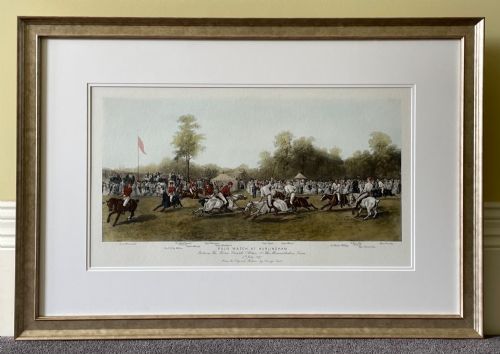
Equine enthusiasm runs deep here, with nineteenth-century polo matches, racing prints, and inquisitive foals stealing fruit from baskets.
Evaluating quality and execution
Quality in these works rests on the crispness of the printing impression, the precision of hand-applied watercolour pigment, and the preservation of the paper sheet. Stronger examples display clear publisher details, crisp plate marks, and vibrant hand-colouring that has resisted fading.
The distinction between standard decorative prints and finer collector pieces often lies in the depth of the ink work and the presence of artist signatures or early edition markings. Original drawings and scarce hand-coloured plates command greater attention for their direct link to the artist's hand.
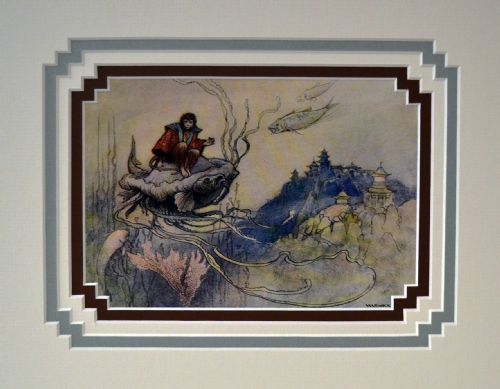
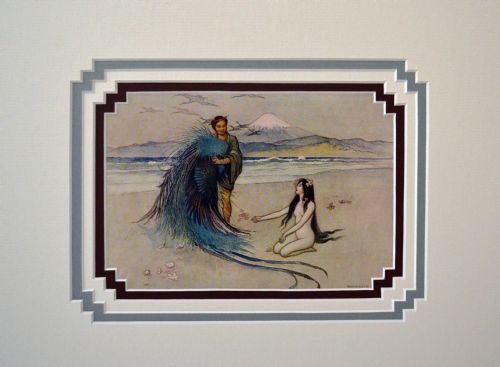
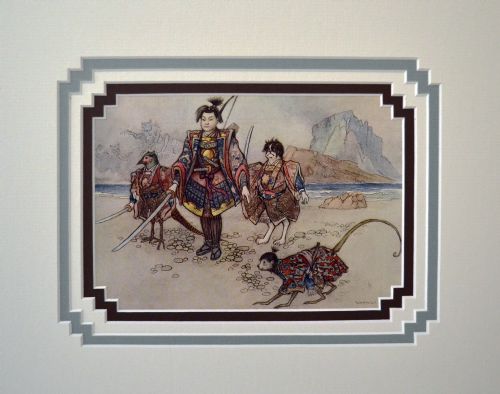
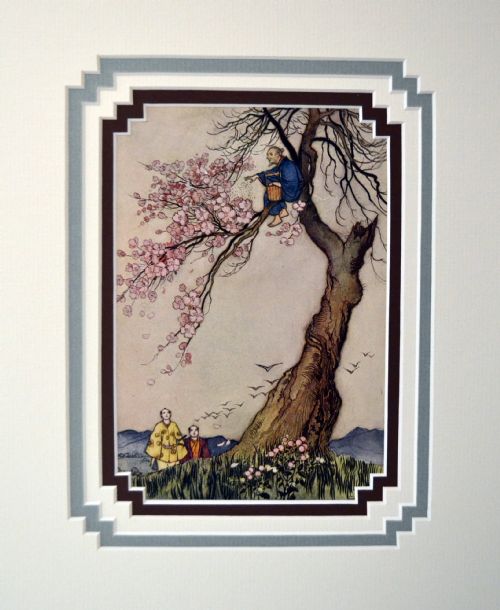
Katsukawa Shunshō·Warwick Goble·Kitagawa Utamaro·Robert Morden·John Curtis
The Cream Paper Wall Art Glossary
- Aquatint
- An intaglio printmaking technique that produces areas of tone resembling watercolour washes. It was frequently utilised for topographical views and sporting prints in the eighteenth and nineteenth centuries.
- Lithograph
- A planographic printing method based on the antipathy of oil and water, used extensively for nineteenth-century illustration and posters. The process allows for smooth tonal gradations and fine detail.
- Mezzotint
- A tonal method of engraving where the copper plate is roughened to achieve rich darks and subtle gradations of light. It became popular for translating oil paintings into monochrome portrait prints.
- Woodblock print
- A relief printing technique where an image is carved into a block of wood, inked, and transferred to paper. This method is central to traditional Japanese ukiyo-e works.
- Artist proof
- An impression of a print taken before the final edition is produced, printed for the artist's review or retention. These often carry higher desirability due to their early pull from the plate.
Cream Paper Wall Art: Frequently Asked Questions
How should I frame antique paper art?
Protect antique paper by using acid-free mount boards and conservation-grade backing materials to prevent deterioration over time. Keeping the artwork away from direct sunlight preserves the original ink and watercolour pigments.
Ensure the glass does not touch the surface of the print or drawing directly by utilising a mat or spacers. This allows air circulation and prevents humidity from trapping moisture against the fragile paper.
What periods do these prints represent?
The pieces span from the seventeenth century through to the mid-twentieth century, with a strong concentration of nineteenth-century and Edwardian examples. Georgian maps and Edo period Japanese prints also feature prominently in the selection.
Each period utilises distinct printing technologies and paper stocks, allowing collectors to trace the evolution of graphic arts from early cartography to twentieth-century poster design.
Are these works original antique pieces?
The listings comprise period originals, including nineteenth-century watercolours, vintage posters, and first-edition prints from the eras stated. Publishers and artists from the respective centuries produced each item using historical materials.
Signatures, publisher stamps, and paper characteristics help verify the age and authenticity of individual prints, drawings, and maps.
How do I care for cream paper wall art?
Display these works in stable indoor environments away from excessive moisture, heat sources, and fluctuating temperatures. Environmental stability ensures the paper fibres and binding media remain intact.
Routine inspection of the framing seals prevents dust and insect ingress, safeguarding the delicate condition of historical prints and drawings for years to come.