


Cream Paper Original Artwork
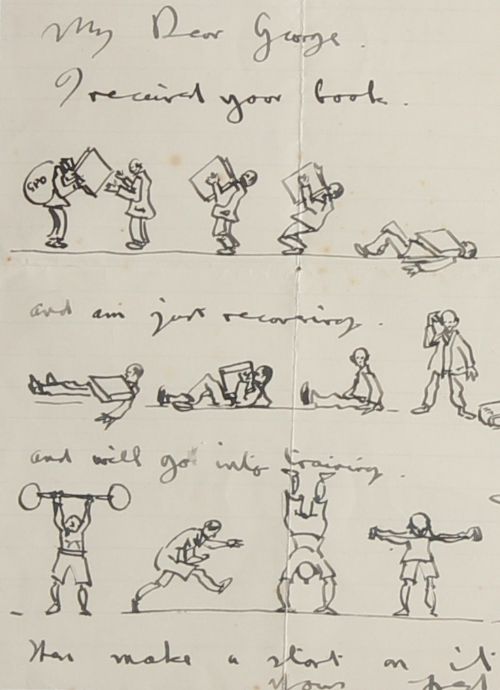
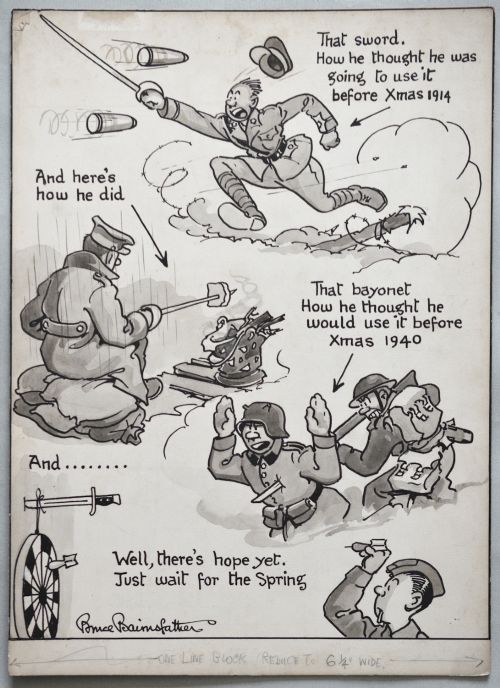
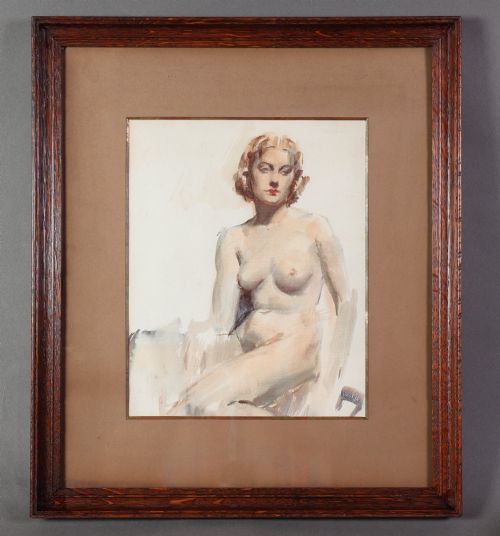
Cream paper original artwork brings together delicate watercolours, ink sketches and pencil drawings preserved on tinted paper from the Victorian era through the mid-twentieth century.
Cream Paper Original Artwork
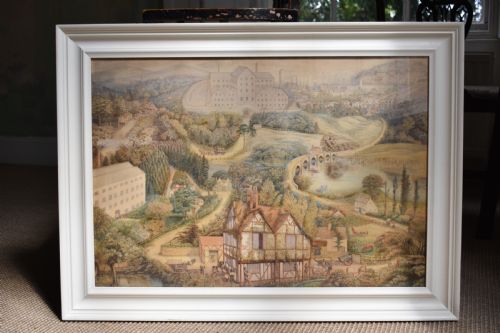
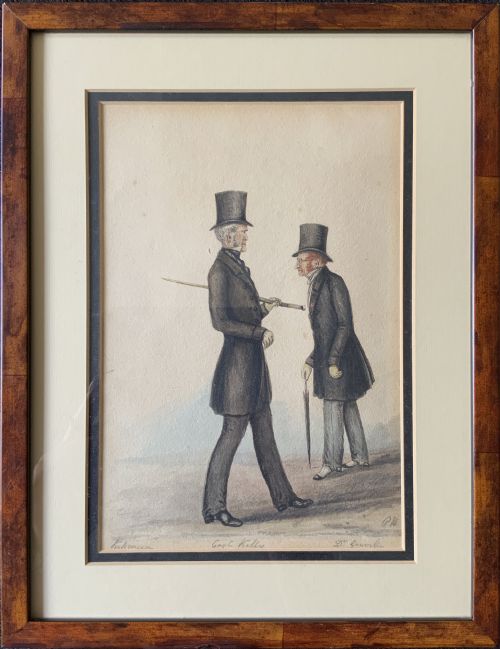
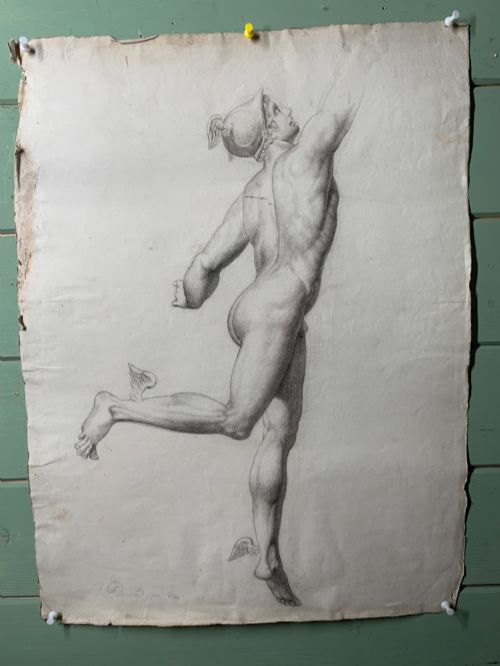
Cream paper original artwork encompasses unique drawings and paintings executed directly on tinted or aged paper supports. These pieces span portraiture, architectural drafting, landscape studies and illustrative works from the nineteenth century into the mid-twentieth century.
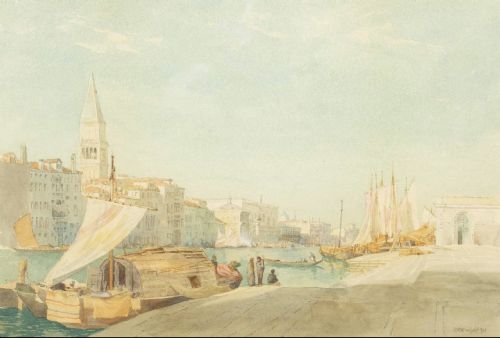
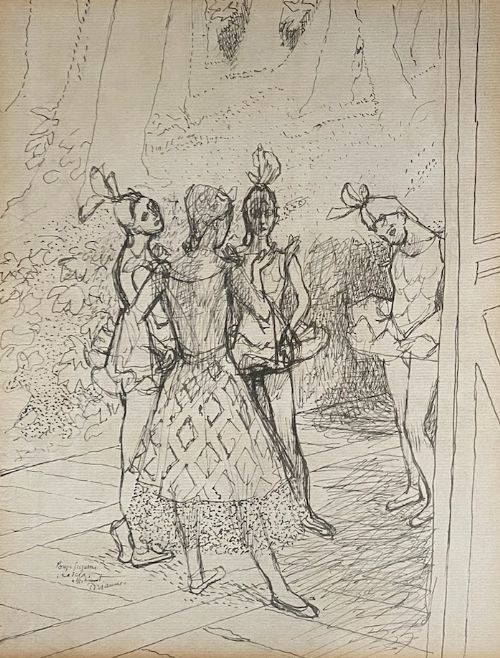
Buyers encounter diverse subjects ranging from coastal scenes in Wales and Venice to theatrical dancers and botanical studies. The underlying cream paper provides a warm, natural tone that influences the overall visual balance of the pigment.
Materials and execution
Artists utilised watercolour pigment, gouache, ink and graphite applied directly to paper supports. These mediums interact with the absorbent texture of cream paper to create subtle depth and tonal variation.
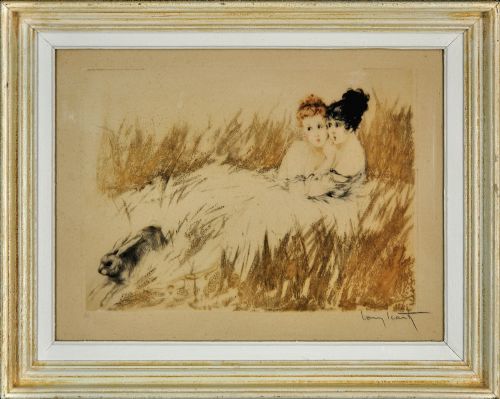
Many works incorporate protective glazing and wooden framing to preserve the delicate paper surfaces from environmental damage. Hand-coloured etchings and prints also appear alongside fully unique hand-drawn compositions.
A young foal steals fruit from a basket in one Victorian watercolour.
Assessing quality and execution
Quality rests upon the sureness of the hand, whether in the precision of an architectural drawing or the fluid brushwork of a landscape watercolour. Stronger pieces display confident draftsmanship and deliberate control over the medium.
The condition of the paper support and the preservation of the original pigments dictate the visual integrity of the piece. Works that retain their original tonal contrast without excessive fading demonstrate superior longevity.
Fred Lawson·Bruce Bairnsfather·Maurice Brianchon·Louis Icart·Warwick Goble·Cornelius Pearson·William Frederick Settle·Anne Goldthwaite·Helena Maguire·Stanley Orchart·Dame Laura Knight·Paul-Louis Barruel·John E. Bosanquet·Joseph Hansom·Leo Klin·Henry Scott Tuke·Alexander Melville·Henry Edridge·K B Curtis
The Cream Paper Original Artwork Glossary
- Gouache
- An opaque watercolour paint that provides solid areas of colour and sharp highlights. It dries to a smooth, matte finish.
- Etching
- A printmaking technique where lines are bitten into a metal plate with acid before being inked and pressed onto paper. Hand-coloured variants receive pigment by hand after printing.
- Works on paper
- A collective term for drawings, watercolours, prints and photographs executed on a paper support. This category distinguishes flat graphic works from canvas paintings.
- Victorian
- Relating to the reign of Queen Victoria, spanning the nineteenth century. This period produced detailed academic watercolours and architectural drawings.
Cream Paper Original Artwork: Frequently Asked Questions
What is cream paper original artwork?
It refers to unique drawings, paintings and illustrations created on tinted paper supports. These works date primarily from the Victorian era to the mid-twentieth century.
The warm tone of the aged or manufactured cream paper provides a distinct background that interacts with watercolours, inks and graphite pencils.
How should these paper artworks be framed?
They require professional framing behind glass with acid-free mounts to prevent direct contact with the surface. This protects the delicate paper and pigments from moisture and light damage.
Keeping them out of direct sunlight ensures the original colours and the tone of the cream paper remain stable over time.
How do I identify the period of a drawing?
Dating relies upon stylistic markers, artist signatures, framing materials and the type of paper used. Victorian works often display meticulous academic precision, while later twentieth-century pieces lean towards modernist or illustrative freedom.
Comparing the handwriting, subject matter and known active dates of the artist provides the most reliable confirmation.
Are these pieces one-of-a-kind?
Many listings are singular, hand-drawn or painted works created directly by the artist. This category also includes limited edition prints and etchings produced in small runs.
Unique watercolours and ink drawings carry no duplicates, whereas prints will often feature edition numbers or signature markings.