



Black Ink Paper Artwork
Black ink paper artwork brings together centuries of delicate graphic skill, capturing precise lines and expressive tonal studies.
Black Ink Paper Artwork
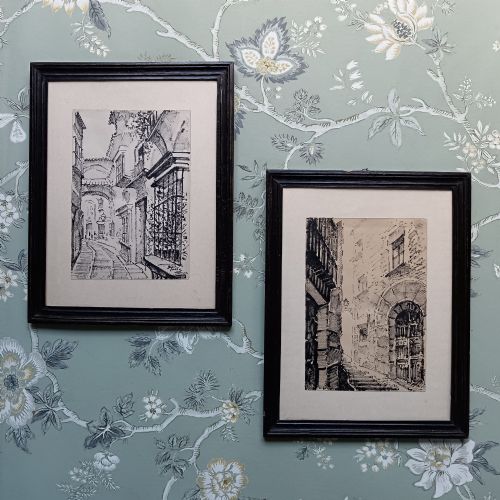
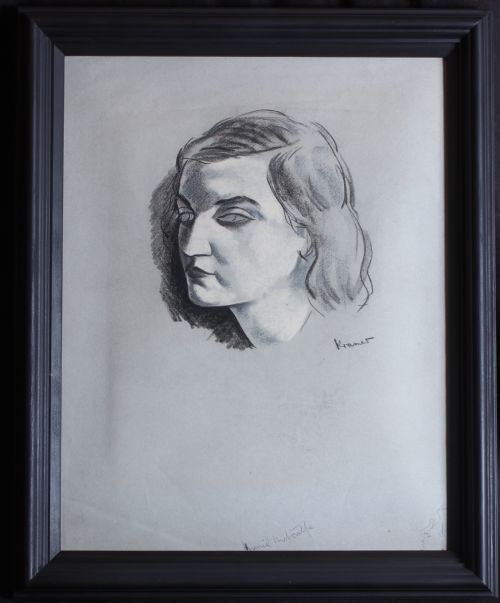
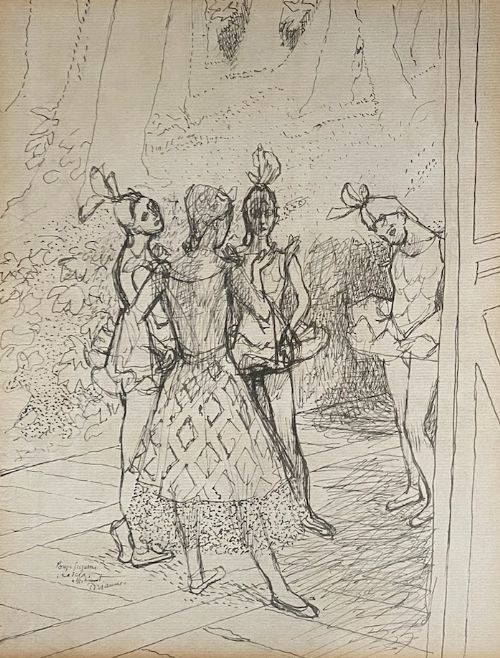
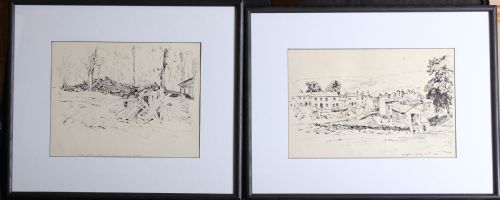
When searching for black ink paper artwork, buyers encounter a diverse selection of original drawings, silhouettes, prints, and watercolours spanning the nineteenth and twentieth centuries. These pieces encompass landscapes, portraits, anatomical studies, and architectural illustrations created across periods from the Regency era through to mid-century modernism.
The most common formats on this page include framed original drawings, landscape watercolours, and detailed silhouettes executed on paper supports. Works range from intimate portrait sketches by named artists to anonymous school pieces and decorative period prints housed behind glass in wood frames.
Materials and Technique
The primary mediums combine ink and watercolour applied directly to paper supports, occasionally supplemented by wash or gold leaf. Artists utilised fine pen nibs for precise linework and washes to build tonal depth within landscapes and figure studies.
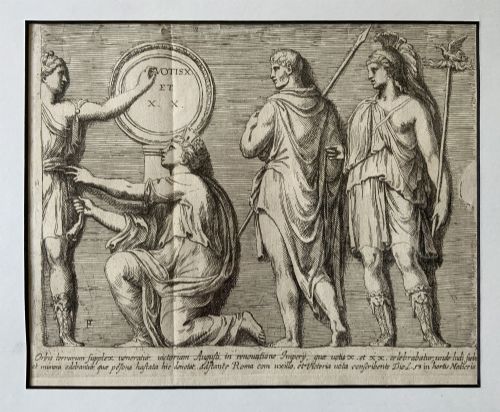
Framing materials commonly incorporate wood and glass to protect fragile paper works from environmental damage. Etchings and lithographs utilise inked metal plates or stones to transfer impressions onto paper sheets.
Listings feature paper, ink, watercolour, wash, wood, glass, and gold leaf across works dated from the eighteenth to the twentieth century.
Quality and Execution
Distinction in quality rests upon the sureness of the draughtsmanship and the expressive capability of the line work. Skilled handling of ink wash and watercolour adds atmospheric dimension, separating master draftsmen from simpler naive or school productions.
Condition and preservation of the paper support also define the standard of a piece. Clean, stable paper without excessive discolouration preserves the integrity of the original ink application.
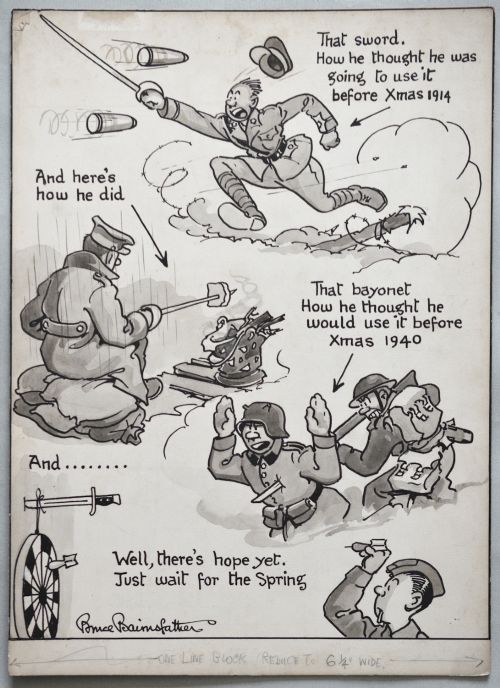
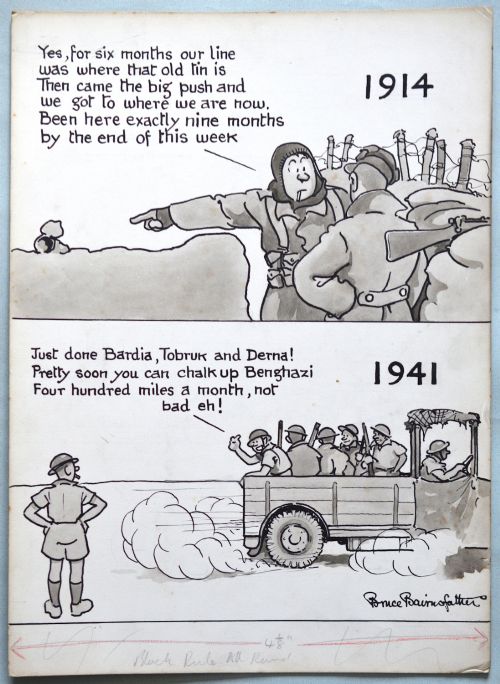
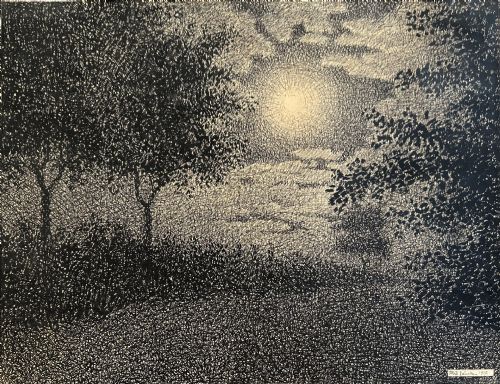
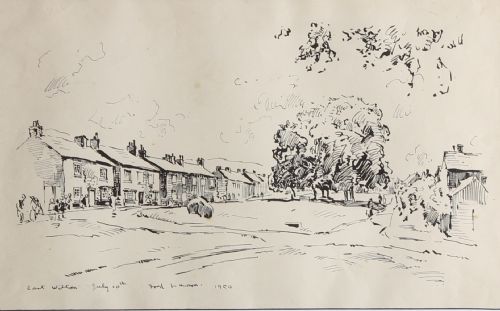
Fred Lawson·Bruce Bairnsfather·Herbert Dicksee·Augustus Edwin John·James Dobie
The Black Ink Paper Artwork Glossary
- Silhouette
- A solid shape, usually a profile portrait cut from black paper or painted in ink against a pale background. These works range from early nineteenth-century likenesses to detailed Victorian family groups.
- Etching
- A printmaking method where lines are bitten into a metal plate with acid before being inked and pressed onto paper. Artists use this technique to achieve fine, tonal detail.
- Wash
- A thin, transparent layer of diluted ink or watercolour applied with a brush to create shadow and depth behind pen lines. It is frequently seen in landscape and architectural drawings.
- Lithograph
- A planographic printmaking technique based on the chemical repulsion of oil and water. This method allows artists to reproduce intricate drawings and tonal illustrations.
Black Ink Paper Artwork: Frequently Asked Questions
What periods do these artworks cover?
The pieces span from the eighteenth century through the nineteenth and twentieth centuries, encompassing Victorian, Edwardian, and mid-century modern periods.
Specific dates within the listings range from early Regency works up to nineteen-sixty drawings and prints.
Are these pieces supplied framed?
Many works on paper are presented in period wooden frames, often behind protective glass.
Buyers should check individual listings to confirm whether a piece retains its original framing.
How are ink drawings distinguished from prints?
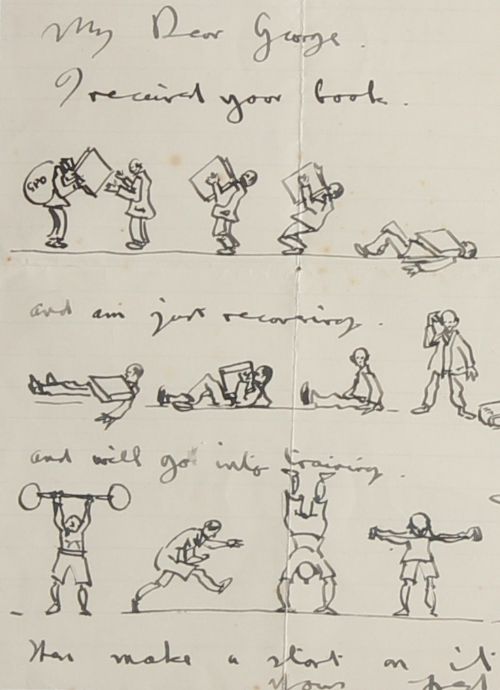
Original ink drawings feature direct, hand-drawn pen or brush lines unique to each individual sheet of paper.
Etchings and lithographs are multiple impressions produced from a prepared plate, block, or stone.
What subjects appear in these works?
The collection includes landscape views, portrait silhouettes, anatomical studies, and literary illustrations.
Subjects range from rural British castles and farm buildings to theatrical dancers and historical battle scenes.