
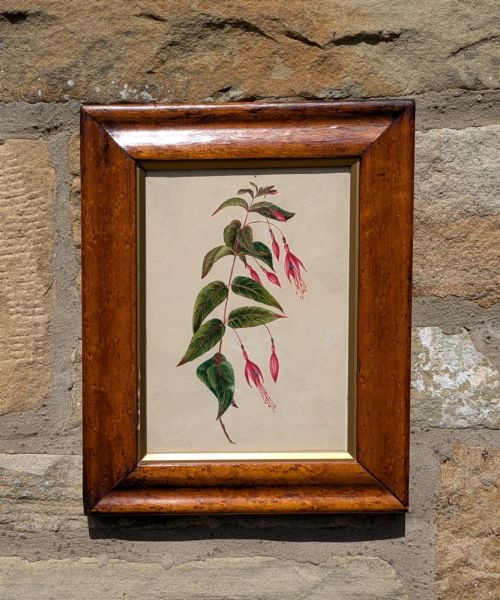
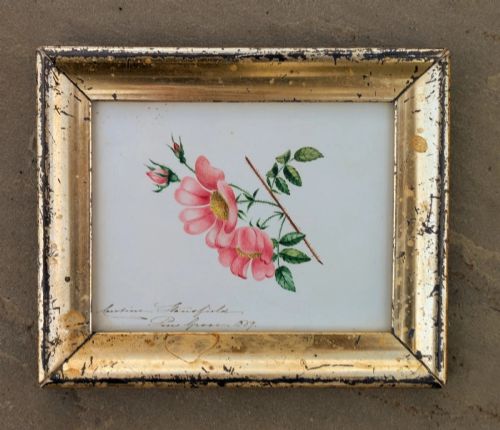
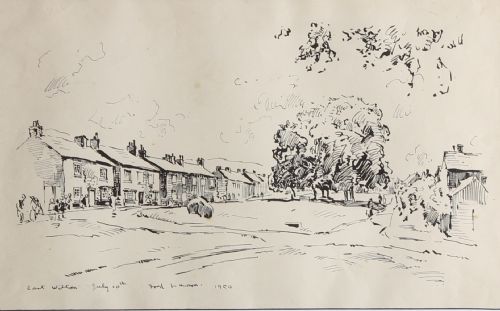
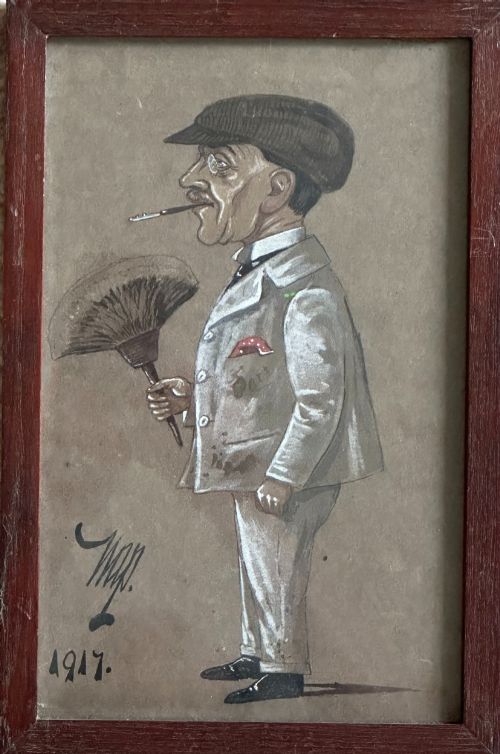
Framed Original Illustration
When you search for a framed original illustration, you enter a diverse world of unique works on paper spanning multiple centuries and artistic movements.
Framed Original Illustration
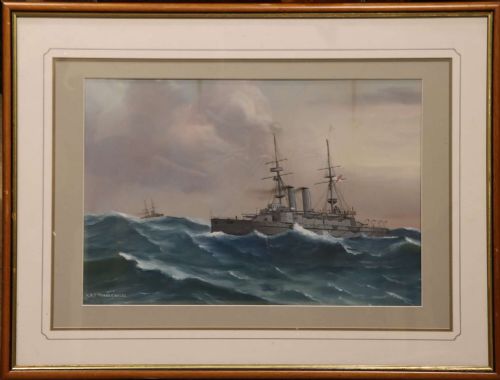
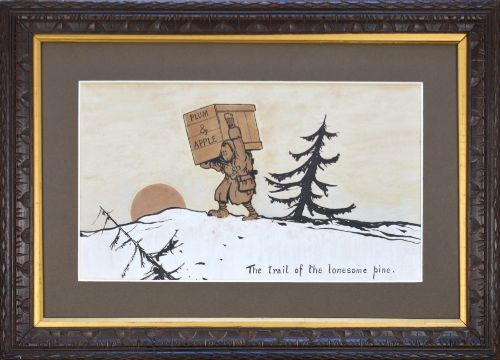
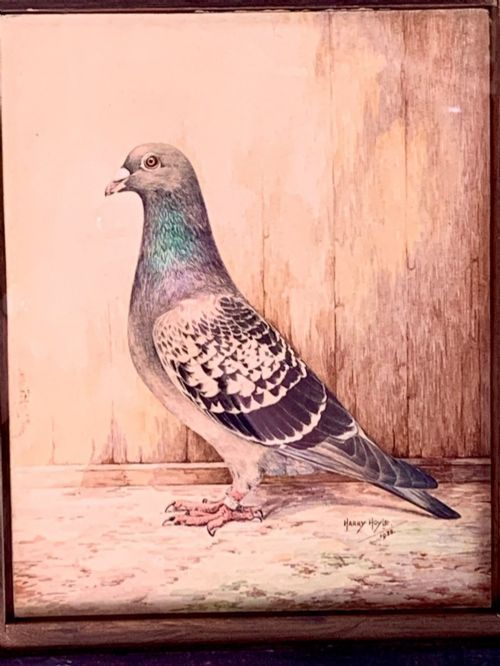
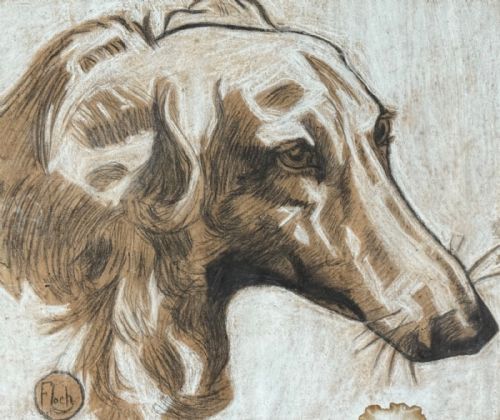
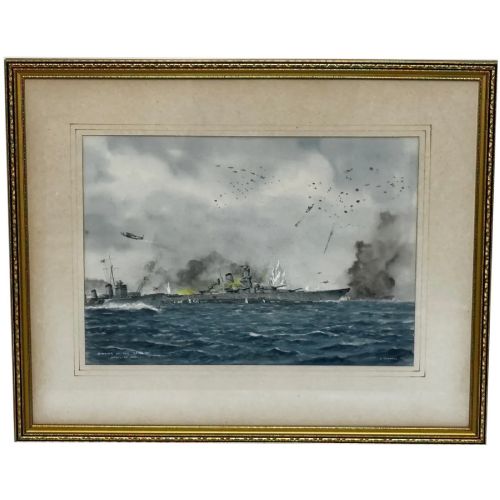
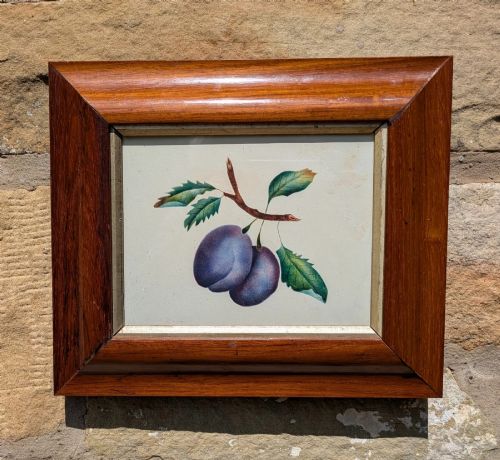
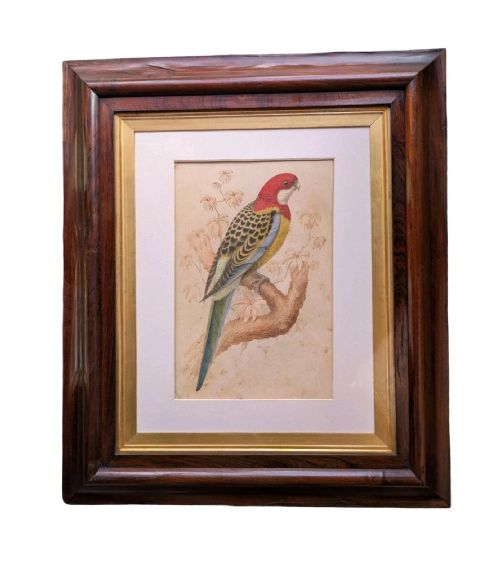
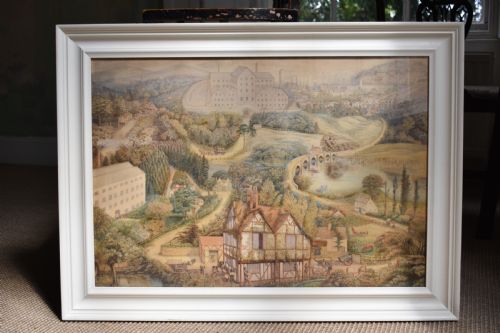
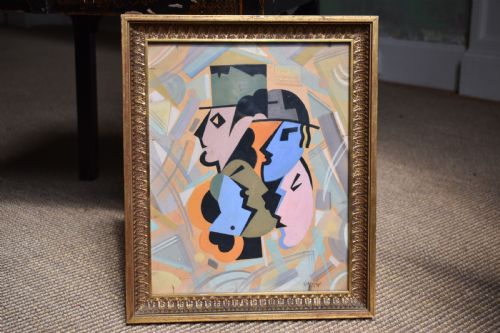
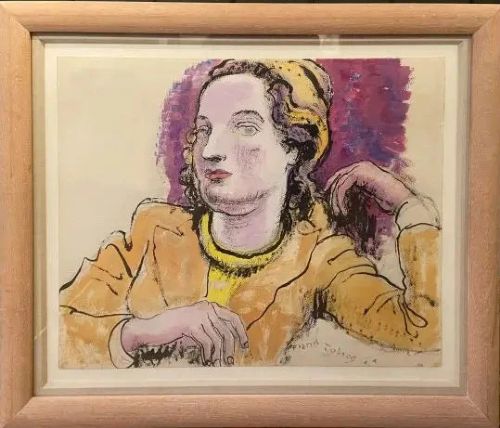
A framed original illustration captures a singular artistic moment, from delicate botanical watercolours to sharp ink caricatures and detailed maritime paintings. These pieces bridge the gap between preparatory work and finished wall art, offering a direct glimpse into the maker's hand.
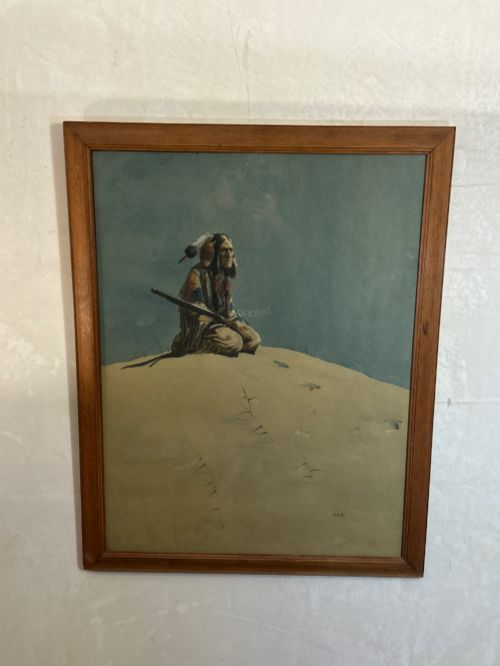
The selections span from nineteenth century botanical studies to mid-century modern British works, encompassing portraits, natural history studies, and satirical scenes. Most examples arrive protected behind glass within period timber frames, such as rosewood, oak, or walnut.
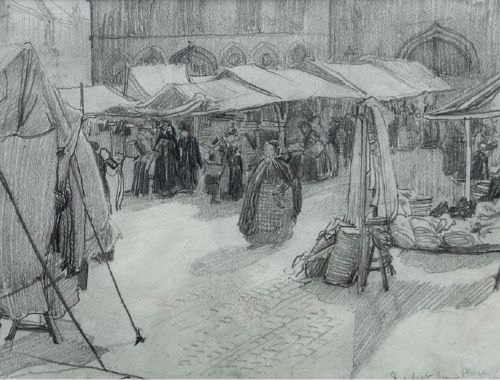
Buyers encounter everything from rapid wartime pencil sketches to vibrant gouache animal paintings and hand-coloured etchings. Each object carries the specific material marks of its creation epoch, preserving paper surfaces and mounting styles unique to its decade.
Materials and technique
Makers relied primarily on paper surfaces, ranging from standard drawing sheets to buff-toned paper, combined with wet and dry media like watercolour, gouache, ink, wash, and graphite. Artists applied these pigments with varying brush and pen techniques to achieve fine detail or loose expressive strokes.
Finishing involved protective glass glazing set inside wood frames, frequently utilising materials like rosewood, oak, or walnut to complement the artwork. These framing choices served both to secure the fragile paper beneath and to enhance the visual presentation on the wall.
Framing materials recorded in the evidence include glass, wood, rosewood, oak, and walnut, paired with paper supports in various weights.
What separates works
Quality rests heavily on the sureness of the line and the handling of the chosen medium, whether that is watercolour, ink, or gouache. A confident draughtsman achieves expression swiftly, whereas hesitance in pencil or wash remains visible on the paper.
The preservation of the paper support and the vibrancy of the original pigments dictate the visual strength of the piece. Works that retain their initial contrast without heavy foxing or fading offer a clearer window into the period of their making.
Bruce Bairnsfather·Henry Percy Huggill·John Hassall·Eric Tufnell·Fred Lawson·R. Hurst·Frank Dobson·Louis Icart·Cecil Beaton·Ralston Gudgeon·Warwick Goble·Cecil Charles Windsor Aldin·Lucien Gibert
The Framed Original Illustration Glossary
- Gouache
- An opaque water-based pigment that provides solid, matte coverage and allows for bright highlights on paper. Artists frequently mixed gouache with watercolour to create contrast in illustrations.
- Foxing
- Brown spots and discolouration that develop on older paper due to chemical reactions over time. This common ageing process appears frequently in nineteenth century works.
- Wash
- A thin, transparent layer of diluted ink or watercolour applied to paper to create shadows or background tones. Masters of wash control moisture carefully to maintain clean boundaries.
- Chromolithograph
- A multi-colour printmaking technique using stone plates to build up rich hues. These nineteenth century prints often accompanied periodicals like Vanity Fair.
- Buff paper
- A pale brownish-yellow paper stock favoured by draughtsmen for its neutral tone. It allows white gouache highlights to pop effectively against the background.
Framed Original Illustration: Frequently Asked Questions
What periods do these illustrations cover?
The available works span widely from the nineteenth century through the Edwardian era and Art Deco periods up to the mid-twentieth century. Each decade brings distinct stylistic choices and subject matters.
Collectors can trace changing tastes from detailed botanical watercolours to dynamic mid-century British drawings and maritime scenes.
How should I care for framed paper art?
Keep framed original illustrations away from direct sunlight to prevent the watercolour pigments, inks, and gouache from fading over time. Stable indoor humidity protects the delicate paper supports.
Ensure the glass is clean and check that the original wood frames remain structurally sound to support the weight safely.
What materials were used by the artists?
Makers worked primarily on paper, utilising watercolour, ink, gouache, pencil, and graphite to build their images. Some pieces incorporate wash techniques or pastel.
The finished artworks are typically housed behind glass within wood frames made from materials like oak, walnut, or rosewood.
Are these works unique?
Yes, the selection consists of original paintings, drawings, and sketches rather than mass-produced reproductions. Each piece represents a singular creative effort by the artist.
Even when artists produced series, such as natural history studies or caricatures, every individual sheet remains a distinct physical creation.