




Monochrome Ink Wash Sketch
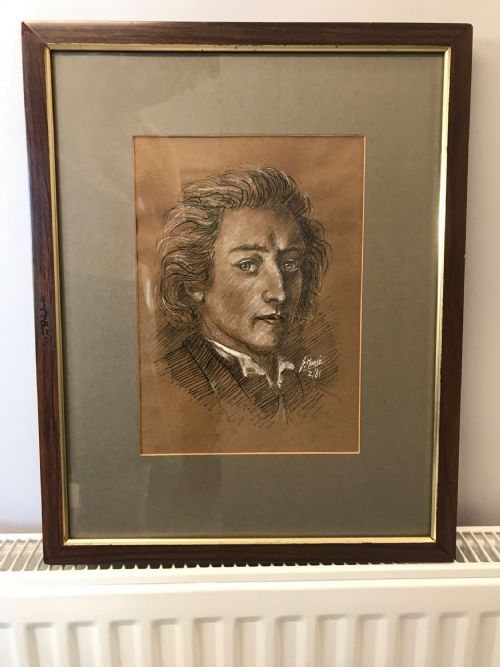
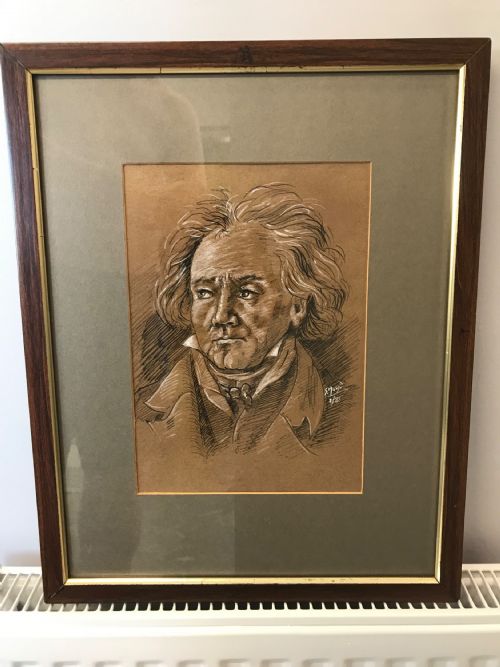
A monochrome ink wash sketch captures form and shadow through rapid line and tonal wash, offering direct insight into an artist's hand.
Monochrome Ink Wash Sketch
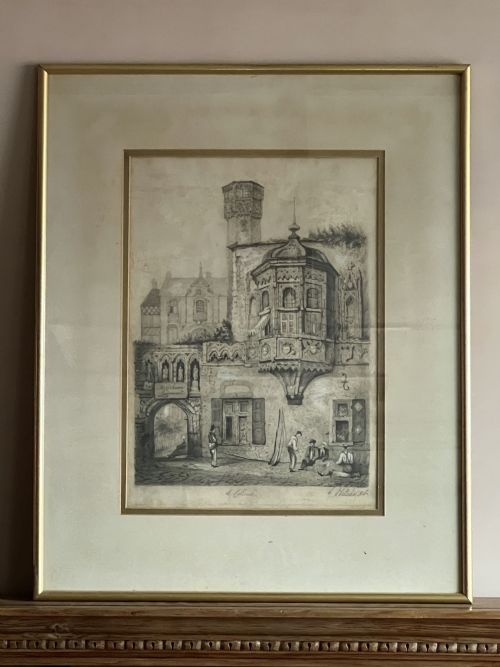
A monochrome ink wash sketch represents original works on paper executed primarily in black or sepia tones, spanning the eighteenth century to the mid twentieth century. Buyers seeking a monochrome ink wash sketch encounter original drawings, framed artworks, and satirical illustrations produced by British and European artists.
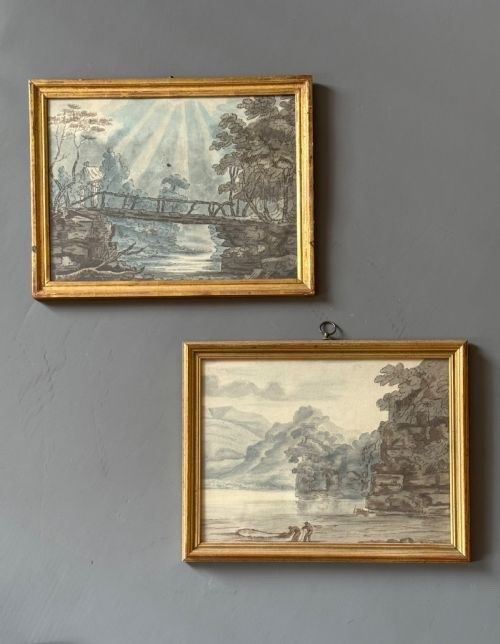
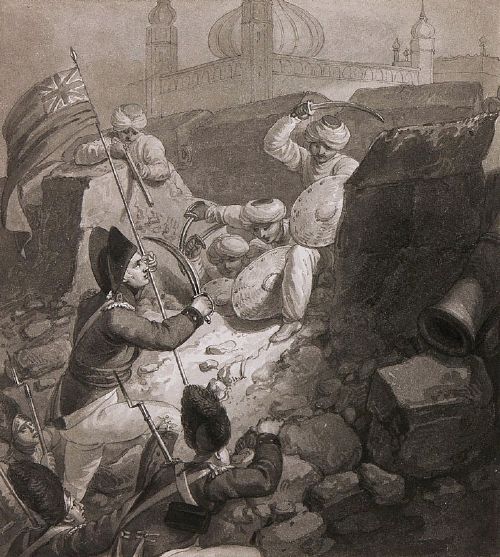
Framed presentation is common, often utilising wood frames or gilt wood alongside glass to protect the delicate paper supports. These pieces vary from intimate landscape studies to detailed historical battle compositions.
How they were made
Artists utilised pen and ink to establish the primary contours and linear framework of the composition, employing fine nibs for precise architectural or figurative details. This foundational line work provides the structural skeleton for the subsequent tonal application.
Wash, comprising diluted ink or watercolour pigment applied with a brush, introduces depth, shadow, and atmospheric perspective across the paper surface. Occasional touches of gouache provide opaque highlights that lift the monochrome palette.
Paper serves as the fundamental substrate for these works, framed subsequently in wood or gilt wood frames beneath glass to prevent environmental degradation of the organic pigments.
Military campaigns and classical composers share the drawing board with muddy nineteenth-century timber carts.
What varies in quality
Line confidence and brush control distinguish superior draughtsmanship from more hesitant execution, dictating the overall vitality of the composition. A master hand achieves spatial depth and luminosity using minimal tonal gradation.
The historical significance and attribution of the work influence its standing, particularly when associated with documented figures such as Edward Dayes or Thomas Monro. Works retaining clear provenance and contextual ties to specific historical events or locations hold distinct scholarly weight.
Preservation of the paper support and the stability of the ink and wash layers determine the visual integrity of the piece over centuries. Minimal chemical alteration and lack of excessive fading preserve the intended contrast between ink line and tonal wash.
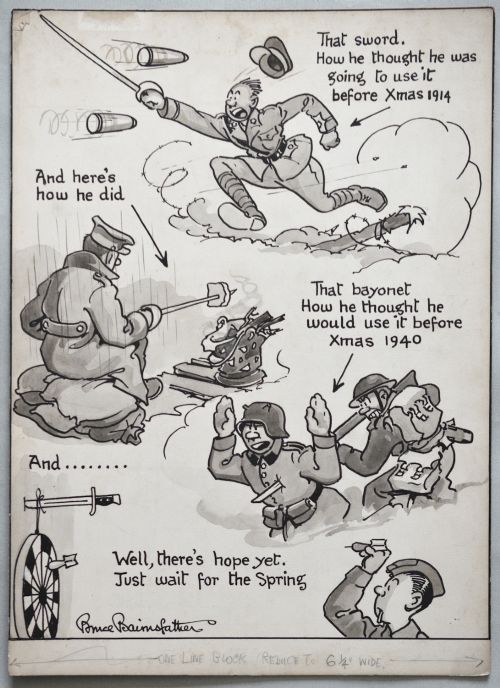
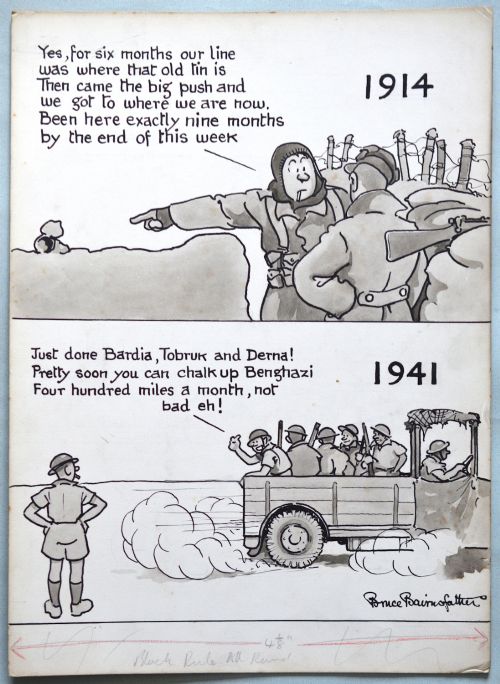
Bruce Bairnsfather·William Marshall Craig·Edward Dayes·Peter Tillemans·Thomas Monro·Thomas Lound
The Monochrome Ink Wash Sketch Glossary
- Wash
- A technique involving diluted ink or watercolour applied with a brush to create translucent areas of tone and shadow. It establishes atmospheric depth behind the linear ink framework.
- Gouache
- An opaque water-based paint used alongside ink and wash to add highlights and luminous details. It provides dense coverage that contrasts with transparent washes.
- Topographical
- Pertaining to the accurate depiction of specific places, buildings, or natural landscapes. These drawings often record actual historical sites such as abbeys and lakes.
- Draughtsmanship
- The skill and technique of making drawings, particularly concerning line quality and anatomical or spatial accuracy. High draughtsmanship defines the finest historical sketches.
Monochrome Ink Wash Sketch: Frequently Asked Questions
What is a monochrome ink wash sketch?
A monochrome ink wash sketch is an original work on paper created using ink lines and diluted tonal washes, typically in shades of black, grey, or brown. These artworks range from eighteenth-century landscape studies to twentieth-century satirical illustrations.
Artists utilise this medium to capture rapid impressions, topographical views, and finished compositional studies. The absence of a full colour palette emphasises line, shadow, and form.
How should I display these sketches?
Display these works on paper away from direct sunlight to prevent the fading of ink and discoloration of the paper support. Maintaining stable indoor humidity levels protects both the paper and the wooden frames.
Most examples arrive framed behind glass, which shields the delicate medium from dust and atmospheric pollutants. Ensure wall fixings securely support the weight of the wood frame and glass.
How do I identify the period of a sketch?
Period identification relies on stylistic conventions, subject matter, paper characteristics, and any accompanying signatures or attributions. Eighteenth-century works often feature classical landscape compositions or topographical studies associated with the British watercolour school.
Later nineteenth- and twentieth-century pieces incorporate different illustrative styles, such as military battle scenes or satirical commentary. Comparing known dated works by attributed artists helps narrow the timeline.
Are these drawings original works?
The pieces listed are original handmade drawings and sketches rather than mass-produced prints or reproductions. Each work exhibits the unique hand of the artist through distinct pen strokes and brush applications.
Physical examination under magnification reveals the actual ink pooling, paper texture, and brush marks characteristic of unique works on paper. Attributions connect specific pieces to documented historical draughtsmen.