



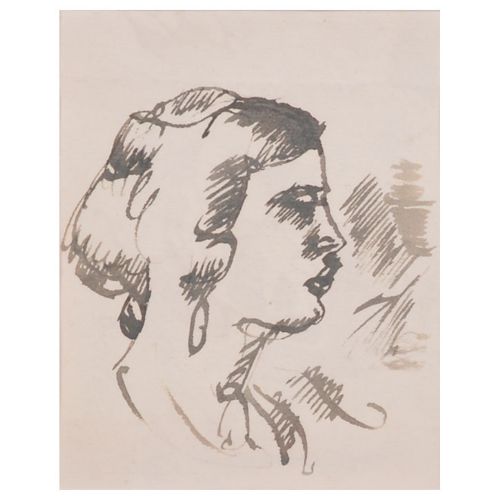


Cream Paper Drawing
A cream paper drawing offers a direct encounter with an artist's hand, capturing everything from swift theatrical sketches to precise technical plans.
Cream Paper Drawing
A cream paper drawing encompasses original works on paper spanning from the eighteenth century through to the mid-twentieth century, capturing diverse subjects on tinted supports.
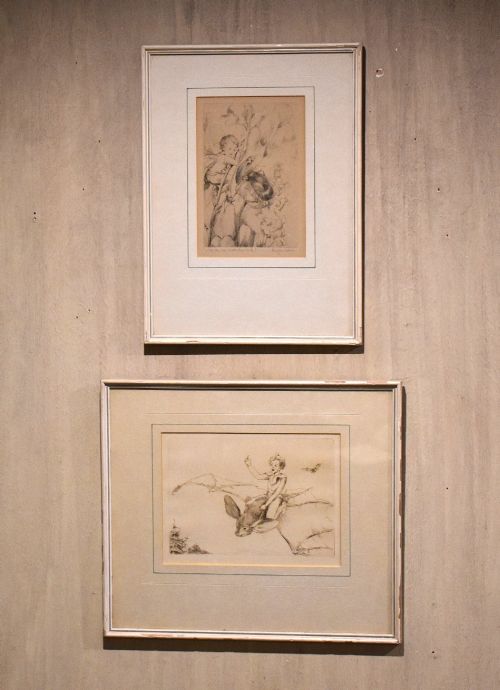
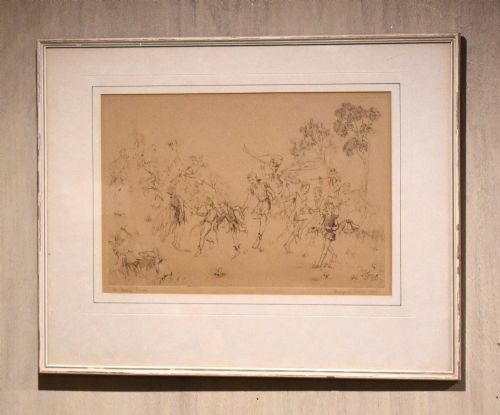
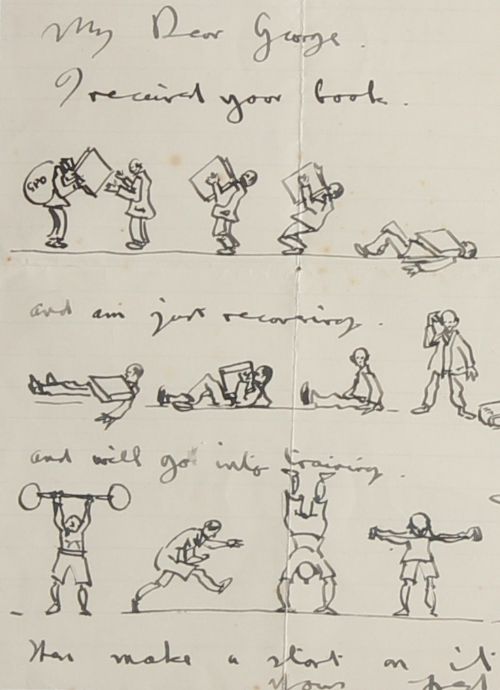
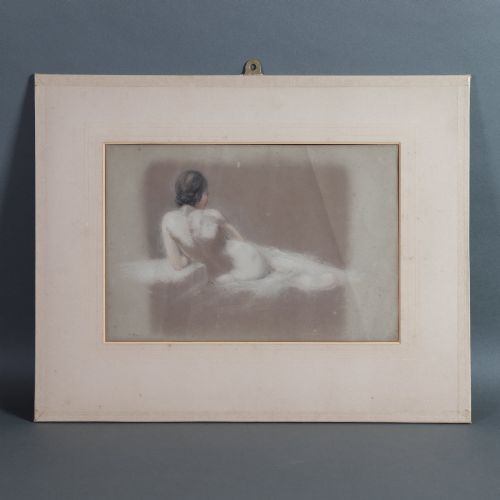
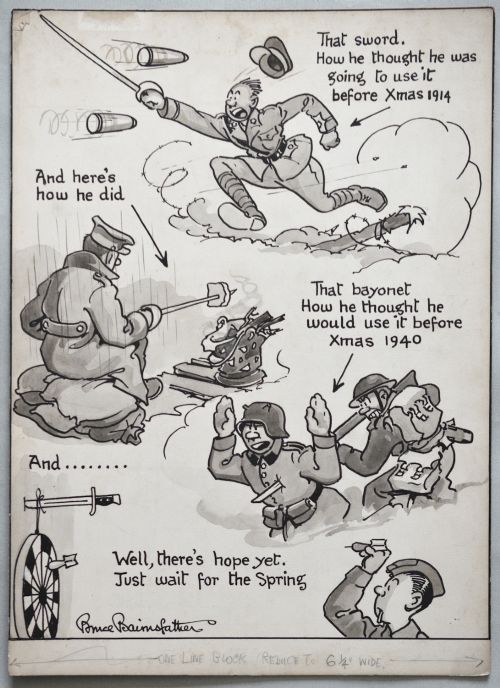
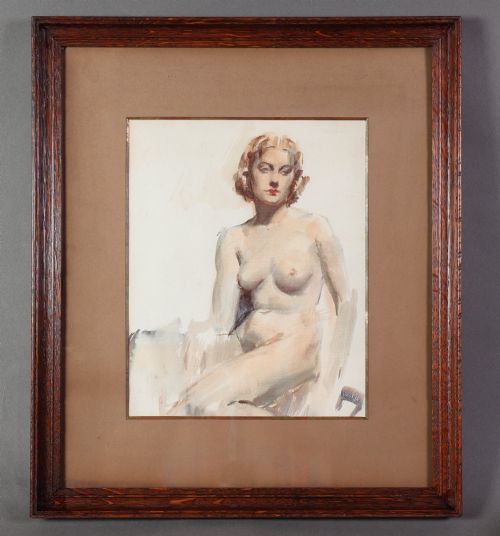
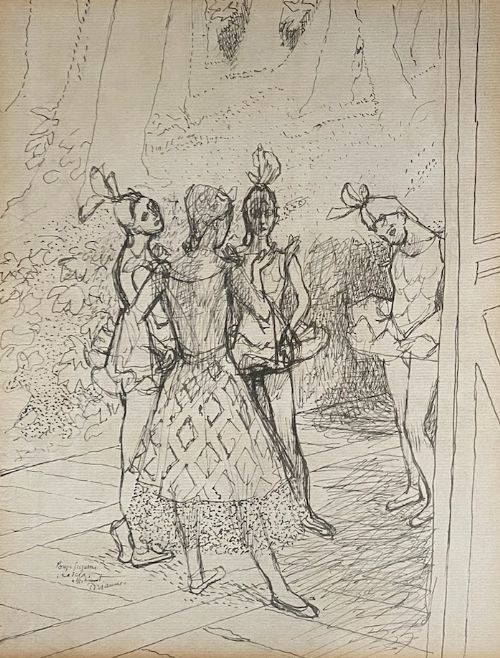
The selections encountered here range from Regency portraits and Victorian maritime watercolours to modernist nudes and early twentieth-century theatrical illustrations.
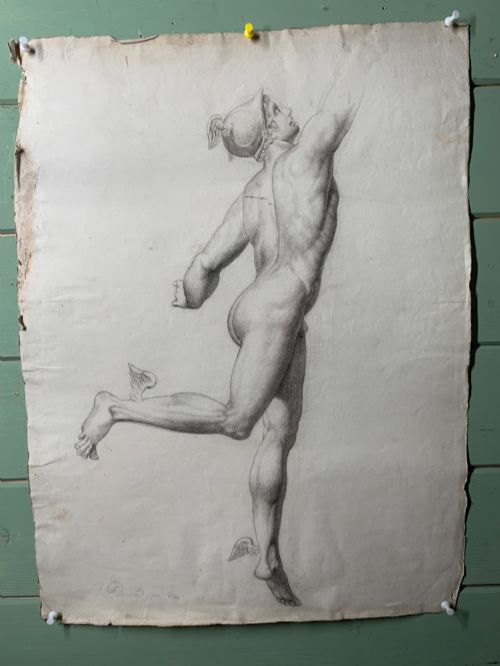
Collectors frequently discover technical railway designs, architectural studies of classical temples, and intimate academic sketch studies alongside finished portraiture.
Materials and Technique
Artists executed these works using graphite, charcoal, and chalk, often adding ink and watercolour over pencil to build tone and depth on tinted paper.
Makers utilised paper as the primary support, sometimes combining mixed media or gouache to achieve varied surface textures and highlights.
Cream Paper Drawing Retail Price Guide 2026
Typical asking prices for cream paper drawing among the pieces listed under this phrase on Sellingantiques today, from the lower quarter to the upper quarter. They describe what is for sale here now, not the wider market.
The collection includes pieces from the eighteenth, nineteenth, and twentieth centuries, utilising paper, ink, watercolour, and graphite.
Assessing Quality and Execution
The distinction between standard academic exercises and superior works lies in the confidence of the line and the subtlety of tonal gradation across the sheet.
Provenance, identifiable sitters, and the documented hand of a named artist elevate a piece beyond anonymous decorative sketches.
Fred Lawson·Bruce Bairnsfather·William Etty·Maurice Brianchon·William Frederick Settle·John Merrifield·Dame Laura Knight·John Duncan Fergusson·Theobald Chartran·Joseph Hansom·Henry Edridge·Leo Klin·Alexander Melville
The Cream Paper Drawing Glossary
- Watercolour
- A paint method using water-soluble pigments that produces translucent washes on paper. It allows artists to build luminous colour layers quickly.
- Graphite
- A form of carbon used as a drawing medium in pencils. It provides varying degrees of hardness for precise lines or soft shading.
- Gouache
- An opaque watercolour paint mixed with a white pigment to create solid areas of colour. It offers greater coverage than standard transparent washes.
- Neoclassical
- An artistic style drawing inspiration from the classical art and culture of ancient Greece and Rome. It emphasises proportion, restraint, and clarity of line.
Cream Paper Drawing: Frequently Asked Questions
How should I frame a cream paper drawing?
Protect works on paper by using acid-free mount board and framing materials to prevent discolouration over time. Keep the framed piece away from direct sunlight to preserve the integrity of the ink and watercolour pigments.
Ensure there is a small gap between the glass and the surface of the drawing so the paper does not stick to the glazing.
What periods do these drawings cover?
The available works span several centuries, beginning in the eighteenth century and moving through the Regency, Edwardian, and Victorian eras. Twentieth-century examples include modernist and art deco pieces.
Each period brings distinct stylistic approaches, ranging from classical academic studies to twentieth-century satirical illustrations.
Are these works original or printed reproductions?
The inventory consists entirely of original hand-drawn and painted works, including ink line drawings, pencil studies, and mixed media compositions. Each piece records the direct touch of the artist rather than a mechanical reproduction.
Signatures, annotations, and visible paper textures help confirm the hand-rendered nature of the artwork.
How do I identify a technical drawing?
Technical drawings feature precise architectural plans, locomotive works designs, or engineering elevations executed with meticulous line work. They often include detailed annotations or stamps from specific transport companies and architectural practices.
These functional sheets offer a fascinating contrast to the freehand portraits and theatrical sketches found in the same category.