






Georgian Pencil Sketch
A georgian pencil sketch captures portraiture and landscape through the intimate hand of graphite on paper from the eighteenth and nineteenth centuries.
Georgian Pencil Sketch
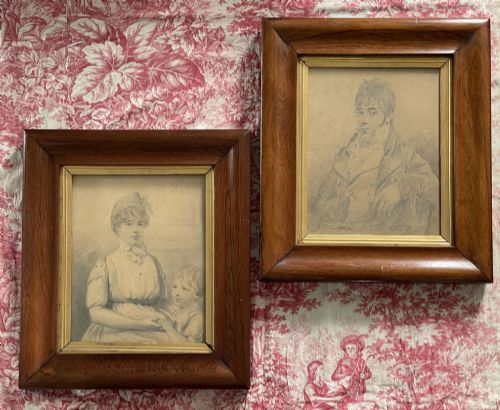
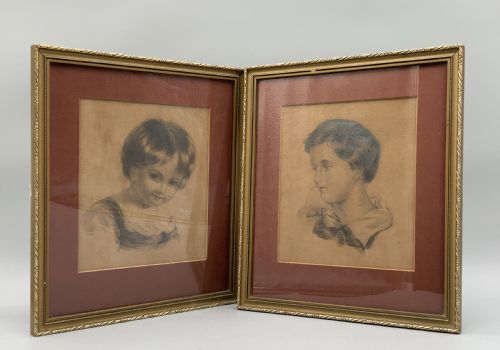
A georgian pencil sketch offers a direct window into historical portraiture and landscape, recorded through original works on paper. Buyers seeking this phrase find framed artwork, miniature portraits, and architectural studies originating from the eighteenth century through the Regency period.
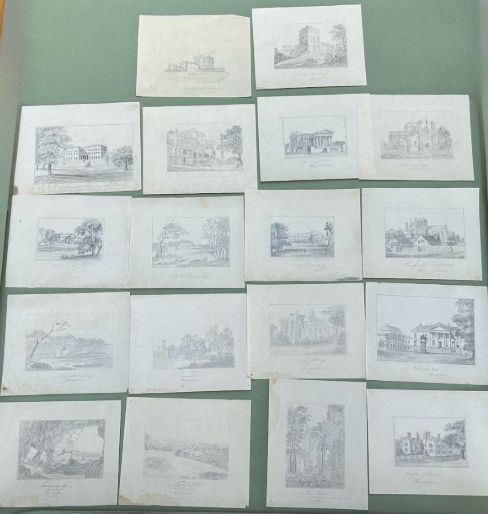
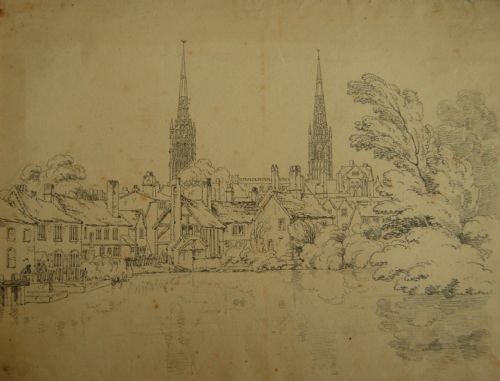
The selections span intimate portrayals of family groups, architectural studies of locations such as Kilmainham Gaol, and landscape views from Hampshire. These pieces range from rapid preparatory drawings to finished portraiture executed with graphite and occasional touches of watercolour.
Most examples hail from the 18th Century and 1800, with later nineteenth-century interpretations also appearing on paper. These drawings preserve the immediate touch of the artist's hand before the widespread standardisation of photographic reproduction.
Materials and technique
Draftsmen relied primarily on graphite and plumbago applied directly to paper supports. These materials allowed for delicate shading, fine linear precision, and tonal depth within small-scale compositions.
Georgian Pencil Sketch Retail Price Guide 2026
Typical asking prices for georgian pencil sketch among the pieces listed under this phrase on Sellingantiques today, from the lower quarter to the upper quarter. They describe what is for sale here now, not the wider market.
Object forms include framed artwork, miniature portraits, architectural studies, and landscape drawings.
Distinguishing quality
Quality rests upon the sureness of the draughtsmanship and the psychological depth captured in a portrait or the topographical clarity of a landscape. Confident, economical lines distinguish accomplished handwork from stiffer, hesitant amateur efforts.
The integrity of the paper support and the preservation of the delicate graphite medium dictate the overall standard. Contemporary or period framing with gold leaf complements the historic nature of these works on paper.
James Ferguson·Sir Francis Leggatt Chantrey·Ozias Humphry·Sir Nathaniel Dance-Holland·Henry Edridge·Sir William Charles Ross
The Georgian Pencil Sketch Glossary
- Plumbago
- An early term for graphite used as a drawing medium. Plumbago drawings are typically monochromatic portrait miniatures executed with meticulous detail.
- Graphite
- A form of carbon used to create pencil drawings on paper. It provides the primary tonal medium for these historical sketches.
- Works on paper
- A collective category encompassing drawings, sketches, and watercolours. This term groups items where the primary support is paper rather than canvas or panel.
- Regency
- A stylistic period spanning the early nineteenth century. Works from this era often exhibit refined neoclassical influence in portraiture.
Georgian Pencil Sketch: Frequently Asked Questions
How should I frame an old pencil drawing?
Historic works on paper require conservation-grade mounting materials to prevent acid migration from backing boards. Keeping the drawing away from direct sunlight preserves the graphite and paper.
Ensure the glass does not touch the surface of the paper directly to avoid condensation damage. Proper sealing protects the delicate medium from atmospheric moisture.
Are these drawings signed by the artists?
Some pieces feature contemporary signatures, monograms, or studio stamps, while others remain entirely unattributed. Attributions often rely on period inscriptions, stylistic comparison, or historical provenance.
Unsigned works from the period remain common, as many sketches were created as private studies or family records rather than commercial exhibition pieces.
What is the difference between plumbago and pencil?
Plumbago refers specifically to the pure native form of graphite utilised extensively for detailed miniature portraits during the seventeenth and eighteenth centuries. The term describes both the material and the distinct style of miniature drawing.
Pencil drawings encompass a broader range of nineteenth-century graphite work on paper, often employing softer leads for looser, more expressive landscape or architectural studies.
How do I identify a Regency sketch?
Regency sketches typically display the characteristic hairstyles, high-waisted fashions, and neoclassical restraint of the early nineteenth century. The portraiture often focuses on family members or public figures rendered in crisp graphite lines.
Paper stocks and framing styles from the period provide additional context for dating these works accurately alongside stylistic indicators.