



Cream Paper Classical Print
These cream paper classical print works capture neoclassical architecture and myth, offering a refined wall display for interiors.
Cream Paper Classical Print
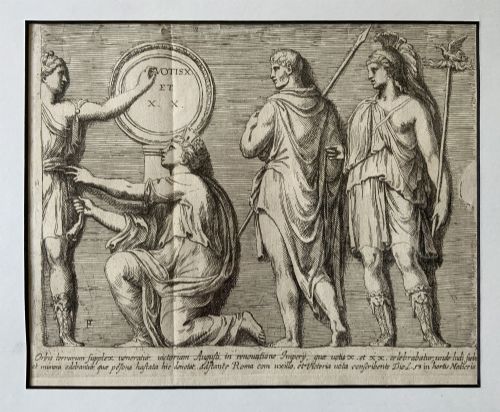
A cream paper classical print brings neoclassical architectural subjects and mythological figures into interior spaces. Buyers seeking a cream paper classical print encounter works originating primarily from the eighteenth century, alongside nineteenth century lithographs and items dated around eighteen hundred.
Originating within Grand Tour and neoclassical traditions, these pieces reflect eighteenth century and nineteenth century aesthetic interests in antiquity. The forms available include framed prints, framed artwork, and individual engravings on paper.
Materials and production
Works of cream paper classical print utilise ink applied to paper surfaces, capturing fine lines of architectural and figurative subjects. Frames incorporate wood, glass, gilt, and paint to protect and display the prints.
Printmakers employed engraving techniques on metal plates to produce detailed architectural renderings and mythological scenes. Lithography appears in nineteenth century sets depicting subjects such as the months.
Current listings feature paper, ink, wood, glass, gilt, and paint across eighteenth and nineteenth century periods.
Assessing quality
Quality in a cream paper classical print depends upon the crispness of the engraved lines and the tonal depth of the ink. Plates executed by skilled engravers exhibit superior definition in architectural details and figurative elements.
The condition of the paper surface and the integrity of framing materials contribute to the overall presentation. Complete sets and works by documented hands command greater attention from collectors.
James Basire·Giovanni Ottaviani·Adam Buck
The Cream Paper Classical Print Glossary
- Engraving
- A printmaking technique where an artist cuts lines into a metal plate to hold ink. This method produces precise details found in architectural prints.
- Lithography
- A planographic printing process utilising stone or metal plates based on the repulsion of oil and water. Nineteenth century sets on this page utilise this technique.
- Neoclassical
- A style reviving classical antiquity in art and architecture during the eighteenth and nineteenth centuries. It defines the aesthetic of these architectural engravings and mythic prints.
- Grand Tour
- A traditional trip through Europe undertaken by upper class Europeans to study classical art and architecture. Items reflecting this tradition include views of Athens and Rome.
- Architectural print
- An illustration focusing on buildings, ruins, and classical structures. These form a major portion of the eighteenth century engravings listed here.
Cream Paper Classical Print: Frequently Asked Questions
What periods do these prints date from?
The pieces span the eighteenth century and the nineteenth century, including works specifically dated around eighteen hundred and seventeen fifty.
This timeframe encompasses both neoclassical production and later nineteenth century lithographic series.
How should I frame and display them?
Ensure prints are protected behind glass with adequate spacing from the paper surface to prevent environmental damage.
Pairing matching engravings or displaying series together maintains the classical symmetry intended by their creators.
What subjects do the engravings show?
The imagery focuses on neoclassical architecture, ancient temples in Athens, and mythological Greek and Roman gods.
Other subjects include architectural elements from the Doric portico and allegorical representations of the twelve months.
Are these prints offered in sets?
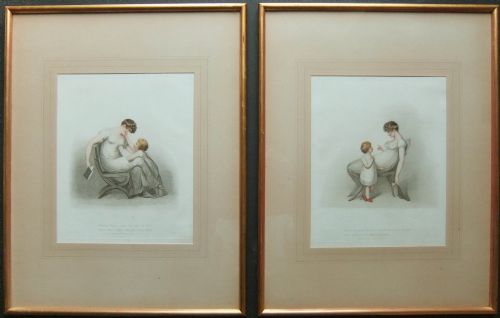
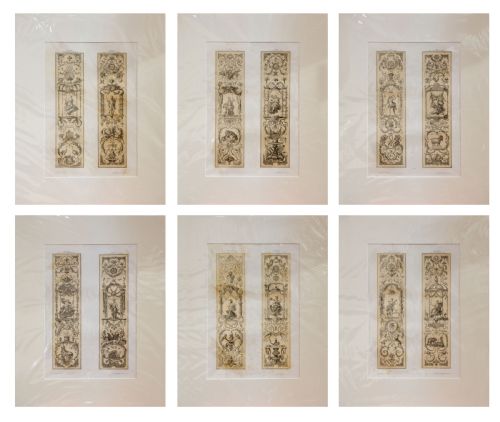
Listings include both individual plates and coordinated groups such as pairs and larger series of architectural engravings.
Sets of six or eight plates provide a cohesive display for wall decoration.