

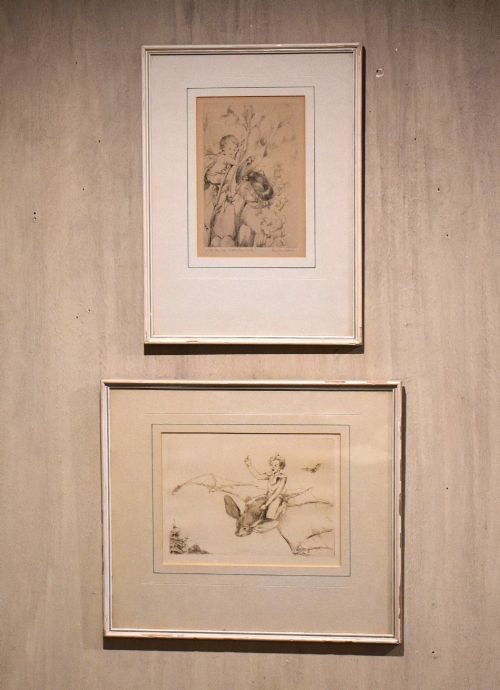
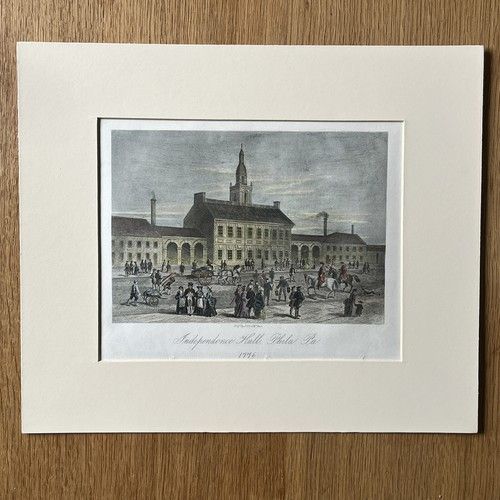
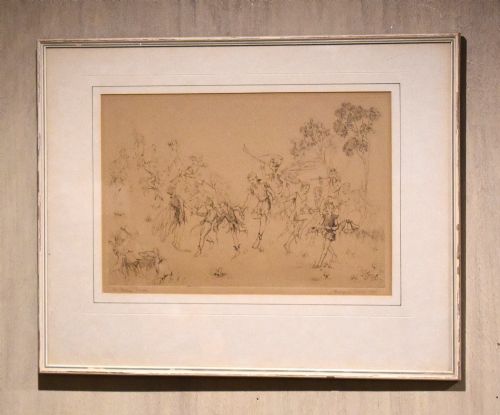
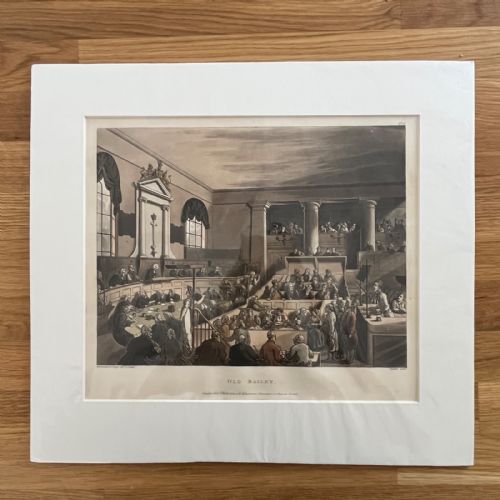
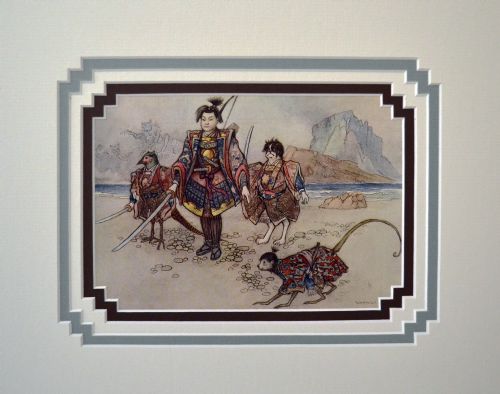
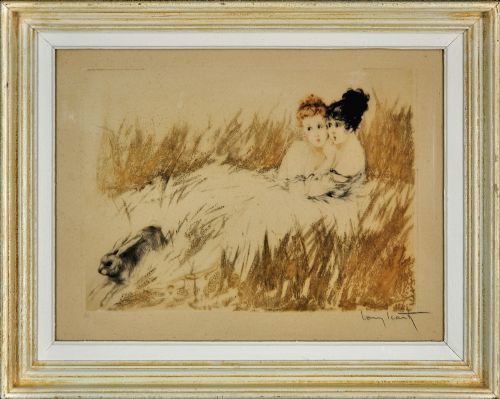

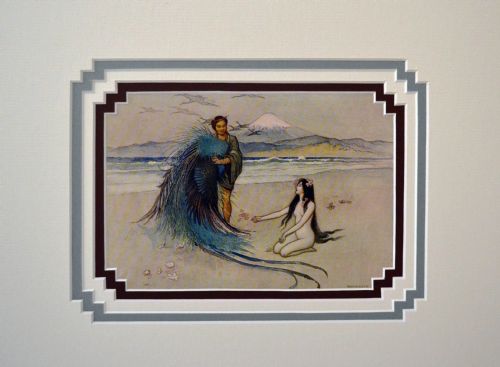
Cream Paper Artwork Print
Cream paper artwork print items span centuries of etching, lithography and watercolour, bringing historic illustration and cartography directly to your walls.
Cream Paper Artwork Print
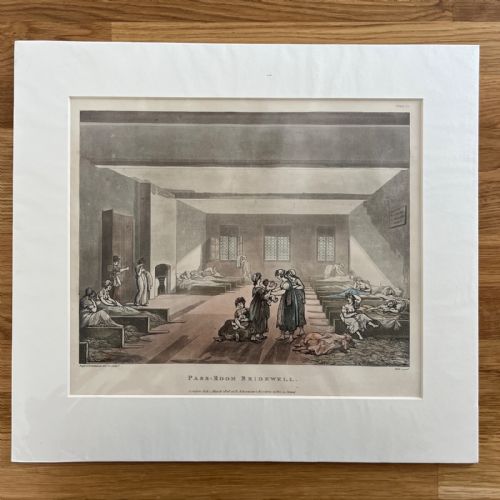
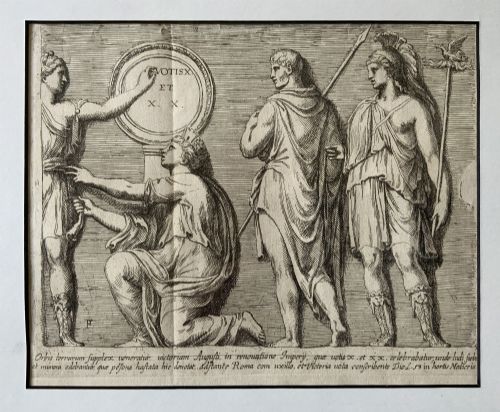
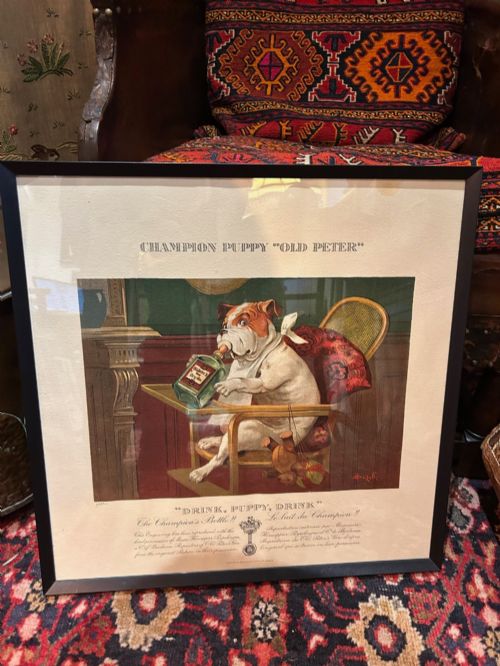
When you search for cream paper artwork print, you encounter historic prints, engravings, etchings and watercolours on aged paper supports. These works range from seventeenth-century Roman baroque etchings to twentieth-century sports posters and botanical studies.
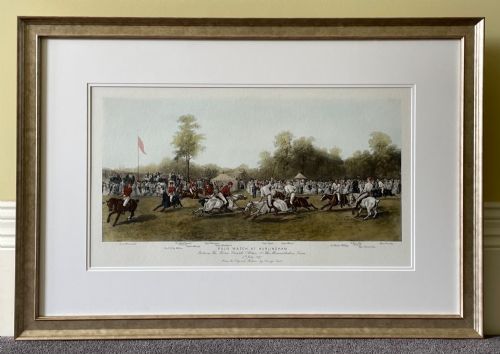
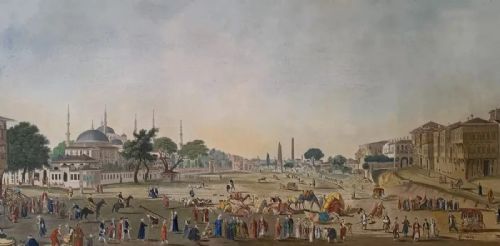
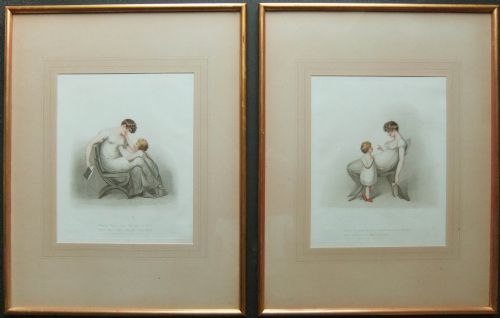
The selections on this page lean heavily towards nineteenth and early twentieth-century illustrations, Japanese fairy tale editions, and eighteenth-century architectural and map plates. Framed examples dominate, preserved behind glass within wooden frames.
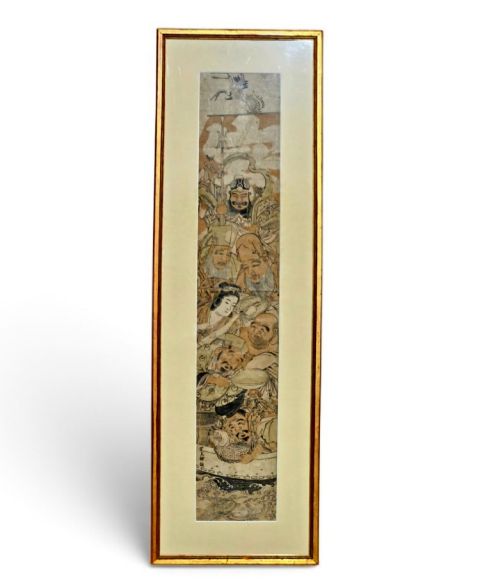
Makers and artists span British illustration, French advertising, and Japanese woodblock traditions, offering diverse visual narratives from distinct historical periods.
How they were made
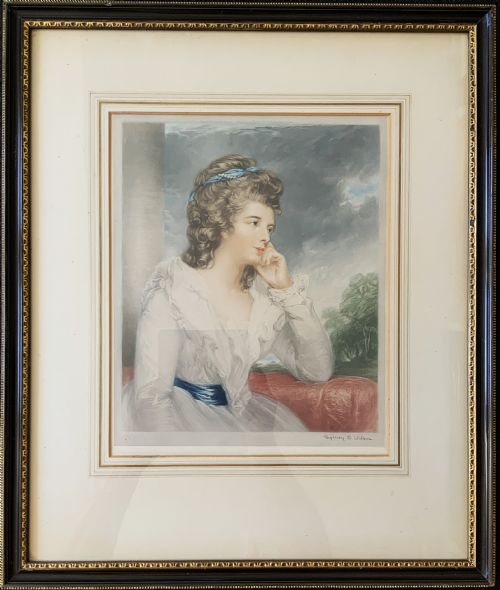
The physical objects rely primarily on paper or cardboard supports inscribed using ink, watercolour or gold leaf. Printmakers utilised techniques such as etching, lithography, mezzotint and stipple engraving, often applying hand colouring to monochrome impressions.
Framing materials integrate wood and glass to protect fragile paper surfaces from atmospheric moisture and handling damage.
Cream Paper Artwork Print Retail Price Guide 2026
Typical asking prices for cream paper artwork print among the pieces listed under this phrase on Sellingantiques today, from the lower quarter to the upper quarter. They describe what is for sale here now, not the wider market.
The listings span from the 17th century to the 1950s, utilising paper, ink, watercolour, and wood.
What varies in quality
The distinction between ordinary and exceptional examples rests on the crispness of the ink impression and the preservation of the paper tone. Early pulls from copper plates retain fine cross-hatching that later impressions lose.
Original hand colouring displays deliberate brushwork and pigment stability, whereas faded or later tinted versions lack tonal depth. The integrity of the original margins and authentic period framing further separate standard decorative prints from museum-grade archival items.
Marjorie L Davies·François Perrier·Katsukawa Shunshō·Louis Icart·Warwick Goble·Louis Wain·Thomas Worth
The Cream Paper Artwork Print Glossary
- Etching
- A intaglio printing method where acid bites lines into a metal plate. Artists use this technique to achieve fine, fluid linear details.
- Lithography
- A planographic printing process based on the repulsion of oil and water. This method captures painterly marks and tonal gradations effectively.
- Mezzotint
- A tonal engraving method where the metal plate is roughened to hold ink. It produces rich dark areas and subtle gradations of light.
- Stipple engraving
- A technique using dots to create fine tonal nuances rather than continuous lines. It mimics the softness of chalk drawings.
- Cartography
- The science or practice of drawing maps. Antique examples often incorporate decorative cartouches and hand-tinted borders.
Cream Paper Artwork Print: Frequently Asked Questions
How do I care for antique paper prints?
Keep framed pieces away from direct sunlight to prevent the ink and paper support from fading. Maintain stable room temperatures to avoid humidity changes that warp paper.
Ensure backing boards are acid-free if you ever need to replace the framing materials. Handle unframed sheets by the edges wearing clean cotton gloves.
How do I identify a reproduction from an original print?
Examine the surface under a magnifying glass to check for a modern dot matrix pattern. Antique impressions show plate marks and slight paper indentations.
Original works display ink that sits slightly raised on the paper surface rather than soaking uniformly flat into modern wood-pulp stock.
What is hand colouring on an engraving?
Hand colouring involves the application of watercolours or washes to a printed monochrome image by hand. Artisans tinted botanical studies, maps, and satirical prints to enhance visual appeal.
Inspect the pigment under magnification to see subtle brush strokes and colour pooling within the engraved boundaries.
Can I hang these prints in a hallway?
Hallways experience temperature fluctuations and traffic vibrations that test delicate paper works. Glazed framing shields the surface from dust and accidental contact.
Position the artwork away from direct doorways and moisture-prone areas like kitchens or unventilated bathrooms to preserve the paper.