



Regency Period Framed Print
These regency period framed print selections bring early nineteenth-century charm to your walls through hand-coloured engravings, watercolours, and delicate stipple work.
Regency Period Framed Print
A regency period framed print brings authentic nineteenth-century imagery into modern interiors, capturing subjects from domestic family scenes and children to botanical studies and spirited sporting moments. When searching this phrase, buyers encounter wall art originating primarily from the Regency era and the broader nineteenth century, alongside occasional later pieces.
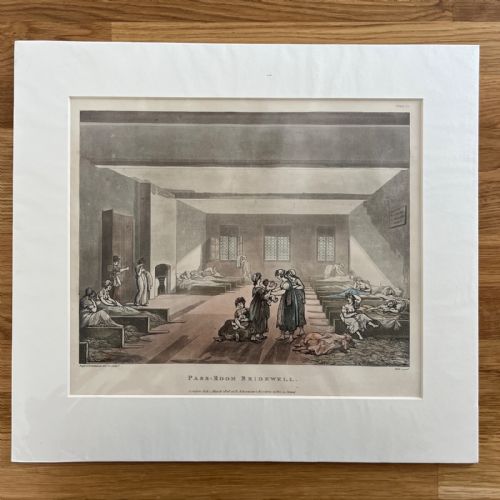
Makers and artists associated with these works include established names like Adam Buck, George Romney, H. Singleton, and Henry Corbould. These pieces span portraits, satirical caricatures, and narrative domestic moments that define the visual culture of the period.
Materials and Techniques
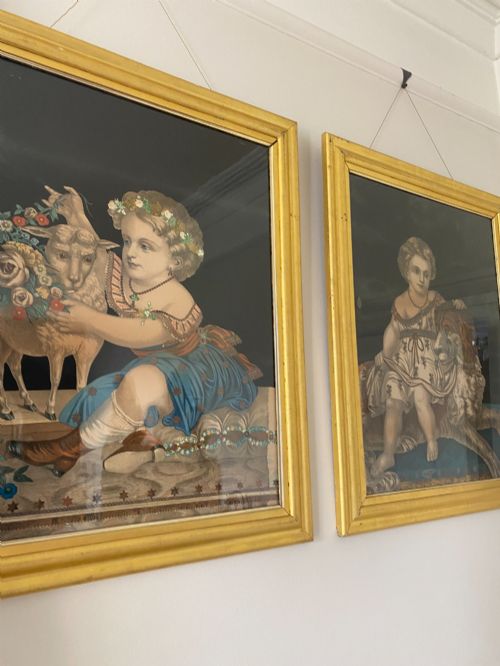
The physical construction of these pieces relies on traditional paper supports bearing engraved, etched, or mezzotint impressions that are frequently enhanced with hand-colouring or watercolour washes. Metal embellishments sometimes appear on clothing details within the imagery, adding a tactile element to the paper surface.
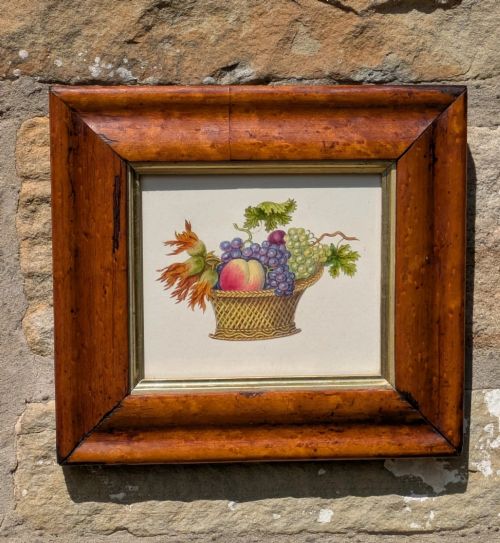
Frames are constructed from wood, including maple veneer and giltwood or gilt wood finishes, protecting the paper beneath glass panes. These framing materials reflect the aesthetic preferences of the nineteenth century and subsequent periods of display.
Regency Period Framed Print Retail Price Guide 2026
Typical asking prices for regency period framed print among the pieces listed under this phrase on Sellingantiques today, from the lower quarter to the upper quarter. They describe what is for sale here now, not the wider market.
Listings span the Regency era, the broader nineteenth century, and nineteen-thirties pieces, utilising paper, glass, gilt wood, and maple veneer.
Assessing Quality
Quality in these works rests upon the crispness of the original impression and the delicacy of any hand-applied tinting or watercolour work. Engravings pulled early from a plate display sharper lines and finer detail than later strikes.
The integration of period framing, such as Hogarth mouldings or original maple veneer surrounds, contributes to the overall character and integrity of the piece. Preservation of the paper surface, minimal toning, and the presence of documented artists elevate the standing of individual works.
Adam Buck·George Romney·H. Singleton·Henry Corbould
The Regency Period Framed Print Glossary
- Engraving
- A printmaking technique where an artist cuts lines directly into a metal plate with a burin. This process produces sharp, precise lines that hold up well to hand-colouring.
- Mezzotint
- A tonal printmaking method that achieves rich dark areas and subtle gradations of light without relying on line. It was frequently used for portraits and romantic subjects during the Regency era.
- Stipple engraving
- A technique using dots rather than continuous lines to create soft tonal gradations and flesh tones. It is particularly characteristic of classical Regency portraiture.
- Hogarth frame
- A narrow, stepped wooden frame finished with a dark lacquer or gilding, popular for prints and watercolours. It provides a distinct profile that flatters eighteenth and nineteenth-century works on paper.
- Maple veneer
- A thin decorative layer of maple wood applied to a core structure for framing or furniture. Its distinctive bird's-eye or striped grain offers a warm border for period prints.
Regency Period Framed Print: Frequently Asked Questions
What subjects appear on these prints?
The subjects range from portraits of children and family scenes to botanical fruit studies, military pairs, and satirical water colour caricatures. Artists of the period frequently depicted domestic narratives and sporting moments.
Many of these works were issued in pairs or series, telling a visual story across multiple framed pieces. This variety reflects the diverse interests of nineteenth-century households.
How should I hang framed paper art?
Framed works on paper require placement away from direct, harsh sunlight to prevent fading of the delicate watercolours and hand-tinted inks. Maintaining stable indoor humidity levels also protects both the paper substrate and the wooden frames.
Grouping pairs or series together, such as the works by Adam Buck or Henry Corbould, creates a balanced display on a wall. Ensure the hanging hardware securely supports the weight of the glass and wooden moulding.
Are these pieces original to the Regency era?
The selection includes works produced during the Regency period and the wider nineteenth century, alongside occasional later editions or printings. Examining the paper quality, framing materials, and printing techniques helps identify the period of production.
Signatures or lettering in the plate often attribute the work to specific artists active around eighteen hundred and the subsequent decades. Each listing details the specific period associated with that item.
What is the difference between an engraving and a mezzotint?
An engraving relies on incised lines cut into a metal plate to form the image, resulting in a crisp and defined appearance. Mezzotints build up rich tones and shadows from a roughened plate, creating soft atmospheric effects.
Both techniques provided the foundation for hand-colouring during the nineteenth century. The choice of method influenced the mood and texture of the final framed artwork.