

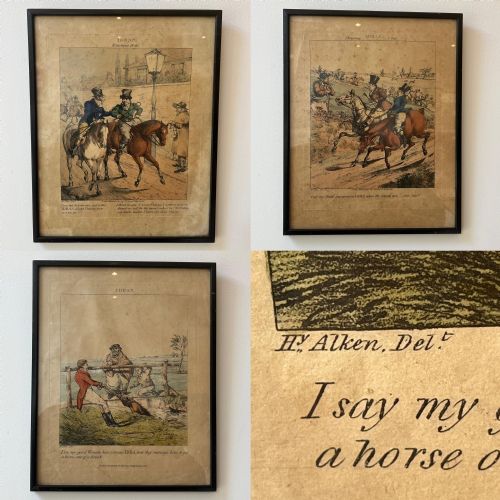
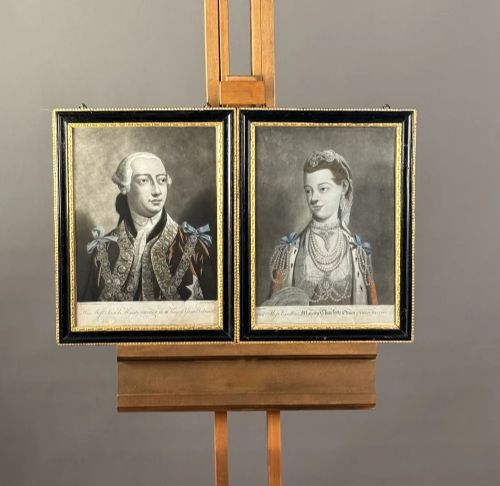
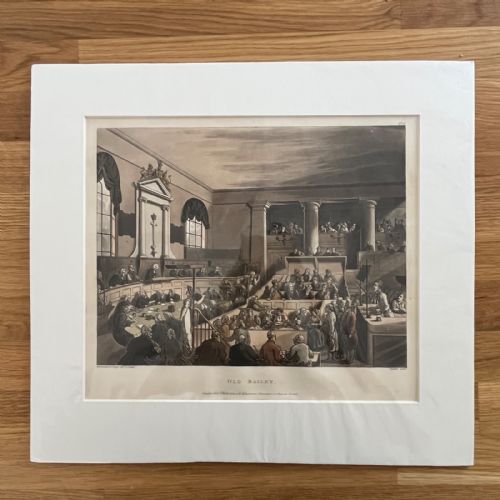
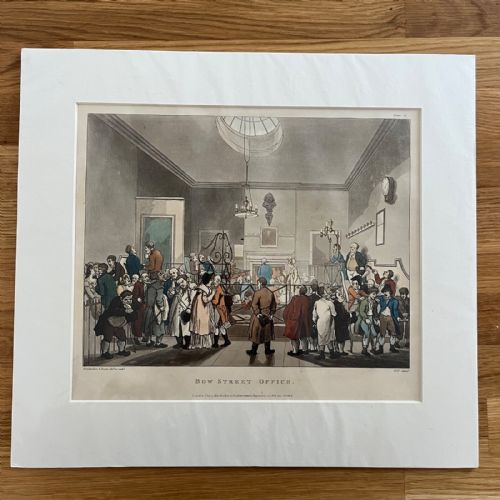




Georgian Hand Coloured Engraving
A georgian hand coloured engraving brings wall art, antique maps and natural history subjects to life with ink and pigment on paper.
Georgian Hand Coloured Engraving
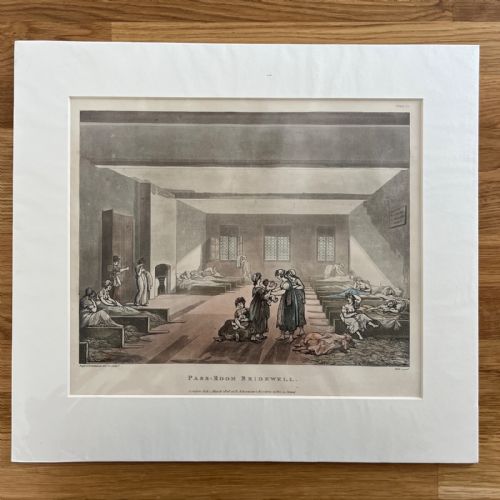
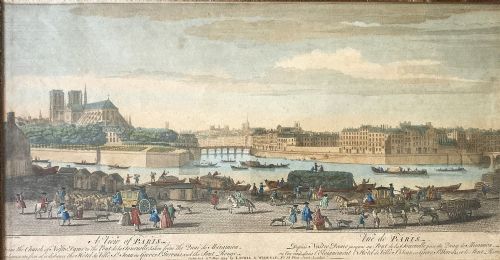
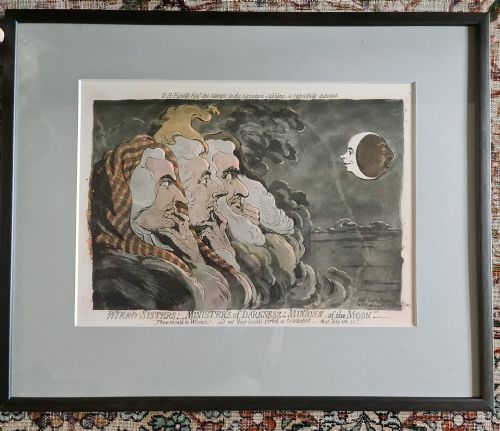
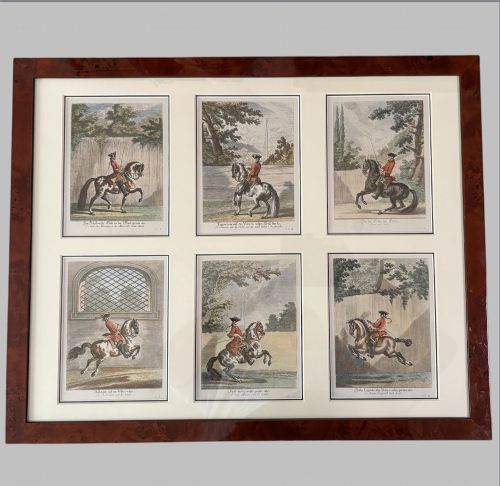
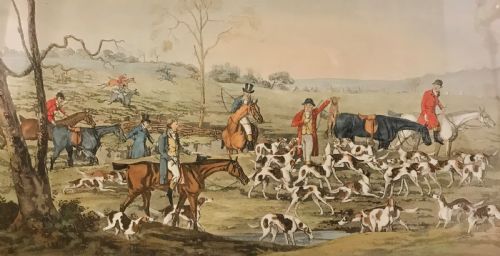
Buyers frequently encounter framed prints housed in wood or gilt wood frames, often complemented by glass. These pieces span portraiture, architectural views of cities such as Paris, and satirical scenes after artists like Hogarth and Gilray.
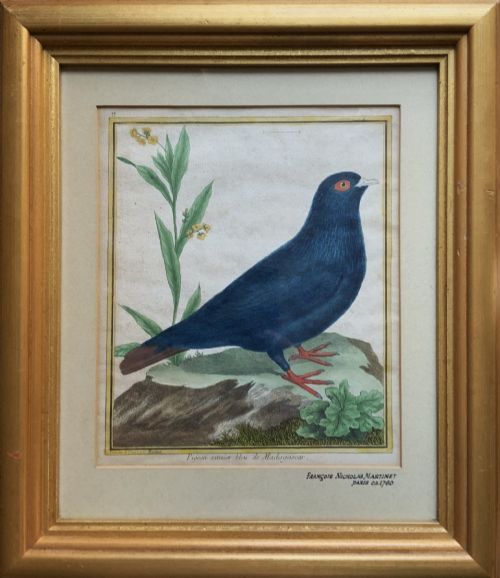
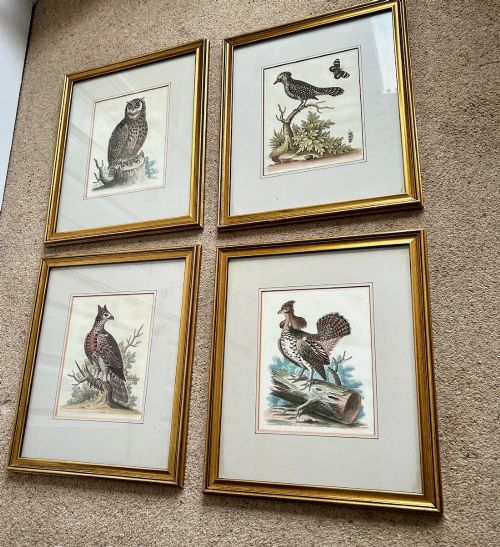
Cartography forms another substantial category, with county maps by makers like Robert Morden and Emanuel Bowen appearing alongside grand tour maps. Natural history plates by ornithologists such as George Edwards also recur across the selection.
How they were made
The foundation of each piece is an inked impression struck from a copper plate onto paper. Artisans then applied watercolour by hand to enhance the lines of the print, adding pigment to botanical subjects, maps and garments.
Framing materials typically include timber, brass fittings and occasionally gold leaf applied to moulding. Glazing protects the delicate paper and watercolour pigments from environmental damage while maintaining visibility.
Georgian Hand Coloured Engraving Retail Price Guide 2026
Typical asking prices for georgian hand coloured engraving among the pieces listed under this phrase on Sellingantiques today, from the lower quarter to the upper quarter. They describe what is for sale here now, not the wider market.
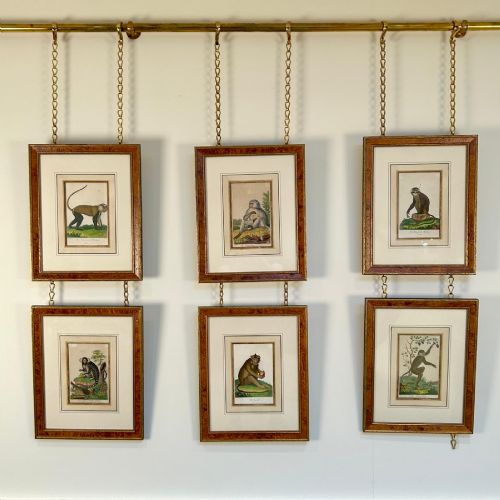
Even eighteenth-century serpents and monkeys required careful hand painting before they were judged ready for the drawing room wall.
What varies in quality
The precision of the original ink impression and the subtlety of the subsequent watercolour washes determine the visual strength of a plate. Skilled colourists applied translucent tints that respected the engraved lines rather than masking them with heavy opaque paint.
The condition of the paper and the completeness of original margins dictate desirability among collectors. Examples retaining crisp plate marks and clear contemporary pigmentation stand apart from faded or heavily trimmed impressions.
François-Nicolas Martinet·George Edwards·Robert Morden·John Cary·Emanuel Bowen·Thomas Kitchin·William Swainson
The Georgian Hand Coloured Engraving Glossary
- Engraving
- A printmaking technique where an artist cuts lines directly into a copper plate using a sharp tool called a burin. The inked plate then transfers the design under pressure onto paper.
- Aquatint
- A variant of intaglio printmaking that produces tonal areas resembling watercolour washes rather than fine lines. It was frequently utilised for topographical views and illustrated books.
- Mezzotint
- A printmaking method where the copper plate is roughened evenly to produce rich dark tones and subtle gradations of light. This technique found favour for portraits and theatrical subjects.
- Cartography
- The study and practice of making maps, represented here through engraved regional and county maps of Britain and Europe. These often include decorative cartouches and hand-tinted boundaries.
- Plate mark
- The indentation left in the paper by the edge of the metal printing plate under heavy press pressure. Its presence confirms an authentic vintage impression.
Georgian Hand Coloured Engraving: Frequently Asked Questions
How should I frame and hang these prints?
Protect antique paper by using UV-filtering glass and acid-free mounting materials when framing.
Keep them away from direct sunlight to prevent the hand-applied watercolour pigments from fading over time.
Are these prints originals from the period?
The selection consists of period impressions printed from engraved copper plates during the eighteenth and nineteenth centuries.
Hand colouring was typically applied at the time of publication or shortly afterwards to enhance the visual detail.
How do I identify the subject of an antique map?
Examine the cartouche, margins and text for place names, publisher details and cartographer signatures.
Many county maps include decorative borders and scale bars that help pinpoint their exact geographic region and era.
What is the difference between an engraving and a lithograph?
An engraving involves incising lines into a hard metal plate, which leaves a distinct plate mark impression on the paper. Lithography relies on a flat stone or metal surface treated to repel ink where no image is required.