




Sepia Paper Architectural Print
A sepia paper architectural print brings structural draughtsmanship and tonal depth to a room, offering a quiet study in classical line and weathered ink.
Sepia Paper Architectural Print
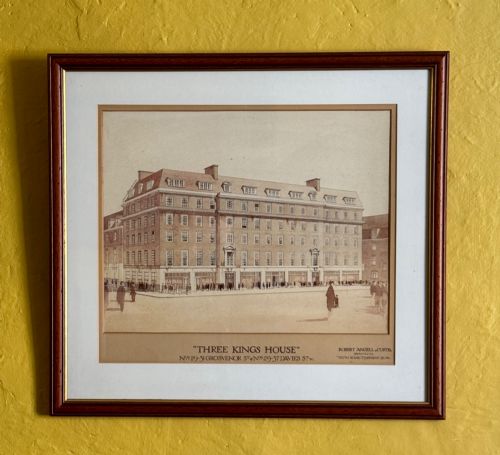
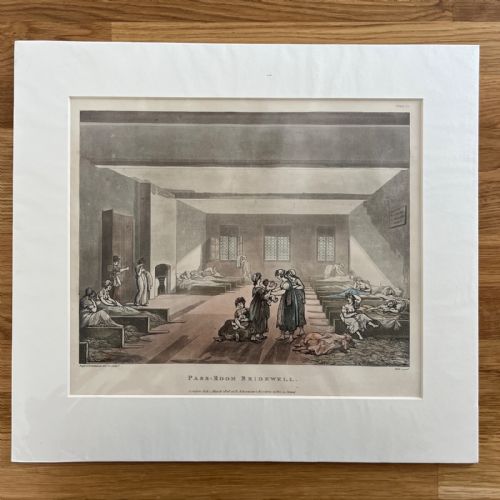
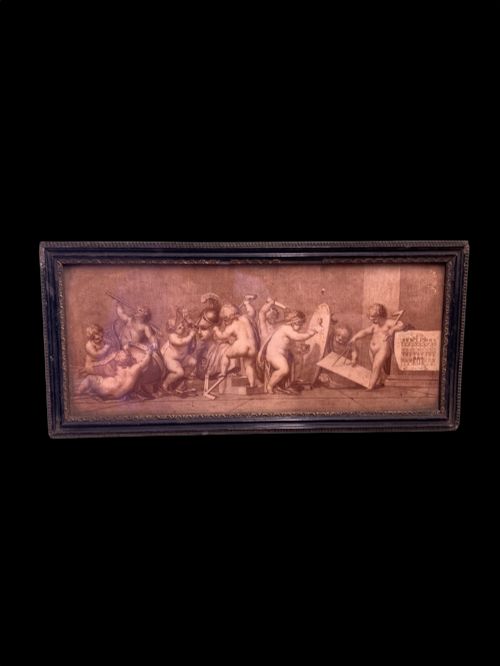
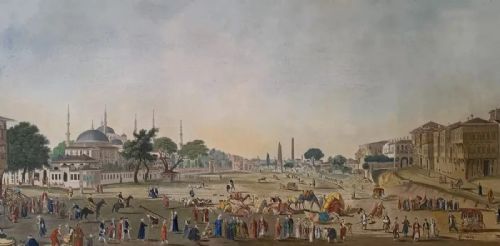
A sepia paper architectural print or related drawing captures building designs, streetscapes, and monumental facades through monochrome ink, watercolour, and charcoal on paper. These works document grand plans and historic structures from the eighteenth, nineteenth, and early twentieth centuries, alongside later mid-century impressions.
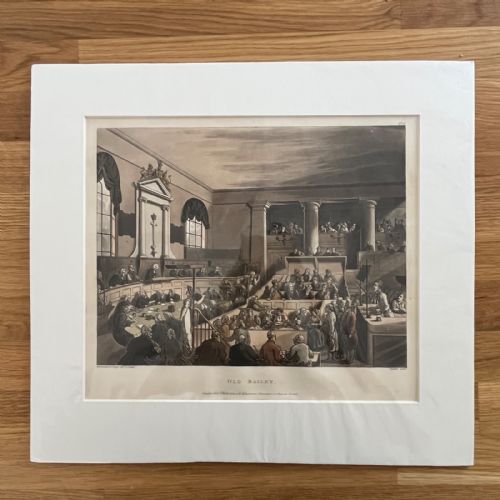
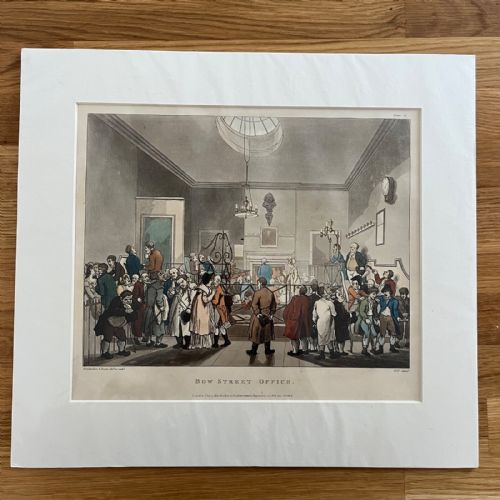
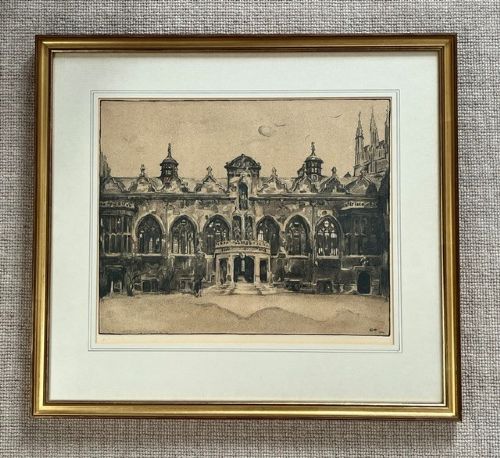
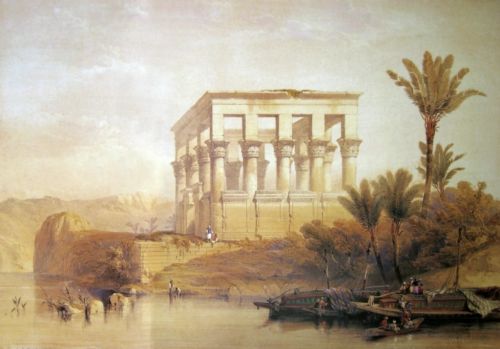
Buyers examining this selection encounter various formats, ranging from large church drawings by named designers to framed lithographs and drypoint etchings of Oxford colleges and bridges. The inventory spans Neoclassical, Gothic Revival, and Art Deco sensibilities, alongside Orientalist subjects and Victorian classical revivals.
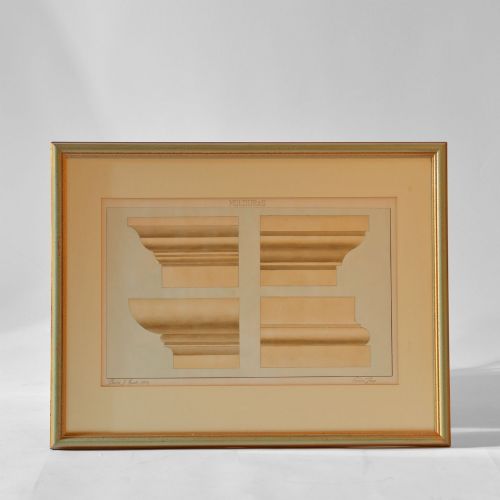
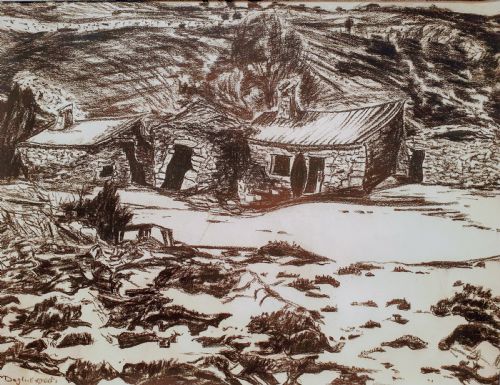
Pieces frequently arrive framed under glass, set within wooden surrounds, sometimes accented with gold leaf. They range from finished professional presentations for institutions like the South Kensington School to atmospheric plein-air studies of farmhouses and temples.
Materials and technique
The foundation of these works rests on various paper stocks, marked by the application of dark ink, watercolour washes, charcoal, or lithographic printing. Draughtsmen and artists utilised precise lines alongside subtle shading to render stone, timber, and shadow with tonal accuracy.
Framing typically involves wood and glass to protect the fragile paper medium from environmental moisture and light degradation. Certain pieces incorporate gold leaf highlights on the surrounding mounts or frames to elevate the presentation of the primary artwork.
Sepia Paper Architectural Print Retail Price Guide 2026
Typical asking prices for sepia paper architectural print among the pieces listed under this phrase on Sellingantiques today, from the lower quarter to the upper quarter. They describe what is for sale here now, not the wider market.
Listings feature works spanning the eighteenth century to nineteen-sixty, encompassing paper, ink, watercolour, charcoal, and gold leaf.
Judging quality and execution
Superior examples display exceptional draughtsmanship and confidence of line, where perspective and structural proportion demonstrate professional architectural training rather than amateur execution. The integration of watercolour or ink washes reveals control over tone, creating depth and atmosphere within the architectural subject.
Condition and provenance further distinguish the range, as works bearing signatures, specific building identifications, or documented educational origins carry greater historical weight. The integrity of the original paper stock and the clarity of the printed or drawn image determine the visual impact of the piece.
The Sepia Paper Architectural Print Glossary
- Drypoint etching
- A printmaking process where an artist scratches a design directly onto a metal plate with a sharp needle, producing a velvety line when inked and pressed onto paper. This technique creates distinct rich burrs along the incised grooves.
- Lithograph
- A planographic printing method based on the mutual repulsion of oil and water, allowing artists to transfer a drawn image from a flat stone or metal plate onto paper. It yields smooth tonal gradations suitable for architectural reproduction.
- Neoclassical
- A style spanning the eighteenth and nineteenth centuries that draws inspiration from the classical art and architecture of ancient Greece and Rome. Works in this aesthetic emphasise symmetry, straight lines, and classical orders.
- Gothic Revival
- An architectural and artistic movement reviving medieval forms, featuring pointed arches, ribbed vaults, and ornate tracery. Pieces reflecting this style often depict churches, universities, and grand municipal buildings.
- Orientalism
- The imitation or depiction of aspects of Middle Eastern and North Asian cultures by Western artists and architects. These representations frequently capture exotic temples, street scenes, and sun-drenched landscapes.
Sepia Paper Architectural Print: Frequently Asked Questions
How should I hang these prints?
Keep works on paper away from direct sunlight and damp walls to preserve the integrity of the ink and paper stock. Use professional framing with UV-protective glass where possible.
Position them at eye level in studies, hallways, or living spaces where the fine architectural details can be studied closely.
What periods do these pieces span?
The selection covers items from the eighteenth century through the Victorian era and into the early and mid-twentieth century. Styles shift from neoclassical discipline to Gothic revival grandeur and later twentieth-century charcoal impressions.
Each era brings distinct paper types and printing or drawing techniques that reflect the prevailing aesthetic of the time.
Are these works hand-drawn?
The inventory contains a mix of original hand-drawn architectural watercolours, charcoal sketches, and ink designs alongside printed works such as lithographs and etchings. Each listing specifies the exact medium used by the creator.
Hand-drawn examples often include working notes, dimensions, or institutional stamps from places like the South Kensington School.
How do I identify a school project?
Nineteenth-century student drawings frequently feature detailed elevations or plans accompanied by handwritten inscriptions detailing the designer's name, age, and institution. These works offer a fascinating glimpse into historical architectural training methods.
They are distinguished by meticulous ruling and careful shading intended to satisfy academic examination standards.