

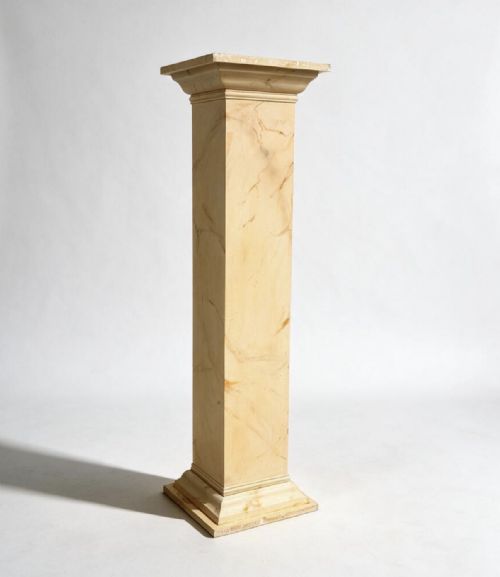
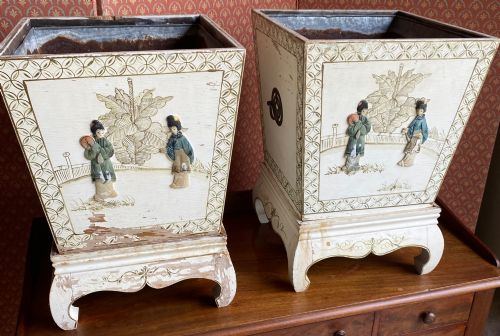
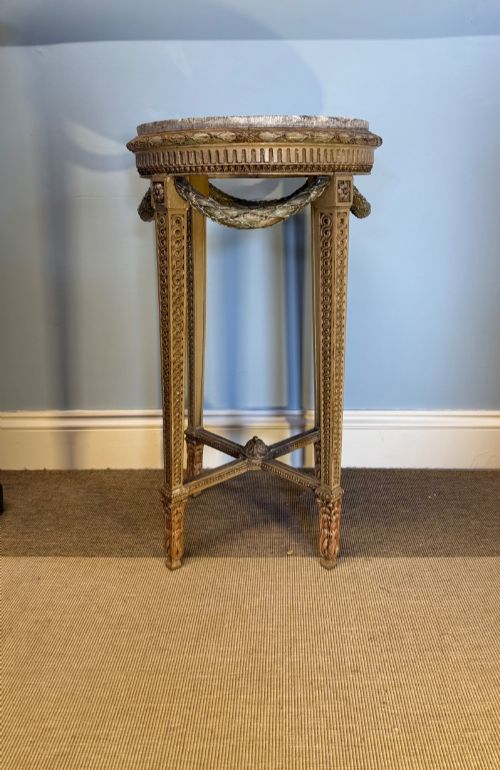
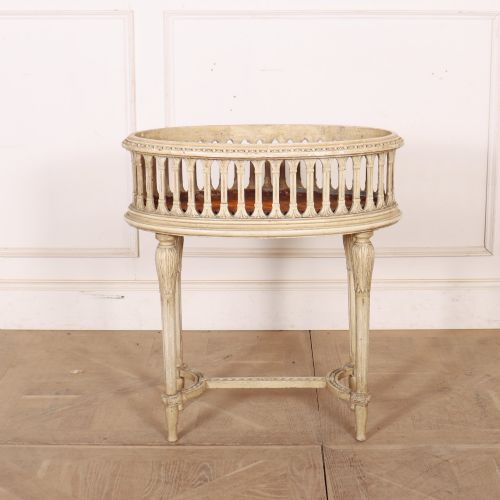

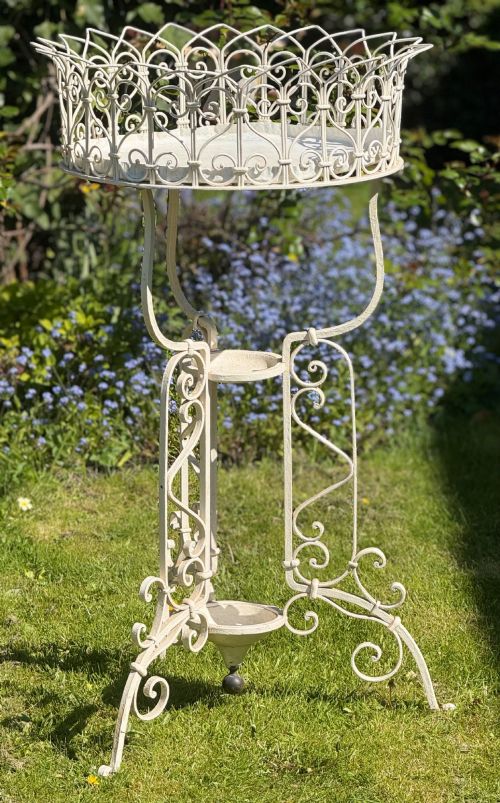


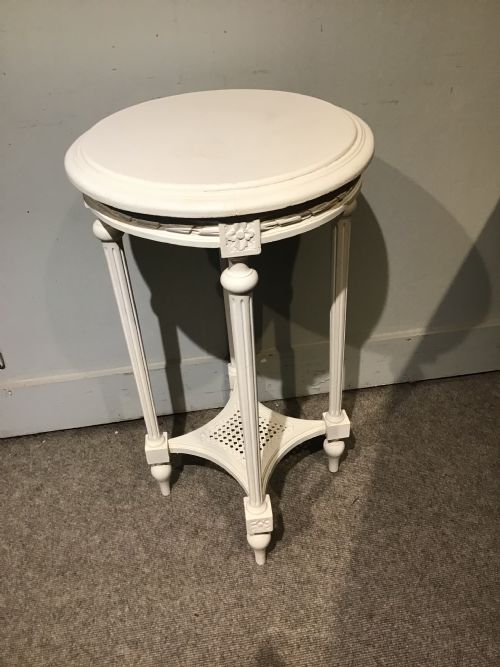


Cream Painted Plant Stand
A cream painted plant stand elevates greenery with classical proportion and subtle colour, bringing architectural grace into any room.
Cream Painted Plant Stand
A cream painted plant stand serves as a sturdy platform for ferns, floral arrangements, or sculptural vessels inside the home or garden. When searching for a cream painted plant stand, buyers encounter a variety of forms ranging from tall columns to low side tables.
The selections span multiple eras including the Victorian and Georgian periods, alongside pieces from the 1900s, 1910s, 1920s, and 1930s. Common structural forms include pedestals, plinths, jardinieres, and cylindrical sculpture stands.
Origin styles lean towards neoclassical revivals, Louis XVI, Gustavian, Venetian, and English country aesthetics. Most examples integrate painted wood surfaces, while others incorporate marble tops or wrought iron frameworks.
How they were made
Makers constructed these stands using timber such as pine and hardwood, often shaping supports with turned wooden elements or casting decorative details in gesso and plaster. Artisans then applied layers of paint to achieve a smooth cream finish, sometimes embellished with gold leaf highlights or faux marble effects.
For outdoor or robust usage, workshops utilised wrought iron and terracotta to build resilient plant holders and garden jardinieres. Stonework and marble slabs frequently formed durable tops capable of withstanding moisture from potted plants.
Cream Painted Plant Stand Retail Price Guide 2026
Typical asking prices for cream painted plant stand among the pieces listed under this phrase on Sellingantiques today, from the lower quarter to the upper quarter. They describe what is for sale here now, not the wider market.
Several stands doubled as subtle indoor display stages for ambitious Victorian fern enthusiasts who treated parlor botany as high theatre.
What varies in quality
Quality reveals itself in the harmony of proportions and the execution of the surface finish. Finer pieces display carefully mixed paint layers that show authentic age without obscuring underlying wooden or plaster mouldings.
Superior stands feature well-fitted marble inserts, stable turned columns, and securely joined bases that support heavy urns without wobbling. Lesser examples rely on hasty surface coats over plain timber with minimal attention to architectural detail.
The Cream Painted Plant Stand Glossary
- Jardiniere
- An ornamental pot or stand for holding plants or flowers. These vessels often sit atop dedicated pedestals or floor stands.
- Plinth
- The heavy base supporting a statue, vase, or column. It provides visual stability to taller display stands.
- Gesso
- A plaster-like mixture applied to wood surfaces to create a smooth base for painting or gilding. It allows for crisp decorative moulding.
- Gustavian
- The Swedish interpretation of French neoclassical style, characterised by light paint colours and restrained ornamentation. It dominates many Scandinavian plant columns.
- Neoclassical Revival
- A return to classical Greek and Roman architectural motifs popular during the nineteenth and early twentieth centuries. Pieces in this style often use fluted columns and urn shapes.
Cream Painted Plant Stand: Frequently Asked Questions
What rooms suit a plant stand?
These stands fit naturally into entrance halls, drawing rooms, or bright conservatories where plants receive adequate light. They elevate greenery to eye level and break up flat expanses of wall.
They also serve effectively in corners that require vertical interest or beside windows where trailing foliage can drape downward.
Can these stands hold heavy pots?
Many solid wood, iron, and stone-topped columns easily support substantial ceramic planters and heavy floral arrangements. Robust construction methods ensure stability under significant weight.
Lighter plaster or decorative display stands suit medium-sized ferns and delicate porcelain vessels rather than massive architectural trees.
How do I maintain painted surfaces?
Dust surfaces gently with a soft dry cloth and avoid harsh chemical cleaning products that might strip the aged paint. Place protective saucers beneath pots to prevent water rings.
Keeping timber stands away from direct heat sources prevents the painted finish from cracking or drying out over time.
How do I identify the period?
Examination of the underlying materials, tool marks, and paint degradation helps determine the era of manufacture. Nineteenth-century pieces often display hand-turned timber and layered gesso.
Stylistic cues such as neoclassical fluting or Gustavian motifs also point toward specific historical design revivals and decades.