



Cream Painted Fauteuil
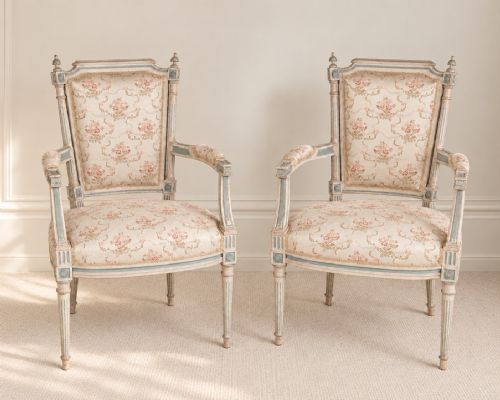
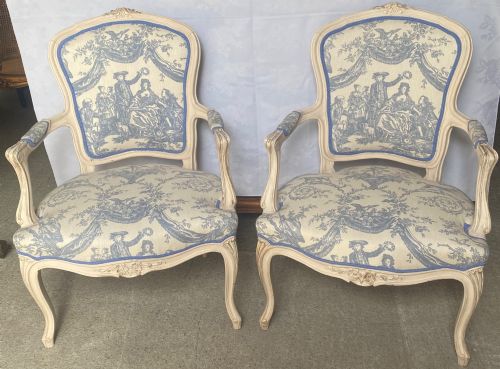
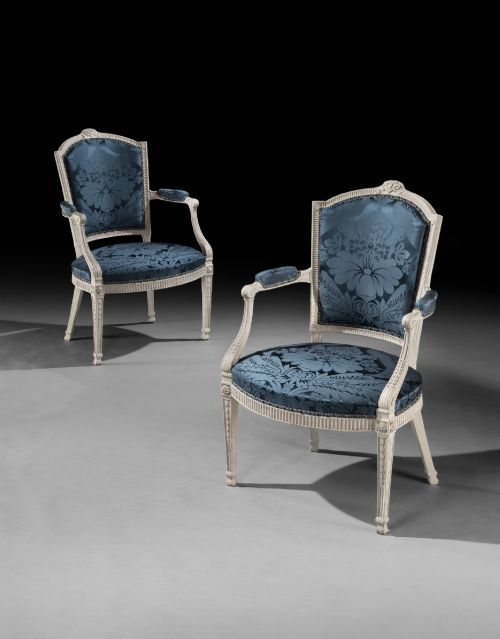
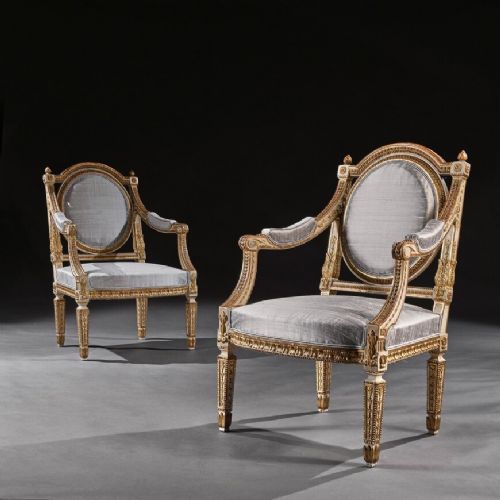
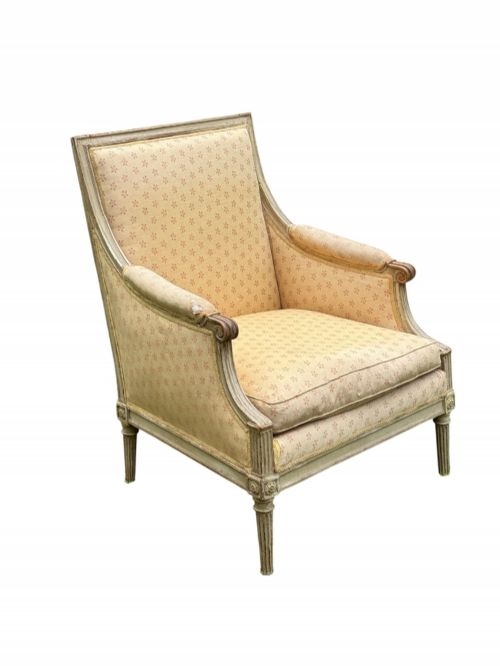
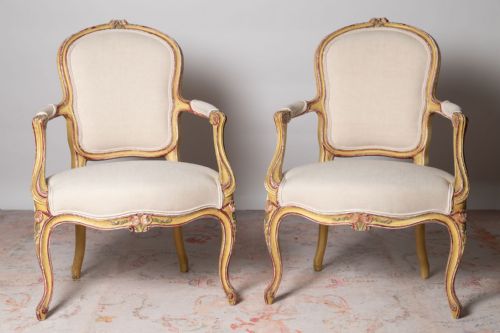
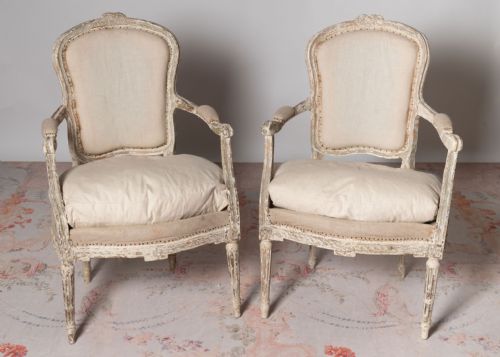
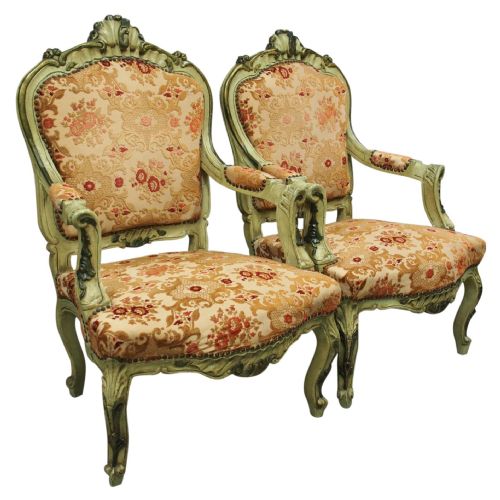
These cream painted fauteuil armchairs bring continental elegance to a room, offering carved wooden frames finished in soft paint alongside upholstered seats.
Cream Painted Fauteuil
When you search for a cream painted fauteuil, you encounter open-armed seating rooted in French and continental design traditions. These armchairs typically feature exposed wooden frames finished in layered paint, often complemented by carved details and upholstered pads.
The selections span multiple periods, ranging from eighteenth-century examples to later nineteenth-century revivals and early twentieth-century interpretations. Most pieces on this page reflect French Louis XV, Louis XVI, or Neoclassical styles, alongside Italian variants.
Makers and workshops across these eras utilised beech, walnut, and gesso to construct durable armchairs designed for salon use. Buyers often find pairs or sets alongside individual chairs upholstered in needlework, linen, or fabric.
How they were made
Cabinetmakers shaped structural timber such as beech and walnut to form the curved rails, cabriole legs, and arched backs characteristic of the fauteuil. Carpenters joined these components using traditional joinery before applying gesso to smooth the wooden surfaces for subsequent decoration.
Artisans layered paint directly onto the prepared timber or gesso ground, sometimes adding gold leaf highlights to accentuate carved mouldings. Craftsmen then secured textile upholstery, including linen and needlework, over padded armrests and seats.
Cream Painted Fauteuil Retail Price Guide 2026
Typical asking prices for cream painted fauteuil among the pieces listed under this phrase on Sellingantiques today, from the lower quarter to the upper quarter. They describe what is for sale here now, not the wider market.
Listings on this page span the eighteenth, nineteenth, and early twentieth centuries, featuring painted wood, gesso, and needlework upholstery.
What varies in quality
The refinement of hand-carved ornamentation on the wooden frame distinguishes finer armchairs from simpler production pieces. Crisp floral motifs, fluted legs, and balanced proportions indicate skilled handwork by period artisans.
The integrity of the original paint surface and underlying gesso determines the historical character of each armchair. Retaining untouched painted finishes rather than modern overpainting preserves the authenticity of the piece.
Henri Jacob
The Cream Painted Fauteuil Glossary
- Fauteuil
- An open-armed upholstered armchair originating in France, distinguished by wooden armrests left partially uncovered by fabric. These chairs were designed for formal sitting rooms.
- Gesso
- A plaster-like mixture applied to wooden furniture frames to create a smooth surface for painting or gilding. This ground layer enhances crispness in carved details.
- Louis XVI
- A neoclassical style of furniture characterised by straight lines, symmetry, and geometric motifs such as fluting and ribbon twists. Pieces from this period contrast with the earlier curved lines of Louis XV design.
- Needlework
- Hand-stitched textile upholstery created using yarn on a canvas mesh ground. Needlework seat covers frequently appear on eighteenth and nineteenth-century salon chairs.
- Parcel Gilt
- A decorative technique where specific carved areas of a painted wooden object receive application of gold leaf. This method creates contrast against the primary painted surface.
Cream Painted Fauteuil: Frequently Asked Questions
Where did fauteuils sit originally?
These open-armed chairs occupied formal salons and reception rooms in large houses, positioned to allow comfortable conversation while wearing the voluminous dress styles of past centuries.
Today, they function effectively as occasional seating in living rooms, bedrooms, or reading corners, adding historical character to modern interiors.
How do I distinguish Louis XV from Louis XVI styles?
Louis XV fauteuils display flowing, asymmetrical curves, cabriole legs, and rococo organic motifs that emphasise fluid movement throughout the wooden frame.
Louis XVI chairs introduce structural symmetry, straight fluted legs, and classical geometric ornamentation reflecting the neoclassical shift in design.
Are original painted finishes common?
Many surviving armchairs retain historical paint layers, though some pieces underwent repainting during later decorative revivals. Close inspection reveals whether the cream paint shows genuine age-related wear or later application.
Original surfaces exhibit subtle craquelure and softening around high-touch areas like the carved armrests.
Can I use these chairs daily?
Period fauteuils were built for domestic use from durable timbers like beech, making them suitable for normal sitting when structurally sound. Regular checks on the joints ensure stability over time.
Modern users often pair them with occasional tables or place them where their decorative carved frames remain visible.