
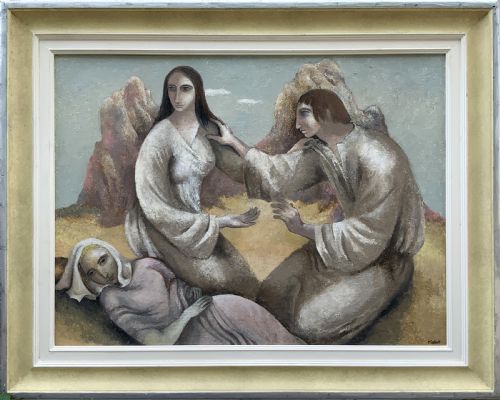


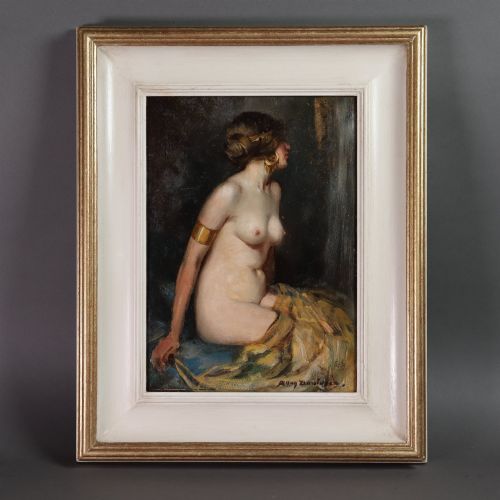


Cream Oil Portrait
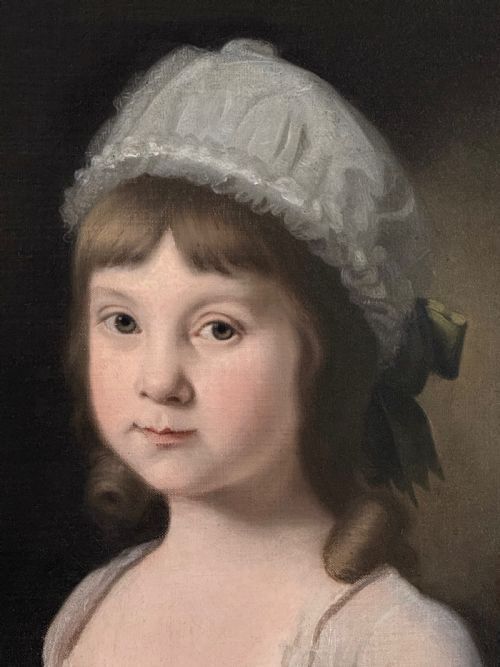
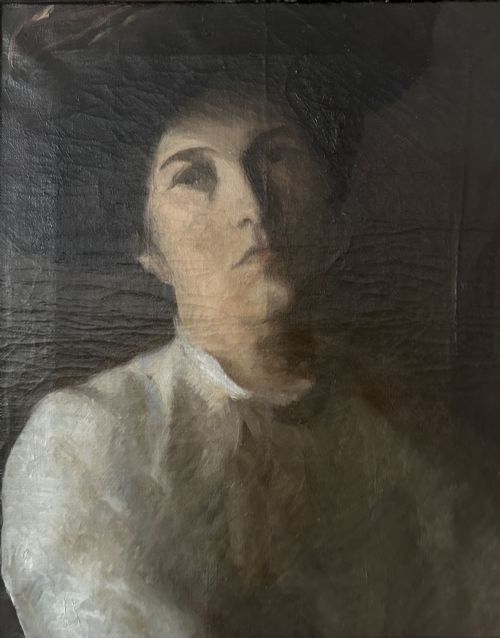
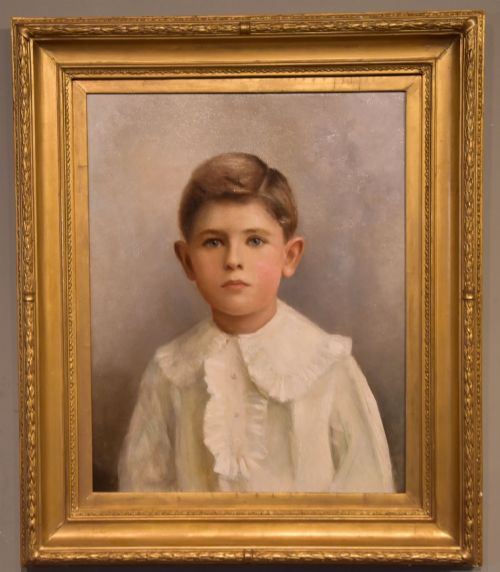
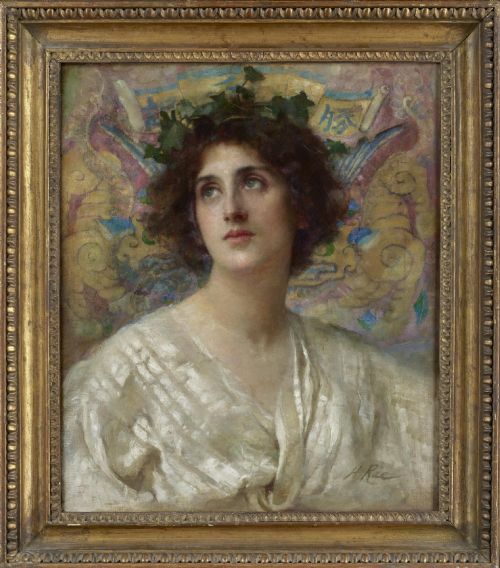
When you search for a cream oil portrait, you are looking for painted character studies rendered in oil on canvas or board.
Cream Oil Portrait
A cream oil portrait captures human and animal likenesses through the medium of oil paint, utilising the soft tones common to historical and mid-century palettes. These works range from formal 18th-century depictions of nobility to informal 20th-century studies of sitters and pets.
The selections available span multiple eras, including Georgian, Victorian, and mid-century periods, presented on canvas, board, or wood supports. Many pieces feature human subjects, while others record spaniels, terriers, and boxers in oil.
Originating from British, French, Italian, and Spanish schools, these portraits reflect diverse regional aesthetics from academic realism to post-impressionist handling. Buyers encounter both signed works by known historical artists and pieces attributed to specific creative circles.
Materials and Technique
Artists built these portraits primarily with oil paint applied to stretched canvas, wooden panels, or board supports, often finished with protective varnish layers. The physical ground supports thick impasto applications alongside thinly glazed passages of warm pigment.
Many historical examples retain their original wooden frames, frequently enhanced with gilt or giltwood ornamentation to complement the composition. The interplay of pigment and supportive ground defines the texture and durability of each surviving panel.
Several canine sitters, including a boxer named Dora and various spaniels, share wall space with Victorian cardinals and French models.
Factors of Quality
The distinction between standard works and exceptional examples lies in the expressive handling of light, shadow, and anatomy by the painter. Superior portraits demonstrate confident brushwork that conveys psychological depth and texture in drapery or fur.
Condition and originality heavily influence the standing of a piece, particularly the stability of the paint layer and the presence of period framing. Works that maintain their early surface integrity without extensive modern intervention command greater interest.
Joshua Reynolds·Henrietta Rae·Attilio Toro·Allan Douglas Davidson·James Clark·John Horsburgh·William Dring
The Cream Oil Portrait Glossary
- Impasto
- Paint applied thickly to a canvas or board, standing out from the surface so that the marks of the brush or palette knife remain visible. This technique adds tactile dimension to clothing or highlights within a portrait.
- Giltwood
- Wood carved and covered with a thin layer of gold leaf or gold paint, commonly utilised for historical picture frames. It provides a reflective border that isolates the oil painting from its surroundings.
- Attributed to
- A designation used when a work shows the style of a specific master but lacks definitive documentation proving direct creation by that hand. It helps classify unsigned or studio-produced historical portraits.
- Post-Impressionism
- An artistic movement following impressionism that rejected its limitations in favour of expressive forms, heavier outlines, and subjective colour use. It appears in twentieth-century examples on this page.
Cream Oil Portrait: Frequently Asked Questions
What periods do these oil portraits cover?
The selection spans from the 18th century through the Georgian and Victorian eras up to mid-century modern works from the 1940s and 1960s.
Each era brings distinct clothing styles, framing techniques, and painting conventions that help date the canvas.
Are animal subjects common in these paintings?
Yes, several listings feature dogs including spaniels, terriers, and boxers, often posed alongside their owners or rendered as the main subject.
Animal portraiture followed similar formal conventions to human portraiture during the 19th and early 20th centuries.
How should I care for an antique oil portrait?
Keep paintings away from direct sunlight, high humidity, and extreme temperature fluctuations to prevent the canvas and paint from cracking.
Dust the surface gently with a dry, soft brush and avoid using chemical cleaning solutions on the aged pigment.
How do I distinguish between an original and a study?
Finished exhibition portraits generally display complete detail, formal composition, and full signatures, whereas studies often show looser brushwork and experimental lighting.
Studies were frequently created as preparatory exercises for larger commissioned works or as independent artistic explorations.