


Cream Ground Oriental Rug
A cream ground oriental rug brings light and distinct regional artistry into a room, offering a pale field that lets intricate motifs breathe.
Cream Ground Oriental Rug
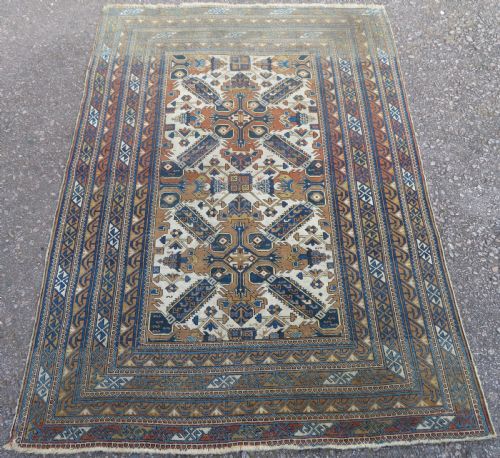
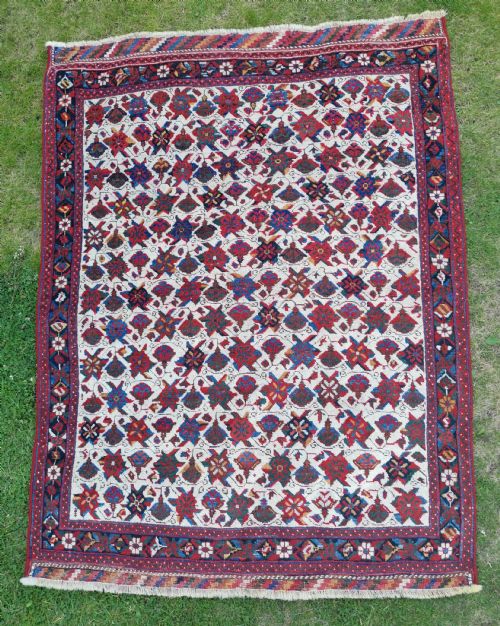
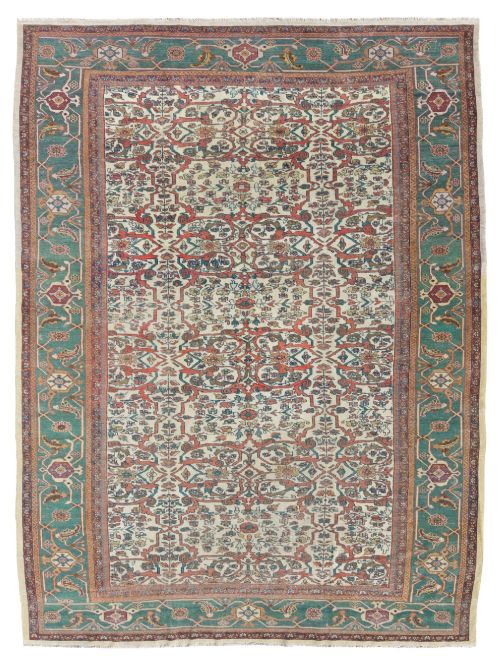
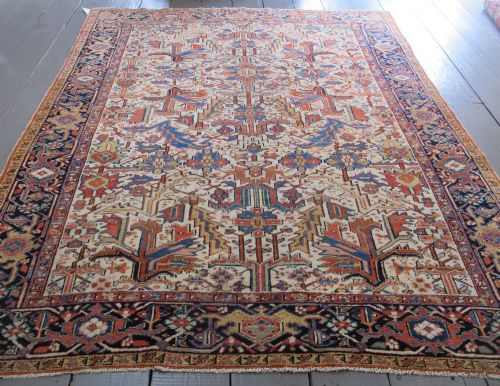
A cream ground oriental rug is defined by a light ivory, pale or cream field that contrasts sharply with the rich dyes of the surrounding motifs and borders. These pieces encompass regional weaving traditions from across Persia and Anatolia, spanning the nineteenth and early twentieth centuries. Buyers encounter diverse regional formats here, ranging from small tribal prayer rugs to large country house carpets.
The selections span distinct weaving centres and styles, including Persian Sultanabad, Heriz, Mahal, Ziegler, Tabriz, Afshar, Malayer, Bakhtiari, Kurdish and tribal workshops, alongside Anatolian Konya, Bergama and Caucasian Shirvan and Dagestan pieces. Many feature specific design elements such as medallions, floral lattices, dragon and phoenix motifs, vases, butterflies and boteh patterns. These rugs provide a neutral yet decorative foundation that suits both traditional and eclectic interiors.
Evaluating Quality and Execution
Quality in these textiles rests upon the precision of the knotting and the handling of the pale field. A superior rug maintains clarity in its ivory or cream ground without muddy colour bleed from surrounding dyed motifs.
The finesse of the drawing in regional designs, whether floral lattices or geometric medallions, separates standard pieces from exceptional examples. Balance in the composition and the integrity of the natural materials further define the upper tier of these rugs.
Geographic origins represented in these selections include Persian, Caucasian and Anatolian tribal and workshop traditions.
The Cream Ground Oriental Rug Glossary
- Field
- The central background area of a rug enclosed by the borders. In these pieces, it is predominantly ivory, cream or pale in tone.
- Medallion
- A large central ornamental design motif placed in the middle of the rug field. Many classic carpet types feature this prominent focal point.
- Boteh
- An almond-shaped or pine-cone motif of Persian origin filled with floral or geometric detailing. It appears frequently in traditional runner and rug designs.
- Warp
- The vertical threads stretched lengthwise on the loom that form the foundation of the rug. The knots are tied around these stationary strands.
- Weft
- The horizontal threads passed back and forth across the warp threads after each row of knots to bind the structure together.
Cream Ground Oriental Rug: Frequently Asked Questions
How do I clean a cream ground rug?
Vacuum gently without a rotating brush roll to prevent pulling the wool fibres. Professional cleaning by a specialist in antique textiles is recommended for deeper maintenance.
Avoid harsh chemical spot treatments that can alter the pale ivory field or bleed the surrounding dyed motifs. Promptly blot liquid spills with a clean, dry white cloth without rubbing.
Where were these rugs made?
The pieces originate from various weaving regions across Persia, the Caucasus and Anatolia. Specific production areas include Sultanabad, Heriz, Mahal, Shiraz, Tabriz and parts of the Caucasus.
Each region utilised distinct local knotting techniques, wool qualities and characteristic colour palettes. These geographic differences give each carpet its particular stylistic identity.
How can I tell different regional styles apart?
Regional styles are distinguished by their specific design vocabulary, colour combinations and structural traits. Caucasian and Anatolian pieces often feature geometric lattices and prayer formats, while Persian carpets display expansive floral medallions or all-over vase patterns.
Examining the knot density, edge finishing and foundation materials provides further clues to a rug's specific origin. Subtle variations in the shade of the ivory field also point to different workshop traditions.