


Cream Glazed Pottery Vase
A cream glazed pottery vase brings together the quiet restraint of neutral tones and the intricate brushwork of the nineteenth and twentieth centuries.
Cream Glazed Pottery Vase
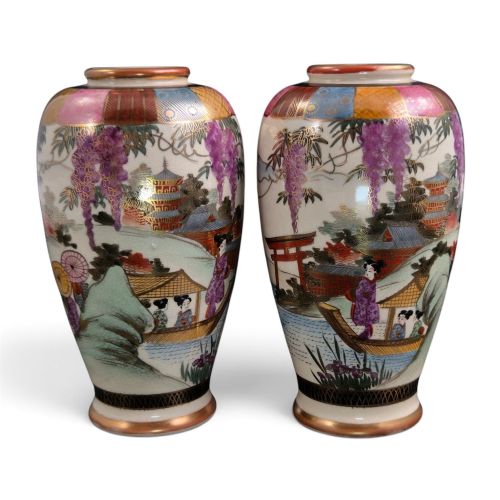
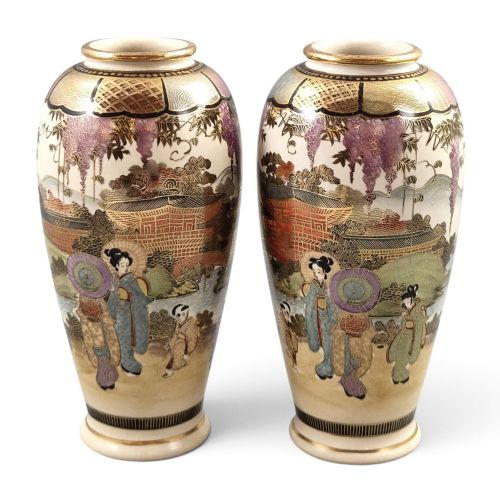
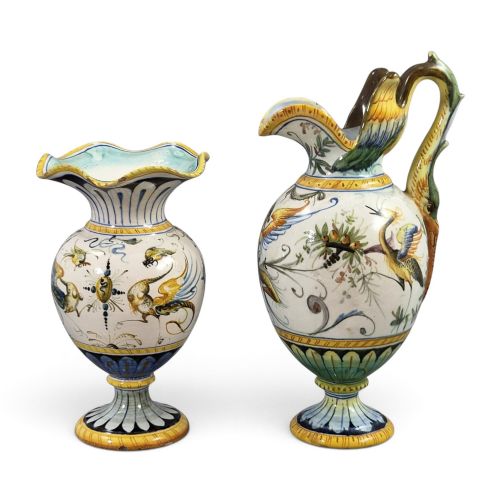
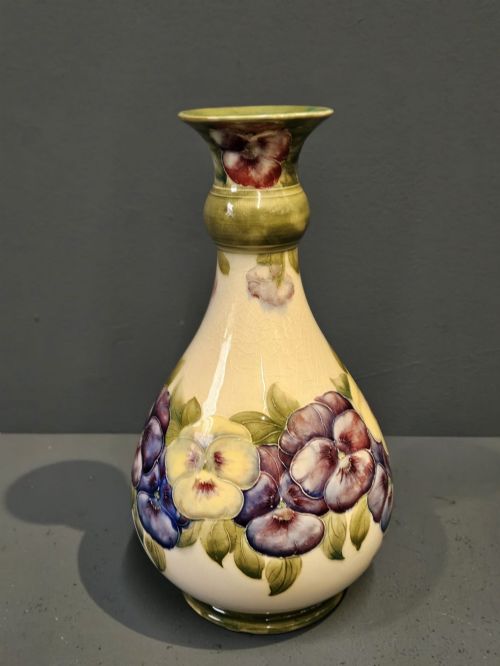
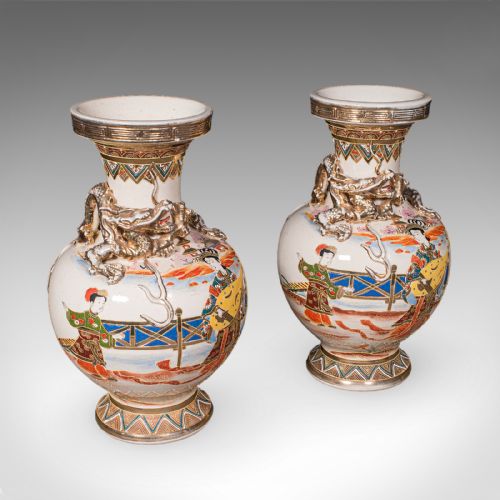
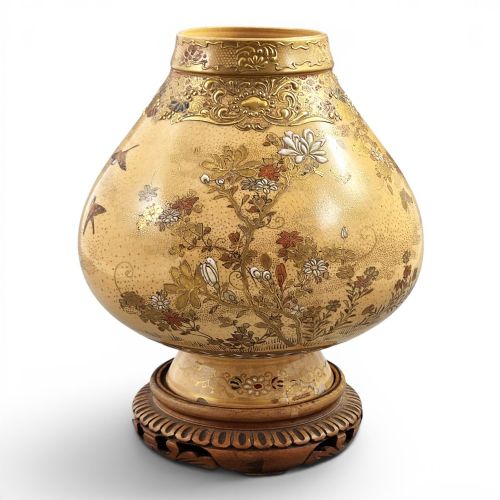
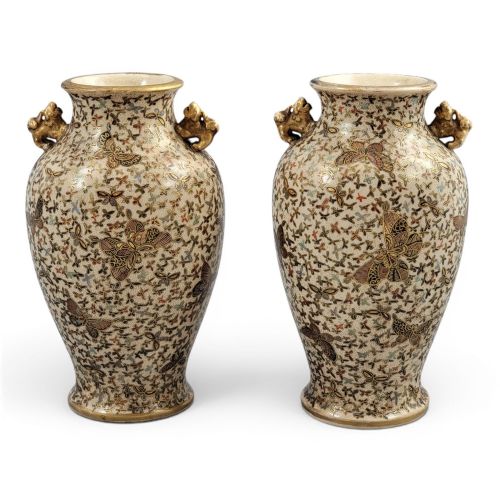
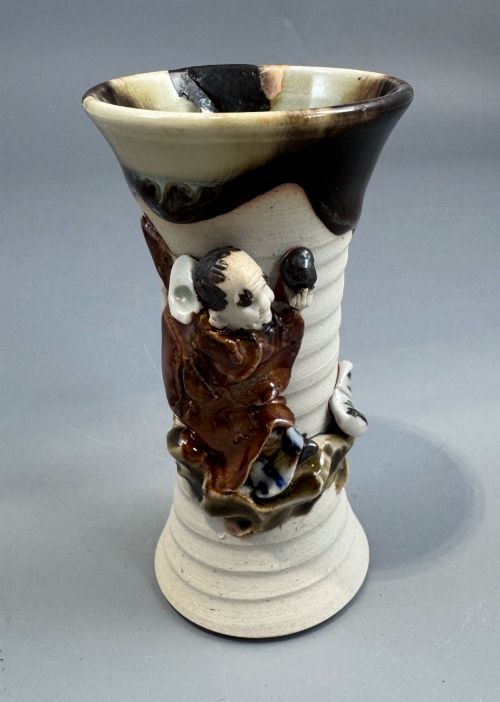
A cream glazed pottery vase spans periods from the Victorian and Edwardian eras to the Art Deco movement, originating across Europe and Asia. Buyers seeking a cream glazed pottery vase commonly encounter Japanese Satsuma earthenware alongside European majolica, stoneware, and earthenware pieces.
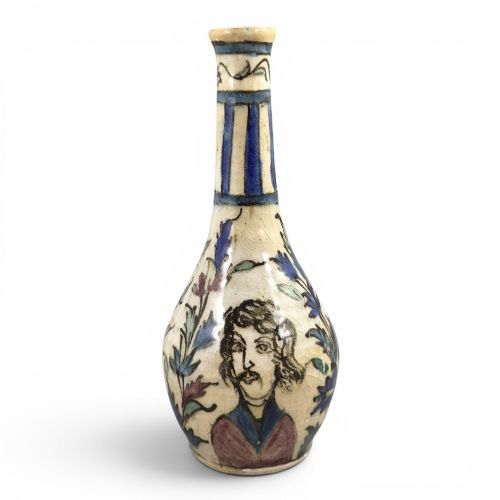
The selection ranges from small cabinet miniatures to monumental exhibition vessels, occasionally adapted into table lamps or paired as matching sets. Baluster shapes, garlic head forms, and bottle vases dominate the physical profiles recorded in the inventory.
Materials and technique
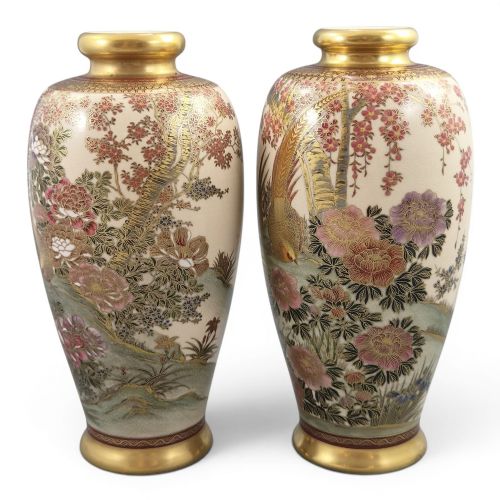
Makers shaped these vessels from ceramic, earthenware, and stoneware bodies, applying pale glazes as a smooth ground for subsequent decoration. Enamel, gold leaf, and gilt provide the detailed surface ornamentation found across Japanese Satsuma and European works.
Potters utilised hand-painted brushwork, raised sprigging, and crackleware techniques to build texture and depth beneath the final glaze layer. Firing processes varied from traditional kiln methods for salt-glazed stoneware to refined low-temperature earthenware firings.
Judging quality
The distinction between standard production and the finest work lies in the precision of the hand-painted details and the control of the gilding. Master workshops employed dense figural processions, landscapes, and floral motifs executed with exceptional clarity.
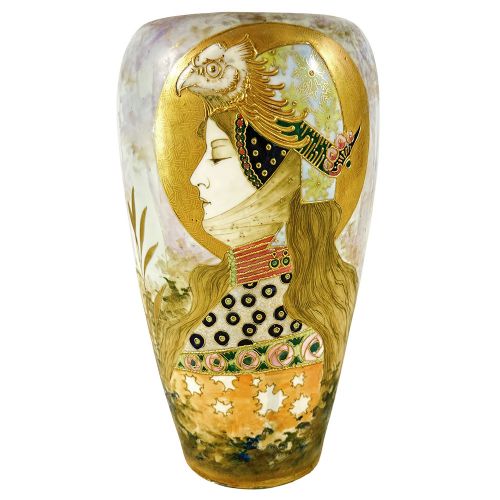
Exhibition pieces and signed works by notable makers display superior balance in form and greater discipline in enamel application. The crispness of applied figures and the purity of the underlying cream ground separate ordinary vessels from exceptional examples.
Shozan·Cantagalli Florence·Moorcroft McIntyre·Reissner Stellmacher and Kessel·Manpei·Kinkōzan Workshop·Kinzan·Ryōsai·Robert T Lallement·Chosei·Seiko-en Chokei·Choshuzan·Jissei·Yoshisada·Hattori·Hayakawa·Charlotte Rhead
The Cream Glazed Pottery Vase Glossary
- Satsuma
- A type of Japanese earthenware originating from the Satsuma Province, traditionally characterised by a finely cracked cream-coloured glaze and rich enamel and gilt decoration.
- Majolica
- A type of earthenware coated in an opaque tin glaze, brightly painted and fired, often seen in nineteenth-century European revival pieces.
- Baluster
- A vertical architectural form resembling a pillar, swelling near the base and tapering toward the top, common in vase profiles.
- Sprigged
- A decorative technique where moulded ceramic reliefs are applied to the unfired body of a vessel before glazing and firing.
- Gilt
- A thin layer of gold applied to the surface of ceramics to highlight details, handles, and borders.
Cream Glazed Pottery Vase: Frequently Asked Questions
How do I identify a Satsuma vase?
Look for a fine network of crackles across the cream-coloured earthenware body, typically combined with dense hand-painted enamel and gold leaf decoration depicting figures or landscapes.
Many pieces carry signatures or workshop marks on the base, though attribution often relies on the distinct quality of the brushwork and gilding style.
Are these vases waterproof?
Most antique ceramic and earthenware vessels were created primarily for decorative display rather than holding water for cut flowers.
Earthenware and porous ceramic bodies can sometimes absorb moisture over time, so using a protective inner container is advisable if you use them functionally.
How should I clean my pottery vase?
Dust the surface gently with a soft, dry cloth to prevent the accumulation of particles in the recessed areas of the glaze or gilding.
Avoid using water, chemical cleaners, or abrasive cloths, as these can damage delicate enamel pigments and antique gold leaf.