



Cream Glazed Ceramic Vase
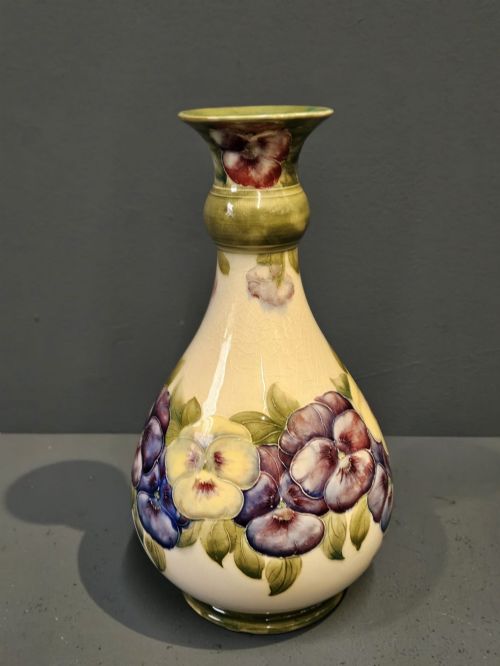
These cream glazed ceramic vase selections bring together global earthenware traditions and intricate hand-painted detail from the nineteenth and early twentieth centuries.
Cream Glazed Ceramic Vase
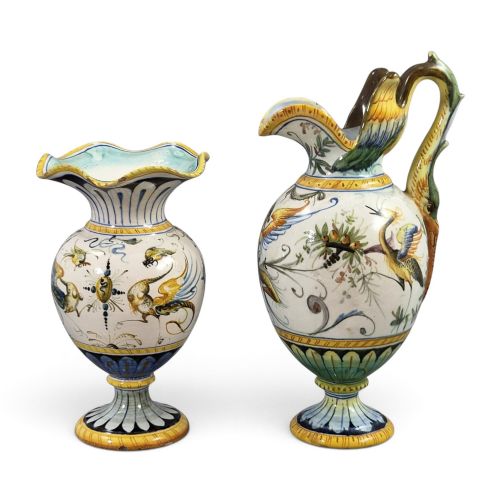
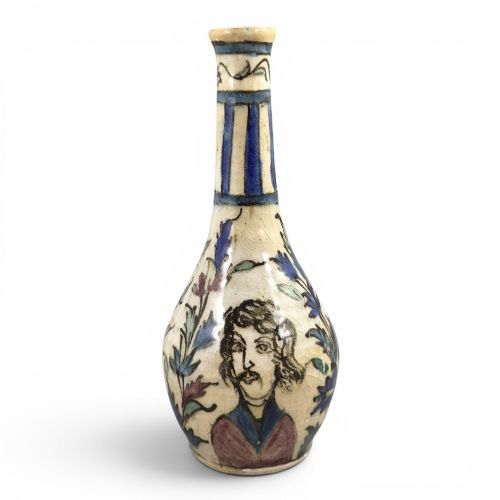
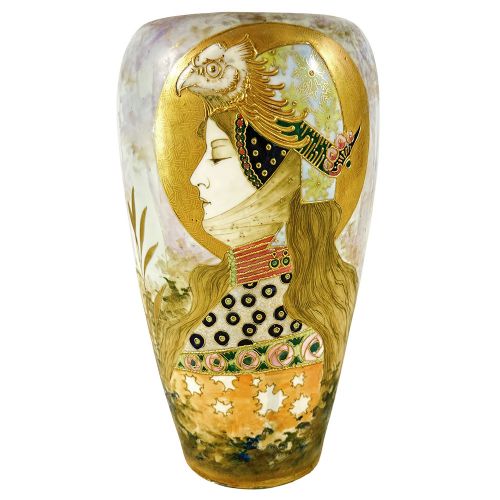
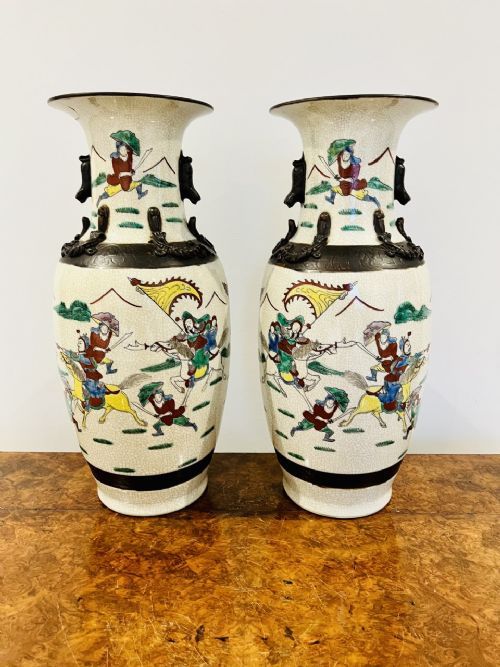
A cream glazed ceramic vase search brings forward global earthenware and stoneware pieces spanning the nineteenth century through the early twentieth century. Buyers encounter a diverse range of forms, from traditional Japanese Satsuma wares and Chinese crackleware to European majolica and Art Deco pottery.
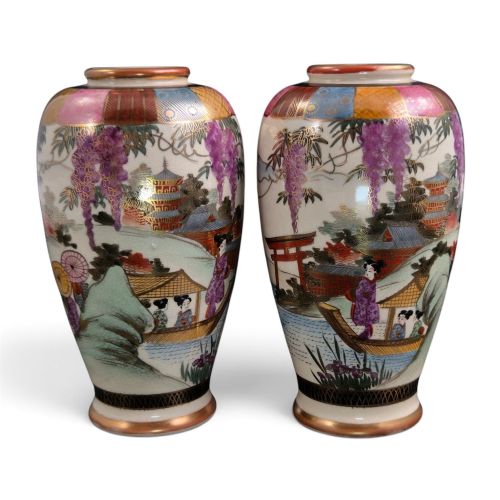
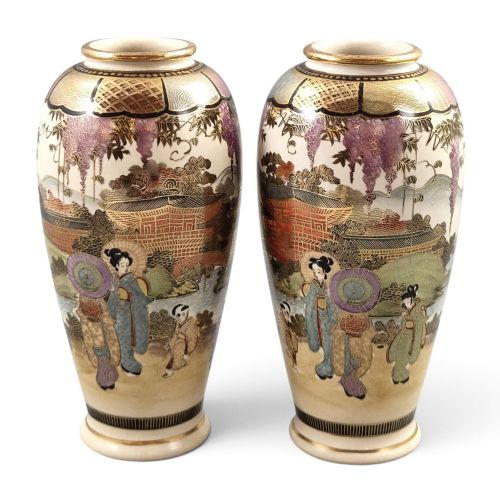
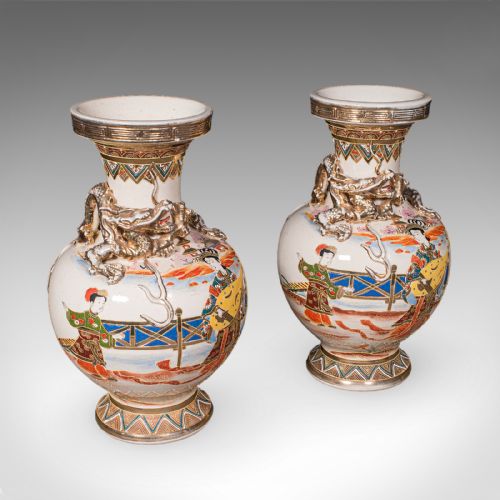
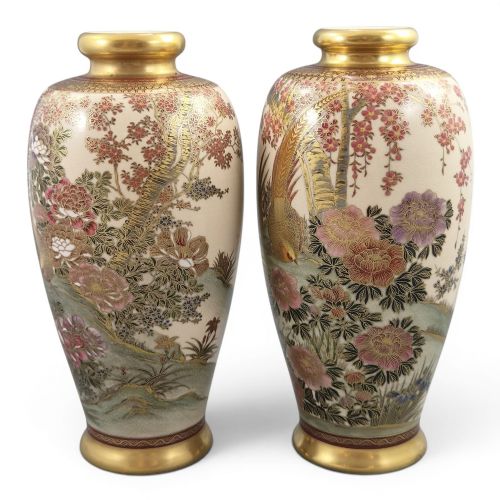
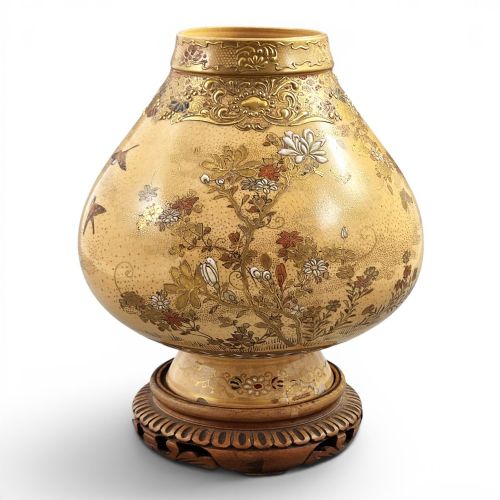
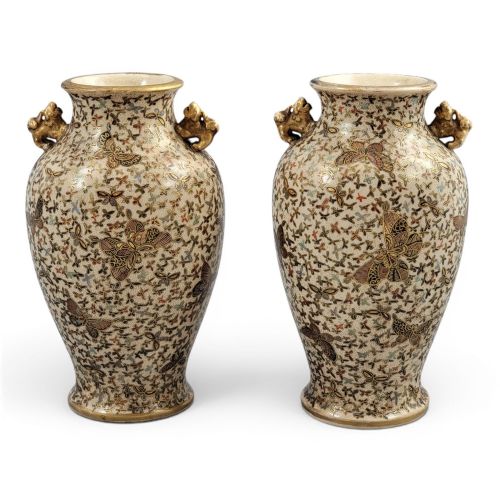
The selection on this page relies heavily on Japanese Satsuma ceramics produced during the Meiji and Taisho periods, alongside European earthenware and stoneware. These pieces include baluster vessels, miniature vases, ewers, and converted table lamps decorated with landscapes, figures, and gilt work.
Vessels range from domestic table items to monumental exhibition pieces originating from workshops in Kyoto and Kobe, as well as European kilns. Earthenware and stoneware forms dominate the inventory, often enriched with enamel and gold leaf applications.
How they were made
Makers shaped earthenware and stoneware bodies on the potter's wheel or formed them within moulds before applying specialised glazes. Many pieces incorporate crackled or smooth cream surfaces that serve as a ground for subsequent hand-painted decoration.
Craftspeople utilised enamel paints and gold leaf to render detailed figural scenes, landscapes, and floral motifs directly onto the fired ceramic. Artisans in Japanese workshops and European potteries then subjected these decorated vessels to low-temperature kiln firings to set the pigments.
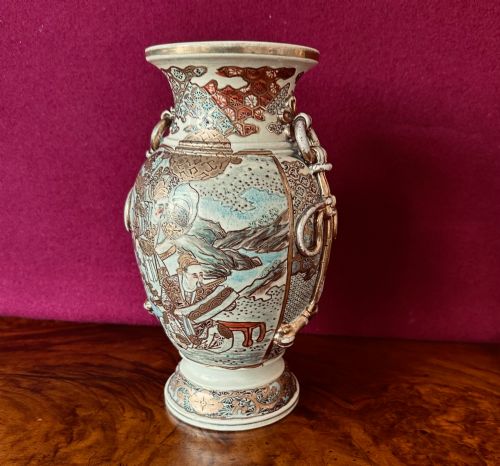
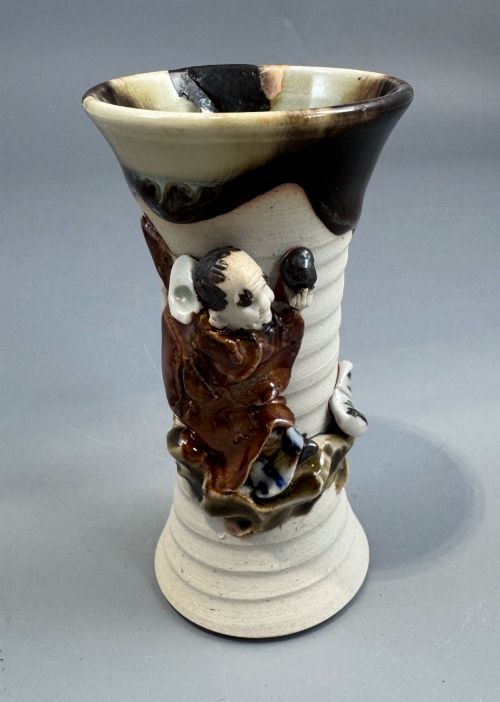
A tiny Rakan figure climbs the side of one stoneware vessel, keeping permanent watch over the glaze.
What varies in quality
The standard of painting on the ceramic surface distinguishes simpler production pieces from exhibition-grade works. Master decorators achieved greater precision in facial expressions, spatial depth, and fine line work using enamel and gold leaf.
The refinement of the ceramic body and the consistency of the glaze also mark differences in grade. Kiln control during the firing of cream glazes and crackle effects determines whether the surface achieves an even texture or displays distracting flaws.
Kinkōzan Workshop·Manpei·Chosei·Reissner, Stellmacher and Kessel·Robert T Lallement·Shozan
The Cream Glazed Ceramic Vase Glossary
- Satsuma
- A type of Japanese earthenware featuring a characteristic ivory-coloured, crackled glaze that accepts fine polychrome and gilt enamel decoration. These wares were produced primarily in the Satsuma province and Kyoto for both domestic use and export.
- Earthenware
- Porous ceramic pottery fired at lower temperatures, requiring a glaze to achieve impermeability to liquids. It forms the structural base for many majolica and traditional Satsuma pieces.
- Majolica
- Opaque tin-glazed earthenware decorated with brightly coloured metal oxide paints before firing. This technique gained revival popularity in nineteenth-century Europe.
- Baluster
- A vase form characterised by a rounded lower body that tapers towards a narrow neck, resembling the architectural pillar shape. It is a common silhouette among the larger antique vessels on this page.
- Meiji Period
- The era in Japanese history spanning from 1868 to 1912, marked by the opening of trade with the West and the production of highly detailed export ceramics. Works from this time often bear workshop signatures on the base.
Cream Glazed Ceramic Vase: Frequently Asked Questions
What is a Satsuma vase?
Satsuma vessels are Japanese ceramics recognised by their pale, finely crackled earthenware body. They are typically decorated with dense hand-painted enamel scenes and gilt highlights.
These pieces were made in large numbers during the Meiji period for the export market, ranging from miniature display items to large exhibition vases.
Were these ceramic vases used as lamps?
Many antique vessels on the market have been converted into table lamps to suit modern interiors. This adaptation often involved mounting the ceramic base onto a brass or wooden stand with electrical fittings.
Original ceramic forms, such as bottle vases and ginger jars, lent themselves well to this functional conversion during the twentieth century.
How should I clean antique cream glazed ceramics?
Dust these delicate earthenware and porcelain surfaces gently with a soft, dry brush. Avoid using water or chemical cleaners, especially on pieces with exposed enamel and gold leaf decoration that can flake.
Preserving the original glaze and painted details requires minimal handling and stable environmental conditions away from direct sunlight.