



Cream Clock
A cream clock brings a calm, pale tone to a room, offering both practical timekeeping and distinct period decoration.
Cream Clock
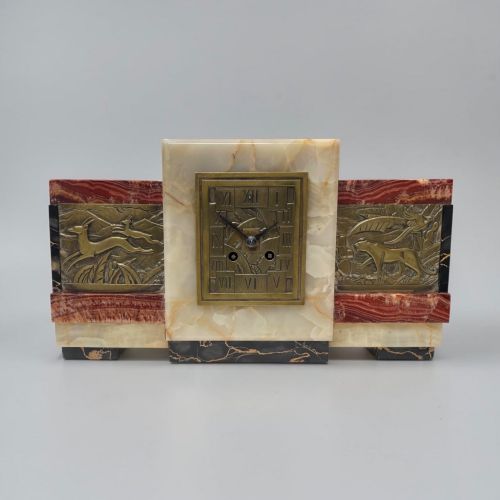
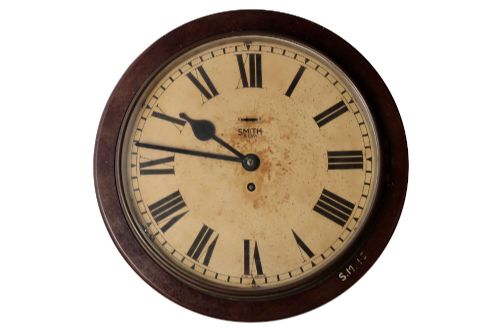
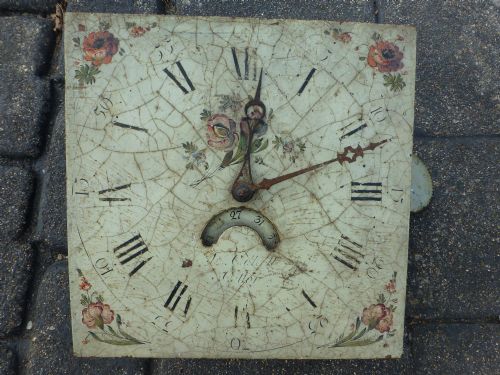
A cream clock search reveals a diverse selection of timepieces and dials spanning multiple centuries, materials, and distinct design movements. You are most likely to encounter mantel clocks, wall clocks, and clock faces featuring cream or pale painted finishes, often originating from periods such as the 1930s and the Victorian era.
Materials and technique
Makers constructed these timepieces using robust woods like mahogany, metals including brass, chrome, and steel, alongside glass and onyx. Dials and cases often received painted or enamelled finishes in cream and allied pale tones to suit domestic and commercial interiors.
Movements span mechanical fusee mechanisms to later desk and wall designs, housed in casings that combine traditional cabinetmaking with industrial metalwork and porcelain moulding.
Cream Clock Retail Price Guide 2026
Typical asking prices for cream clock among the pieces listed under this phrase on Sellingantiques today, from the lower quarter to the upper quarter. They describe what is for sale here now, not the wider market.
Some timepieces doubles as garage promotional tools, reminding us that even spark plugs once needed a good desk clock.
What varies in quality
Quality in these timepieces rests on the fineness of the case construction, whether hand-painted chinoiserie detailing on wood or precision casting in bronze and brass. Superior examples exhibit well-preserved original painted dials and sophisticated movement types such as fusee mechanisms.
The integration of supplementary instruments like barometers and thermometers, or matching porcelain garniture sets, distinguishes more elaborate pieces from standard wall or desk clocks.
Richard Jones of Hereford·Joyce Whitchurch·Alvis And Brooklands·Smiths·Kelvin White and Hutton London
The Cream Clock Glossary
- Fusee movement
- A conical pulley device used in older clocks to ensure even tension from the mainspring as it unwinds. This mechanism helps maintain accurate timekeeping throughout the power reserve.
- Dial
- The face of the clock where the hours and minutes are displayed. Dials can be painted wood, metal, paper, or porcelain.
- Garniture set
- A set of decorative matching objects, often comprising a central clock flanked by two urns or vases. They were popular on mantelpieces during the nineteenth century.
- Convex dial
- A clock face that curves outward toward the viewer. This design reduces glare from glass covers and improves legibility from various angles.
Cream Clock: Frequently Asked Questions
What is a cream clock?
A cream clock is a timepiece featuring a cream-coloured dial, case, or painted finish. The selection includes items ranging from 1930s mantel clocks to antique wall dials.
These pieces draw on diverse styles such as Art Deco, Georgian, and Chinoiserie, utilising materials like wood, metal, and porcelain.
Where were these clocks used?
Clock forms in this category served domestic settings like mantelpieces and hallways, as well as commercial and institutional spaces. Promotional desk clocks also appeared in offices and garages.
Larger dial faces and outdoor turret clocks catered to public visibility, while domestic wall clocks managed time in family rooms.
How do I care for an antique clock?
Mechanical clocks require careful handling, stable placement away from dampness, and regular professional servicing for movements like fusee systems. Wooden and porcelain cases benefit from gentle dusting with dry cloths without harsh cleaning agents.
Maintaining a consistent indoor temperature helps preserve painted finishes and delicate dial materials over time.
How can I tell different periods apart?
Stylistic details and materials offer clear clues to a clock's age, such as the distinct geometric lines of 1930s Art Deco pieces versus ornate Rococo Revival or Victorian brass work. Eighteenth-century and Georgian pieces often feature hand-painted wooden dials and traditional fusee movements.
Examining the casing materials, from early mahogany to later plastics and chrome, helps place the object in its historical era.