




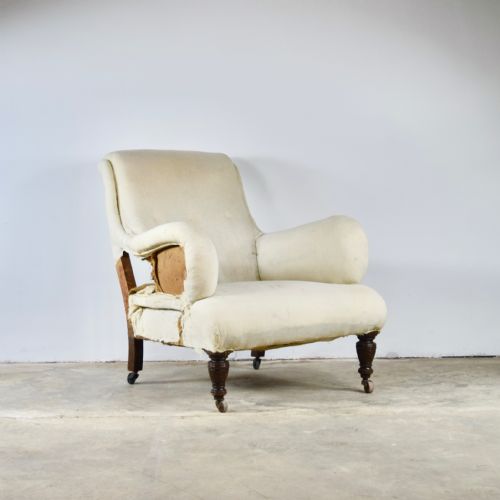


Cream Calico Accent Chair
A cream calico accent chair brings 19th-century seating into modern rooms through neutral upholstery and period frames.
Cream Calico Accent Chair
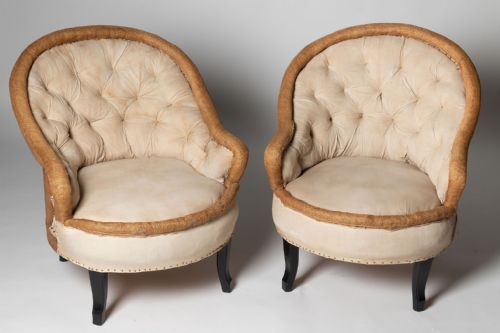
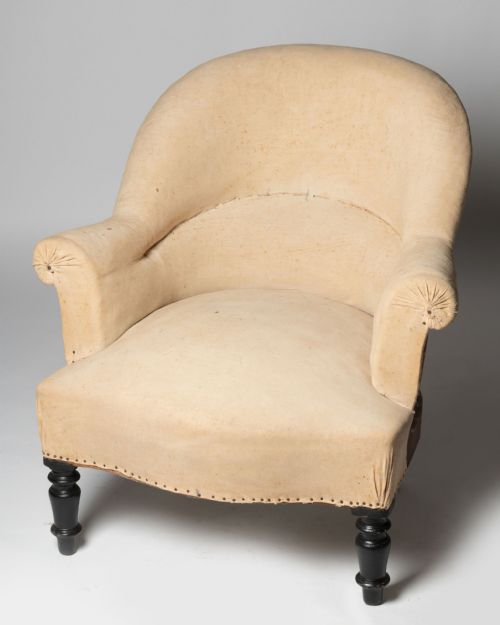
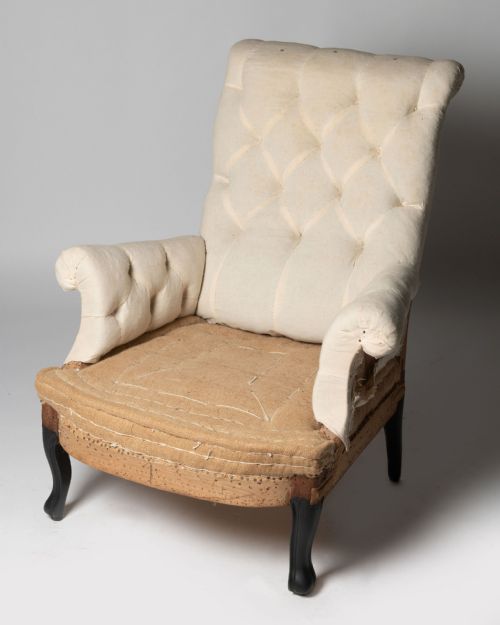
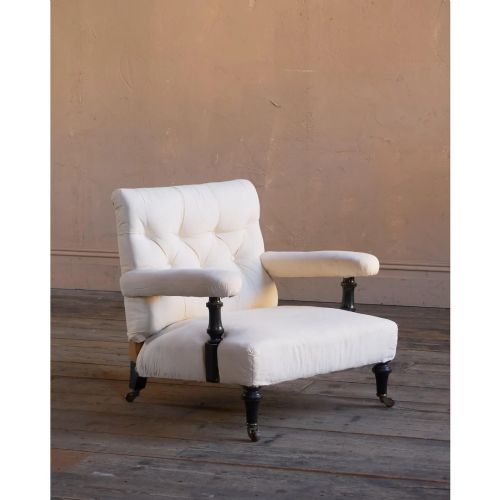
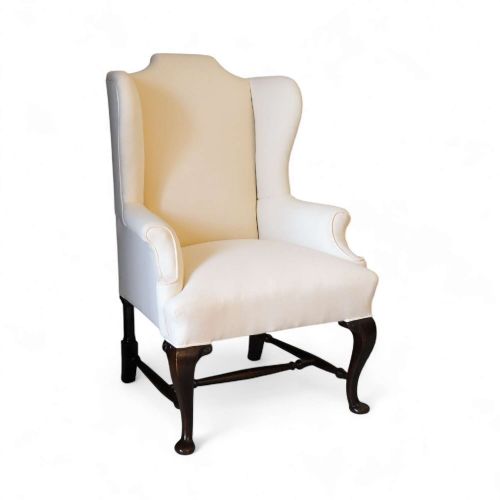
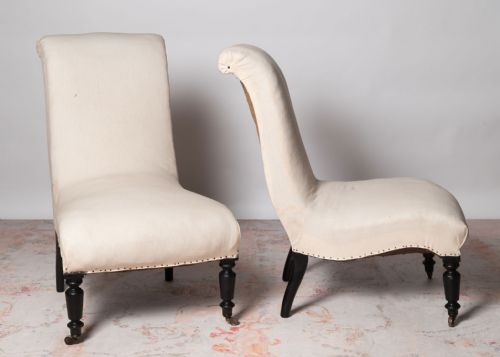
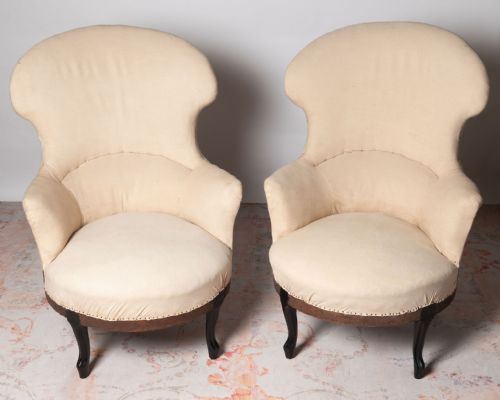
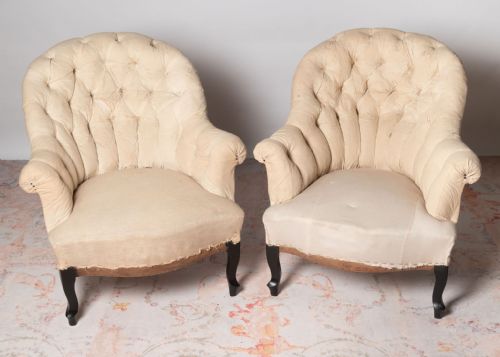
A cream calico accent chair spans nineteenth-century English and French seating, including open armchairs, slipper chairs, and wing armchairs. These pieces often arrive newly upholstered in plain cotton calico or linen over traditional wooden frames.
The selections on this page draw heavily from Victorian and Napoleon III aesthetics, featuring scroll backs, curvaceous profiles, and petite proportions suited to intimate spaces. English examples sit alongside French chateau pieces, offering distinct regional silhouettes from the nineteenth century.
Buyers seeking this phrase most frequently encounter nineteenth-century armchairs and slipper chairs upholstered in neutral calico, providing a blank canvas for further covering or direct use.
Materials and construction methods
Frames rely on sturdy timbers such as mahogany, beech, hardwood, and general wood, paired with exposed brass details on certain models. These structural woods support deep seating forms built during the 1880s and the broader nineteenth century.
Upholstery relies on cotton calico and linen fabrics stretched tightly over the interior padding and frame. This pale textile finish highlights the underlying curves of Victorian and French Napoleon III chair shapes.
Cream Calico Accent Chair Retail Price Guide 2026
Typical asking prices for cream calico accent chair among the pieces listed under this phrase on Sellingantiques today, from the lower quarter to the upper quarter. They describe what is for sale here now, not the wider market.
Nineteenth-century sitters enjoyed low-slung frames specifically built for the elaborate task of putting on shoes.
Separating standard pieces from superior examples
The calibre of a piece rests in the fluidity of the wooden frame's carved lines and the integrity of the underlying hardwood structure. Finer examples exhibit balanced proportions, such as petite or generous armchairs with confident scroll backs.
Attribution to known makers or distinctive regional styles, such as French chateau pieces or documented English workshops, elevates a chair above anonymous production. The precision of the joinery and the selection of supportive timbers dictate the enduring stability of the seating.
Mellier and Co
The Cream Calico Accent Chair Glossary
- Calico
- A plain-woven textile made from unbleached cotton. It serves as the primary neutral upholstery covering on these nineteenth-century seats.
- Slipper chair
- A low-seated bedroom chair traditionally used by ladies for dressing. Nineteenth-century examples often feature curvaceous profiles without arms.
- Napoleon III
- A French design style spanning the mid to late nineteenth century. It borrows freely from past royal aesthetics with an emphasis on comfort and decorative flair.
- Wing armchair
- A high-backed seating form with side panels designed to shield the sitter from draughts. Victorian iterations offer deep proportions and generous padding.
- Scroll back
- A chair back featuring an outward curving top rail reminiscent of a scroll. This silhouette defines many French slipper chairs from the nineteenth century.
Cream Calico Accent Chair: Frequently Asked Questions
What is a cream calico accent chair?
A cream calico accent chair is typically a nineteenth-century Victorian or French armchair upholstered in neutral cotton calico.
These pieces combine period wooden frames with simple, pale fabric to fit contemporary interiors.
How were these chairs originally used?
Nineteenth-century armchairs and slipper chairs served various domestic functions, from parlour seating to dressing room furniture.
Low slipper chairs allowed for ease when dressing, while generous armchairs provided comfort in drawing rooms.
How do I identify a French nineteenth-century chair?
French chairs from this era often display Napoleon III styling, characterised by curvaceous frames and scroll backs.
They frequently appear as slipper chairs or paired armchairs reflecting continental aesthetic traditions.
Can I reupholster these antique chairs?
Many nineteenth-century frames arrive newly upholstered in calico, which acts as a durable foundation fabric.
This neutral covering allows buyers to leave the chair as is or apply their own decorative top fabric over the calico base.