



Cream and Gold Table
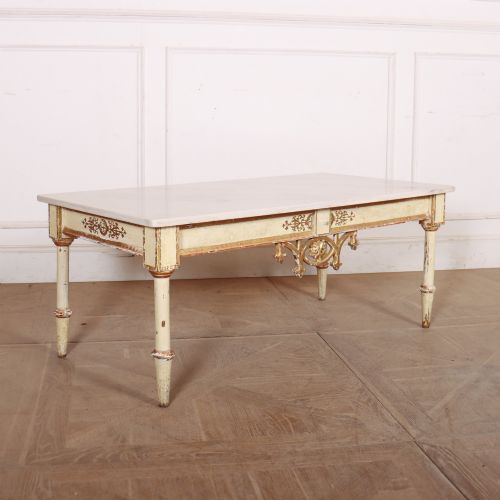
A cream and gold table brings warmth and classical presence to a room through painted surfaces and gilt highlights.
Cream and Gold Table
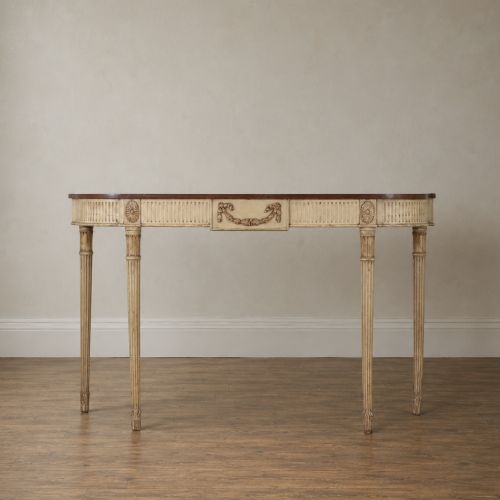
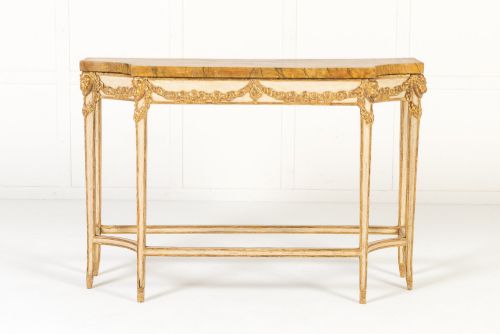
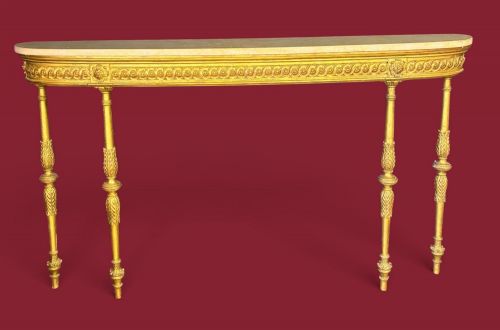
When searching for a cream and gold table, you are looking at items designed to catch the light and anchor a room with classical proportion. The pieces appearing under this search span console tables, side tables, coffee tables, and occasional tables.
Most examples originate from the nineteenth century through the early twentieth century, drawing on Neoclassical, Rococo Revival, and French Chateau styles. Painted wood and giltwood forms predominate, often paired with marble tops.
Console tables and side tables dominate the larger furniture offerings, frequently displaying Italian or French regional influence. Smaller occasional and coffee tables complete the domestic range found here.
Materials and construction
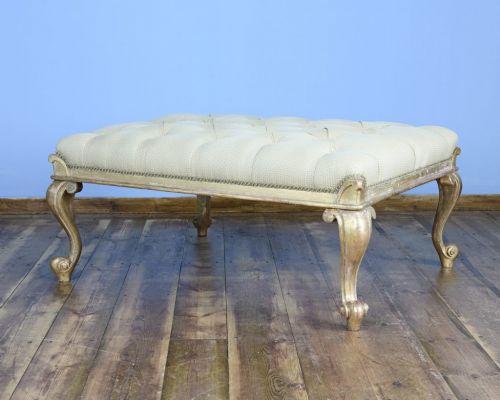
Makers utilised wood as the primary substrate, applying layered paint finishes in cream or ivory alongside gold leaf, parcel gilt, or ormolu mounts. Giltwood surfaces involve thin sheets of gold leaf applied to prepared wooden carcases.
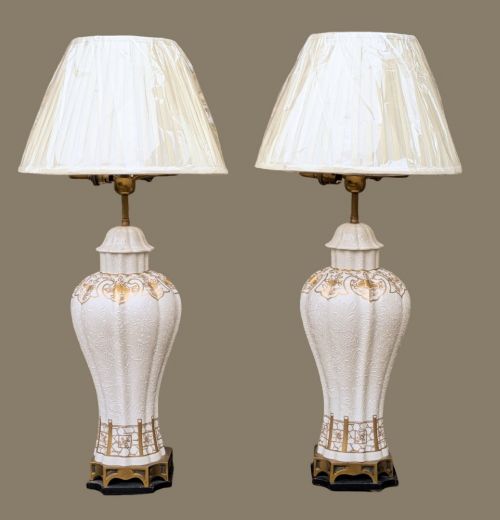
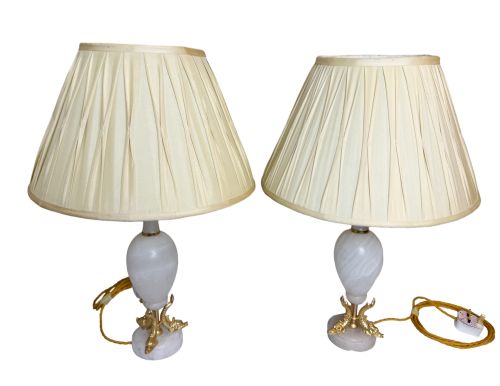
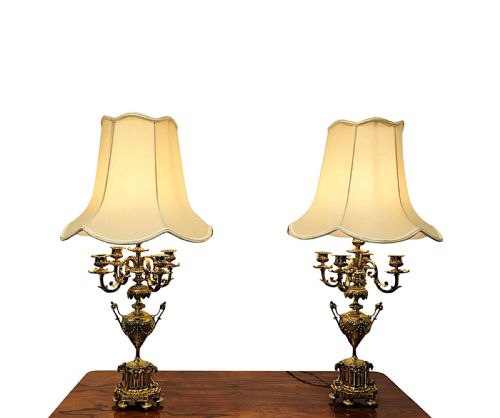
Marble tops frequently feature on console and side tables, providing a cool, durable surface that contrasts with the warmth of gilded wood. Brass and bronze appear across associated lighting and decorative trims.
Painted decoration ranges from simple monochrome cream fields to intricate Venetian and Florentine floral motifs executed by hand. Joinery follows traditional cabinet-making methods appropriate to each period.
Cream and Gold Table Retail Price Guide 2026
Typical asking prices for cream and gold table among the pieces listed under this phrase on Sellingantiques today, from the lower quarter to the upper quarter. They describe what is for sale here now, not the wider market.
Listings feature items spanning the eighteenth through the twentieth century, with a strong representation of nineteenth-century painted wood and brass.
Judging the work
Quality rests upon the crispness of the carving and the subtlety of the painted finish rather than mere scale. Hand-carved giltwood and genuine ormolu mounts display a depth and sharpness absent in later mass-produced alternatives.
The integrity of the surface decoration determines much of the visual success. Original paint and leaf work that has aged with a soft, natural patina holds greater character than unsympathetic modern repainting.
Proportion and structural balance separate standard domestic items from finer salon pieces. Well-balanced console and occasional tables maintain harmonious lines between their supports and tops.
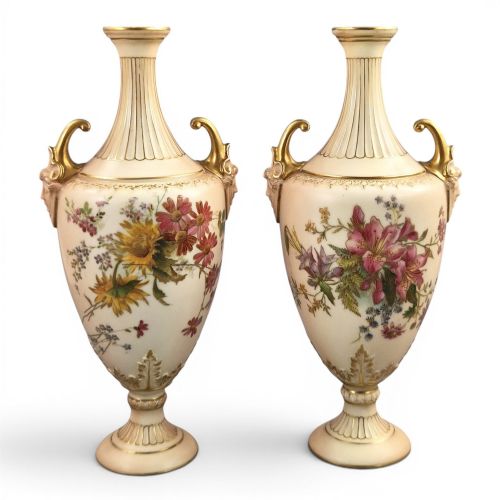
Royal Worcester·Wedgwood·Kinkozan
The Cream and Gold Table Glossary
- Giltwood
- Wood that has been coated with gold leaf or gold paint. This finish creates a reflective surface that catches candle or daylight.
- Console table
- A table designed to stand against a wall, frequently secured with brackets. These pieces often feature decorative legs and marble tops.
- Parcel gilt
- An object decorated with gilt in specific areas only, leaving other portions painted or exposed. This technique highlights carved details.
- Neoclassical
- A style drawing inspiration from classical antiquity, marked by restraint and symmetrical proportion. It influences many nineteenth-century tables and lamps.
- Ormolu
- Gilt bronze ornamentation applied to furniture and decorative objects. The technique involves mercury gilding on a bronze base.
Cream and Gold Table: Frequently Asked Questions
Where should I place a console table?
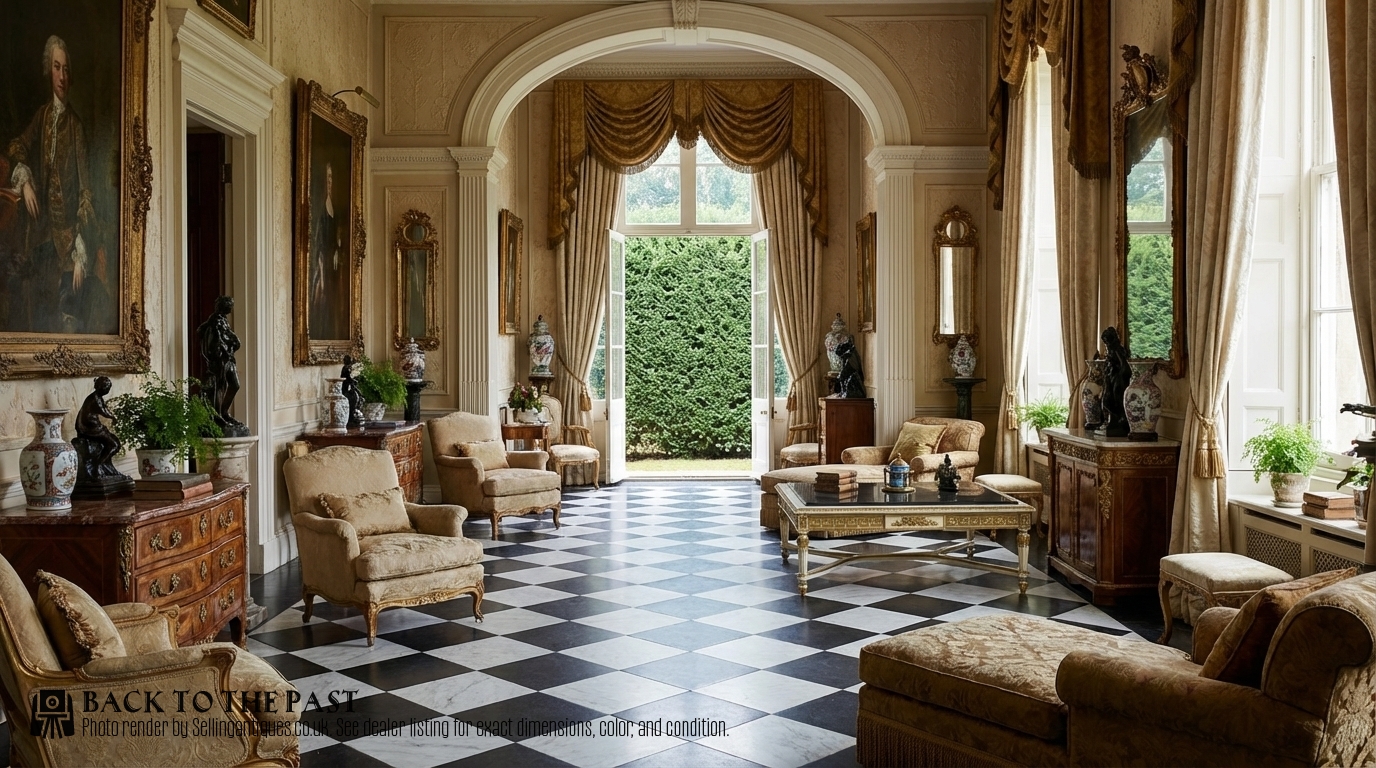
Console tables suit entrance halls, living rooms, and dining areas where surface space is required without blocking circulation. Their shallow depth allows them to sit comfortably against flat walls.
Pairing a console table with a mirror or placing decorative lamps upon it creates a balanced focal point in a room. They function well to display ceramics or bronze objects.
How do I clean a giltwood surface?
Giltwood requires careful dry dusting with a soft brush to protect the delicate gold leaf layer. Moisture can damage the underlying preparation layers.
Avoid commercial cleaning sprays and polishes, which strip or dull the historic finish. Gentle maintenance preserves the original appearance.
What is the difference between giltwood and ormolu?
Giltwood refers to wooden objects coated in gold leaf or powder, while ormolu is gilded bronze used for mounts and decorative hardware. Both techniques create a bright metallic accent against painted wood.
Ormolu appears on mounts, feet, and decorative trims, whereas giltwood forms the structural frame of mirrors and tables.
How do I identify a Neoclassical table?
Neoclassical tables display straight tapered legs, urn motifs, and symmetrical geometric decoration. The style avoids excessive ornamentation in favour of classical balance.
Materials often include marble tops and painted wood finishes highlighted with gold leaf or parcel gilt.