
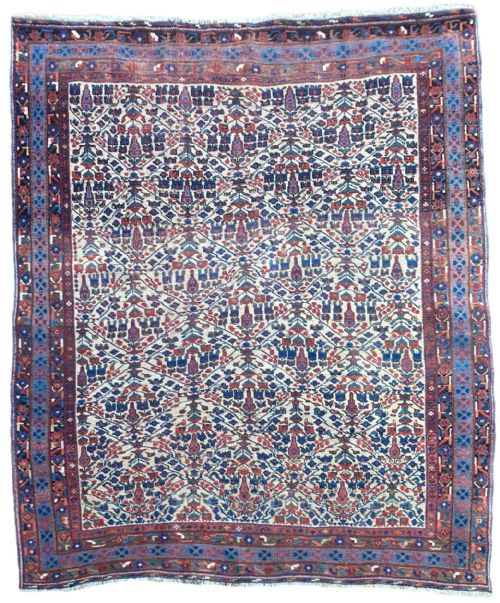


Cream and Blue Carpet
These cream and blue carpet examples bring together centuries of weaving traditions, offering durability and distinctive motifs for modern rooms.
Cream and Blue Carpet
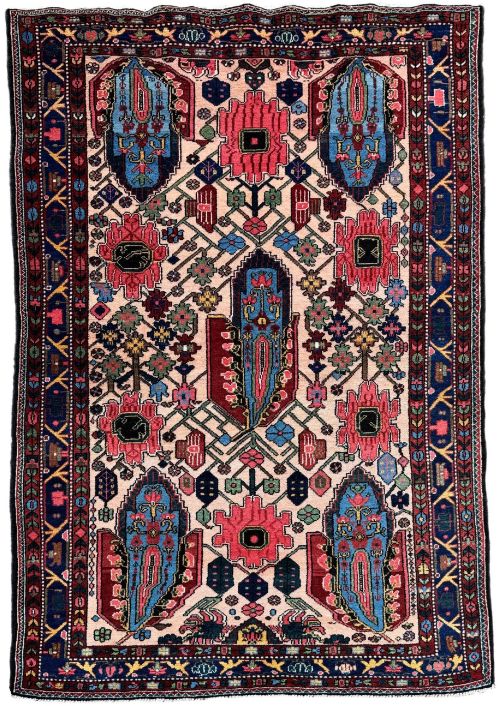
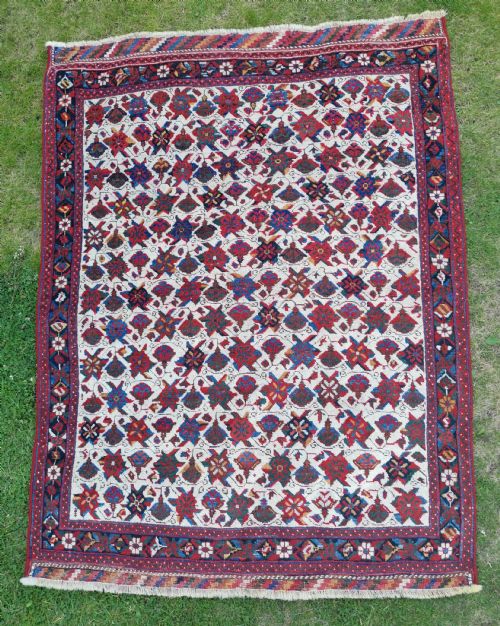
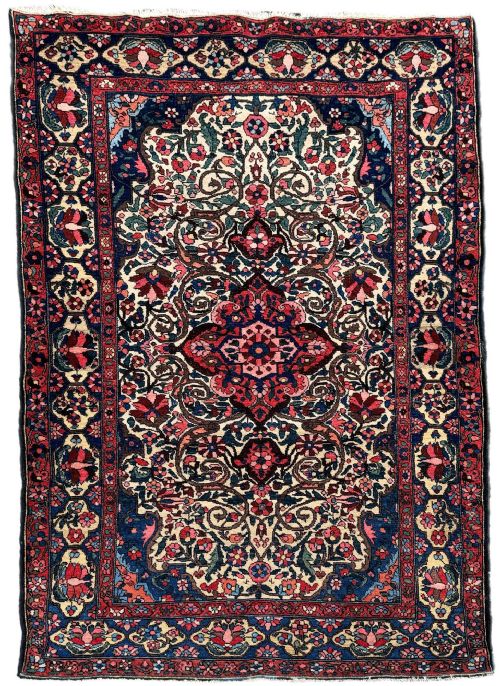
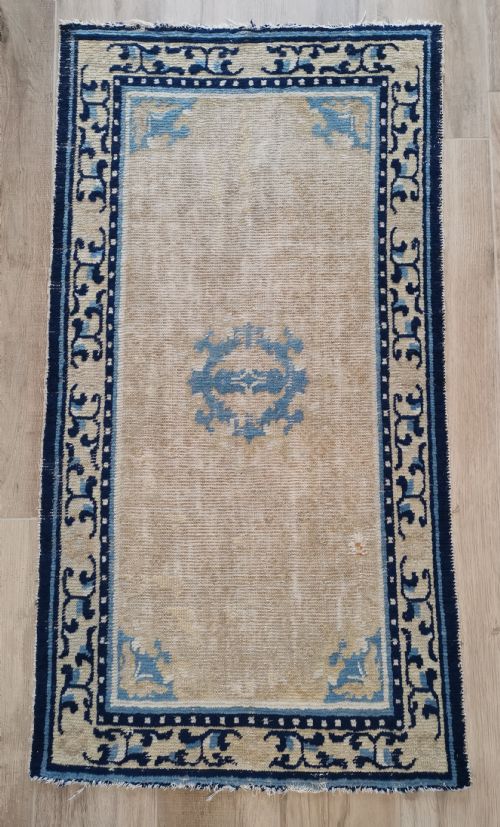
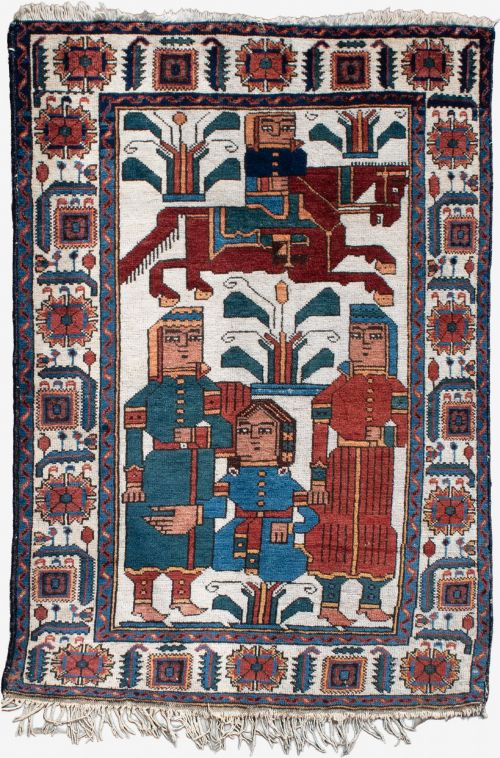
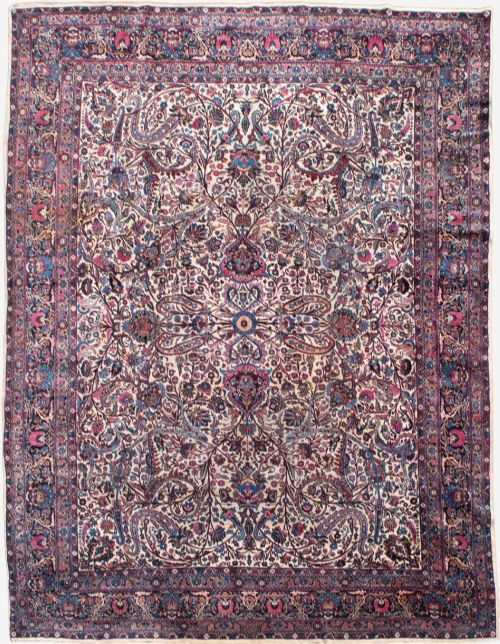
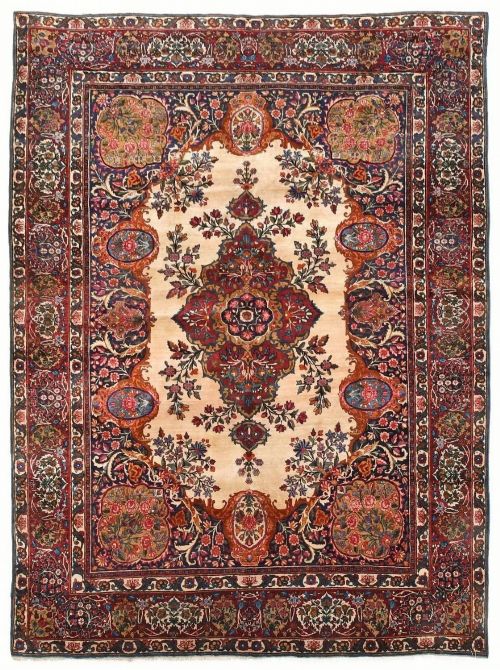
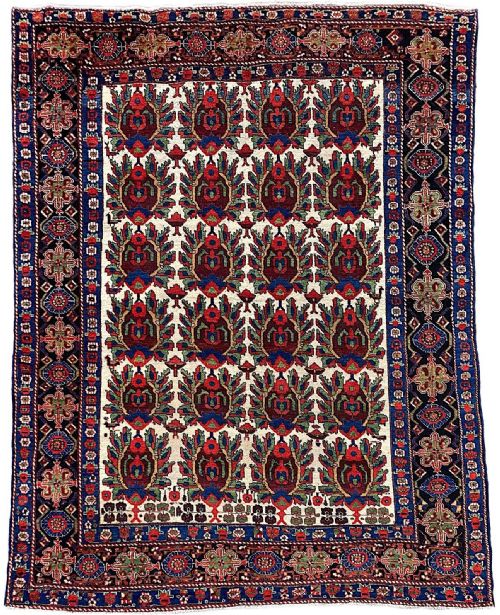
A cream and blue carpet covers hand-knotted and woven floor coverings originating primarily from Persian, Turkish, and Chinese traditions. You will encounter room-sized carpets as well as smaller runners and village rugs dating from the nineteenth and early twentieth centuries.
Makers ranged from nomadic tribal weavers working on vertical looms to established urban workshops. Each piece reflects the specific decorative vocabulary of its geographic origin and period.
Materials and construction
Weavers relied on natural animal and plant fibres, predominantly wool for the pile, supported by cotton foundations in many urban workshops. Certain specialised examples incorporate silk to highlight intricate details.
Dyes were derived from natural sources, yielding the characteristic soft blues and creamy ivories that mellow with age. Hand-knotting techniques varied by region, determining the density and pile height of each rug.
Tribal weavers occasionally embedded minor deliberate irregularities into symmetrical geometric designs to ward off the evil eye.
Assessing quality in woven textiles
Knot density and structural integrity dictate the baseline quality of an antique rug. Tighter knotting allows for sharper delineation of intricate floral and geometric motifs.
The handling of natural dyes and the quality of the wool determine how gracefully a piece ages. Superior wool retains a lanolin-rich softness that resists heavy wear over generations.
Mohtasham Kashan·Ziegler
The Cream and Blue Carpet Glossary
- Pile
- The upright yarn loops that form the surface texture of a carpet. This layer bears the direct weight of foot traffic.
- Warp
- The vertical foundation threads stretched tightly on the loom before knotting begins. Weft threads are subsequently passed horizontally between them.
- Weft
- The horizontal threads interlaced through the warp threads to stabilise the knots. Together, warp and weft form the underlying grid of the textile.
- Ground
- The background field colour of a carpet upon which medallions and floral motifs are arranged. Ivory and cream are common neutral grounds in this group.
- Runner
- A long, narrow carpet format designed for hallways and corridors. These pieces often feature repeating geometric or medallion patterns.
Cream and Blue Carpet: Frequently Asked Questions
How do I clean an antique carpet?
Professional dusting and gentle surface cleaning preserve the natural wool fibres without disturbing the foundation. Avoid harsh chemical treatments and excessive water.
Vacuuming with a smooth suction attachment prevents dust accumulation between the knots. Professional specialists should handle any deep washing or repair work.
Are these carpets suitable for heavy foot traffic?
Sturdily constructed wool rugs handle everyday hallway and living room use quite well. Dense knotting provides natural resilience against compression.
Placing a quality rug underlay beneath the textile prevents slippage and absorbs impact. This simple measure significantly extends the working lifespan of antique wool pile.
How can I tell regional styles apart?
Regional attribution relies on observing specific design motifs, border arrangements, and knotting structures. City workshops favoured elaborate floral sprays, while tribal weavers utilised geometric medallions.
Colour saturation and palette choices also point to specific provinces like Tabriz or Kirman. Comparing structural details on the reverse side clarifies origin.
Do natural dyes fade over time?
Natural dyes mellow gracefully with exposure to light, developing a harmonious patina rather than harsh fading. Plant and insect extracts bond deeply with the wool fibres.
Rotating the rug periodically ensures even exposure to ambient light across the surface. This gentle ageing process is a hallmark of genuine antique textiles.