
Countryside Landscape Art
Countryside landscape art captures rural scenes, pastures, and rivers through centuries of shifting brushwork.
Countryside Landscape Art
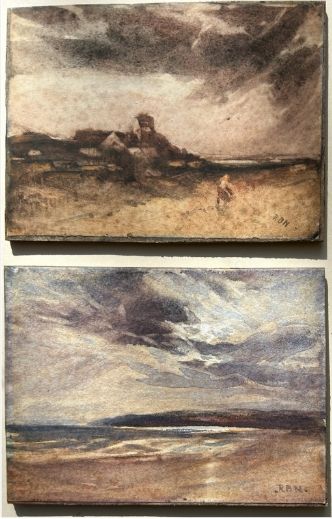
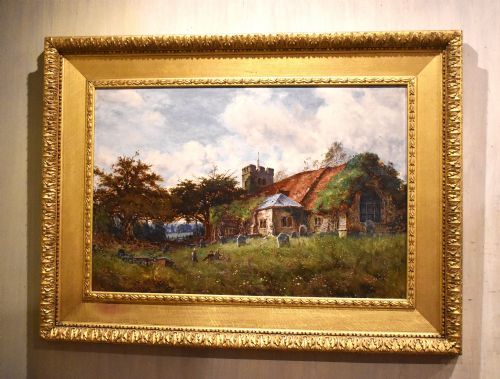
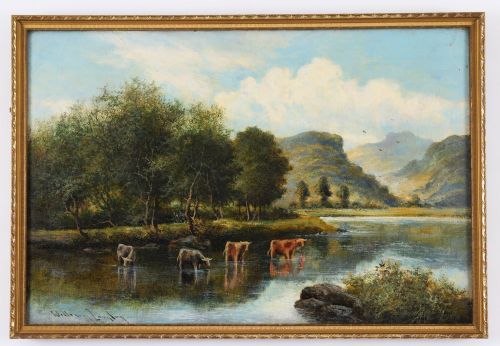
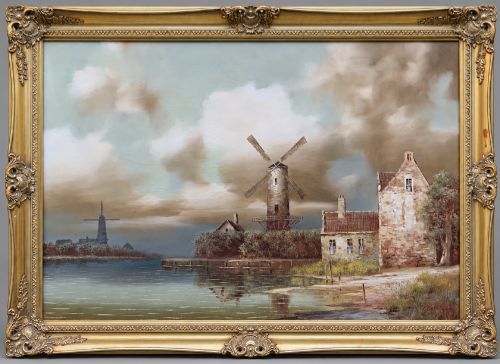
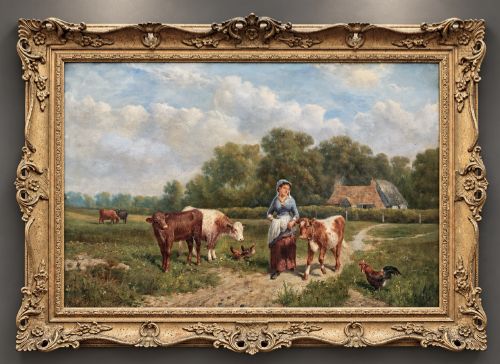
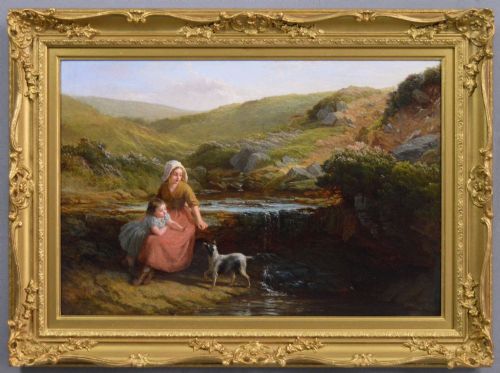
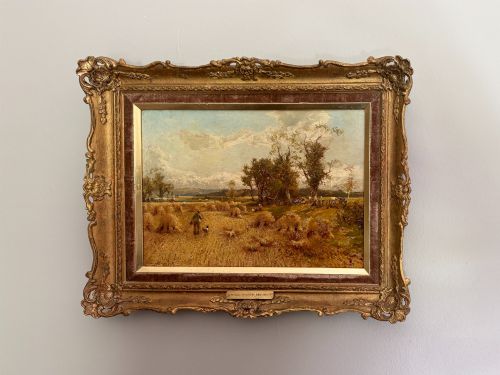
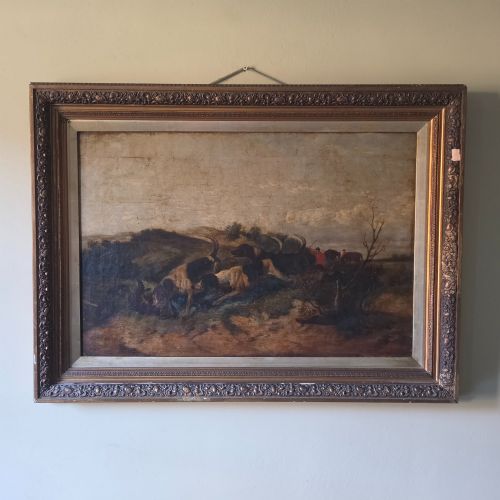
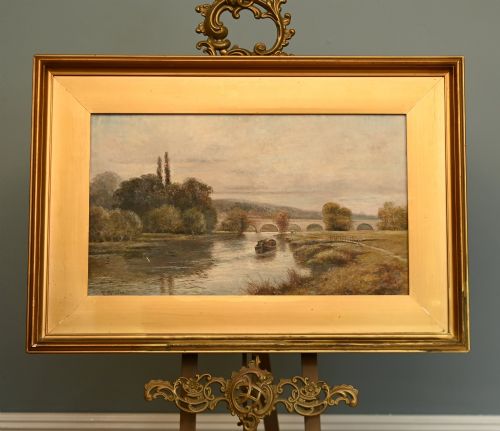
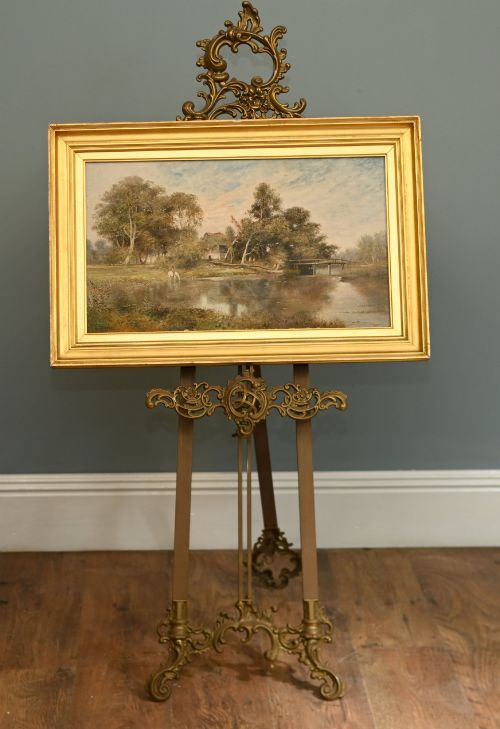
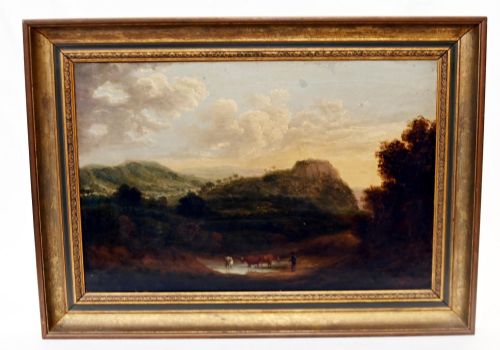
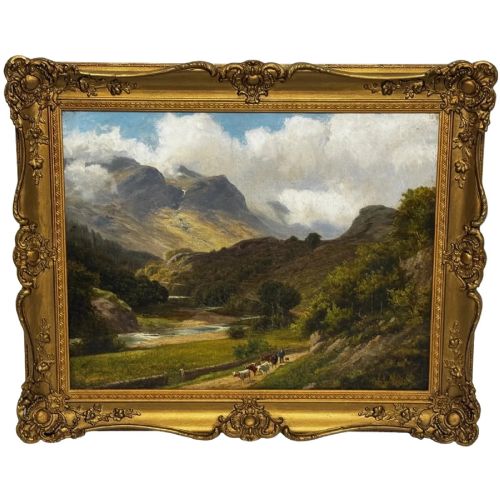
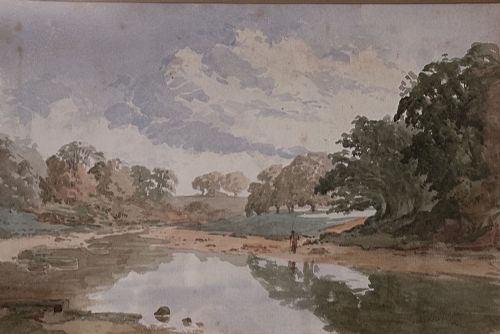
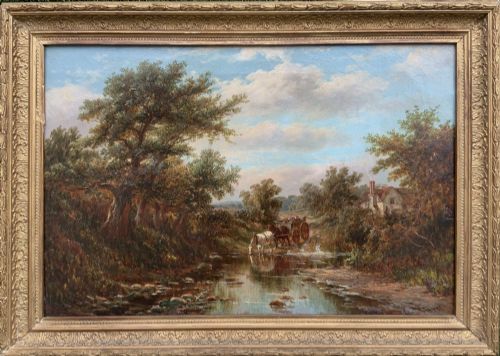
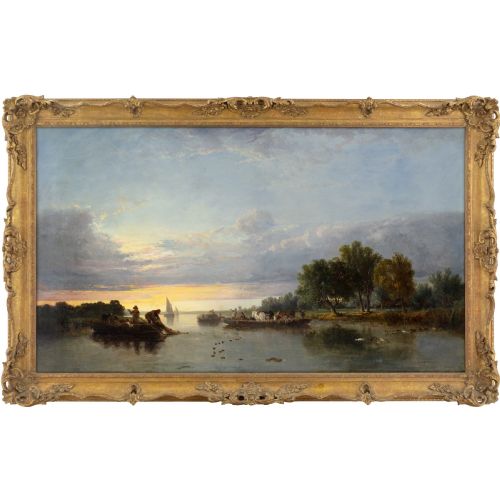
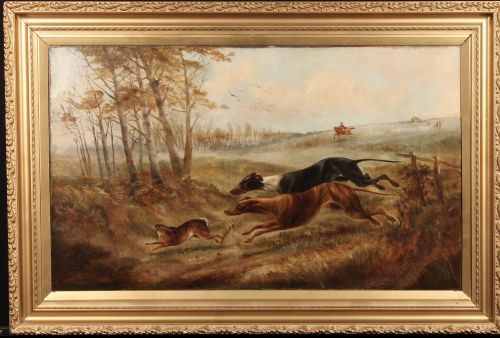
Countryside landscape art encompasses oil paintings, waterpaintings, and framed wall art depicting natural scenery, agricultural fields, and rural life. These works record pastoral vistas through the nineteenth century, the Edwardian era, and into twentieth-century British realism and impressionism.
Buyers encounter oil paint on canvas and board alongside delicate watercolours on paper, framed securely behind glass. The subjects range from quiet woodland paths and riverbanks to livestock grazing beneath expansive skies.
The selection reflects both named professional artists and skilled regional practitioners working within British and European traditions. Pieces vary from intimate cabinet watercolours to large canvases designed for prominent wall placement.
Materials and methods
Artists built these compositions primarily using oil paint on stretched canvas, wooden panels, or heavy paper supports. Ground pigments mixed with oil mediums allowed for rich layering, textured brushwork, and deep tonal gradations.
Watercolour paintings utilised fine pigments suspended in water applied to absorbent paper surfaces, capturing swift atmospheric shifts and luminous skies. Many works retain their original gilt wood frames, which protect the edges and complement the palette.
Listings feature canvases, wooden panels, and paper supports created across the nineteenth and twentieth centuries.
Assessing quality and execution
Quality rests upon the artist's command of light, perspective, and atmospheric depth within the natural setting. Stronger compositions demonstrate confident handling of foliage, water, and animal or human figures integrated naturally into the terrain.
The permanence of the materials and the stability of the support also dictate value. Well-preserved surfaces free from heavy restoration reveal the original hand of the painter more clearly than compromised examples.
Richard Sebastian Bond·William H Myers·George Graham·Frederick Marriott·Arthur Wardle·William Joseph Shayer Senior·Hendrik Willem Schweickhardt·Herbert Royle·Robert Morson Hughes·William Joseph Boyes·Gabriel Mathieu·David Bates·Muriel Metcalfe·Lucy Pratt·Raymond Booth·Harald Foss·Frederick Walker·Eric Brown·Henri Ottmann·Richard Redgrave·Ernest Higgins Rigg·Peter Newcombe·George Oyston·John Bond·Rene Levrel
The Countryside Landscape Art Glossary
- Canvas
- A heavy woven fabric stretched across a wooden frame to serve as a sturdy painting surface. It provides the necessary tension for applying thick layers of oil paint.
- Watercolour
- A painting method where water-soluble pigments are applied to paper. This technique produces translucent washes and delicate luminous effects.
- Impressionism
- An artistic style focusing on accurate depiction of light and its shifting qualities. Painters often employed visible brushstrokes and unblended colours.
- Panel
- A flat wooden board utilised as a rigid support for oil paintings. Painters favored wood before stretched canvas became standard practice.
- Gilt frame
- A wooden decorative border coated with a thin layer of gold leaf or metallic paint. These frames enhance the visual weight of oil paintings.
Countryside Landscape Art: Frequently Asked Questions
What periods do these paintings cover?
The works span from the eighteenth century through the Victorian era and into mid-twentieth-century modern British movements. Each period brings distinct approaches to colour and atmospheric treatment.
Collectors can trace the evolution of rural depiction from romantic pastoral visions to impressionist outdoor studies.
How should I hang these artworks?
Keep oil paintings and watercolours away from direct sunlight and excessive humidity to protect the pigments and paper. Stable indoor environments prevent warping in wooden panels and canvas stretchers.
Ensure adequate wall space allows the original frames to complement the composition without crowding.
Are watercolours fragile?
Watercolour paintings on paper require protection behind glass to guard against airborne dust and moisture damage. Mats prevent the paper surface from touching the glazing directly.
Proper framing preserves the delicate pigments from fading over decades of display.
What is the difference between canvas and panel?
Canvas provides a flexible woven texture that responds well to heavier impasto paint applications. Wooden panels offer a completely rigid surface favoured for finer, more detailed brushwork.
Both supports require careful preservation of the rear surface to maintain structural integrity.