


Country Wooden Rocker Chair
A country wooden rocker chair brings vernacular warmth to a fireside, offering a gentle motion shaped by centuries of domestic use.
Country Wooden Rocker Chair
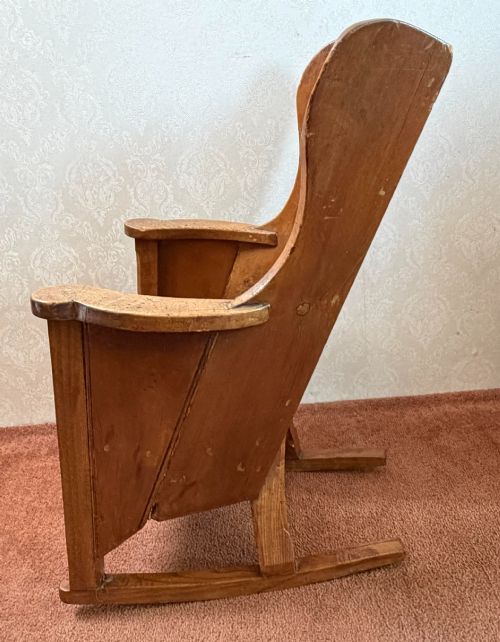
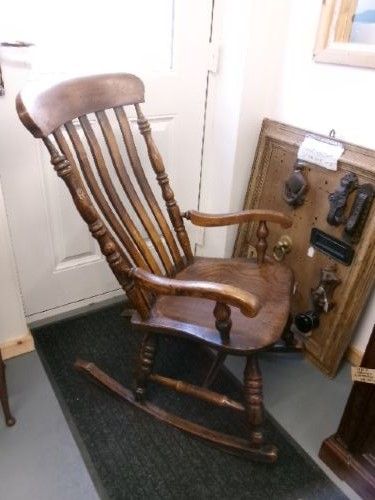
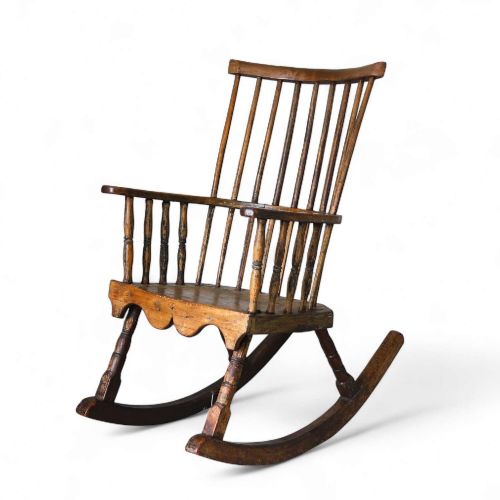
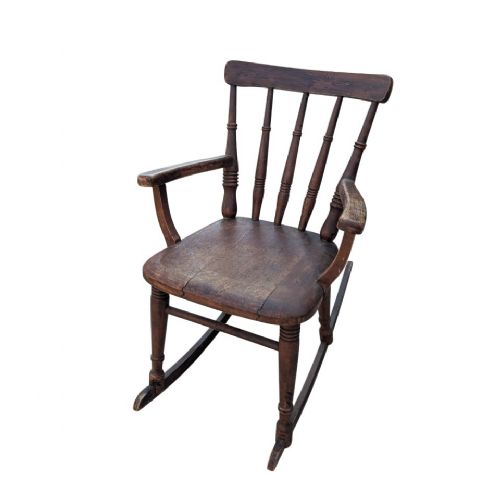
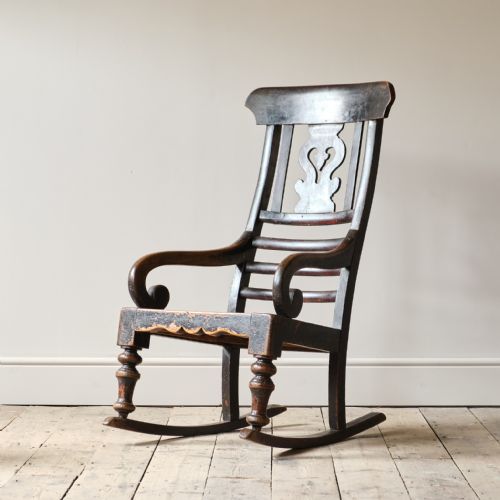
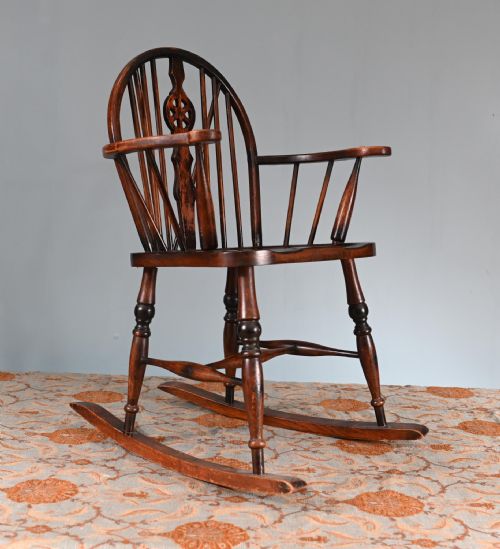
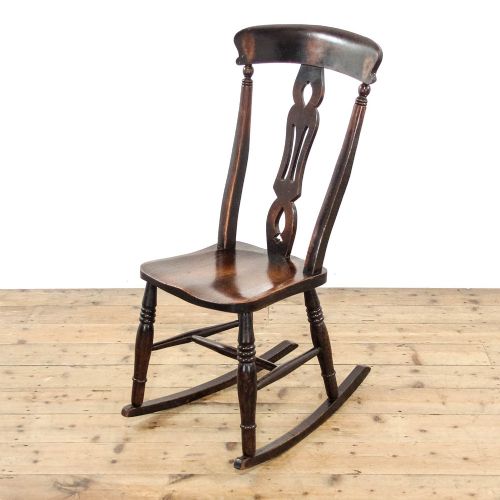
A country wooden rocker chair embodies the practical craft of provincial joiners, built for comfort in farmhouses and cottages rather than formal parlours. When exploring a country wooden rocker chair, expect to encounter traditional forms like the Windsor, ladder back, and comb-back, alongside smaller versions designed for children.
The materials and construction reflect regional British and European vernacular traditions, spanning periods from the eighteenth century through to the Victorian era. Many pieces combine different timbers for structural integrity, pairing sturdy frames with flexible seats formed from solid wood, rush, cane, or leather.
These chairs served central roles in daily domestic life, from nursing infants to resting beside the hearth after manual labour. Their survival depends on the resilience of native hardwoods and the straightforward joinery employed by regional makers.
Materials and Construction Techniques
Makers utilised native timbers such as elm, ash, beech, oak, and fruitwood, selecting each wood for its specific physical properties. Elm provided tough, split-resistant seats, while ash and beech offered flexible strength for spindles, bent arms, and framing members.
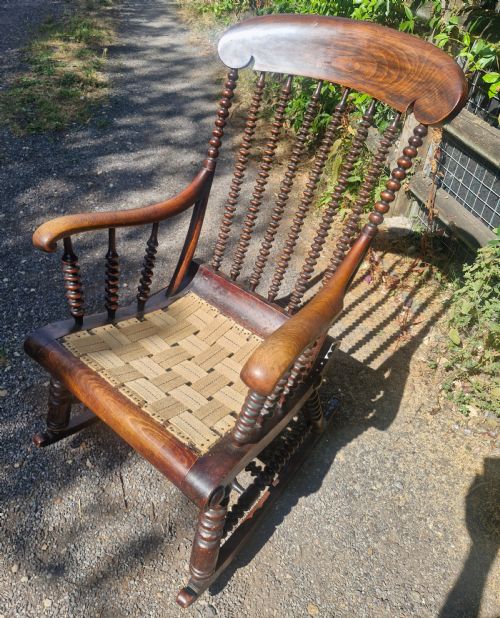
Joinery relied on traditional methods including bodging, turning, and steam-bending to shape components like bows and spindles. Many examples feature pegged joints, bobbin turnings, or frame constructions secured without metal fasteners, maintaining structural movement across the seasons.
Current selections include pieces fashioned from elm, ash, beech, oak, and fruitwood, spanning the eighteenth, nineteenth, and early twentieth centuries.
Assessing Craftsmanship and Proportion
Quality rests in the harmony of proportion between the upper spindle assembly and the curvature of the wooden rockers below. Superior examples maintain balanced lines and original structural timber without excessive replacement of worn parts.
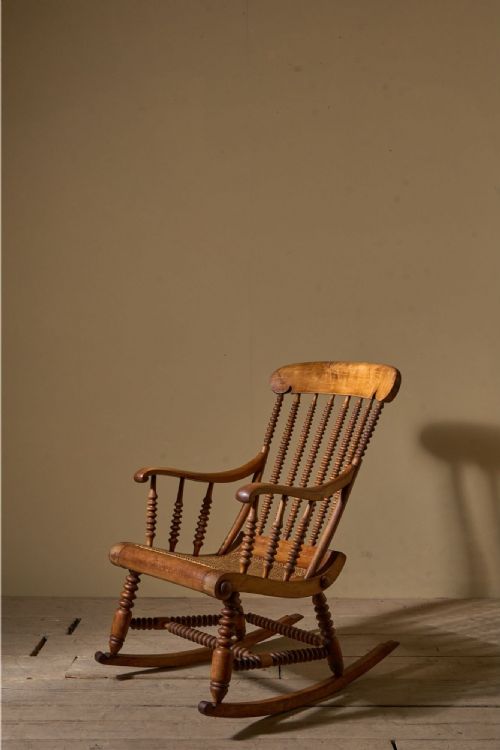
The integration of the seat with the back structure distinguishes standard workshop output from finer vernacular pieces. Well-executed comb-backs, Windsor bows, and sculpted elm seats demonstrate an artisan's understanding of ergonomic comfort and material strength.
The Country Wooden Rocker Chair Glossary
- Windsor
- A chair built with a heavy wooden saddle seat into which the legs, back spindles, and comb are separately tenoned. This construction provides robust structural integrity while keeping the upper frame relatively light.
- Comb-back
- A Windsor chair variation featuring a high headrest rail supported by vertical spindles that pass through the arm bow, resembling the teeth of a comb. It offers extended back support for the user.
- Bobbin turned
- A style of furniture turning that creates a series of rounded, spool-like shapes along the length of a wooden stretcher or leg. It reflects seventeenth and nineteenth-century decorative preferences.
- Vernacular
- Objects designed and built by local craftsmen using regional materials to serve everyday functional needs rather than adhering to high-style academic design. These pieces often display unique local characteristics.
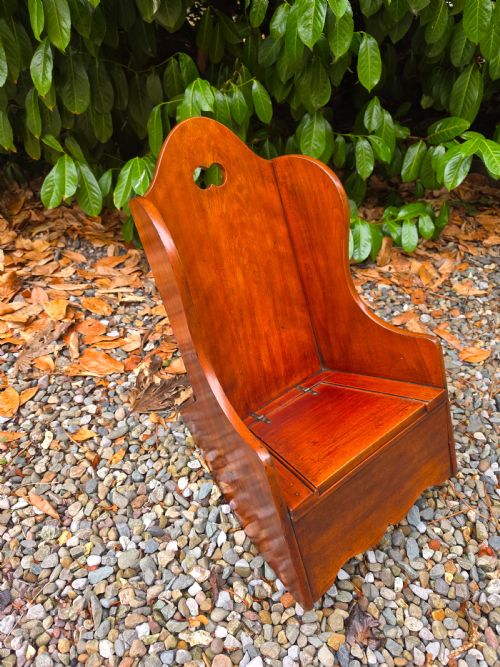
- Potty rocker
- A specialised child's rocking chair incorporating a commode seat or aperture beneath a lifting panel. These practical nursery items date primarily to the Georgian and early nineteenth-century periods.
Country Wooden Rocker Chair: Frequently Asked Questions
How do I date an old rocking chair?
Dating relies on examining the turning styles, tool marks, joinery methods, and the wear patterns on the wooden rockers. Characteristics such as hand-carved saddle seats and specific spindle profiles point toward distinct historical periods.
Changes in timber selection and assembly techniques also offer reliable clues to an item's age. Comparing the structural framing with documented vernacular examples helps narrow down the decade of manufacture.
Were these chairs originally made as rockers?
Many country chairs were built as rockers from the outset, while others had curved wooden rockers added to standard armchairs later in their working lives. Examining the base of the legs and the attachment points reveals whether the rocking action is original.
Original rockers often share the same wear patina and timber species as the upper frame. Converted chairs may show plugged holes or altered leg lengths where the base was modified.
What woods were used to build them?
Makers relied on locally available British and European hardwoods such as elm, ash, beech, oak, and fruitwood. Elm was traditionally chosen for solid plank seats because its interlocking grain resisted splitting under heavy use.
Ash and beech provided the necessary elasticity for steam-bent bows and slender turned spindles. Occasional pieces incorporate pine, mahogany, or sycamore depending on regional preference and the date of production.
How should I care for a wooden rocker?
Maintain the timber by keeping the chair away from direct heat sources and sudden humidity changes that can dry out old wood. Applying microcrystalline wax periodically preserves the surface without building up sticky residues.
Avoid harsh chemical cleaners and check the joints gently over time to ensure no looseness develops. Allowing the natural patina to remain safeguards the historic character of the finish.