







Country Vernacular Side Chair
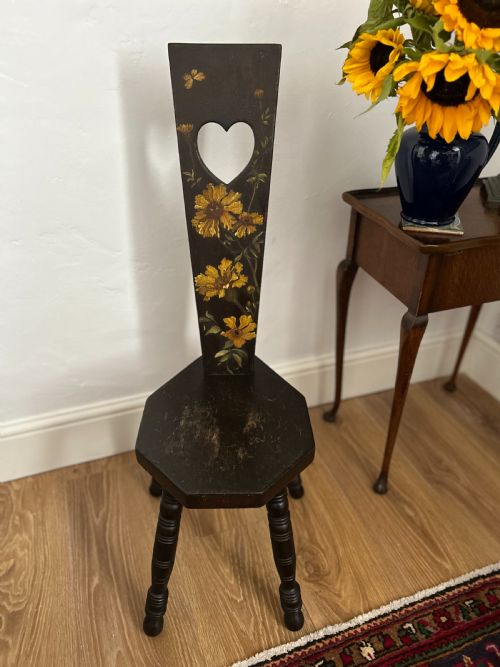
A country vernacular side chair brings honest regional craftsmanship and tactile timber directly into everyday domestic spaces.
Country Vernacular Side Chair
A country vernacular side chair represents domestic seating built by local makers outside metropolitan workshops, relying on regional traditions rather than prevailing London fashions. These pieces span the eighteenth and nineteenth centuries, emerging from English, Welsh, Scottish, Irish, and continental European rural communities.
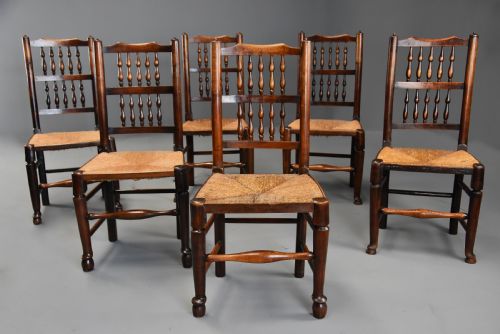
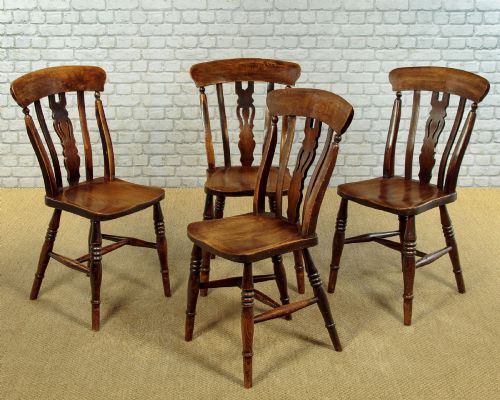
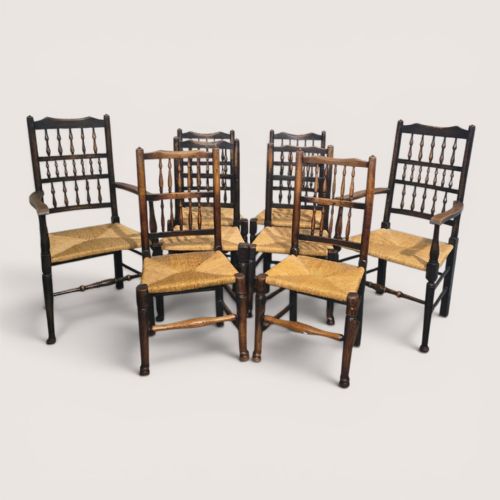
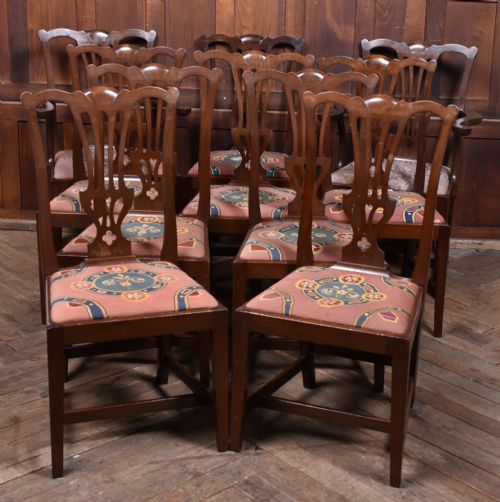
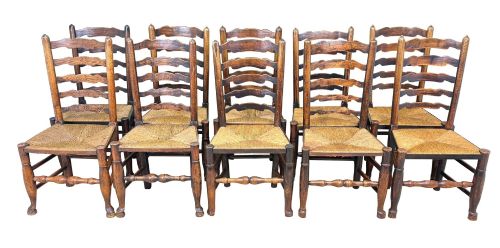
The selections available here emphasise utilitarian forms intended for kitchens, farmhouses, and halls rather than formal drawing rooms. Single pieces appear alongside matched and harlequin sets numbering up to sixteen chairs, reflecting how rural households gathered around large tables.
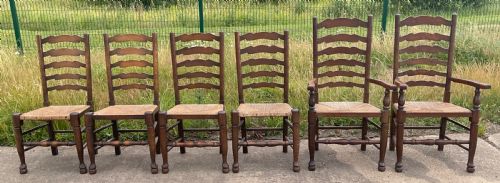
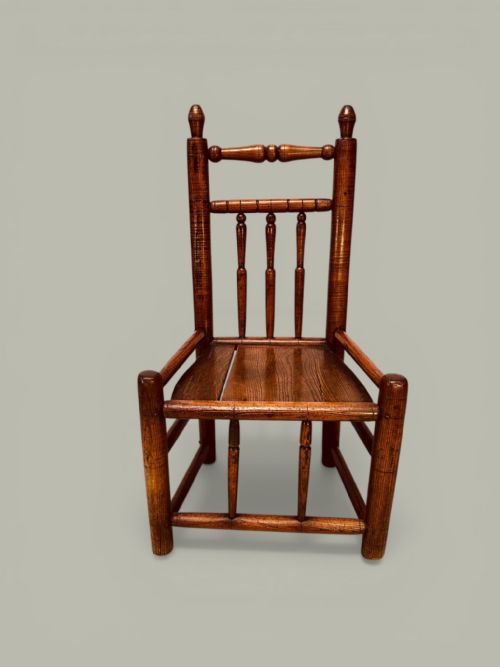
The structural vocabulary centres on ladderbacks, spindlebacks, Windsor variations, and solid wood panel seats. Buyers encounter regional distinctions such as Lancashire, Shropshire, and Welsh constructions alongside imported continental examples.
Distinctions in quality
The standard of a country vernacular side chair rests upon the harmony of its proportions and the integrity of its timber. Superior examples retain original turnings without excessive replacement spindles or reconstructed underframes.
Patina dictates visual success, where honest surface wear and deep oxidation elevate simple forms. Pieces retaining early paint layers or tight, undisturbed joints command greater appreciation among collectors.
Country Vernacular Side Chair Retail Price Guide 2026
Typical asking prices for country vernacular side chair among the pieces listed under this phrase on Sellingantiques today, from the lower quarter to the upper quarter. They describe what is for sale here now, not the wider market.
Current listings feature timber constructions spanning oak, ash, elm, beech, and walnut alongside rush and painted finishes across the eighteenth and nineteenth centuries.
Wheelers of Arncroach
The Country Vernacular Side Chair Glossary
- Vernacular chair
- Domestic seating produced by regional craftsmen without reference to high-style metropolitan design. These items prioritise local utility and available materials.
- Spindleback
- A chair back constructed with vertical turned wooden spindles set between horizontal rails. This lighter framing method gained widespread favour across eighteenth-century rural workshops.
- Ladderback
- A chair featuring horizontal arched slats fitted between rear upright posts. This form provides robust back support in kitchen and farmhouse environments.
- Rush seat
- A seating surface woven from dried marsh grasses twisted into cords. Such seats offer flexible comfort within wooden frames.
- Harlequin set
- A collection of chairs sharing similar stylistic traits but assembled from different sources or slightly varying dates. These groupings formed organically over time in domestic settings.
Country Vernacular Side Chair: Frequently Asked Questions
How do I care for a rush seat?
Keep rush seats in stable humidity environments away from direct heat sources to prevent the dried grass from becoming brittle and snapping.
Clean gently with a dry brush and avoid applying liquid polishes or water directly to the woven fibres.
Can I use these chairs daily?
Most antique country chairs remain structurally sound for regular dining use provided joints are checked periodically by a professional conservator.
Avoid placing excessive weight on single-slat ladderbacks or chairs with delicate historical repairs.
What is a harlequin set?
A harlequin set comprises multiple chairs that share a general regional style, material, and era but were not originally manufactured together as a single batch.
These assembled groups offer historical charm and accommodate larger dining tables where matching sets of twelve or sixteen are scarce.
How do I distinguish regional styles?
Regional characteristics appear in specific turning profiles, timber choices, and backrest configurations distinctive to counties or nations such as Lancashire or Wales.
Comparing spindle arrangements and seat shapes helps isolate the likely geographic origin of individual pieces.