



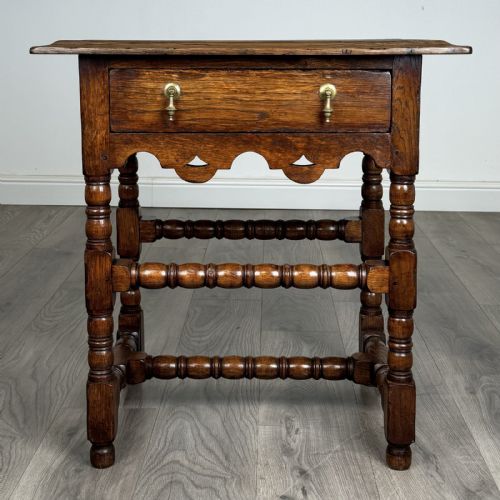
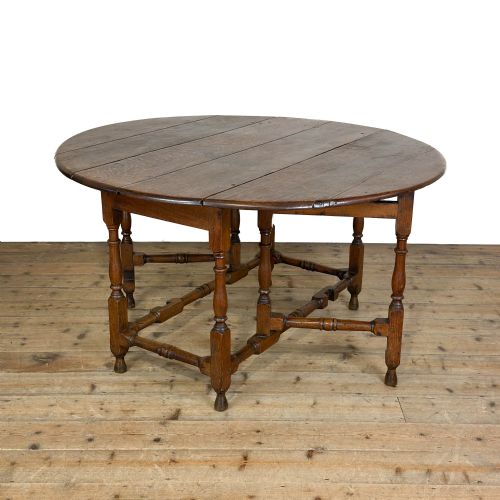
Country Style Table
A country style table brings honest utility and vernacular character into a room, forged from solid timber for daily service.
Country Style Table
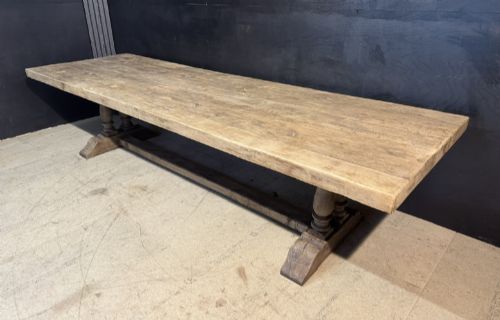
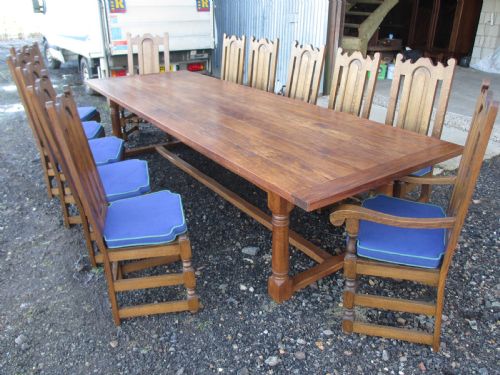
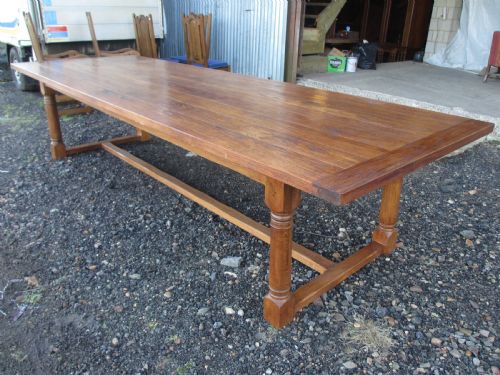
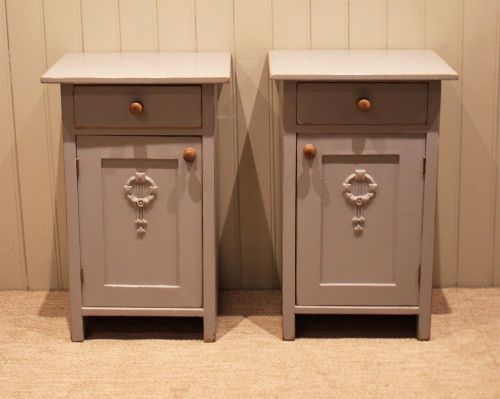
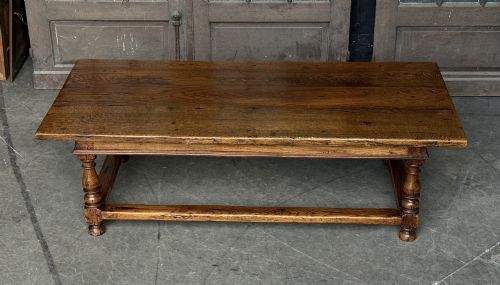
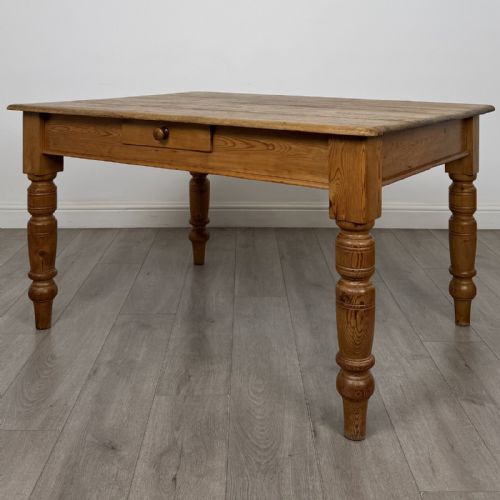
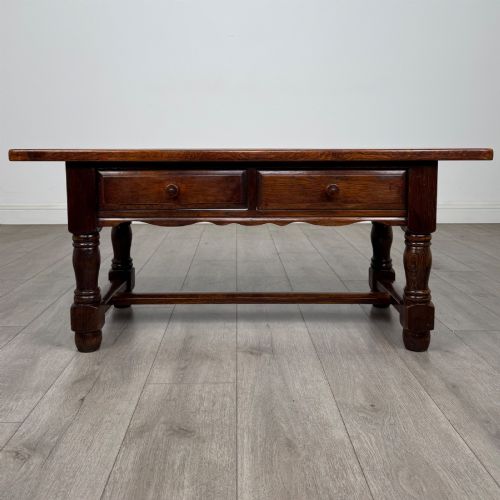
A country style table encompasses robust dining boards, low coffee tables, and compact side pieces built for unpretentious use. You encounter pieces spanning the eighteenth century through to the interwar decades, reflecting rural traditions across England, France, and Sweden. The most frequent forms on this page are dining tables and low coffee tables fashioned from honest timbers.
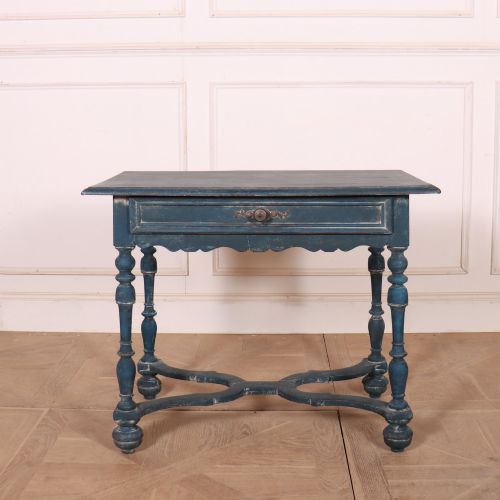
Makers drew on diverse regional traditions, ranging from English refectory formats to French provincial designs and Scandinavian painted surfaces. Structural honesty governs each piece, displaying functional joints and practical proportions rather than courtly ornament. Buyers select these tables to ground contemporary spaces in tactile, time-worn material history.
Judging quality and character
Quality rests in the integrity of the timber selection and the retention of original structural components over centuries of use. Superior examples display dense grain patterns, harmonious proportions between top and base, and surfaces untouched by aggressive modern stripping. The distinction lies between honest patination earned through service and heavy-handed restoration.
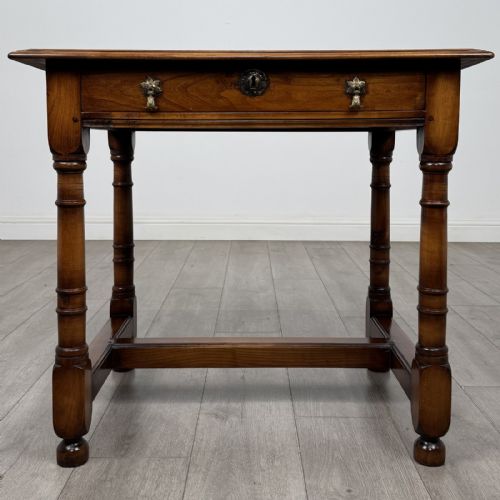
The sophistication of the turning on legs and the tightness of joints separate standard utility pieces from finer vernacular workshops. Original mounting ironwork, unblemished drawer linings, and untouched historic paint layers elevate the standing of any given example.
Country Style Table Retail Price Guide 2026
Typical asking prices for country style table among the pieces listed under this phrase on Sellingantiques today, from the lower quarter to the upper quarter. They describe what is for sale here now, not the wider market.
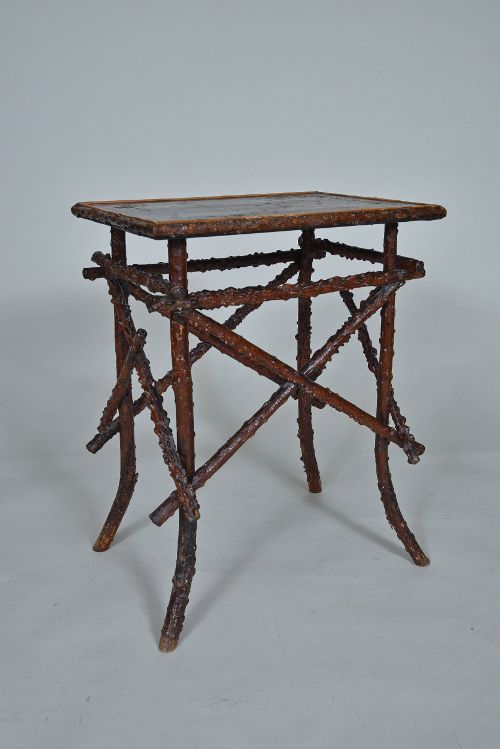
One nineteenth-century elm chopping block rests upon its original gnarled legs, bringing literal root-to-branch utility indoors.
The Country Style Table Glossary
- Refectory table
- A long dining table traditionally used in monastic refectories, characterised by stretcher-linked legs and substantial plank tops. These forms provide generous seating capacity for modern dining rooms.
- Dresser base
- A low freestanding cabinet featuring drawers or cupboards beneath a flat top surface, frequently utilised as a serving table or sideboard. They originate from rural domestic kitchens where storage and workspace met.
- Cricket table
- A small, lightweight occasional table supported by three splayed legs and a circular top, designed for stability on uneven farmhouse floors. The triangular leg arrangement prevents wobbling on flagstone surfaces.
- Gateleg table
- A drop-leaf table featuring hinged legs that swing outward to support folding flaps on either side. This mechanism allows the surface area to expand or contract according to space requirements.
- Bobbin leg
- A turned wooden furniture leg shaped to resemble a series of wooden bobbins or spools stacked end-to-end. This decorative turning style appears frequently on seventeenth-century revival pieces.
Country Style Table: Frequently Asked Questions
How do I clean a wooden table?
Dust surfaces regularly with a dry cloth and feed dry timber occasionally with a quality beeswax to maintain the finish.
Avoid chemical cleaning agents and keep solid wood pieces away from direct heat sources to prevent timber splitting.
Are these tables suitable for daily dining?
Most pieces were built specifically for heavy domestic labour and dining, making them exceptionally durable for everyday modern family life.
Use coasters and protective mats to shield historic wax or painted finishes from moisture rings and heat damage.
What defines a refectory table?
A refectory table is distinguished by its elongated rectangular top supported by heavy legs joined near the floor by stretchers.
Originally designed for communal dining halls, these tables offer robust construction and generous seating capacity.
How do I date an oak table?
Examine the underside and joints for hand-cut pegged tenons, adze marks, and natural timber shrinkage rather than modern mechanical screws.
Historic wear patterns around stretcher bars and footings also provide reliable indicators of age and long-term use.