




Country Provincial Stool
Country provincial stool designs bring robust vernacular character and honest timber construction straight into modern interiors.
Country Provincial Stool
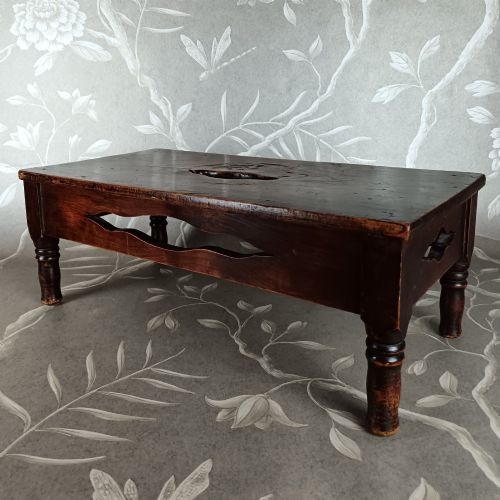
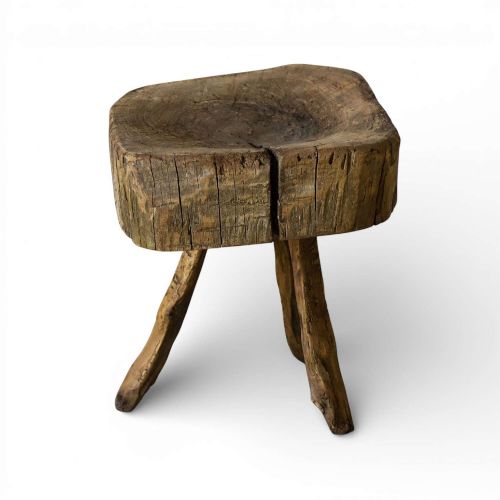
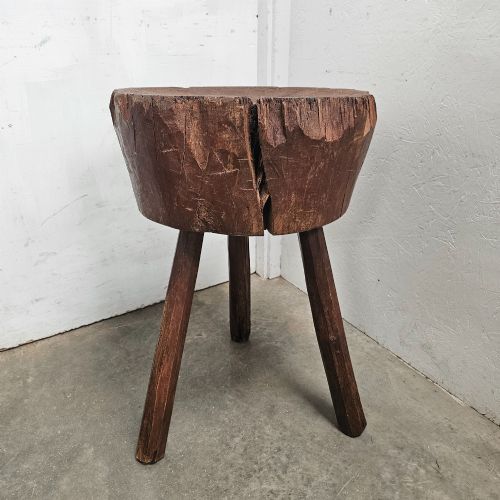
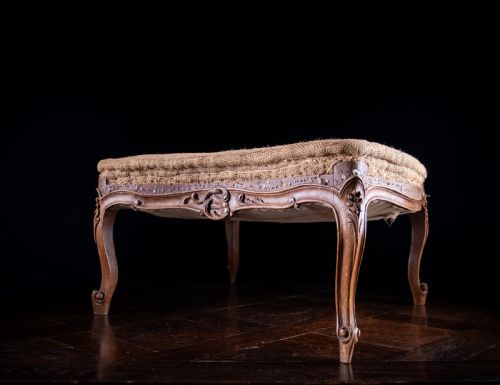
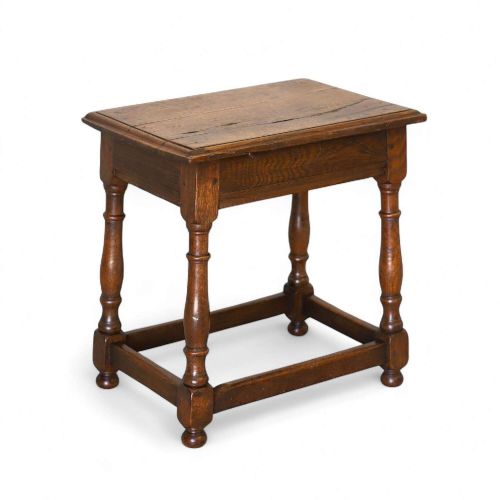
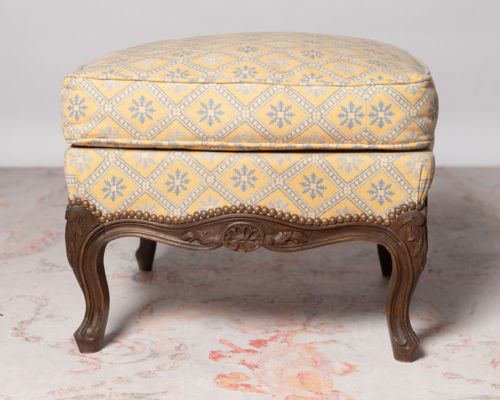
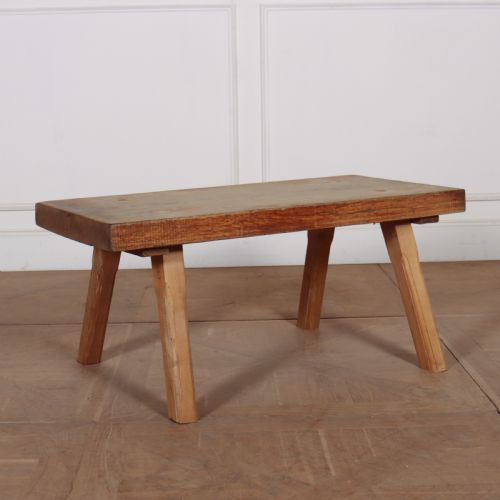
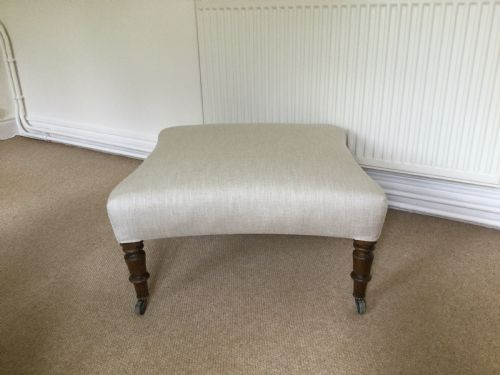
When you search for a country provincial stool, you are looking at practical domestic seating born from regional workshops rather than metropolitan cabinet makers. The pieces available here span the eighteenth and nineteenth centuries, taking the form of low footstools, heavy chopping blocks, and simple wooden benches. Oak, elm, beech, and pine provide the structural honesty that defines these rustic forms.
The versions most frequently met on this page originate from French and English rural traditions, often displaying the natural grain and aged patina of solid timber. Alongside traditional seating, related vernacular items such as game blocks and low tables appear, sharing the same utilitarian heritage. These items appeal to collectors who value function and regional identity over polished formality.
Materials and construction methods
Makers relied upon locally sourced hardwoods like oak, elm, beech, and cherry wood, selecting timber for strength and practical utility. Legs were frequently turned or shaped from gnarled branches and solid trunks, secured with traditional joinery that prioritized durability over decorative refinement.
Surface finishes remained minimal, allowing the natural warmth of the wood to emerge through daily use rather than heavy varnishing. Where upholstery was applied, simple fabrics or tapestry seats were fitted to straightforward wooden frames, reflecting straightforward rural craftsmanship.
Country Provincial Stool Retail Price Guide 2026
Typical asking prices for country provincial stool among the pieces listed under this phrase on Sellingantiques today, from the lower quarter to the upper quarter. They describe what is for sale here now, not the wider market.
Judging quality in rural seating
Quality in a country provincial stool rests entirely upon the integrity of the timber and the honesty of its wear. Pieces retaining their original unpainted surfaces and uncompromised structural joints command greater admiration from collectors.
Proportion and the character of the wood grain distinguish exceptional regional examples from routine utilitarian objects. The presence of honest patination tells the history of daily use without diminishing the strength of the form.
The Country Provincial Stool Glossary
- Vernacular Rural Style
- Furniture designed for local use by regional craftsmen, utilising native materials without metropolitan stylistic influence.
- Joint Stool
- A low wooden stool constructed with mortise and tenon joints, common in early domestic interiors.
- Chopping Block
- A heavy, thick section of timber originally used for food preparation, valued today for its sculptural presence.
- Patina
- The surface sheen and colour developed over decades of handling, exposure, and wax polishing.
- Elm
- A tough, interlocking hardwood frequently chosen for seats and blocks due to its resistance to splitting.
Country Provincial Stool: Frequently Asked Questions
How were these stools used originally?
They served as everyday seating near the hearth, low footstools, or functional blocks for domestic chores in farmhouses and provincial homes.
Their sturdy construction was designed to withstand demanding daily use in busy rural environments.
How do I style a provincial stool today?
These pieces integrate easily into contemporary spaces as side tables, bedside surfaces, or organic sculptural accents.
Their aged timber and simple forms introduce warmth and historical texture to modern interiors.
How can I tell the period of a wooden stool?
Dating relies on observing tool marks, timber selection, construction methods, and the natural depth of the surface patina.
Eighteenth-century examples often display heavier oak framing, while nineteenth-century pieces frequently utilise elm, beech, or pine.