
Country Pine Storage Cabinet
A country pine storage cabinet brings honest utility and warm grain to any room, offering generous proportions built for daily domestic life.
Country Pine Storage Cabinet
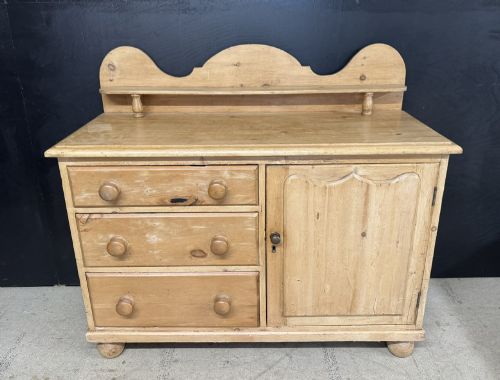
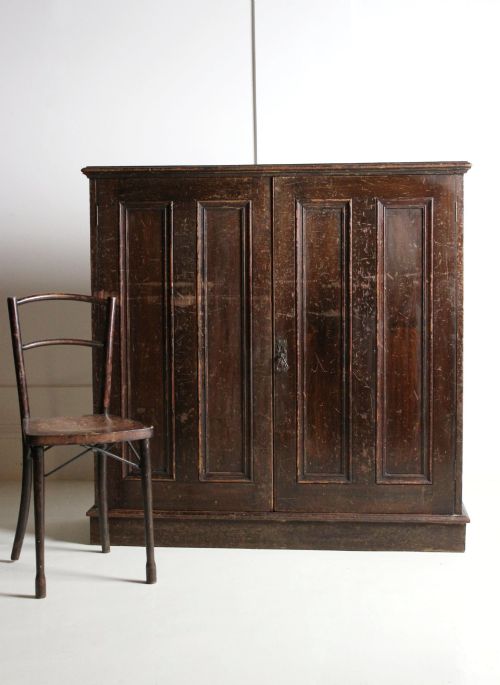
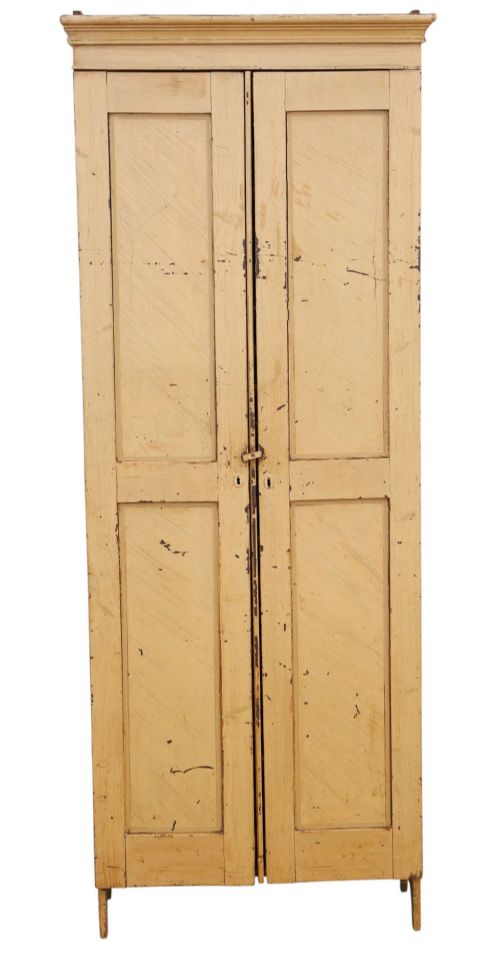
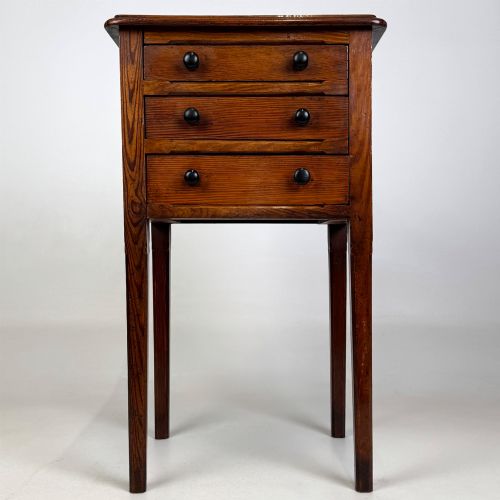
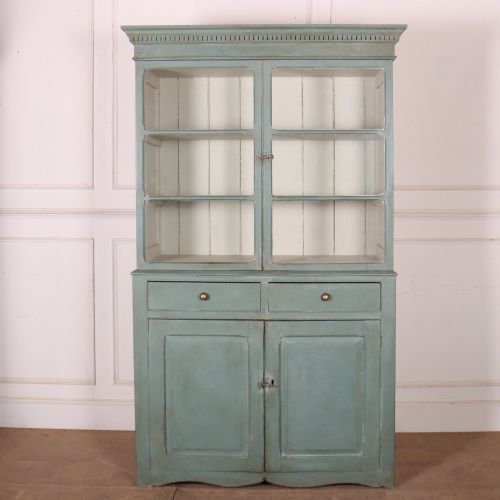
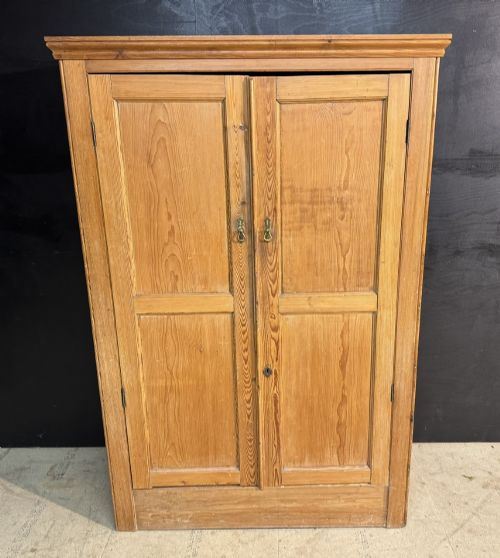
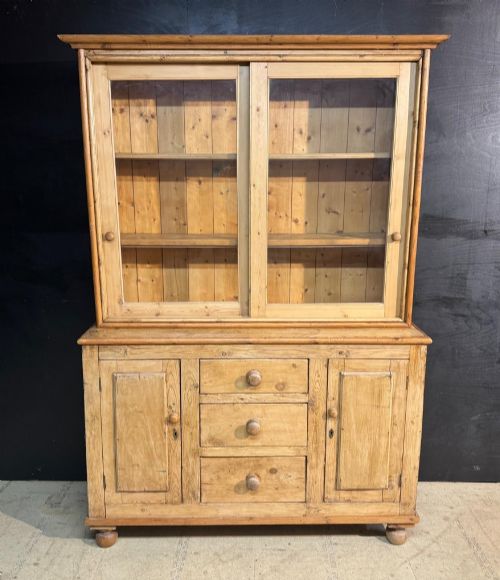
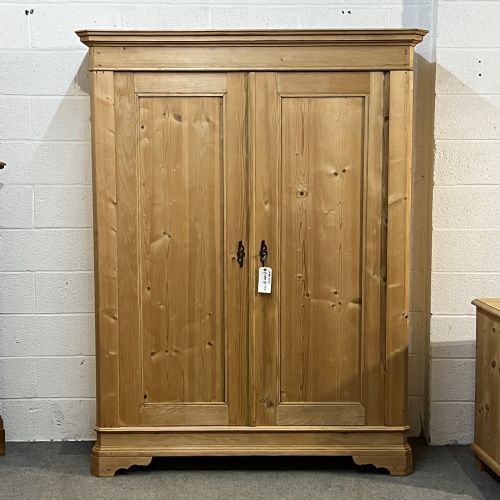
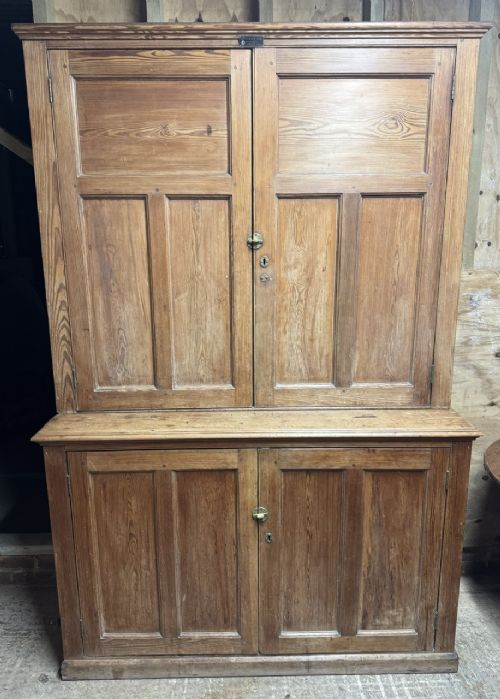
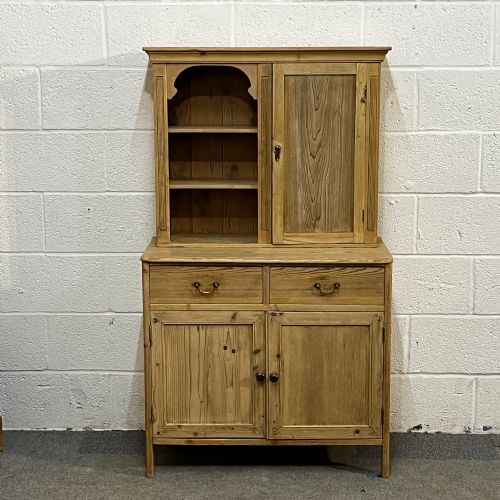
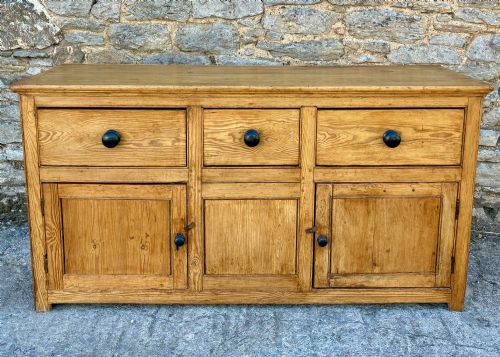
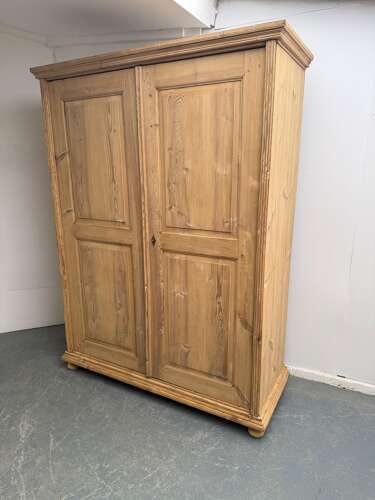
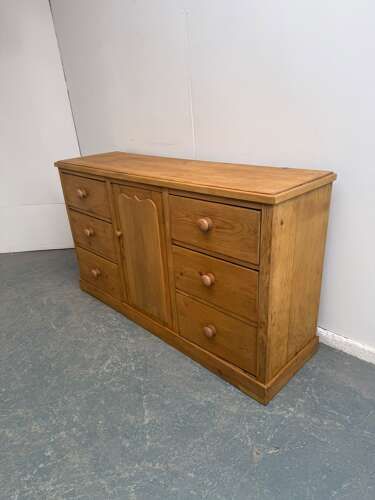
A country pine storage cabinet encompasses robust domestic furniture created to hold provisions, linens, and household gear. The selection ranges from tall housekeeping cupboards and larder units to kitchen dressers, corner cabinets, and wardrobes originating across the nineteenth century.
Victorian examples dominate the selection, alongside Georgian and early twentieth-century pieces reflecting English, Scottish, Welsh, and French provincial traditions. Buyers encounter everything from narrow hall cupboards and two-part dressers to massive wardrobes and confiturier jam cupboards.
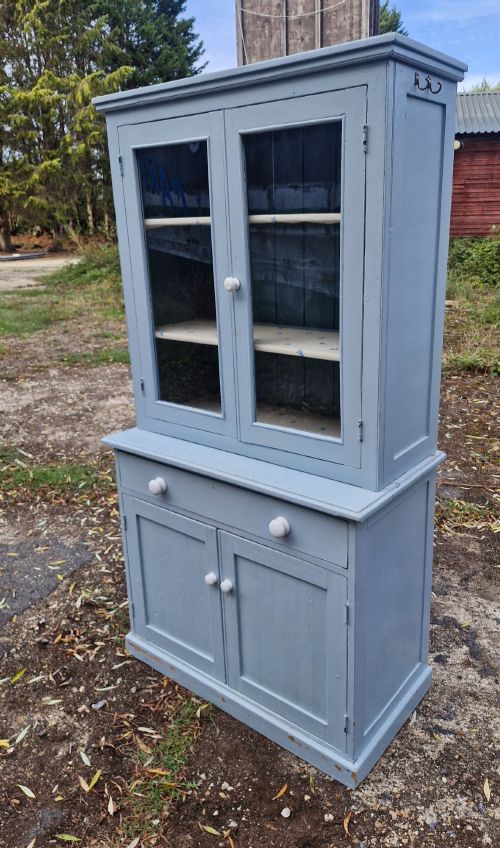
The practical forms reflect the domestic requirements of past rural households. Many retain functional configurations such as panelled doors, drawers, shelves, and glazed upper sections designed for everyday storage.
How they were made
Makers utilised solid pine, alongside pitch pine, constructing carcases with traditional joinery that accommodated the natural movement of softwood. Iron, brass, and glass furnish the hinges, handles, and panel inserts.
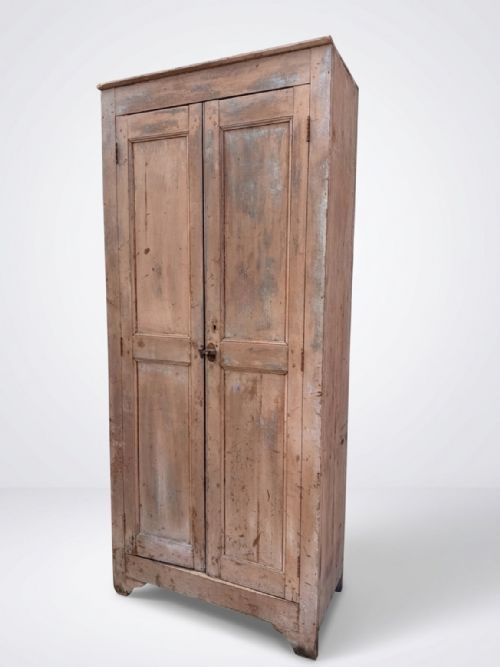
Surfaces receive various finishes depending on their period and regional origin, including waxed treatments, clear polish, and original or scumble paint. Many pieces show the marks of historical stripping or retain layers of historic pigment.
Several cupboards show traces of scumble paint applied by thrifty rural makers who fancied their pine looking like rich oak.
What varies in quality
The standard of construction relies upon the integrity of the timber selection and the retention of original fixtures, such as brass hardware and glass panes. Pieces displaying untouched surfaces, original paint, or well-maintained waxed finishes command greater interest from collectors.
Proportion and scale dictate the visual appeal of each unit, with well-balanced cornices and harmonious drawer configurations elevating simpler utilitarian forms. Regional variations in regional craftsmanship also introduce subtle distinctions in structural finesse.
The Country Pine Storage Cabinet Glossary
- Housekeeper's cupboard
- A large tall storage cabinet traditionally used for housing household linens, dry goods, and provisions. These pieces often feature multiple doors and internal shelving.
- Dresser base
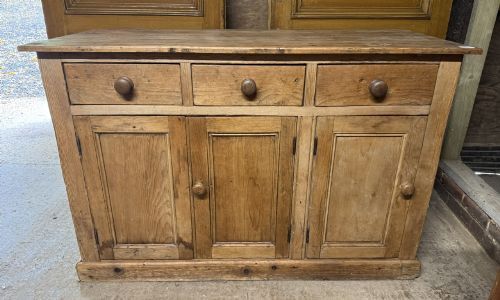
- The lower section of a kitchen dresser, usually combining drawers and cupboards beneath a sturdy timber top. They function well as sideboards in modern interiors.
- Confiturier
- A small French cupboard originally designed to store pots of confit and preserves. They typically feature a single door above a small drawer.
- Scumble paint
- A decorative glazing technique applied over a base coat to imitate the grain of more expensive hardwoods. Artisans utilised combs and brushes to create patterned effects on pine furniture.
- Linen press
- A tall storage unit designed specifically for folding and storing garments and household textiles. They often incorporate sliding trays or shelves behind panelled upper doors.
Country Pine Storage Cabinet: Frequently Asked Questions
What is a country pine storage cabinet?
A country pine storage cabinet is a utilitarian piece of antique furniture built from softwood to hold household goods. These items include kitchen dressers, housekeeping cupboards, and wardrobes from the nineteenth century.
They serve as practical storage solutions while adding rustic character to contemporary rooms. Their versatile designs fit easily into kitchens, hallways, and living spaces.
How do I care for waxed pine furniture?
Waxed pine requires occasional gentle cleaning with a soft cloth and the application of a quality beeswax polish. Avoid placing these cabinets near direct heat sources or strong sunlight to prevent the timber from drying out.
Maintaining the wax coat preserves the natural lustre of the wood grain. Regular light buffing helps protect the surface from everyday wear.
How can I date an antique pine cabinet?
Dating relies on examining construction methods, timber characteristics, and hardware types used in the piece. Hand-cut dovetails, handmade nails, and original painted finishes often indicate nineteenth-century or earlier origins.
Stylistic cues such as Georgian proportions or Victorian detailing help narrow the manufacturing era. Regional construction traits also provide useful clues regarding provenance.
Are painted pine cabinets original?
Many cabinets retain their original paint or scumble decoration applied during the nineteenth century. Other pieces were stripped to bare pine during later decades or repainted to suit domestic tastes.
Examining the layers of pigment helps determine whether the surface finish is historic. Original paint adds significant character and historical value to the piece.