
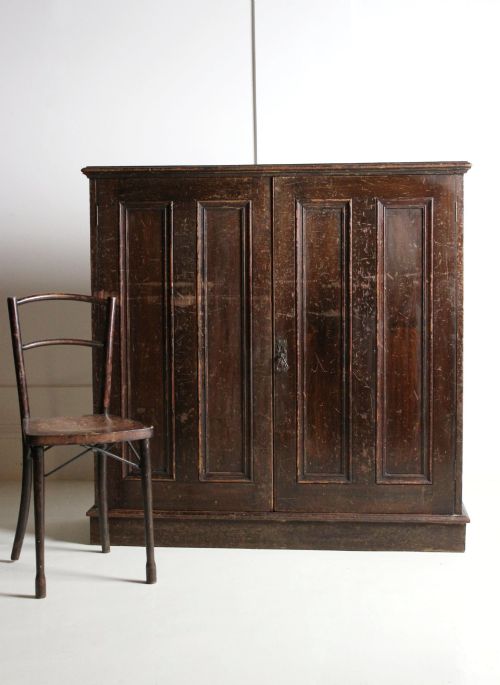
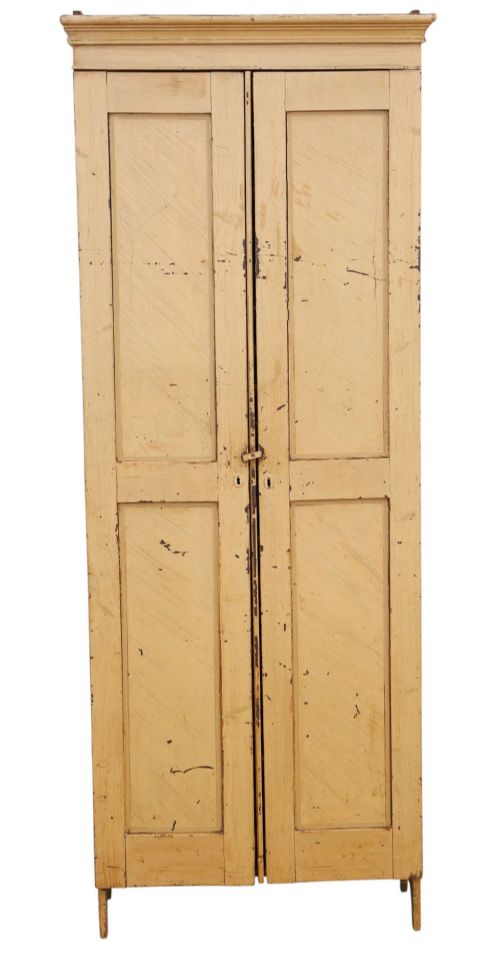
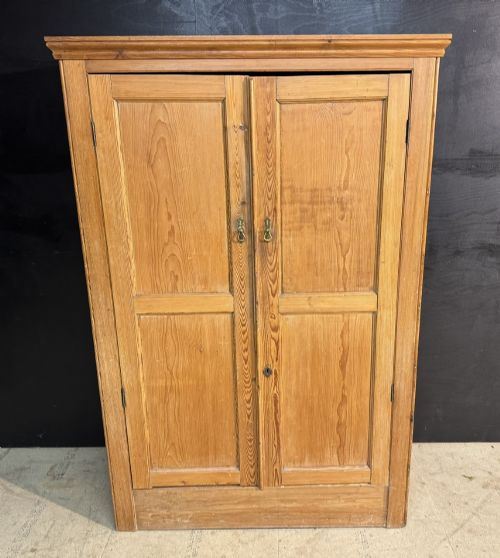
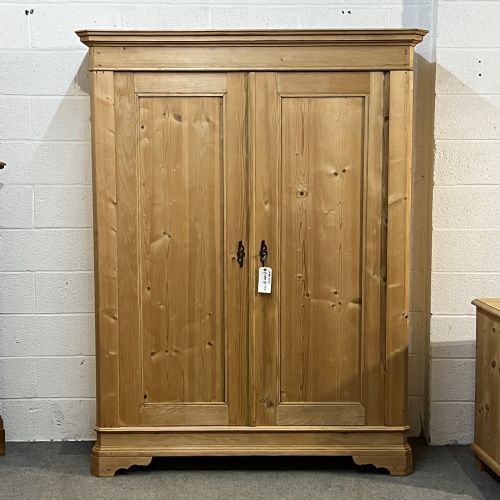
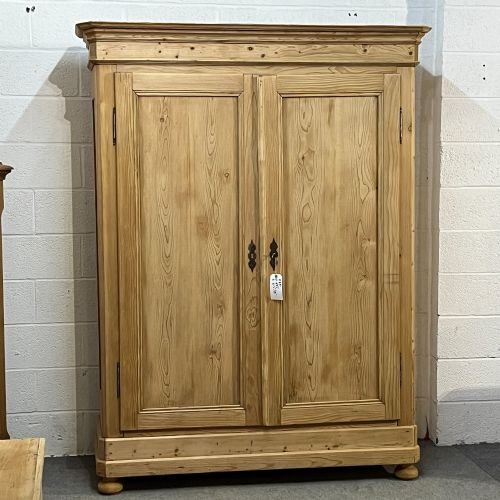
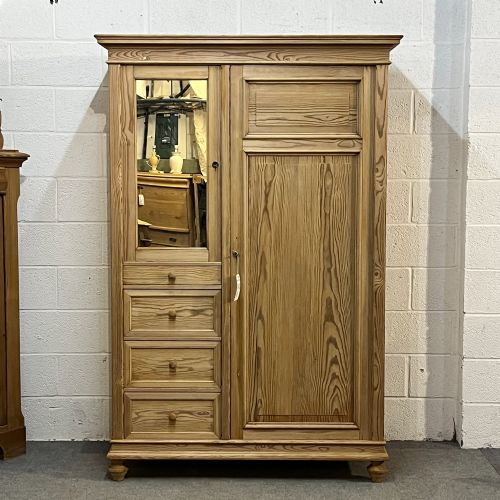
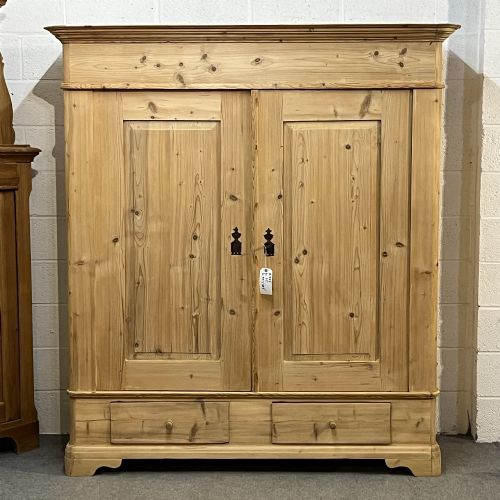
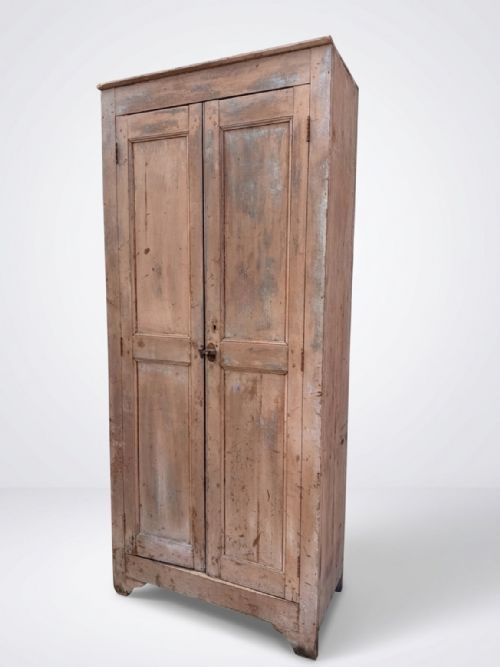
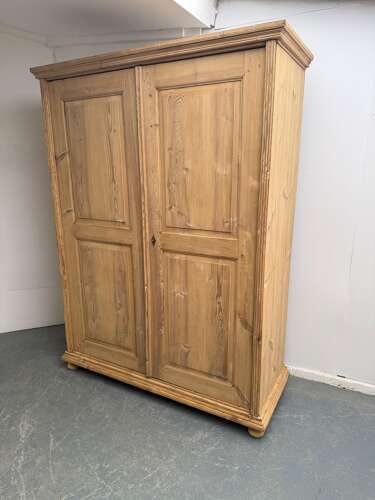
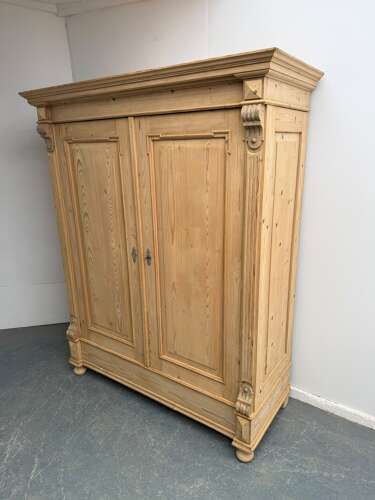
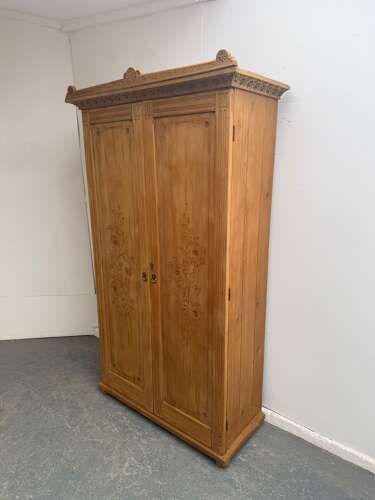
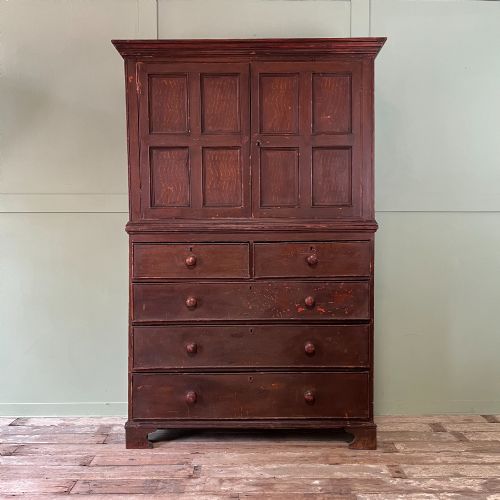
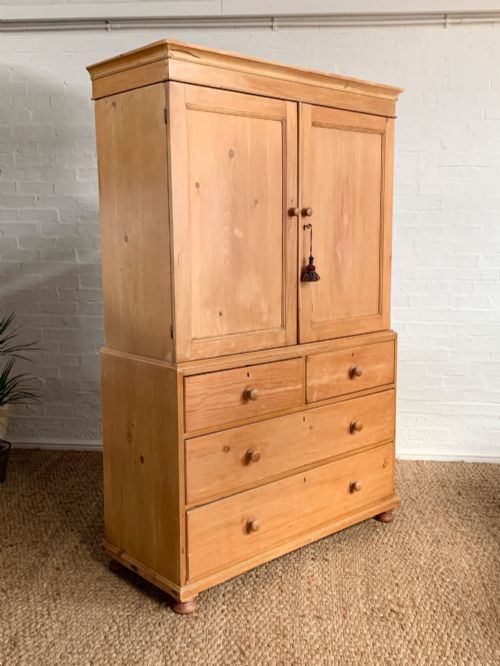
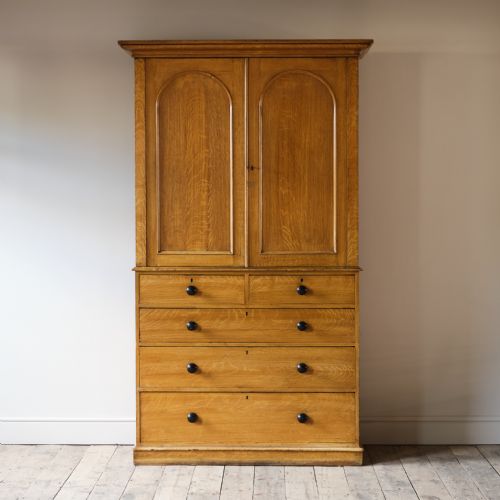
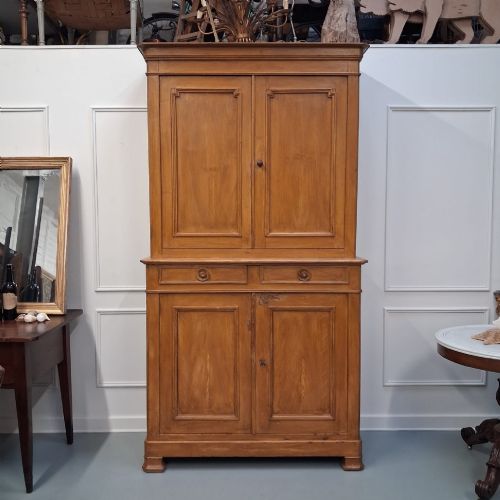
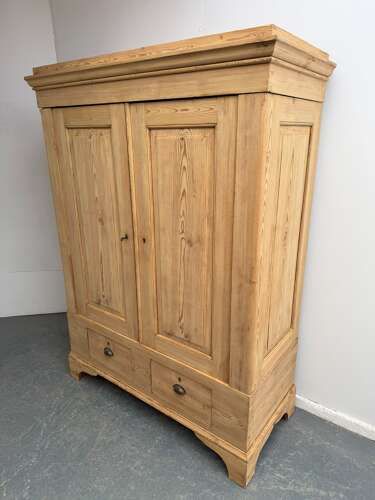
Country Pine Press Cupboard
A country pine press cupboard brings sturdy utility and honest grain to domestic storage, grounding a room with centuries of working heritage.
Country Pine Press Cupboard
When searching for a country pine press cupboard, buyers encounter substantial storage furniture designed for linen, clothing, and household provisions. These pieces span Georgian, Victorian, and early twentieth-century periods, originating from British, Irish, French, and Scandinavian workshops.
The form typically combines upper shelving or hanging compartments with lower drawers or cupboards, often built as knockdown units to ease transport between rural rooms. Painted, waxed, and scumble-finished surfaces appear alongside raw pine, reflecting regional domestic traditions.
While listings include related storage forms like linen presses, housekeepers' cupboards, and wardrobes, the core object remains a utilitarian timber cabinet built for everyday family use.
How they were made
Carpenters constructed these cupboards primarily from solid pine, utilising iron hinges, brass fittings, and glass panels for glazed doors. Surfaces received various protective treatments, from traditional wax finishes to layers of paint, scumble glaze, and plain cream pigment.
Construction methods prioritised practicality, employing fielded panels, moulded cornices, and pegged joints designed to withstand heavy domestic service. Many larger wardrobes and presses utilised knockdown construction with integrated drawer boxes, allowing the carcase to separate for transit.
Some nineteenth-century housekeepers hid extra linen shelves behind secret pegged panels to guard household treasures from prying eyes.
What varies in quality
Quality rests in the architectural proportions of the carcase and the integrity of the original timber rather than surface ornamentation. Pieces retaining early or original paint finishes command distinct interest compared to those stripped down to bare wood.
Joinery detail separates standard utility cupboards from finer examples, evident in clean panel alignment, well-fitted drawers, and substantial cornices. The survival of original brass or iron hardware also distinguishes superior pieces from later replacements.
The Country Pine Press Cupboard Glossary
- Press cupboard
- A tall piece of furniture designed for storing clothing or linen, usually featuring interior shelves or hanging space above lower drawers.
- Knockdown
- A piece of furniture built to be disassembled into flat panels and sections for easier transport and installation in upper rooms.
- Scumble painted
- A decorative paint technique where a translucent top glaze is manipulated with combs or rags to imitate more expensive wood grain.
- Fielded panel
- A wooden panel with bevelled edges that fit into a recessed groove within a frame, allowing the timber to expand and contract.
- Compactum
- A fitted wardrobe containing a combination of hanging space, drawers, shelves, and sometimes shoe racks within a single compact unit.
Country Pine Press Cupboard: Frequently Asked Questions
How do I care for waxed pine furniture?
Maintain waxed pine surfaces by dusting regularly with a soft cloth and applying a traditional beeswax polish sparingly when the timber appears dry. Avoid placing these cupboards near direct heat sources or strong sunlight, which can dry out the softwood and cause timber movement.
Allow the wood to breathe naturally rather than sealing it with modern synthetic varnishes, preserving the matte patina built up over decades of domestic use.
What is a knockdown wardrobe?
A knockdown wardrobe is a large piece of furniture engineered to be taken apart into separate panels, cornices, and base sections without permanent damage to the joints. This clever construction method allowed bulky timber presses to be transported up narrow staircases and through small cottage doorways.
Buyers should check that the original pegged joints or iron bolts remain intact to ensure the assembled carcase stands square and stable.
How do I date an antique pine press?
Dating relies on observing construction characteristics, tool marks, and overall proportions alongside any recorded history. Georgian and early nineteenth-century pieces often display hand-sawn boards and pegged joinery, while later Victorian examples introduce machine-cut mouldings and cast iron hardware.
Surface finishes also offer clues, as original paint, scumble glazes, or early wax layers provide physical evidence of the era in which the cupboard was built and used.