
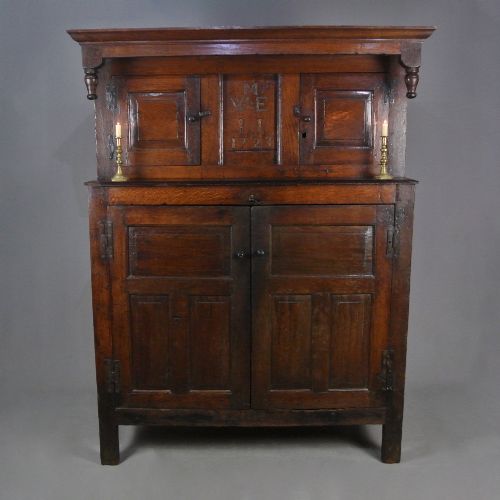
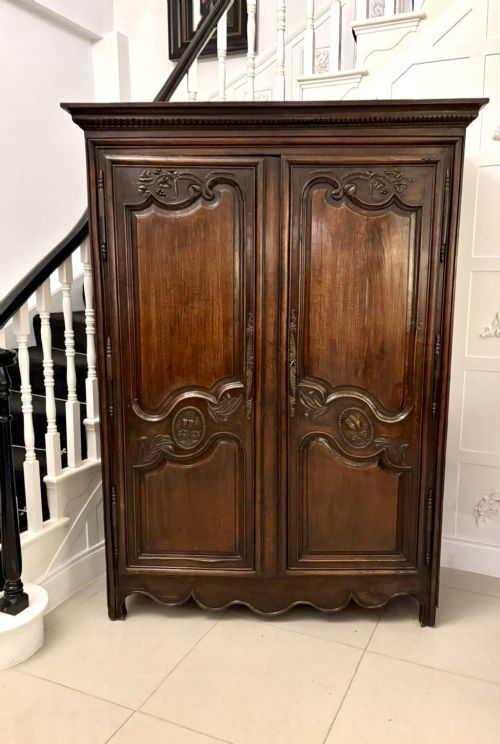
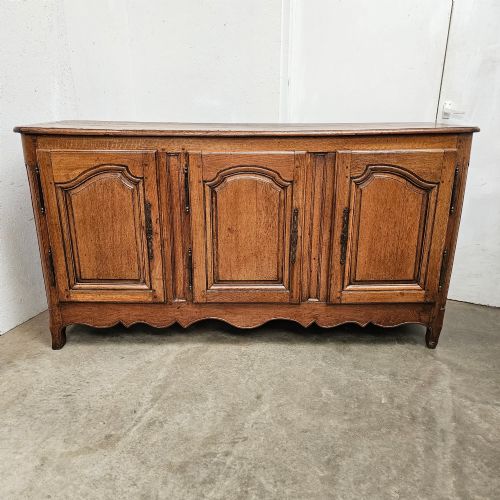
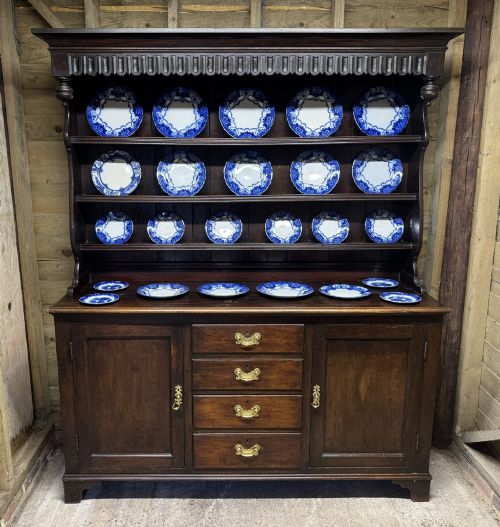
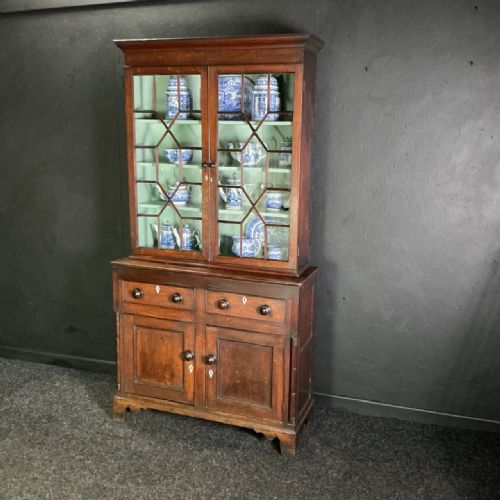
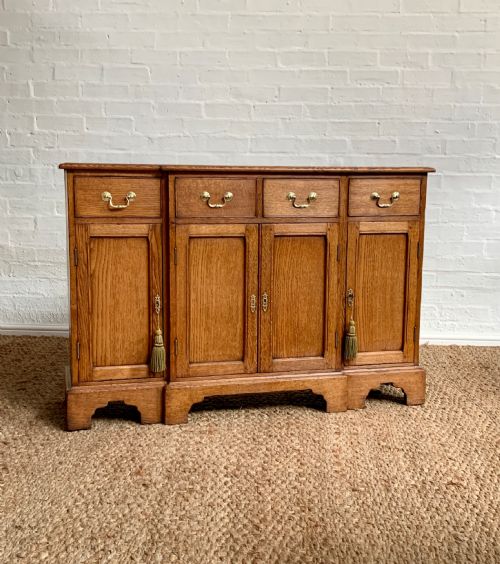
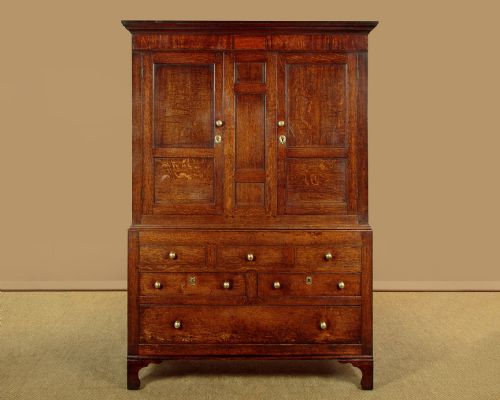
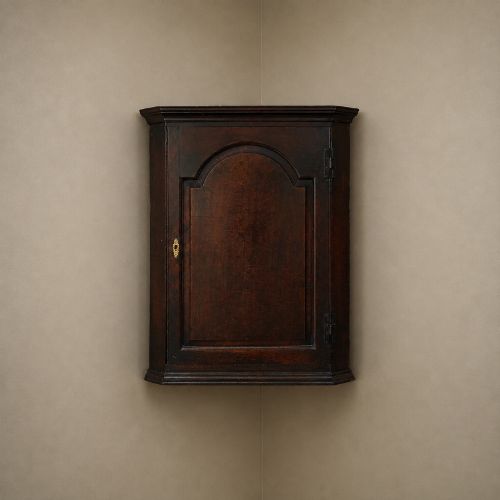
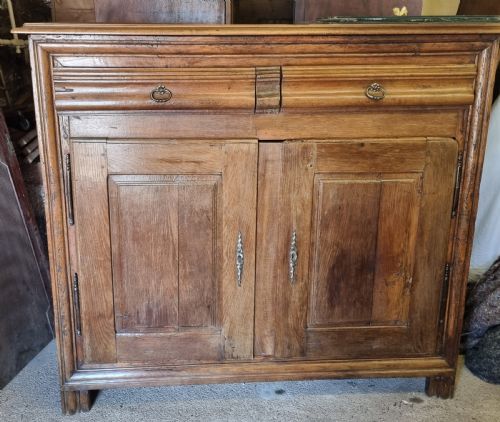
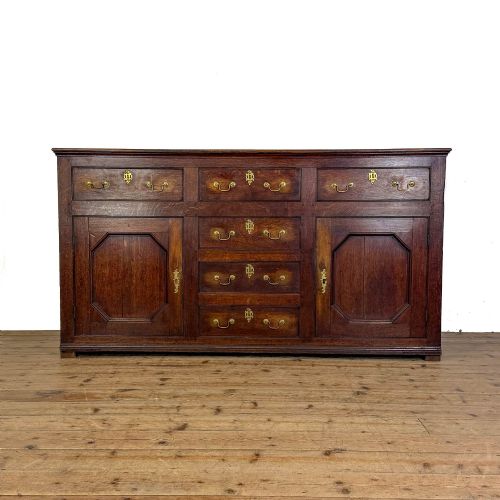
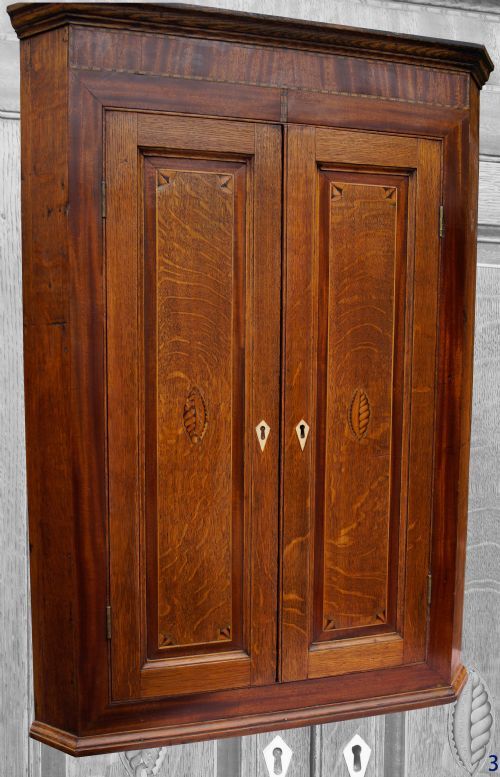

Country Oak Storage Cabinet
A country oak storage cabinet brings centuries of tactile warmth and honest utility into a room.
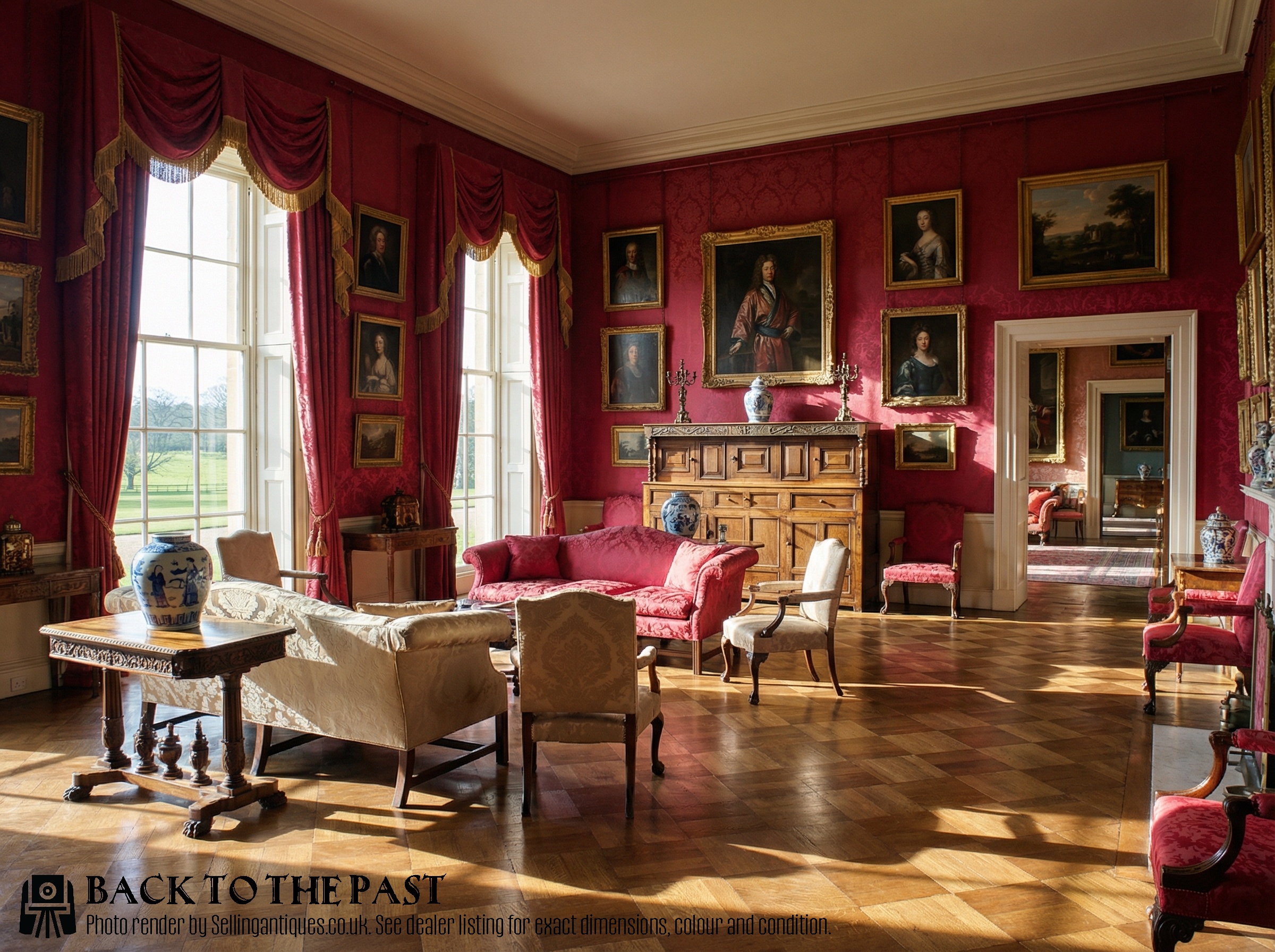
Country Oak Storage Cabinet
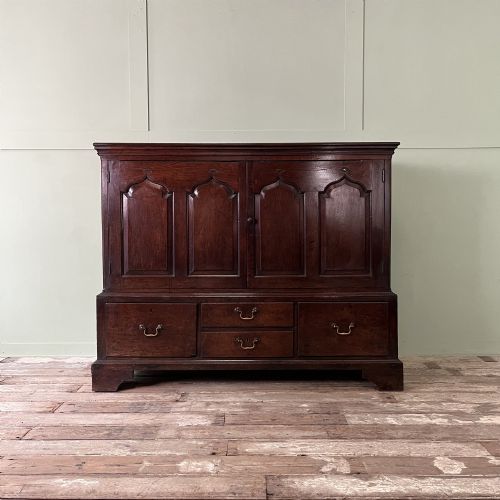
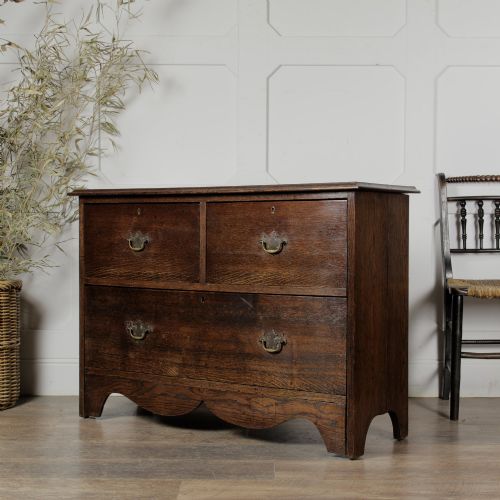
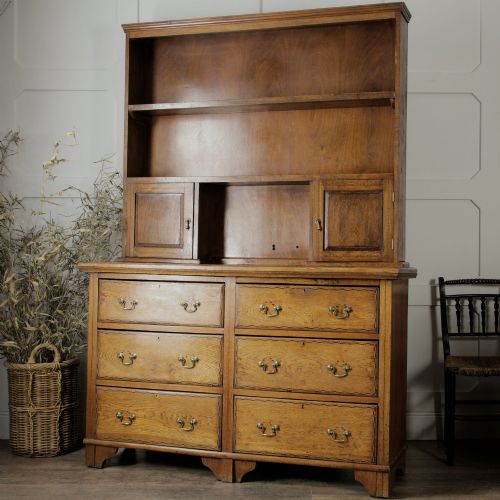
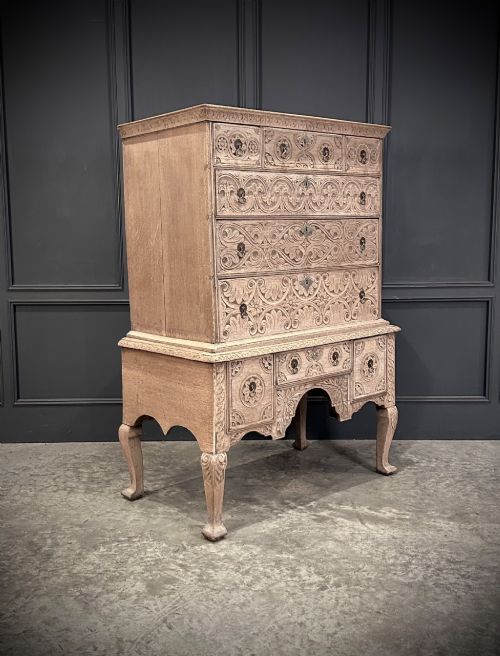
When searching for a country oak storage cabinet, buyers encounter robust pieces built for practical storage in domestic settings rather than formal parlours. The selections span centuries of provincial carpentry, including regional cupboards, dressers, linen presses, and chests of drawers.
The prevailing examples originate from English, Welsh, and French provincial traditions, dating primarily from the seventeenth, eighteenth, and nineteenth centuries. Forms range from low court cupboards and corner cabinets to tall housekeepers' cupboards and armoires designed to hold household provisions.
Many items display the straightforward utility typical of rural workshops, utilising local timber to create functional storage solutions. These pieces often exhibit regional characteristics, such as Welsh vernacular drawer arrangements or French provincial panel work.
What varies in quality
Quality rests in the integrity of the original construction and the survival of surface character, such as patinated boards and untouched blacksmith hardware. Pieces that retain their original locks, hinges, and backboards hold greater structural and historical coherence.
Proportion and timber selection also divide standard utilitarian items from finer provincial examples. Finer cabinets exhibit thoughtful grain alignment in the oak panels, balanced proportions, and minimal later alterations to the interior shelving or feet.
A few seventeenth-century cupboards still retain their original blacksmith locks, ready to secure provisions from very determined mice.
The Country Oak Storage Cabinet Glossary
- Court cupboard
- A traditional enclosed piece of furniture used for storing food and utensils, typically featuring upper and lower tiers with carved or panelled doors.
- Dresser base
- A low sideboard or cabinet with drawers, often originating from farmhouse kitchens where it provided a sturdy work surface and utensil storage.
- Linen press
- A tall cupboard specifically designed for storing household textiles, usually containing internal sliding trays or shelves above a set of drawers.
- Provincial
- A term describing furniture made in regional areas outside the capital, often reflecting local traditions, available materials, and practical domestic needs.
- Vernacular
- Everyday architecture or furniture built by local craftsmen to address specific regional requirements without adherence to high-style academic design.
Country Oak Storage Cabinet: Frequently Asked Questions
Where should I put a country oak storage cabinet?
These cabinets suit dining rooms, kitchens, and hallways where their deep shelves and drawers hold tableware, linens, or books.
Placing them away from direct heat sources prevents the solid oak timbers from drying out and splitting over time.
How do I clean a historic oak cabinet?
Dust the surfaces regularly with a soft, dry cloth to remove grit without disturbing the accumulated patina of the wood.
Avoid modern liquid polishes containing silicone, choosing instead a traditional beeswax applied sparingly when the timber appears dry.
How can I tell an eighteenth-century cupboard from a later copy?
Examine the interior boards, drawer linings, and back panels for hand-tool marks, peg construction, and consistent timber ageing.
Older pieces display irregular hand-planed surfaces and wrought iron fastenings that differ from uniform modern machine production.
What is the difference between a dresser base and a sideboard?
A dresser base derives from rural kitchen environments, traditionally offering deep drawers and straightforward pot boards beneath a wide timber top.
Sideboards generally emerged later in formal dining rooms with more decorative carving and refined proportions for serving food.