

Country Oak Kitchen Rack
A country oak kitchen rack offers honest, utilitarian storage that grounds an interior with centuries of regional craftsmanship.
Country Oak Kitchen Rack
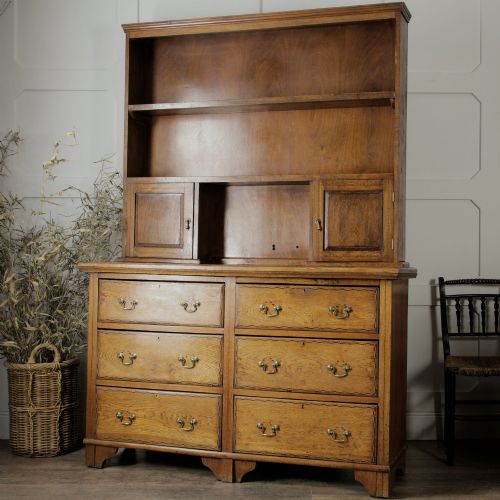
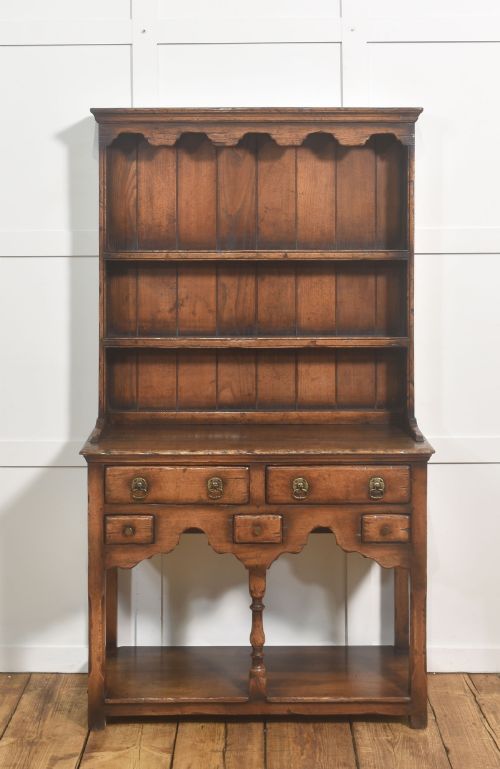
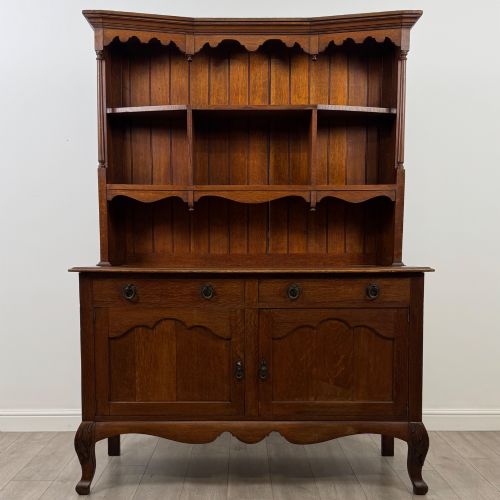
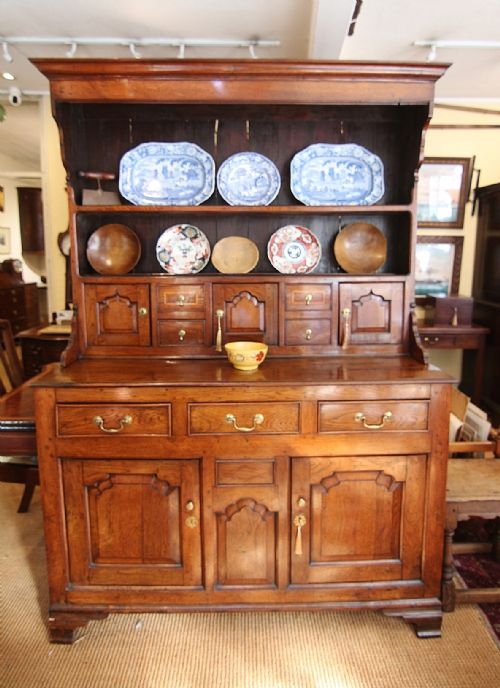
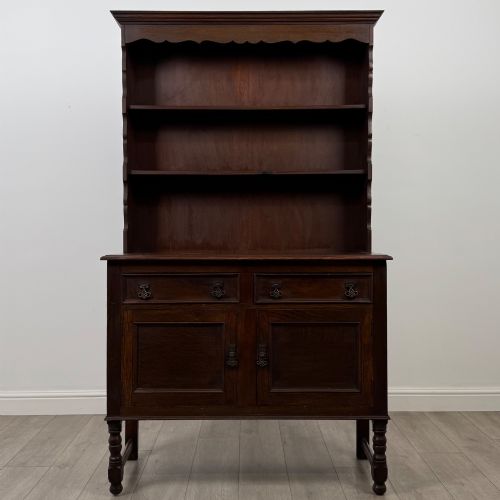
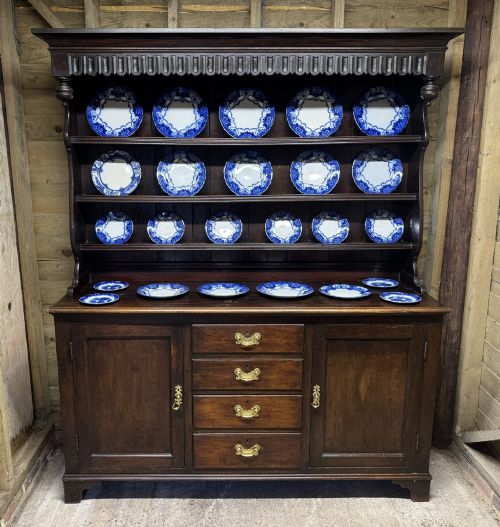
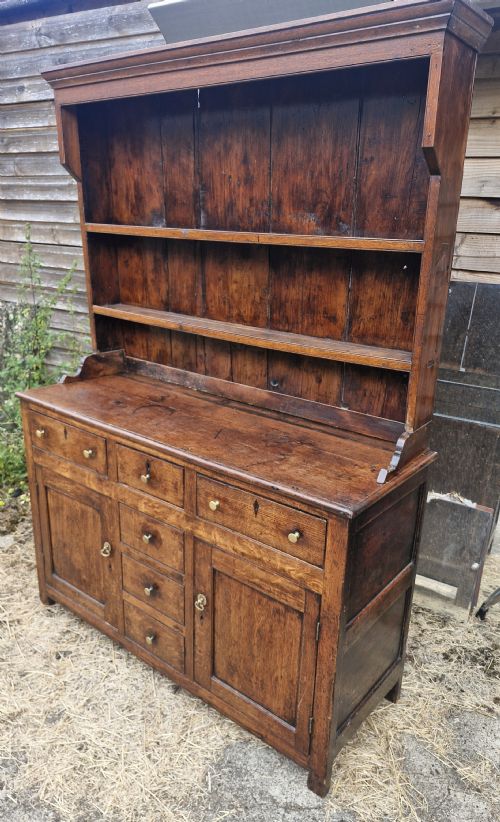
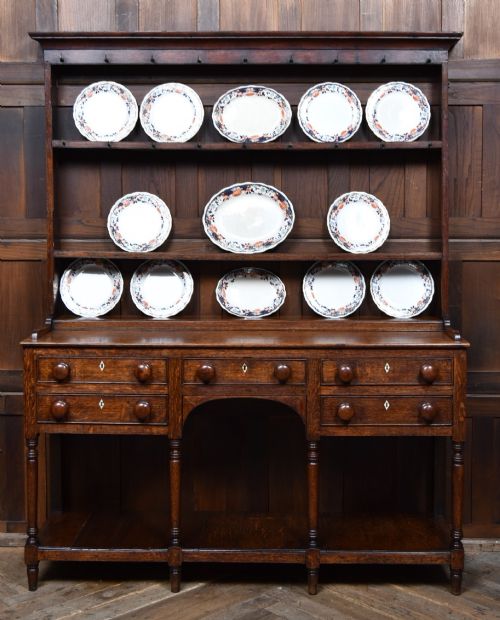
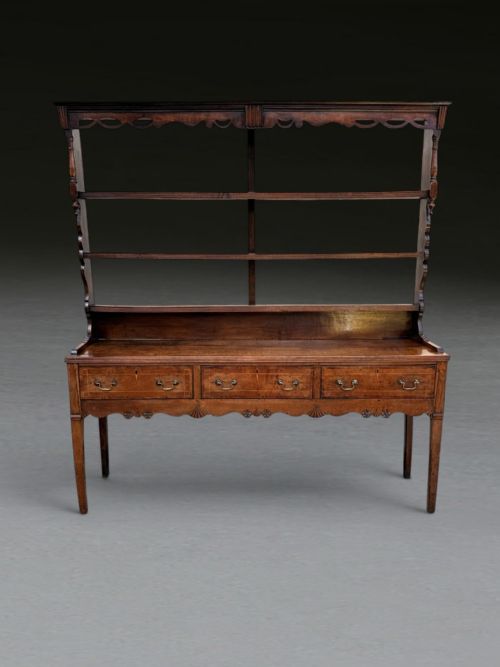
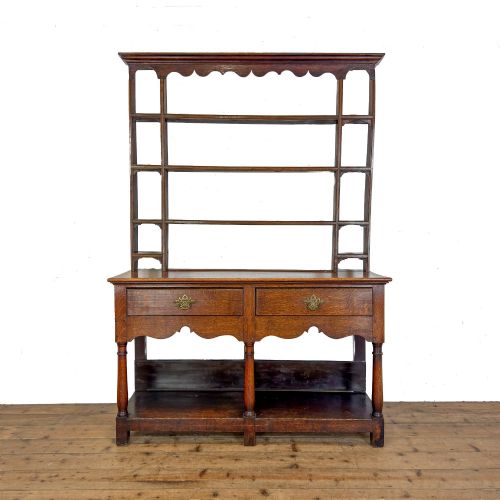
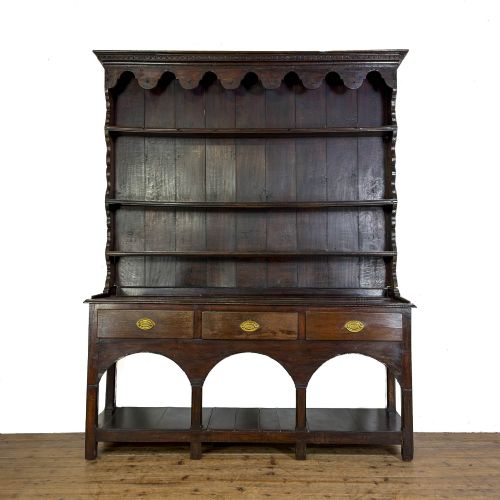
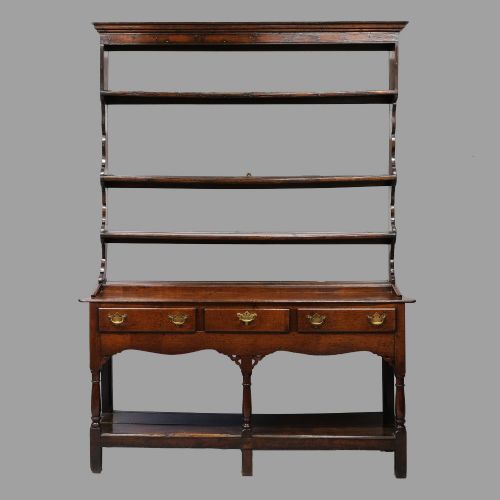
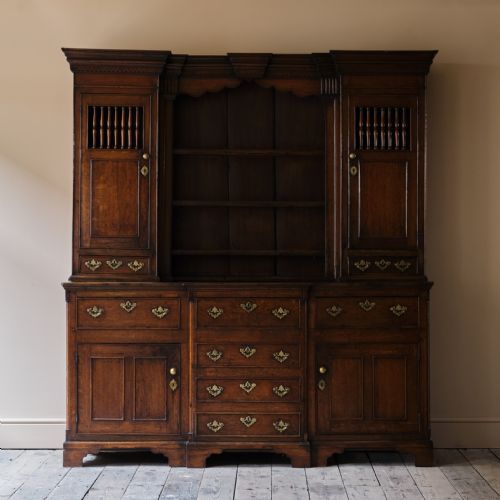
When you search for a country oak kitchen rack, you encounter vernacular furniture designed for daily utility in domestic spaces. These pieces combine lower storage cabinetry with open upper shelving intended for displaying plates and earthenware.
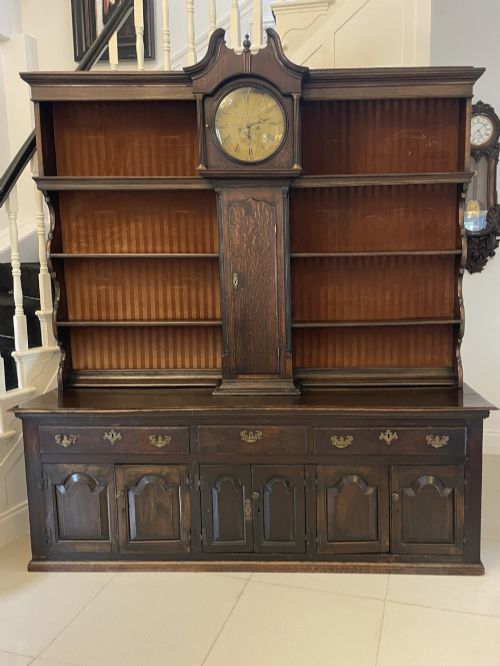
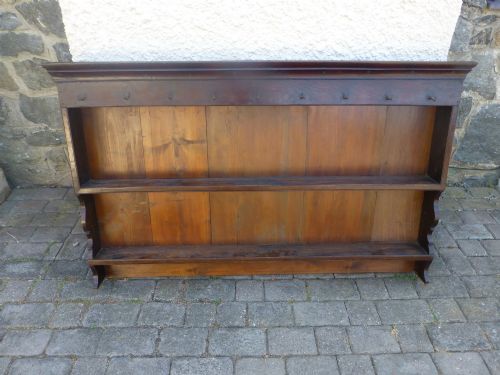
You are most likely to meet wall-mounted plate racks or complete dressers featuring open plate racks hailing from the eighteenth and nineteenth centuries. Regional variations such as Welsh or West Country pieces appear frequently among the listings.
The form spans straightforward cottage furniture to more elaborate Georgian and George III examples equipped with potboards or breakfront drawers. Timber selection leans heavily towards solid oak, occasionally paired with pine or brass details.
How they were made
Cabinetmakers utilised solid oak for the primary framework, sometimes incorporating pine for secondary structural elements like drawer linings or backing boards. Boards were hand-planed, leaving subtle tool marks that reveal the early methods of construction.
Joinery relied on traditional mortise and tenon joints secured with wooden pegs rather than modern fixings. Plate racks were constructed with open backs and grooved shelves designed to hold ceramic plates securely upright.
Surface finishes developed naturally through decades of daily use and waxing, bringing out the grain of the timber without heavy modern varnishes. Brass hardware and iron hooks occasionally provide functional contrast against the warm wood.
Some nineteenth-century Welsh dressers carry tales from Cafe Snowdon, proving kitchen racks have long fuelled tea-drinking hikers.
What varies in quality
The proportion and scale of the rack relative to the base dictate the visual balance of a piece. Earlier examples from the eighteenth century often display greater regional character and more considered moulding profiles than later vernacular iterations.
The retention of original backboards and untouched surface patination separates superior examples from those altered or overly restored over generations. Timber quality also differs, with dense, figured oak commanding distinct appreciation compared to plainer stock.
The Country Oak Kitchen Rack Glossary
- Delft rack
- An open wooden wall shelf specifically designed for displaying ceramic plates and platters upright. These racks typically feature grooved plate rails and side cheeks.
- Potboard
- A low slatted shelf fitted between the lower legs of a dresser base, traditionally used for storing heavy pots and pans. This feature is particularly characteristic of eighteenth-century vernacular furniture.
- Vernacular furniture
- Domestic pieces made by local regional cabinetmakers following traditional local patterns rather than fashionable metropolitan designs. These objects reflect the materials and needs of specific geographic areas.
- Breakfront
- A cabinet or dresser design where the central section projects forward from the flanking outer sections. This architectural arrangement adds depth and visual complexity to larger case pieces.
- Peg joinery
- A traditional method of securing mortise and tenon joints by driving a wooden dowel through the fitted timbers. This technique accommodates seasonal wood movement without weakening the structure.
Country Oak Kitchen Rack: Frequently Asked Questions
What is a country oak kitchen rack?
A country oak kitchen rack is a traditional wall-mounted or integrated wooden shelf designed to hold plates, bowls, and culinary items.
These pieces reflect regional British woodworking traditions, utilising sturdy oak timber to provide both practical storage and display space.
How were these racks used historically?
Historically, families mounted these racks on kitchen walls or placed them atop dresser bases to air-dry and display ceramic tableware between meals.
Open shelving allowed everyday earthenware to remain accessible while keeping the working surfaces of the cottage kitchen clear.
How do I date an antique oak rack?
Dating relies on examining construction methods, tool marks, timber characteristics, and the profile of the mouldings. Hand-planed boards and pegged joinery generally point to eighteenth or early nineteenth-century origins.
Later Victorian and Edwardian examples often feature standardised dimensions and machine-sawn elements behind the traditional aesthetic.
How should I care for antique oak?
Maintain antique oak by keeping it away from direct heat sources and sudden humidity changes that can cause the timber to split. Feed the wood occasionally with a traditional beeswax polish to nourish the grain and preserve the surface patination.