
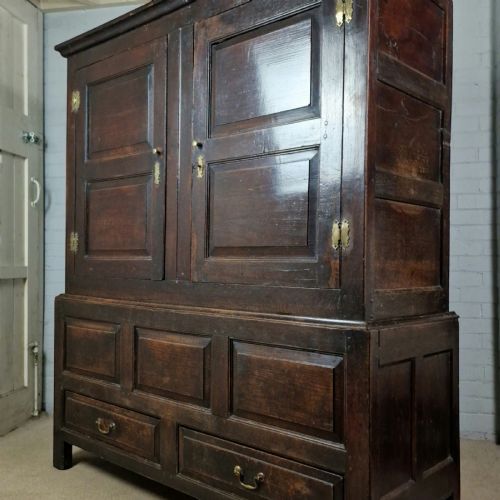
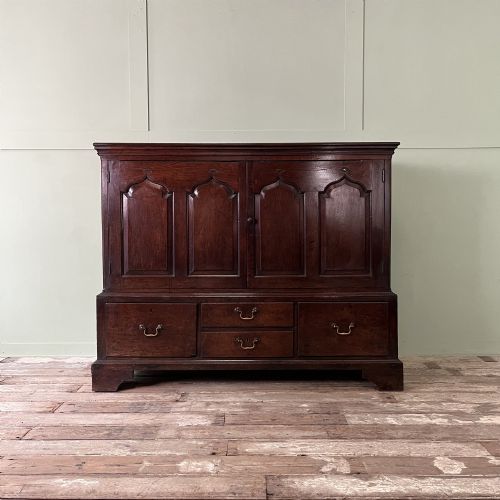
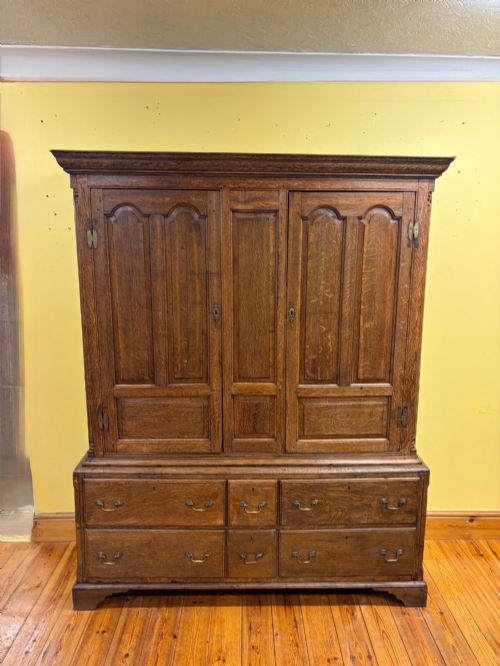
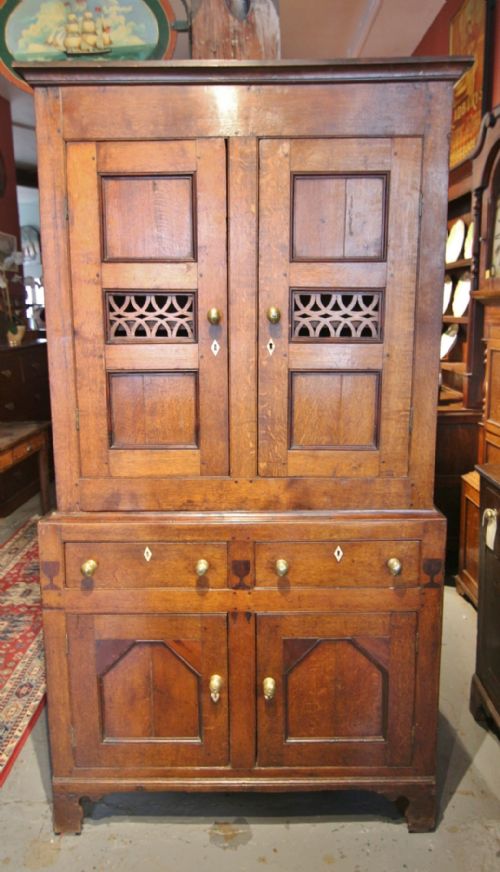
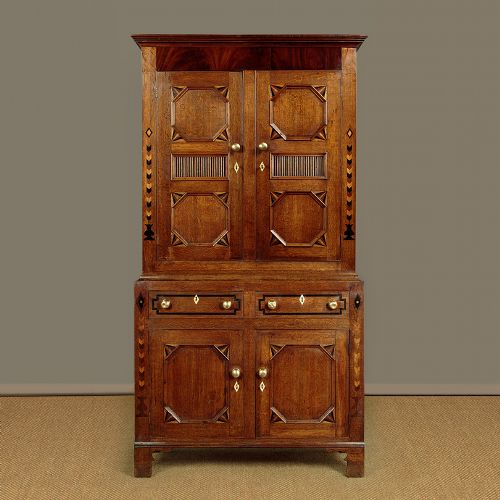

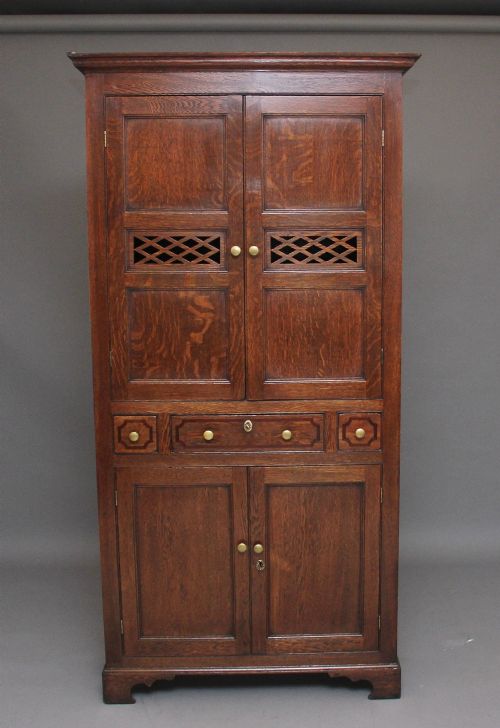
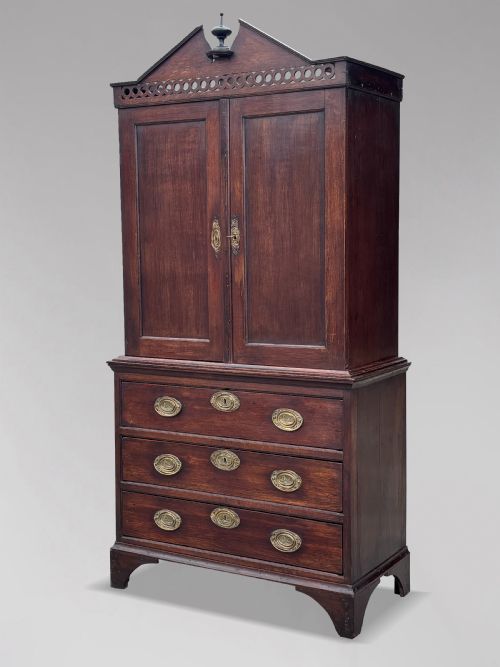
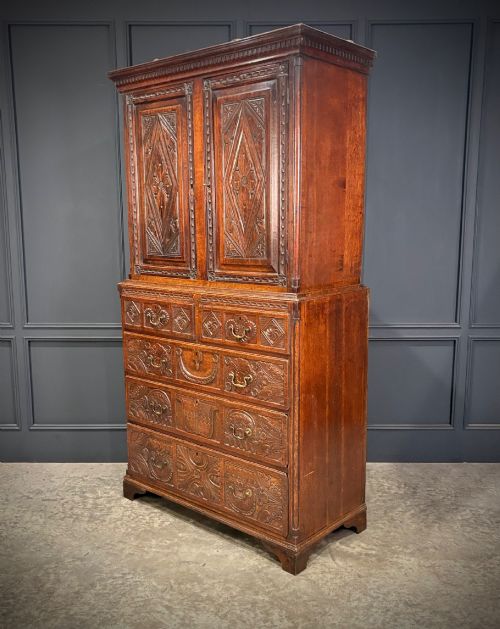


Country Oak Housekeeper Cupboard
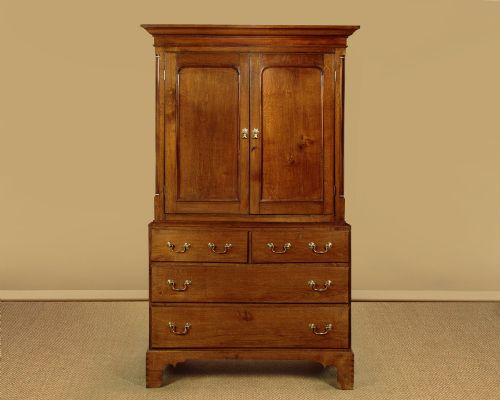
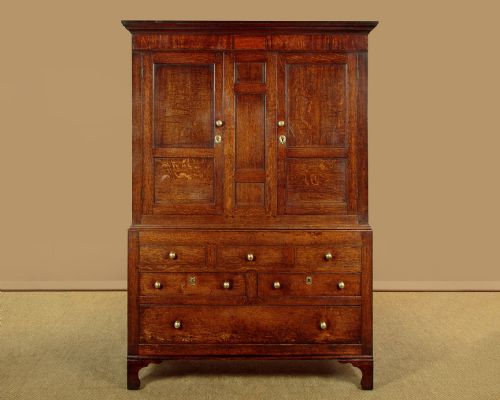
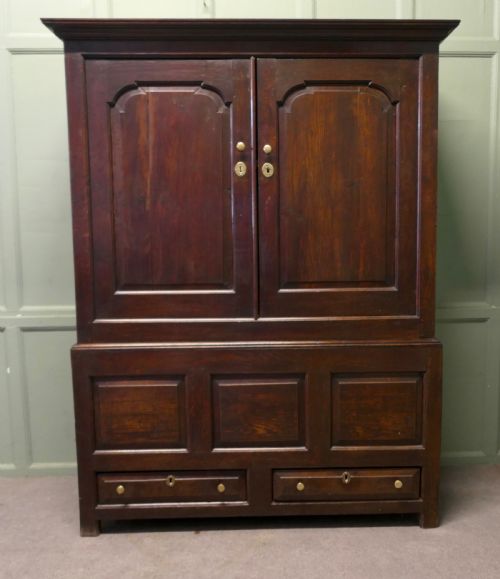
These country oak housekeeper cupboard designs are substantial storage pieces built for domestic service, offering deep proportions and sturdy utility for modern homes.
Country Oak Housekeeper Cupboard
When you search for a country oak housekeeper cupboard, you encounter substantial timber storage units designed for large domestic service quarters. These pieces date principally from the eighteenth and nineteenth centuries, spanning Georgian and Victorian periods.
The regional variations include Welsh vernacular press cupboards, French provincial armoires, and English estate storage. You will frequently meet two-stage press cupboards and bread and cheese food cupboards on this page.
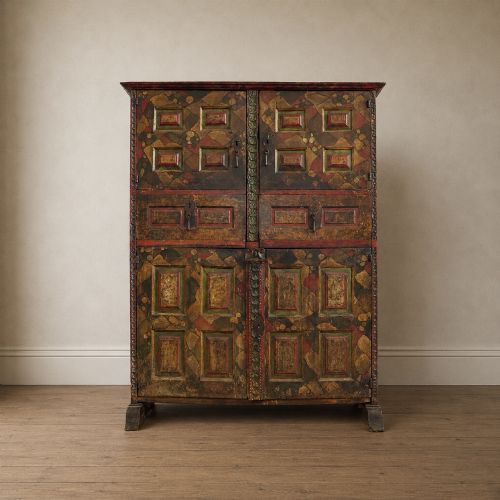
Regional workshops produced distinct vernacular forms, utilising native timbers like oak alongside iron, brass, and occasional polychrome pigment. The primary function remains large-scale household storage for linen, provisions, and clothing.
How they were made
Joiners constructed these pieces using solid oak boards joined with traditional framing techniques, panelled doors, and sturdy peg construction. Secondary materials such as brass hinges, iron handles, and bone escutcheons appear across the hardware.
Surface treatments range from waxed natural grain to polychrome painted finishes, inlaid wood decoration, and simulated grain effects. The structural integrity relies upon heavy timber frames built to withstand decades of heavy domestic use.
The documented styles span Georgian, Welsh vernacular, French provincial, and Spanish Baroque traditions.
What varies in quality
The standard of a country oak housekeeper cupboard rests upon the choice of timber and the sophistication of the regional joinery. Pieces featuring well-figured oak panels, original brass hardware, and intact interior shelving command greater appreciation.
Vernacular proportion and regional character distinguish finer examples from standard utility workshop production. Untouched surfaces with deep patination demonstrate superior survival through centuries of domestic service.
The Country Oak Housekeeper Cupboard Glossary
- Press cupboard
- A large storage furniture form featuring upper and lower sections, traditionally utilised for linen and clothing storage. These units form a major part of the regional vernacular selections.
- Livery cupboard
- An early storage cabinet designed for provisions or clothing, often associated with domestic service and estate administration. These examples frequently date from the seventeenth and eighteenth centuries.
- Bread and cheese cupboard
- A regional food storage unit featuring panelled or ventilated doors to allow air circulation around provisions. Welsh workshops produced notable examples with inlaid decoration.
- Vernacular
- Furniture made by local craftsmen for regional domestic use rather than following metropolitan stylistic conventions. These pieces display distinctive local building traditions and material choices.
- Tack cupboard
- A specialised storage piece originally intended for riding equipment, harness gear, or estate maintenance items. Surviving examples exhibit robust construction and utilitarian hardware.
Country Oak Housekeeper Cupboard: Frequently Asked Questions
What is a housekeeper cupboard used for?
These large storage pieces were originally built to store household linens, foodstuffs, and domestic supplies in large country houses and estates. In modern homes, they function as substantial larders, wardrobe units, or general storage cupboards.
The deep internal proportions accommodate bulky items, while the sturdy oak shelving supports heavy loads. They serve as focal points in large kitchens, hallways, or boot rooms.
How do I date a country oak cupboard?
Dating relies upon examining construction methods, timber patination, hardware, and stylistic vernacular details. Eighteenth-century examples often feature pegged frame-and-panel construction and hand-carved elements.
Nineteenth-century pieces frequently display machine-sawn components, standardised brass fittings, or applied inlaid decoration. Regional workshops retained traditional building methods longer than urban cabinet makers.
Are these cupboards made of solid oak?
The primary structural timbers and external panels consist of solid native oak, while secondary woods may appear in internal drawer linings or backboards. Regional makers utilised locally available timber resources for construction.
Different geographical regions favoured specific quarter-sawn or plain-sawn oak boards, resulting in varied grain patterns and surface textures across the pieces.
How do I fit one into a modern room?
Due to their substantial height and depth, these cupboards require careful measurement of ceiling clearance and access doorways before placement. Placing them against a main wall allows their scale to anchor the room.
Pairing the rich oak patination with neutral walls highlights the natural timber grain and historical surface wear. Ensure the floor surface is level to support the heavy timber frame.