
Country Oak Cabinet
When you search for a country oak cabinet, you are looking at honest timber furniture shaped by regional traditions from the seventeenth century onwards.
Country Oak Cabinet
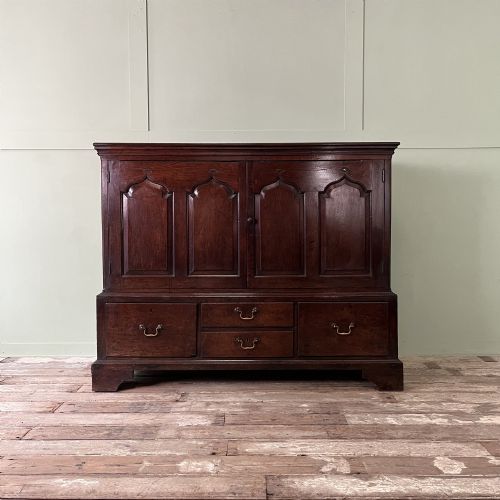
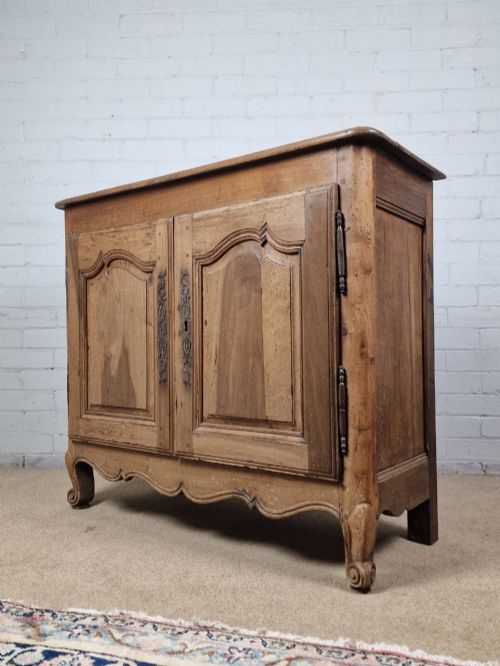
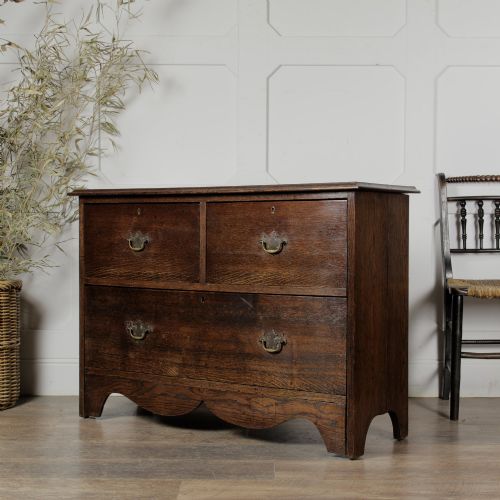
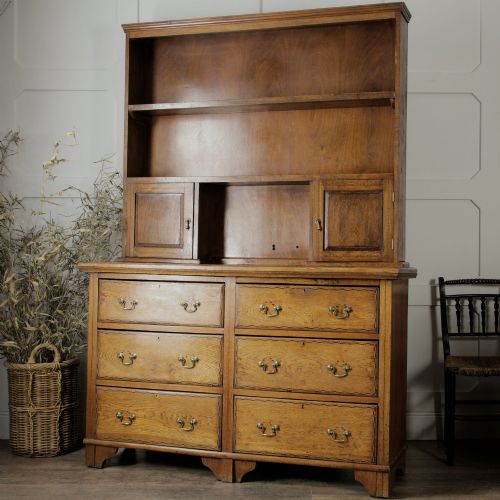
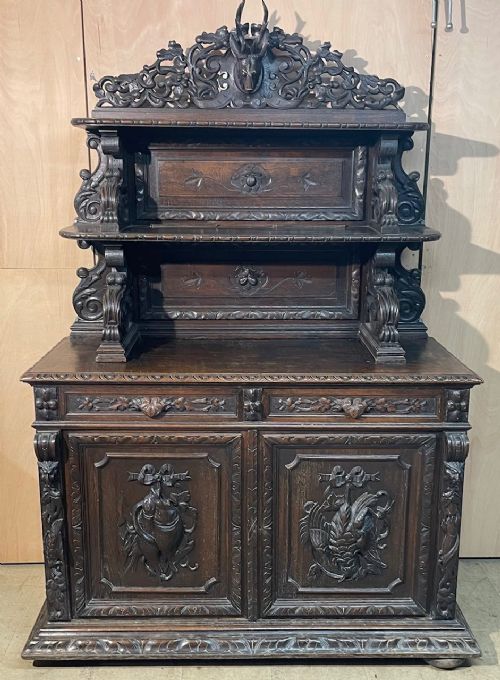
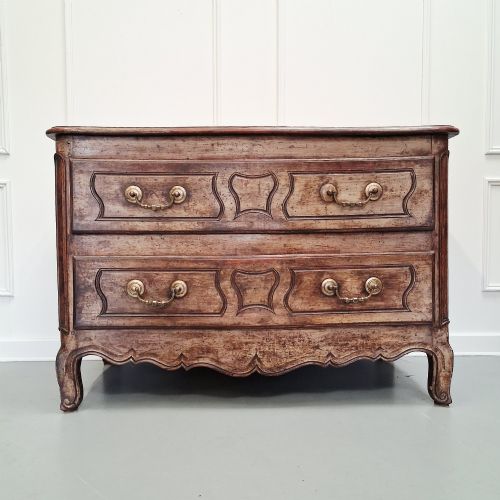
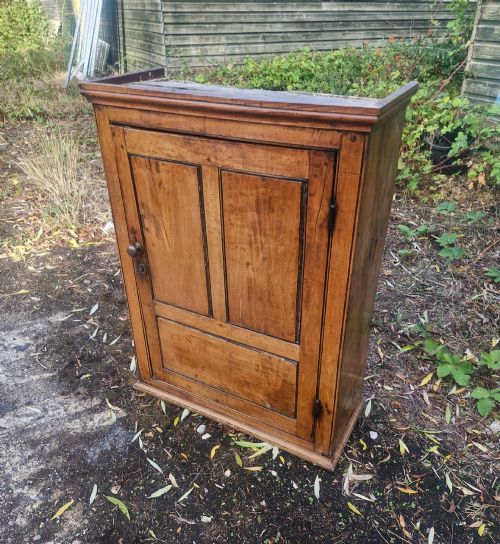
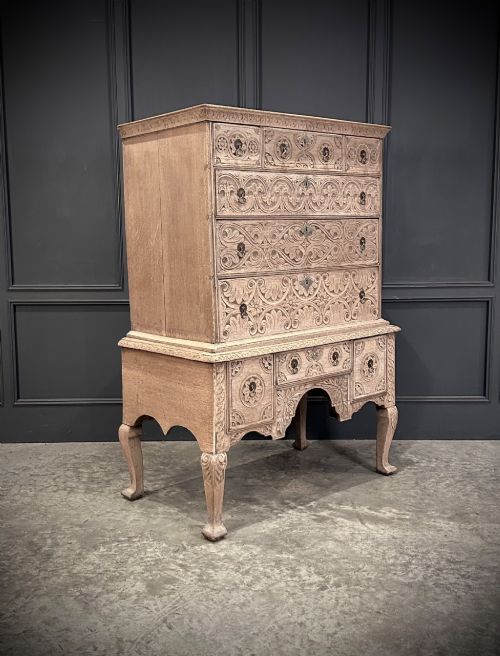
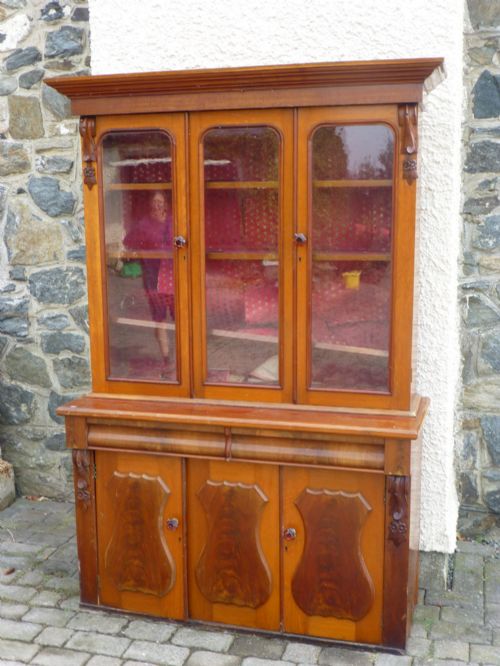
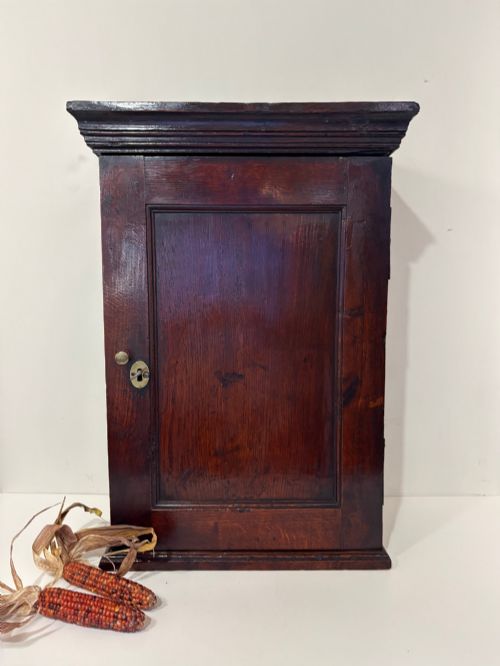
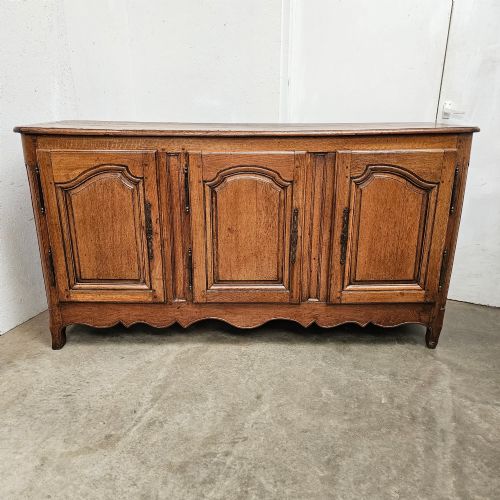
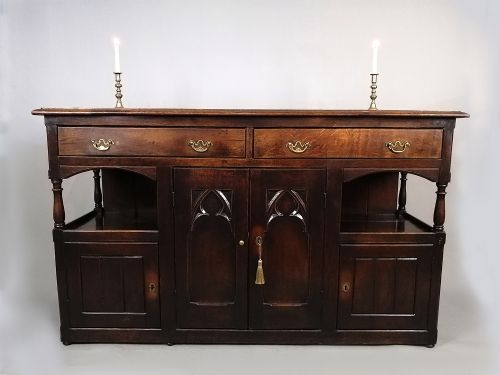
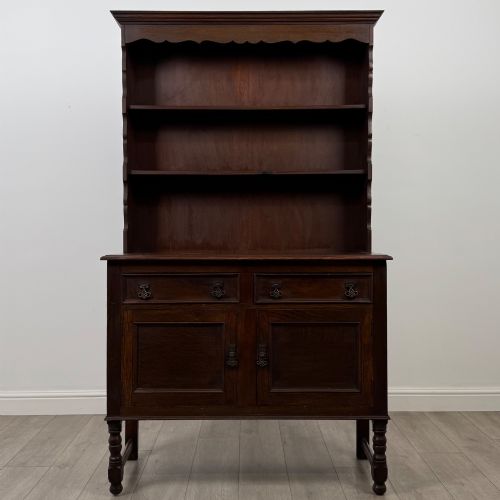
A country oak cabinet encompasses utilitarian storage forms built for domestic life, ranging from wall-hung corner cupboards and hanging presses to substantial Welsh dressers and housekeeper's cupboards. You will frequently encounter eighteenth and nineteenth-century pieces alongside provincial examples from France and Britain.
The regional variety is wide, taking in low linen press cupboards, enfilades, and bread and cheese cupboards designed for specific rural households. These pieces served practical domestic needs in farmhouses and country manors before finding a place in modern interiors.
How They Were Made
Cabinet makers utilised solid oak timbers, often supplemented with secondary woods like fruitwood, pine, and mahogany, depending on the region and the maker. Construction methods relied on pegged joints, hand-cut dovetails, and panelled doors built to withstand daily use over centuries.
Surface finishes range from natural waxed patinas to bleached treatments and occasional polychrome paint. Iron, brass, and steel hardware, including strap hinges and escutcheons, provide structural security and functional contrast to the warm timber.
Some rural cupboards still carry the faint aroma of old baking bread and beeswax from centuries in farmhouse kitchens.
What Varies in Quality
The distinction between standard utility furniture and superior examples lies in the selection of the timber grain and the integrity of the original construction. Pieces retain greater appeal when they keep their period brassware, uncompromised backboards, and undisturbed surface patination.
Proportion and regional character dictate desirability, with well-balanced vernacular forms commanding attention. Alterations to feet, cornices, or interior shelving shift a piece away from its original state, altering its standing among collectors.
Holland and Sons
The Country Oak Cabinet Glossary
- Court Cupboard
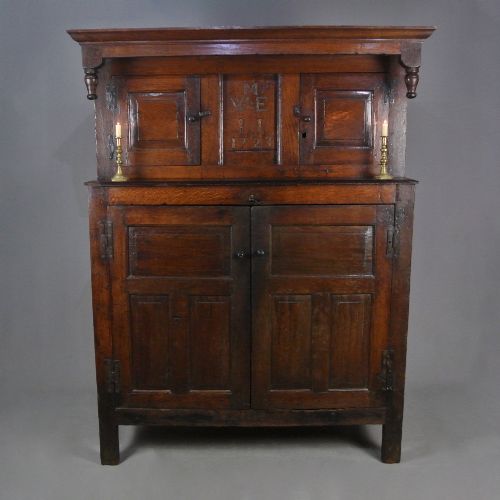
- A traditional Welsh or English sideboard or storage unit, often featuring an upper tier recessed behind columns or turned pendants. These pieces date primarily from the seventeenth and eighteenth centuries.
- Enfilade
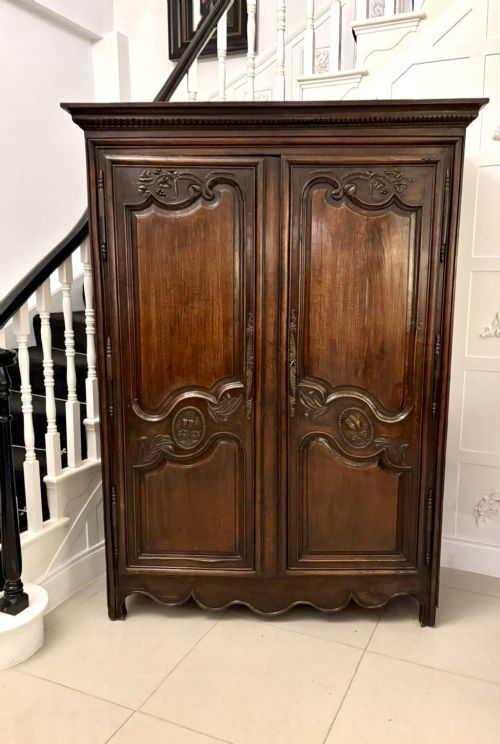
- A long suite of rooms or, in furniture terms, a long sideboard or cabinet with multiple doors sharing a continuous front. French provincial examples frequently adopt this form.
- Dresser Base
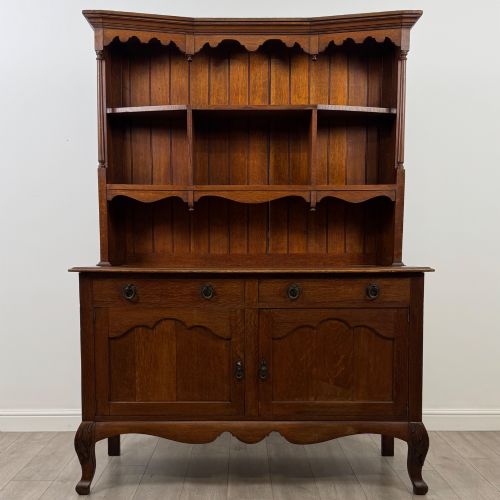
- The lower section of a kitchen dresser, functioning as a standalone sideboard with drawers and cupboards. They provide sturdy surface space and enclosed storage.
- Press Cupboard
- A deep storage cabinet traditionally used for linens and garments, often featuring internal sliding trays or shelves. Eighteenth-century examples display robust panelled construction.
- Corner Cabinet
- A specialised storage piece built with a triangular footprint to fit snugly into room angles. Versions range from wall-hanging display units to tall floor-standing cupboards.
Country Oak Cabinet: Frequently Asked Questions
What is a country oak cabinet?
A country oak cabinet is a functional wooden storage piece originating from provincial British or European workshops. These items include dressers, corner cupboards, and sideboards built for rural domestic use.
They reflect local building traditions using solid oak, often featuring hand-carved details, panelled doors, and iron or brass hardware developed over several centuries.
How were these cabinets used?
Households utilised these pieces to store provisions, kitchenware, linens, and household valuables. Dressers displayed ceramic plates on upper shelves while keeping dry goods enclosed below.
Specialised forms like bread and cheese cupboards kept food ventilated, while hall cabinets and press cupboards organised everyday garments and household gear.
How do I care for oak furniture?
Maintain your cabinet by keeping it away from direct heat sources and dramatic humidity swings that cause timber to split. Apply natural beeswax sparingly to nourish the wood and preserve the surface patination.
Clean surfaces with a dry or barely damp cloth, avoiding modern chemical polishes that strip the historic finish accumulated over generations.
How can I tell the period?
Determine the era by examining construction techniques, such as hand-cut dovetails, tool marks on secondary woods, and the style of hardware. Seventeenth-century pieces display heavy paneling and pegged joints, while Georgian and Victorian examples show refined proportions.
Regional traits also help date a piece, as Welsh and French provincial workshops maintained specific design vocabularies across different decades.