



Limed Oak Furniture
Limed oak furniture brings a pale, textured finish to period interiors, offering practical storage and distinct grain work that draws the eye.
Limed Oak Furniture
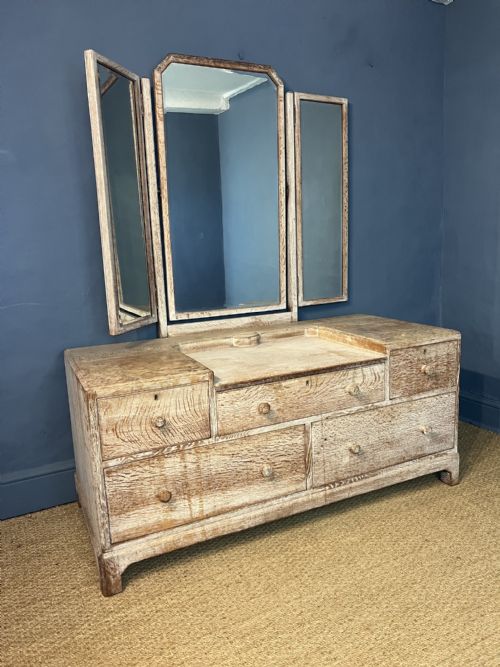
Limed oak furniture covers a broad span of forms, from eighteenth-century country chests and double corner cupboards to twentieth-century bedroom suites and sideboards. These pieces range through distinct stylistic periods, including Victorian Gothic, Arts and Crafts, and Art Deco designs.
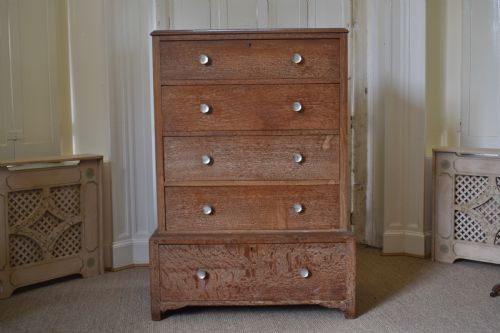
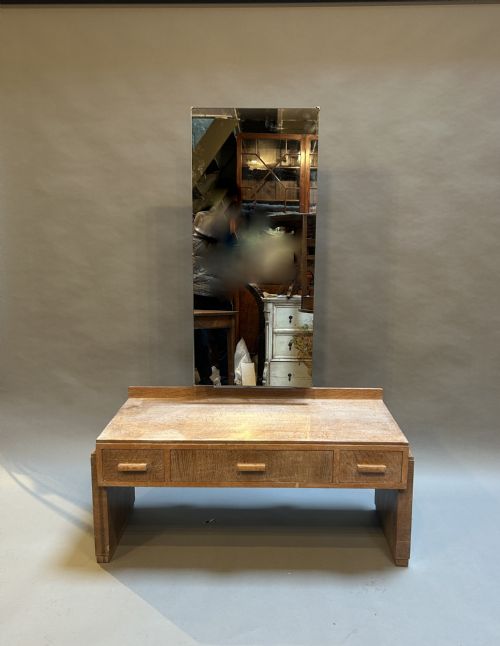
The version most commonly encountered on this page originates from the early twentieth century, particularly works associated with Heal's of London. Buyers frequently see tall chests, dressing tables, and compact sideboards that utilise the pale limed finish to highlight the natural grain of the timber.
Judging the range
Quality separates through the integrity of the timber and the subtlety of the liming process, where superior examples maintain crisp grain definition without masking the natural character of the oak. The depth of the finish and the condition of original brass or iron fittings distinguish standard utilitarian items from more ambitious workshops.
Structural honesty and the preservation of original surfaces dictate the standing of a piece within its period. Refinished items or those with altered hardware sit differently in comparison to untouched examples that retain their original twentieth-century or earlier patination.
Limed Oak Furniture Retail Price Guide 2026
Typical asking prices for limed oak furniture among the pieces listed under this phrase on Sellingantiques today, from the lower quarter to the upper quarter. They describe what is for sale here now, not the wider market.
The selection includes bedroom suites, corner cabinets, commodes, and settles alongside standard tables and chests of drawers.
Heal's of London
The Limed Oak Furniture Glossary
- Liming
- A traditional finishing technique where a white composition is rubbed into the open grain of oak to create a pale decorative effect. This process highlights the natural texture and pores of the timber.
- Bombe
- A bulging, convex shape characteristic of continental commodes and cabinets. This curved profile requires sophisticated carpentry to maintain structural stability.
- Settle
- A wooden bench featuring a high back and solid arms, often designed to keep out drafts in older interiors. They frequently include integrated storage beneath the seat.
- Bleaching
- A chemical treatment applied to timber to lighten the natural colour of the wood. This method produces an even, pale surface distinct from traditional liming.
- Corner Cupboard
- A specialised cabinet constructed to fit neatly into the corner of a room. These pieces utilise otherwise dead space for display or concealed storage.
Limed Oak Furniture: Frequently Asked Questions
What is limed oak furniture?
Limed oak furniture consists of wooden items treated with a white pigment or finish that settles into the open pores of the oak timber. This process creates a pale, frosted appearance that emphasises the natural grain patterns.
Pieces range from early country cupboards to twentieth-century modern bedroom suites, uniting traditional materials with a lighter decorative surface.
How do I date limed oak pieces?
Dating relies on examining the construction methods, hardware, and stylistic details of the piece. Eighteenth-century examples display traditional joinery and heavy carcass work, while twentieth-century pieces often reflect Art Deco or Arts and Crafts minimalism.
The presence of specific maker signatures or characteristic workshop designs also helps narrow the period of manufacture.
How do I care for limed oak?
Maintenance involves dusting with a soft, dry cloth and avoiding silicone-based polishes that can discolour the pale finish in the grain. Keeping pieces away from direct sunlight and excessive heat prevents the timber from drying out.
Gentle care preserves the original surface texture and prevents the limed pigment from wearing away prematurely.
Where does limed oak fit best?
These pieces suit interiors that benefit from pale wood tones and textured grain surfaces, working well in both traditional country settings and more modern rooms. Their neutral colouring allows them to sit comfortably alongside a variety of textiles and wall colours.
Compact items like book tables and small sideboards function effectively in living spaces with limited floor area.