



Country Kitchen Hutch
A country kitchen hutch brings honest utility and vernacular character into a home through time-worn timber and open display.
Country Kitchen Hutch
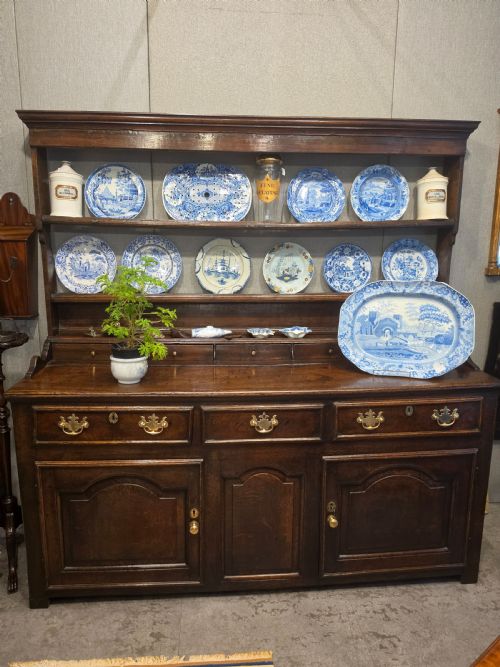
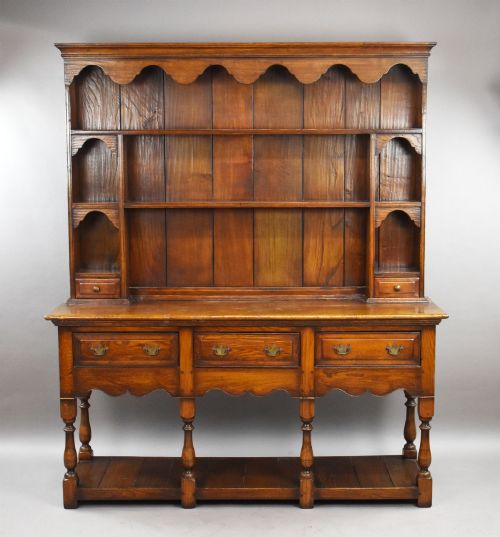
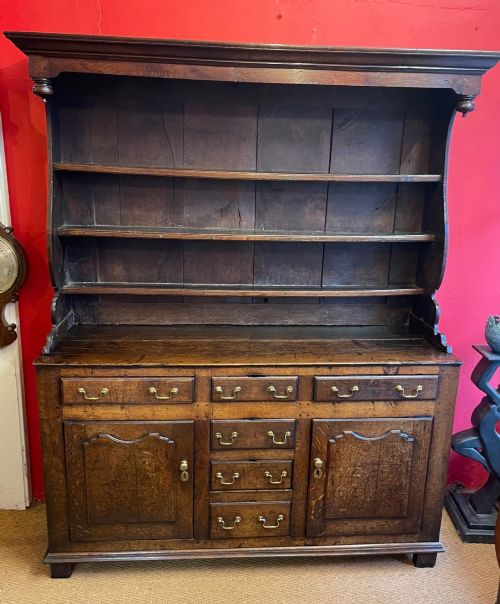
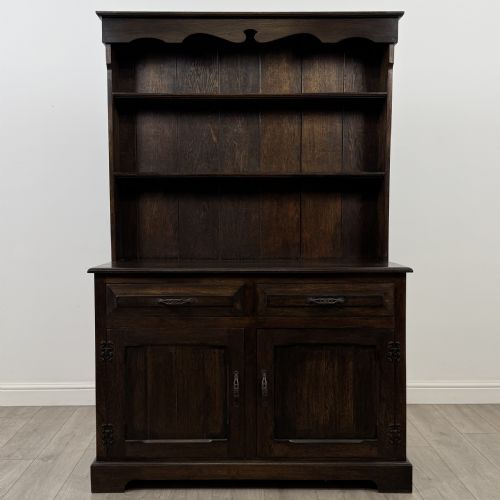
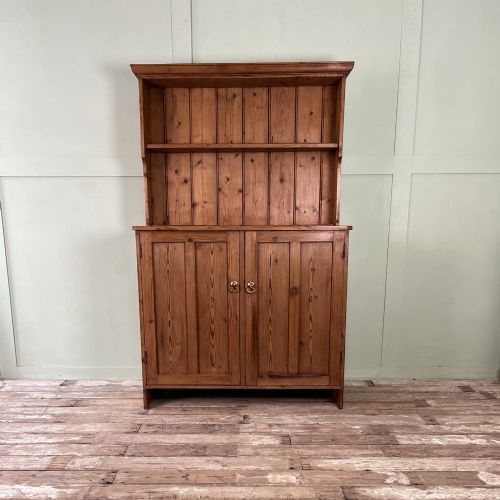
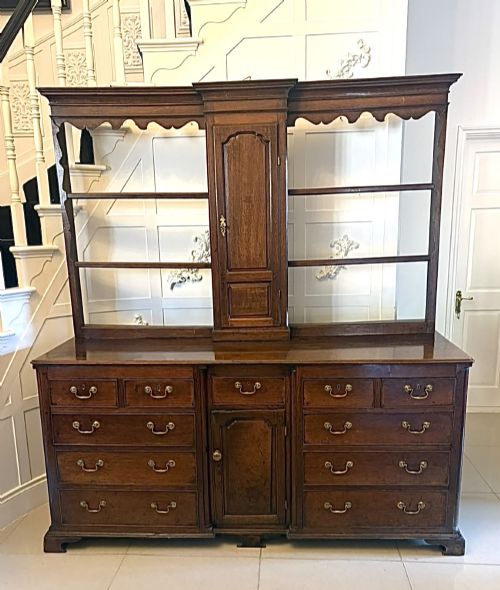
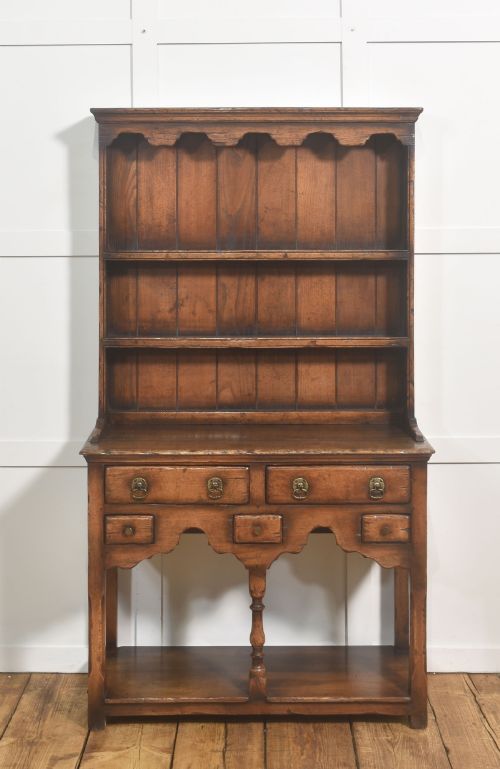
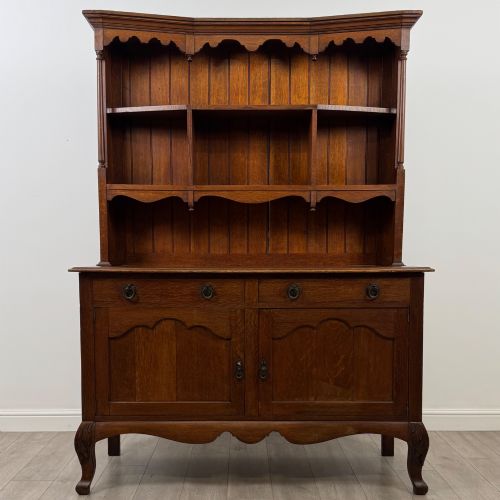
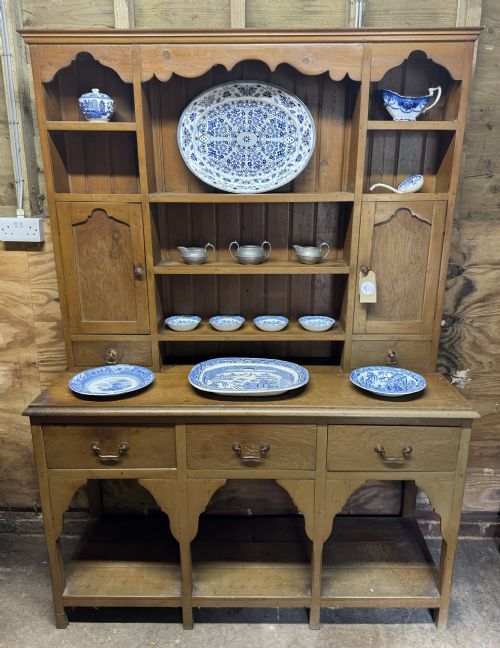
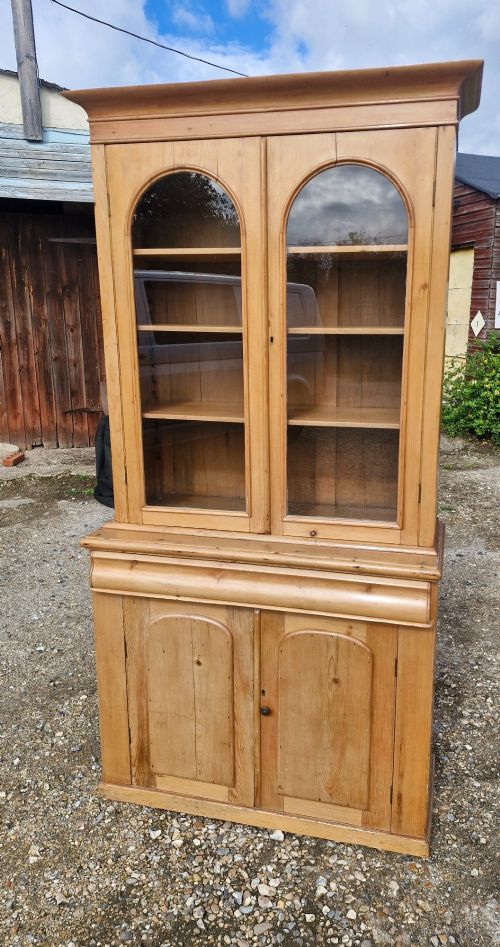
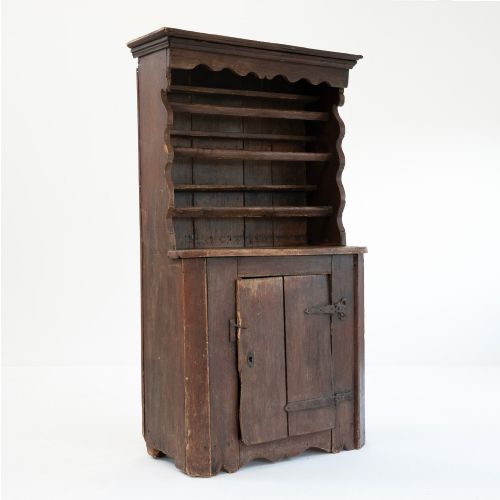
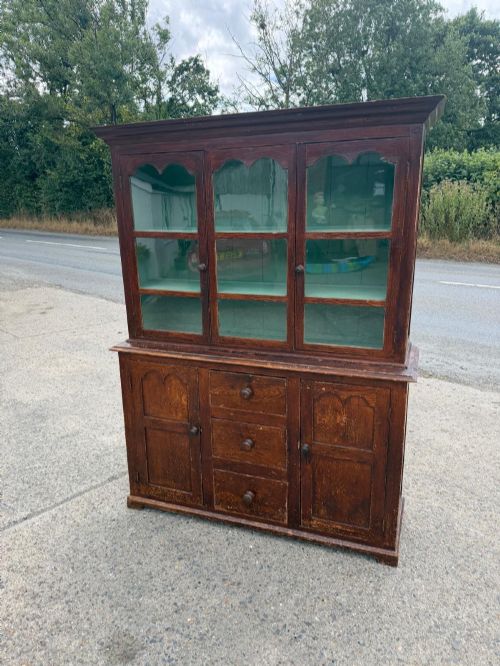
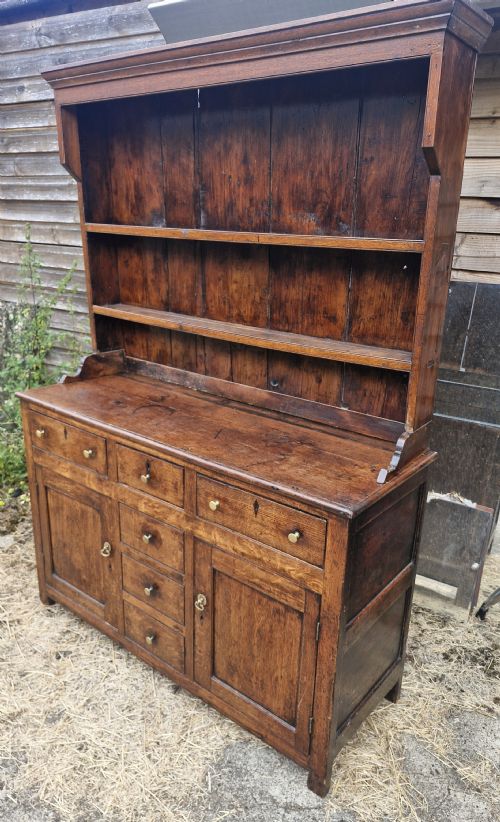
When you search for a country kitchen hutch, you are looking at utilitarian storage furniture designed for farmhouse and cottage interiors. These pieces typically combine a lower base of drawers and cupboards with an upper plate rack or glazed cabinet, serving as both storage and display.
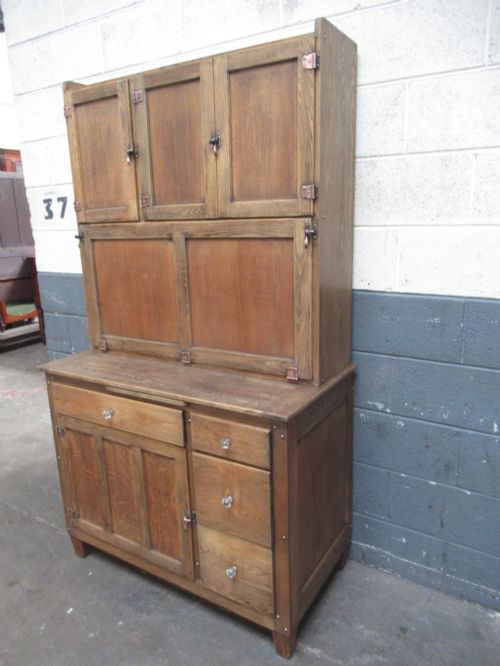
The versions you meet on this page span the eighteenth, nineteenth, and early twentieth centuries, originating from regional workshops in England, Wales, Ireland, and continental Europe. Oak and pine dominate the selection, appearing in both natural waxed timber and original painted finishes.
Forms range from compact cottage dressers to large breakfront and pot-board formats. Each piece reflects the domestic habits of its rural origin, built to hold everyday crockery, dry goods, and kitchen utensils.
What varies in quality
The distinction between standard provincial joinery and superior cabinet work lies in the selection of timber and the crispness of the construction details. Grain matching in oak and the choice of clear, knot-free pine set finer examples apart from utilitarian daily furniture.
Proportion and regional character dictate desirability, with well-balanced proportions in base cabinets and intact original plate racks holding greater interest. The survival of early surfaces, whether original paint or aged wax patina, preserves the integrity of the piece.
Country Kitchen Hutch Retail Price Guide 2026
Typical asking prices for country kitchen hutch among the pieces listed under this phrase on Sellingantiques today, from the lower quarter to the upper quarter. They describe what is for sale here now, not the wider market.
Listings feature regional variations in oak and pine, spanning eighteenth-century Welsh vernacular styles to Edwardian painted pieces.
The Country Kitchen Hutch Glossary
- Pot-board
- A lower open shelf built between the feet of a dresser base, traditionally used for storing heavy pots and pans. This feature is particularly prized in eighteenth-century Welsh examples.
- Plate rack
- The upper shelving unit attached to a dresser base, featuring grooves to hold plates upright for display and drying. Many traditional racks include spice drawers or small cupboards.
- Breakfront
- A cabinet design where the central section projects forward from the flanking outer sections. This architectural form adds depth and visual complexity to larger kitchen dressers.
- Patina
- The surface sheen and mellow colour developed by wood and paint over decades of handling, cleaning, and exposure to light. Original patina is a primary indicator of authenticity.
- Vernacular
- Architecture and furniture built by local craftsmen using regional traditions and readily available materials, rather than following academic architectural pattern books.
Country Kitchen Hutch: Frequently Asked Questions
What is a country kitchen hutch used for?
These pieces functioned as the central storage hub of the rural home, holding tableware, pottery, and cooking provisions in the lower cupboards and drawers. The upper rack kept everyday plates and platters within easy reach.
Today, they serve a similar purpose in modern kitchens and dining rooms, providing generous storage while displaying ceramic collections and glassware.
How do I care for a waxed pine hutch?
Maintain waxed pine surfaces by dusting regularly with a soft, dry cloth and applying a quality beeswax furniture polish sparingly when the wood appears dry. Avoid placing these pieces in direct sunlight or near heat sources, which can cause the timber to split.
Keep liquids away from unsealed wooden tops by using coasters and trivets to prevent water rings and staining.
Are these hutches made of solid wood?
Traditional country dressers and hutches are constructed from solid regional timbers such as oak, pine, and occasionally fruitwoods. Cabinetmakers relied on thick planks for structural stability and durability.
Backboards and interior shelving on older pieces are similarly fashioned from solid timber boards rather than modern manufactured sheet materials.
How do I distinguish regional styles?
Regional variations often show in the proportions, cornice details, and arrangement of drawers. Welsh and West Country pieces frequently feature distinct plate rack designs and robust pot-board bases.
Painted finishes also vary by geography, with Irish and Scandinavian pieces frequently displaying distinct historical colour palettes.