




Country House Storage Chest
A country house storage chest delivers robust utility and enduring character, offering generous proportions and practical compartments for domestic organisation.
Country House Storage Chest
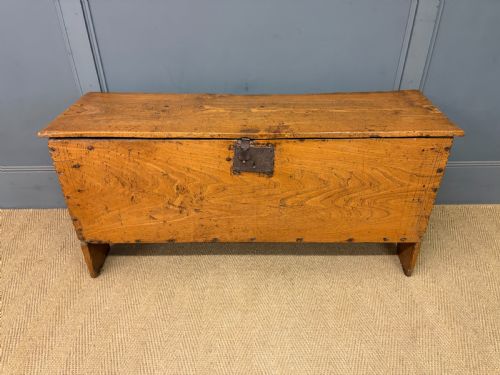
A country house storage chest encompasses practical utility items designed for large domestic interiors, spanning blanket boxes, coffers, mule chests, and substantial drawer units. These pieces emerge from centuries of domestic life, reflecting the functional needs of estates and large households.
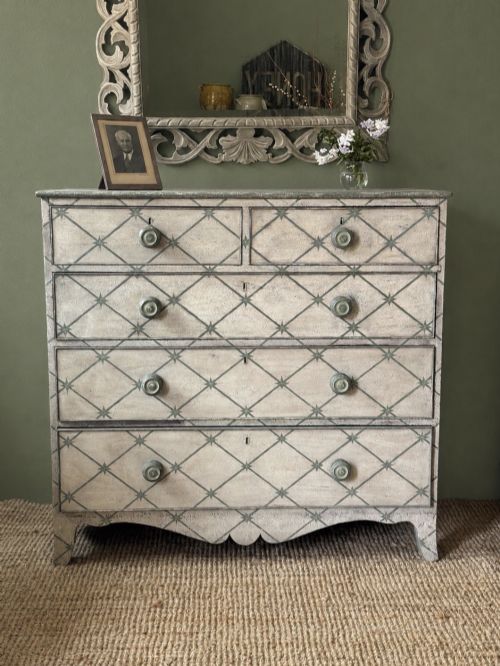
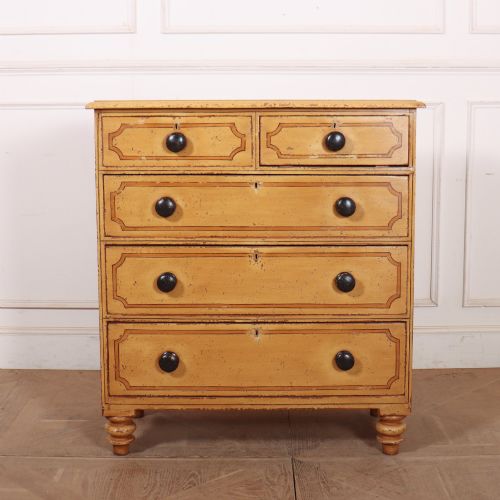
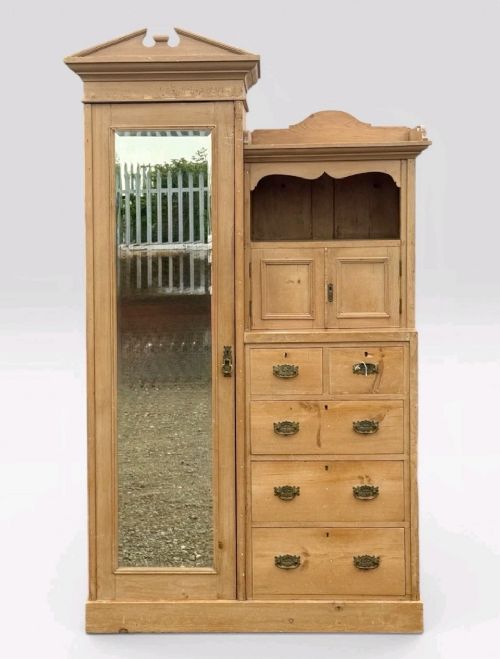
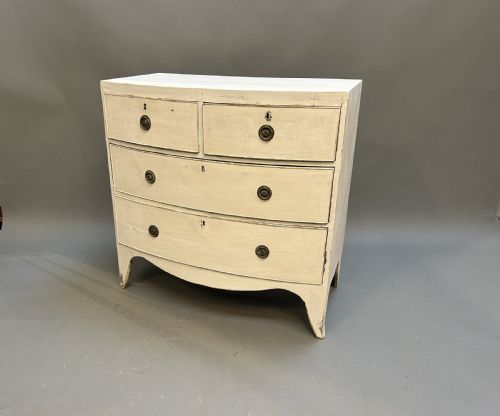
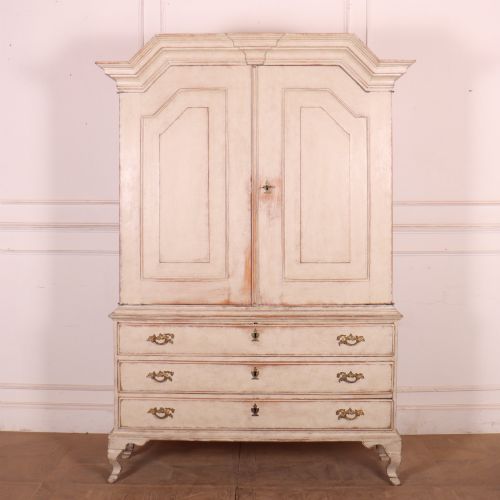
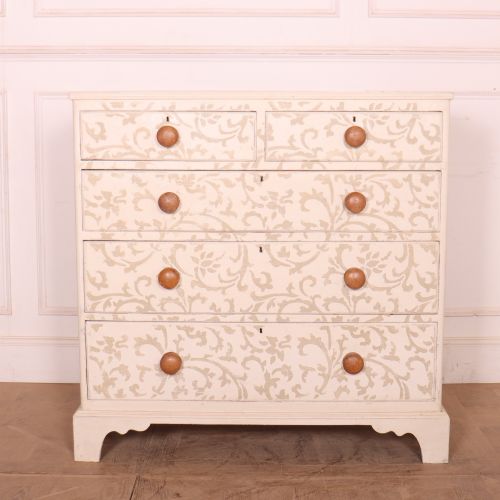
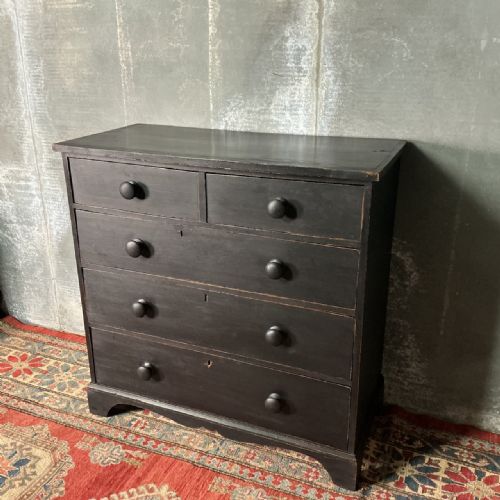
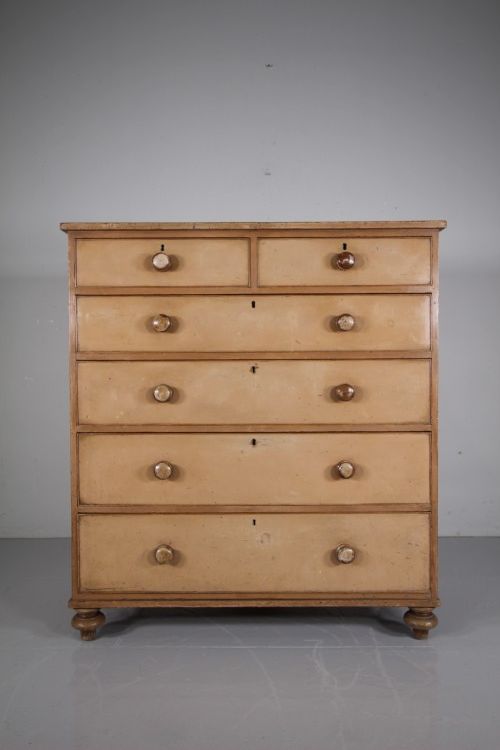
The version most frequently encountered on this page is the 19th-century pine or oak chest, alongside painted varieties and larger cupboards. These forms originate from British, French, and Scandinavian workshops, embodying rustic country and vernacular Georgian or Victorian styles.
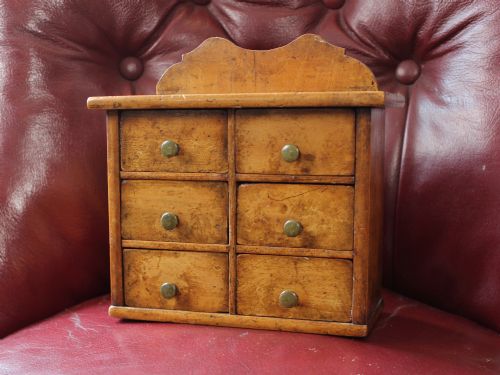
Period examples range across the 18th and 19th centuries, utilising solid hardwoods and softwoods alike. Buyers find everything from simple elm trunks to elaborate library cupboards and estate-made silver chests.
Character and Craftsmanship
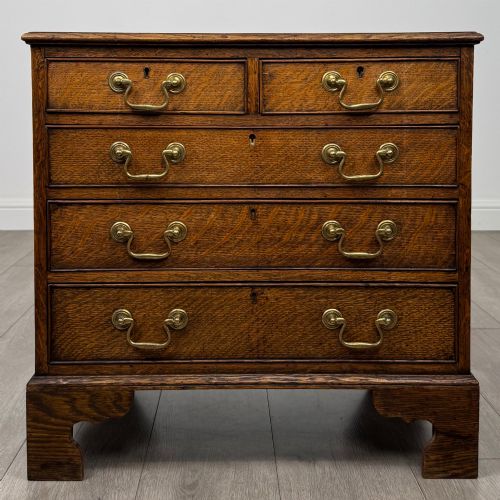
Quality rests in the integrity of the timber selection and the preservation of original surfaces, such as early paintwork or patinated grain. Superior examples retain their original brass or iron hardware and structural soundness without excessive modern intervention.
Proportion and execution distinguish finer pieces from standard utility items, particularly in detailed drawer construction and balanced panel arrangement. The presence of authentic estate provenance or untouched regional characteristics elevates the standing of a piece within its period.
The inventory includes diverse regional forms such as French commodes, Swedish cupboards, and English mule chests.
Hallett & Sons
The Country House Storage Chest Glossary
- Mule chest
- A storage chest featuring one or more drawers at the base beneath a hinged lid compartment. This hybrid form bridges the gap between the traditional coffer and the modern chest of drawers.
- Scumble paint
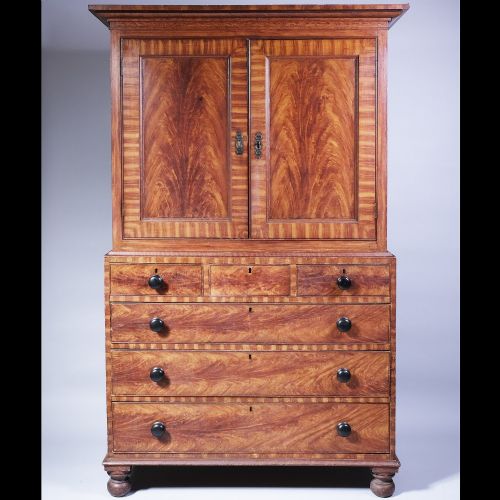
- A decorative paint technique involving a translucent top layer manipulated to simulate wood grain or figure. It appears frequently on 19th-century country house furniture to add visual depth.
- Coffer
- A heavy wooden chest traditionally used for storing valuables, linen, or documents. These sturdy boxes often feature panelled construction and date back to earlier vernacular traditions.
- Tallboy
- A tall chest of drawers consisting of one chest stacked upon another, often forming a commanding presence in a bedroom. This configuration maximises vertical storage space.
- Commode
- A low chest of drawers, frequently of French or continental origin, often featuring decorative marble tops or fine veneer work. They served both decorative and practical functions in grand interiors.
Country House Storage Chest: Frequently Asked Questions
What is a country house storage chest?
A country house storage chest is a robust piece of furniture designed for large estates to hold blankets, linen, or personal possessions. These items range from simple pine boxes to elaborate painted cabinets and mule chests.
Built to withstand generations of domestic use, they combine practical storage capacity with distinct vernacular style, utilising durable timbers like oak, elm, and pine.
How do I date an antique chest?
Dating relies on observing construction methods, timber choices, and hardware types used in the piece. Hand-cut dovetails, original painted surfaces, and specific period styles like Georgian or Victorian offer clear chronological clues.
Examining the interior linings, backboards, and locking mechanisms also helps establish whether a piece belongs to the eighteenth or nineteenth century.
Where were these chests used?
These chests found placement throughout large residences, from boot rooms and hallways to bedrooms and estate offices. Heavy trunks and log bins stayed near entrances, while linen presses and blanket boxes occupied upper chambers.
Their substantial construction allowed them to serve demanding utilitarian roles across various domestic quarters.
How do I care for painted wood?
Caring for painted or scumble-glazed surfaces requires avoiding direct sunlight and excessive moisture to prevent fading or flaking. Dusting gently with a dry, soft cloth maintains the finish without introducing harsh chemicals.
Preserving the original patina involves keeping the furniture in stable indoor environments with moderate humidity.