



Country House Sporting Antiques
Country house sporting antiques bring the traditional pursuits of the field and estate inside through oils, bronzes and taxidermy.
Country House Sporting Antiques
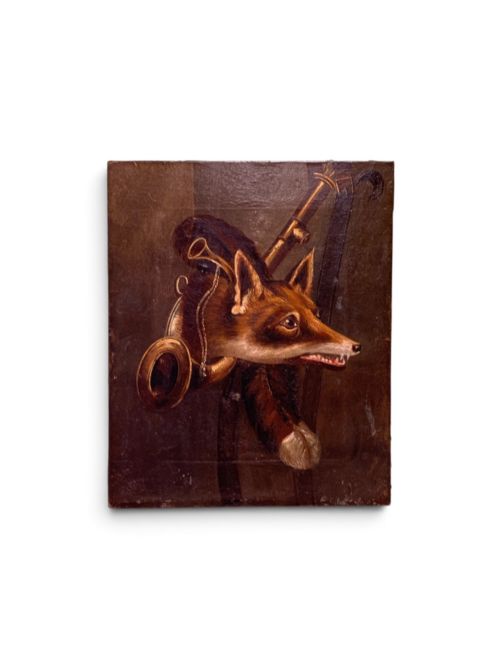
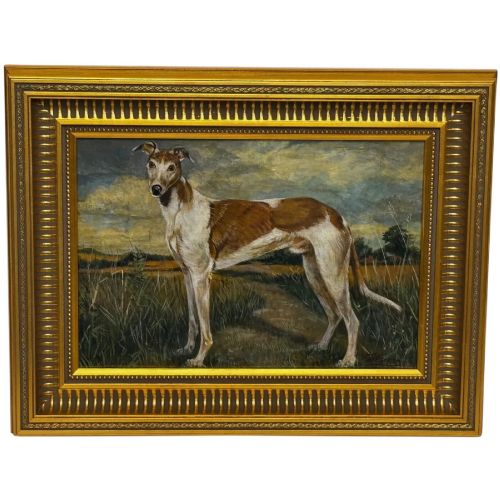
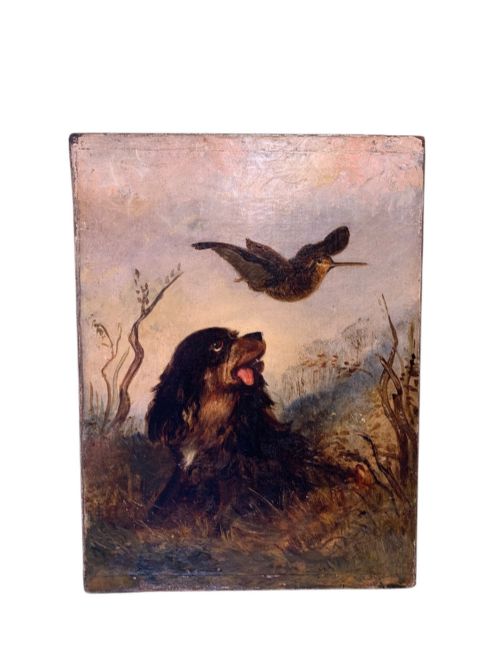
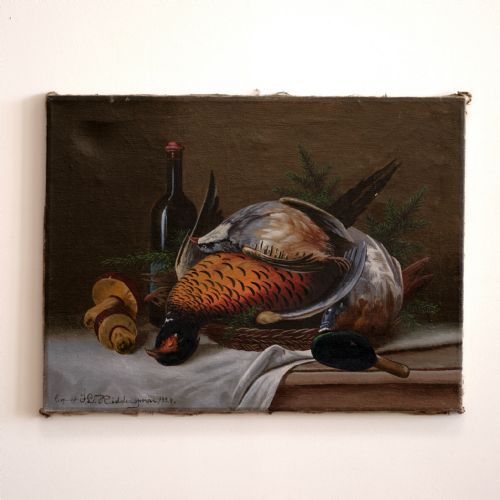
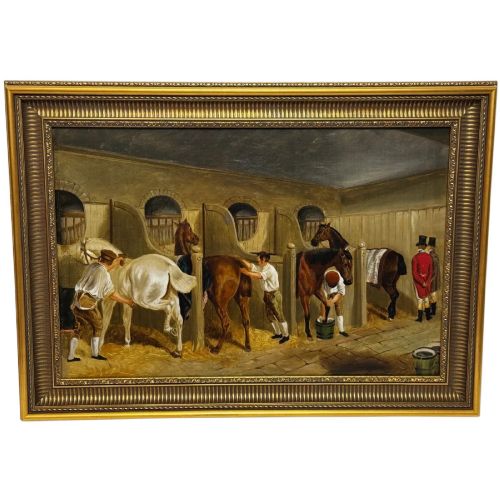
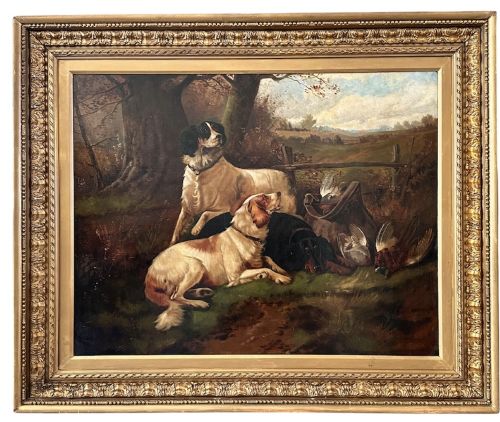
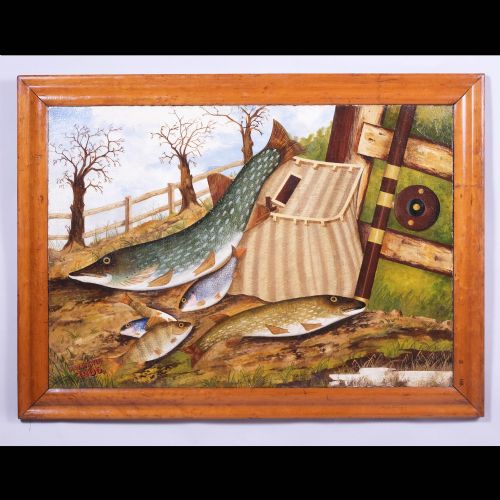
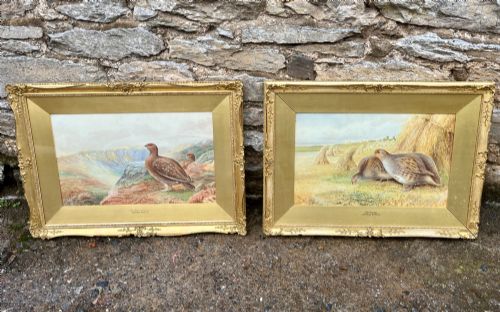
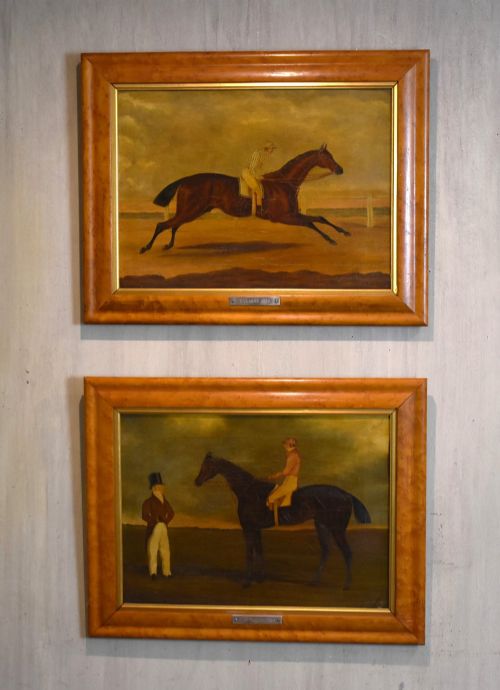
Country house sporting antiques encompass a rich variety of artwork and decorative items celebrating field sports, canine companions and equestrian subjects. When searching for country house sporting antiques, buyers encounter oil paintings, watercolours and engravings depicting hounds, horses and game.
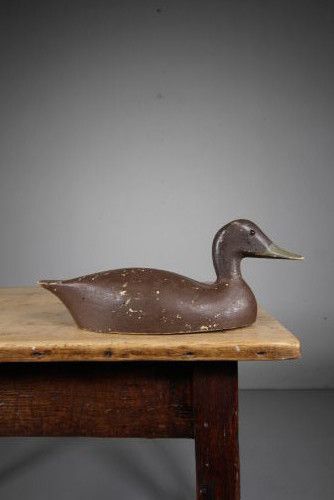
The objects on this page span from the nineteenth century into the mid twentieth century, reflecting the tastes of traditional rural estates. Forms range from framed canvas portraits of gun dogs to carved wooden decoys, bronze animal figures and mounted taxidermy.
How they were made
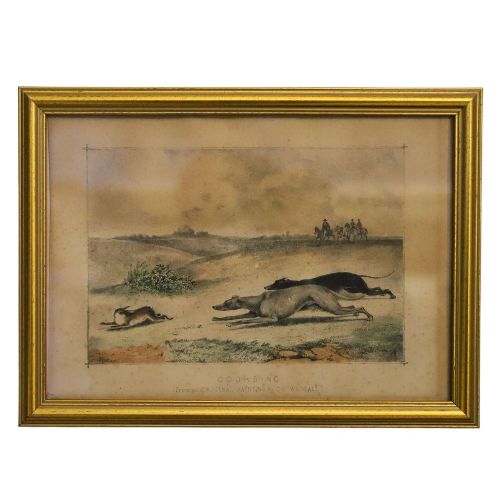
The majority of these works utilise oil paint on canvas or board, capturing depth and texture in animal coats and rural landscapes. Lithographs and hand-coloured engravings on paper offer alternative methods of capturing field sports and equestrian scenes.
Sculptural items combine cast bronze, iron and carved wood with giltwood frames, whilst taxidermy relies on preserving animal specimens and mounting them onto carved oak shields or wooden bases.
Materials recorded across the inventory include oil paint, canvas, giltwood, paper, bronze, glass, iron and carved oak.
What varies in quality
Quality rests upon the skill of the artist or maker in rendering anatomical accuracy and expressive movement in animals. Works by named nineteenth-century painters command attention for their detailed brushwork and balanced composition.
The choice of materials and framing also influences the piece, with hand-carved wooden shields, heavy giltwood frames and original patination on bronzes elevating the overall standard.
C R Breytle·John Frederick Herring Snr·John Arthur Lomax·Philip Henry Rideout·Colin Graeme Roe·Samuel Spode
The Country House Sporting Antiques Glossary
- Decoy
- A carved wooden bird or animal used to attract game during shooting expeditions. These items display hand-painted plumage and weathered surfaces.
- Lithograph
- A print made from a flat stone or metal plate using an oily substance so that ink adheres to the drawing. This technique allowed multiple impressions of sporting scenes.
- Taxidermy
- The art of preserving and mounting animal skins for display. Specimens in this category include deer heads and roebuck mounted on oak shields.
- Equestrian
- Pertaining to horses and horseback riding. These subjects appear frequently in nineteenth-century paintings and prints of hunts.
- Giltwood
- Wood that has been treated with gold leaf or a gold-coloured finish. It is commonly found on the ornate frames surrounding oil paintings.
Country House Sporting Antiques: Frequently Asked Questions
What periods do these antiques cover?
The pieces span from the Georgian era and the nineteenth century through the Edwardian period and into the mid twentieth century.
This broad timeline captures shifting artistic styles in British sporting art and estate decoration.
How were oil paintings displayed in country houses?
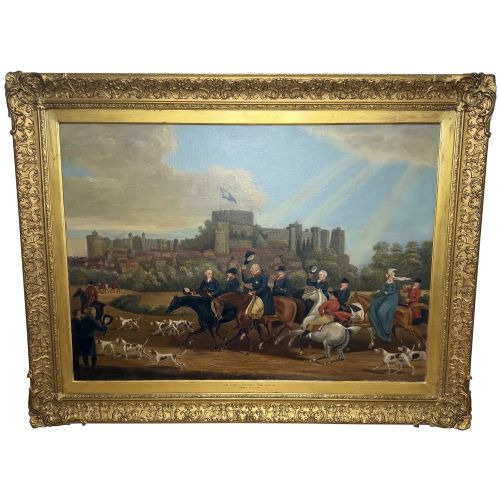
Large canvases hung in reception rooms, halls and studies to celebrate family horses, prized hounds and successful hunting days.
Smaller works and framed prints often decorated private chambers and corridors.
What subjects are most common?
Dogs, horses and game birds dominate the artwork, alongside scenes of fox hunting, hare coursing and fishing.
Taxidermy pieces focus on deer and roebucks mounted on wooden shields.
How do I identify a Victorian sporting painting?
Victorian works often feature rich oil on canvas or board with detailed depictions of gun dogs, hunters and rural landscapes.
Signatures, framing styles and canvas stamps frequently help confirm the nineteenth-century origins.