
Country House Sideboard
A country house sideboard brings enduring utilitarian grace to a room, offering substantial timber storage shaped by centuries of domestic provincial life.
Identifying a country house sideboard
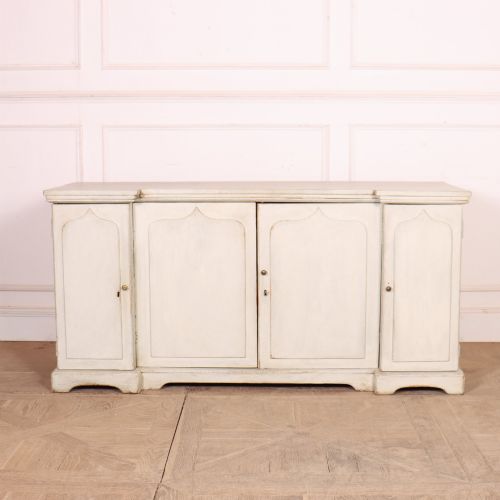
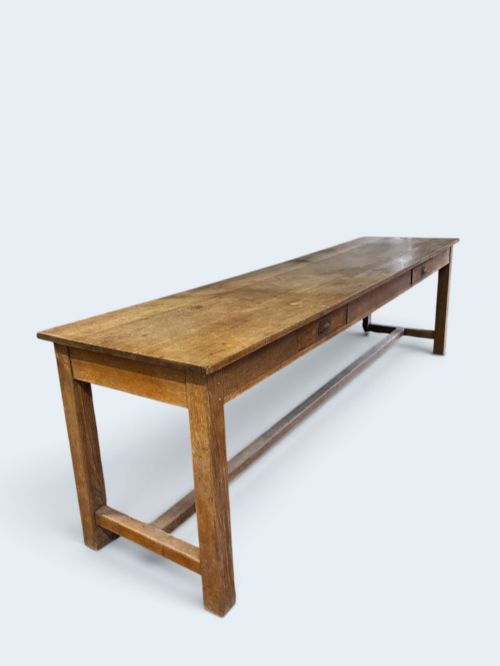
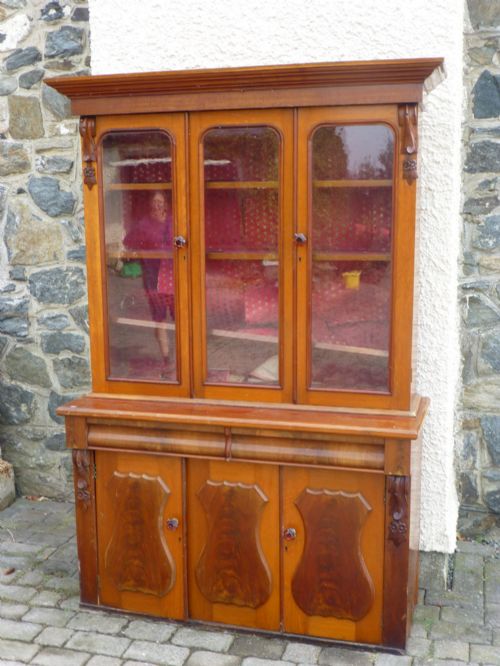
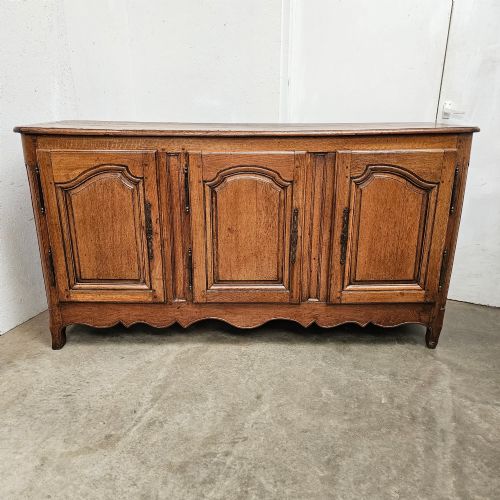
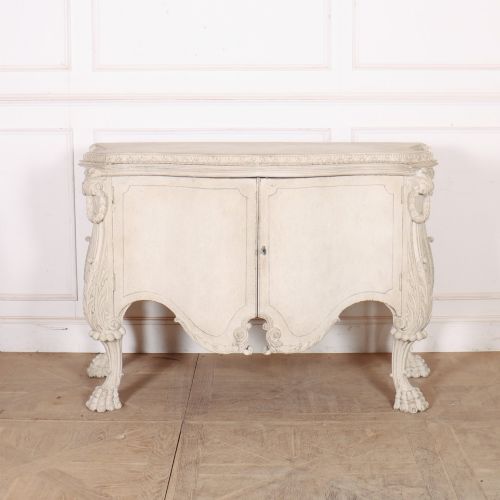
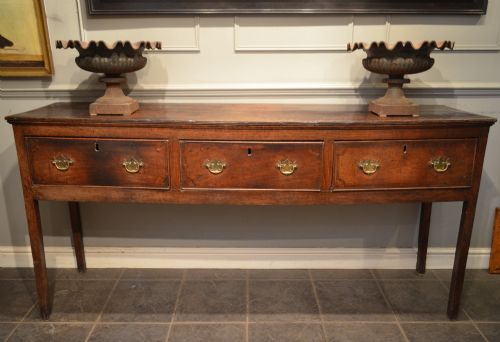
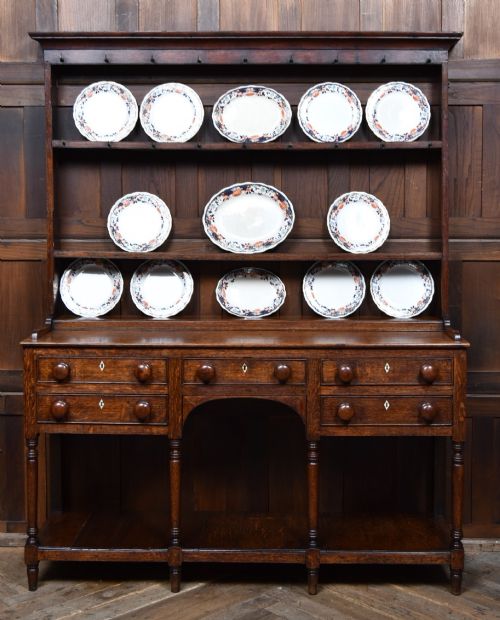
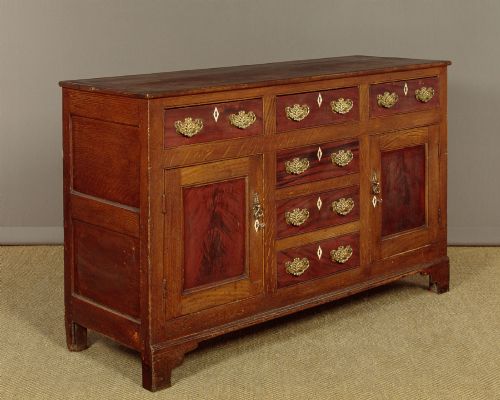
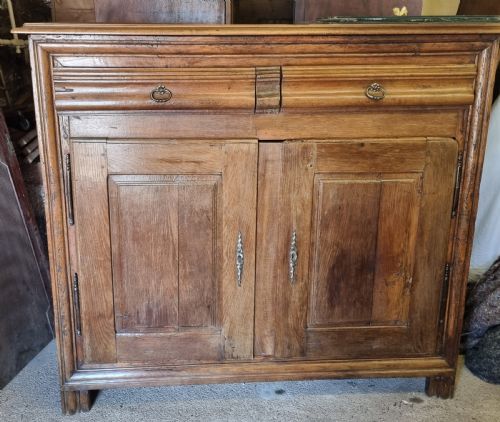
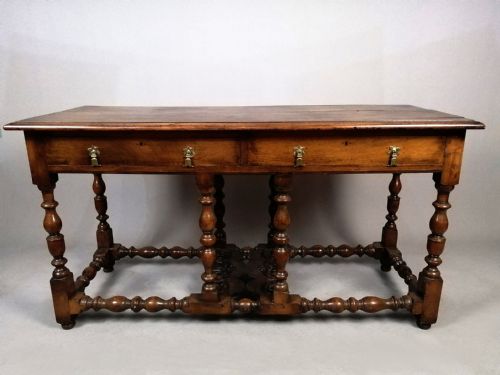
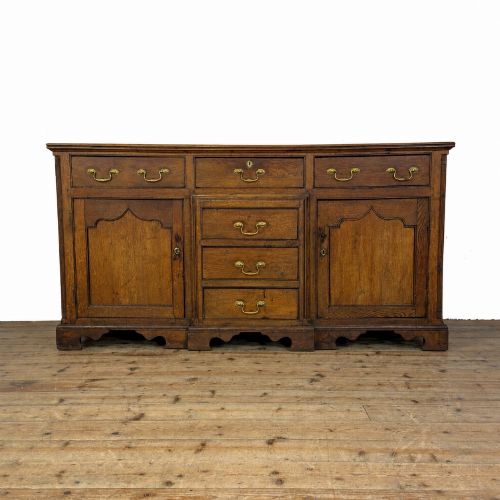
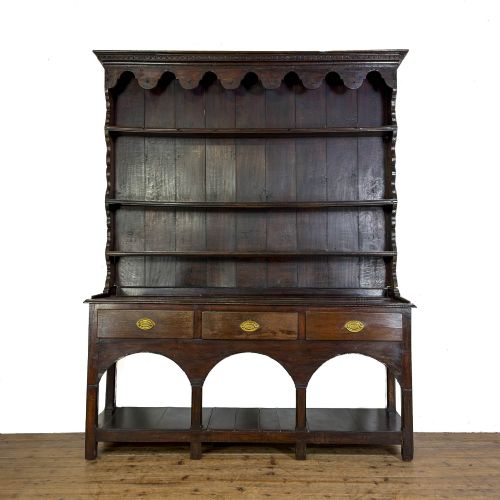
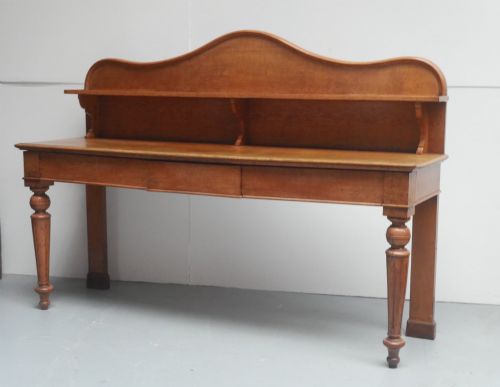
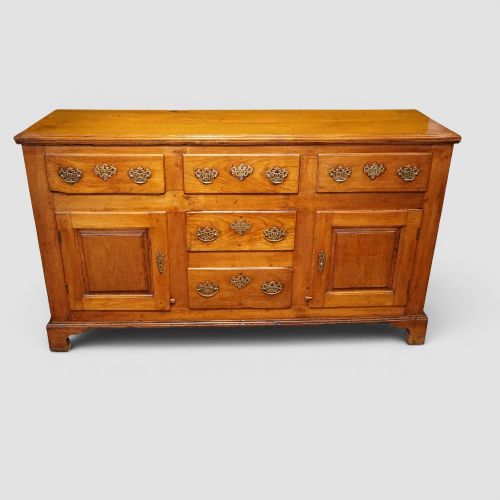
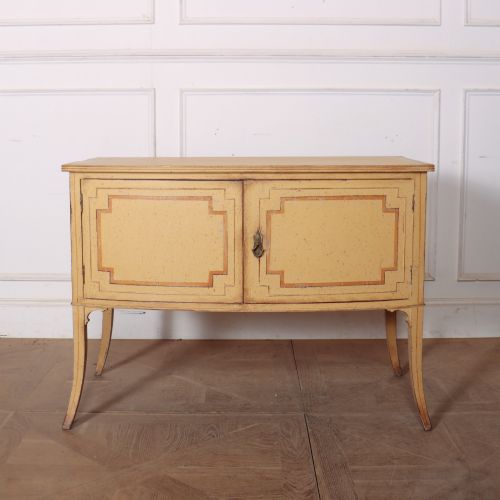
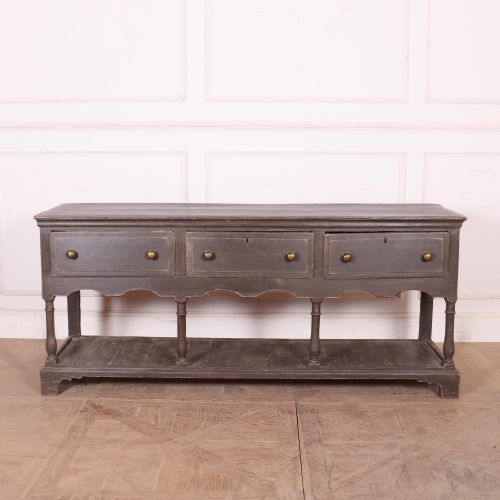
A country house sideboard encompasses robust timber furniture designed for storing and serving in domestic spaces, drawing from Georgian, Regency, and Victorian traditions. The pieces appearing here range from sturdy oak dresser bases and potboards to monumental mahogany sideboards and French oak enfilades.
Buyers are most likely to encounter English and French examples executed in oak, mahogany, or painted pine. Forms vary between open potboard dresser bases, multi-door enfilades, and substantial pedestal sideboards suited to large dining rooms.
Materials and construction methods
Makers utilised native hardwoods such as oak and mahogany alongside utilitarian softwoods like pine, frequently applying hand-painted finishes to timber surfaces. Construction relies on traditional joinery methods suited to heavy daily domestic use in provincial settings.
Hardware details incorporate brass fittings and occasional bone accents, while structural elements combine solid timber planks with robust framework. Surfaces display the tool marks and natural grain patterns inherent to period woodworking traditions.
Retail Price Guide 2026
Typical UK retail prices for country house sideboard, calculated from the Sellingantiques database of over a million retail prices indexed since 2003. This retail price guide relies exclusively on Sellingantiques data; no external sources or auction records are used, so the figures do not describe the wider market.
Some potboard dresser bases still bear the faint scorch marks of long-extinguished kitchen hearths.
Assessing quality and character
Quality rests in the selection of timber figures, such as flamed mahogany or seasoned oak, and the integrity of the original construction. Superior pieces demonstrate balanced proportions and thoughtful integration of hardware like brass pulls.
The distinction between utilitarian workshop output and finer domestic pieces lies in the refinement of mouldings and the preservation of original painted or bleached surfaces. Depth of patina and uncompromised structural unity elevate particular examples above standard regional forms.
Gillows·T. Wilson
The Country House Sideboard Glossary
- Dresser base
- A low cabinet or sideboard featuring drawers and cupboards, traditionally originating from the lower section of a kitchen dresser.
- Potboard
- An open lower shelf on a dresser base designed for storing pots and heavy kitchen utensils.
- Enfilade
- A suite of rooms aligned in a row, or in furniture terms, a long cabinet with a series of doors spanning the front.
- Pedestal sideboard
- A formal dining room form featuring central serving space flanked by heavy pedestals or cupboards.
- Patina
- The surface sheen and colour developed across timber through decades of handling, polishing, and natural ageing.
Frequently Asked Questions
What is a country house sideboard?
A country house sideboard is a utilitarian storage and serving piece originating from large provincial estates and farmhouses. These items span oak dresser bases, mahogany pedestals, and painted pine units.
They were built to handle the heavy demands of domestic service, combining functional drawer and cupboard space with substantial architectural presence.
How were these sideboards used?
These pieces served primarily in dining rooms and kitchens for storing crockery, cutlery, serving dishes, and provisions. Potboard versions held heavy pots and pans below.
Over time, their role evolved from purely functional kitchen storage to prominent display and serving furniture in grand country interiors.
How do I date a sideboard?
Dating relies on examining timber species, construction techniques, hardware, and stylistic markers across Georgian, Regency, and Victorian periods. Oak and early painted pieces often date to the eighteenth century.
Later Victorian and Regency examples frequently showcase figured mahogany and more elaborate architectural detailing reflecting changing fashions.
How do I care for antique timber?
Antique timber benefits from stable indoor humidity and protection from direct sunlight to prevent wood shrinkage and fading. Regular dusting with a dry cloth maintains the surface.
Application of appropriate beeswax feeds the wood and preserves the historical patina without building up heavy chemical residues.