

Country House Portrait
Country house portrait works bring home the stately presence of historic estates, prized animals and landed gentry.
Country House Portrait
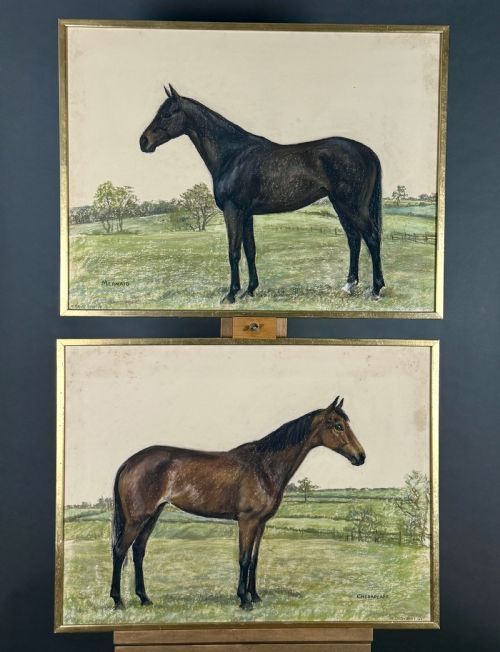
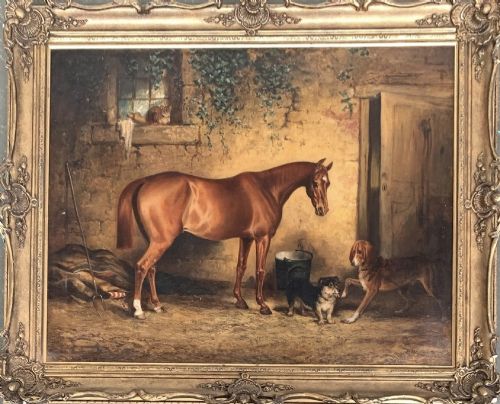
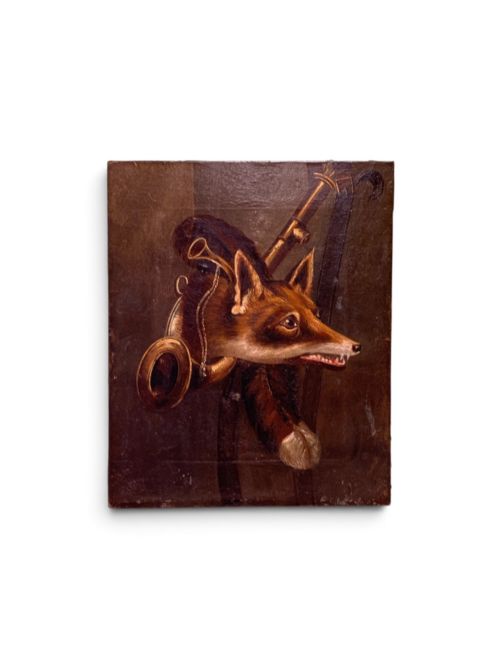
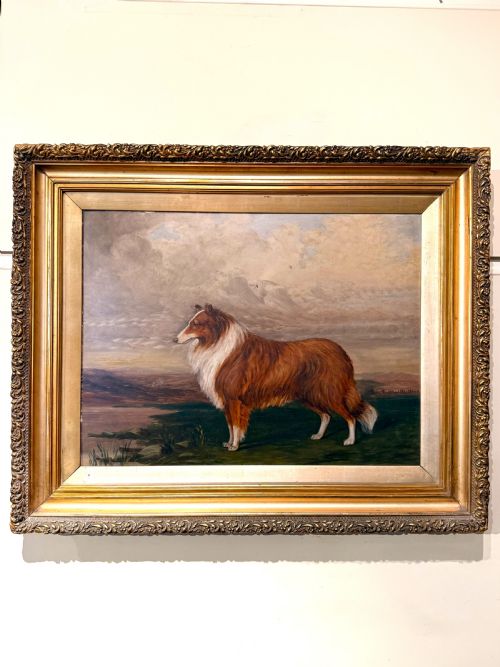
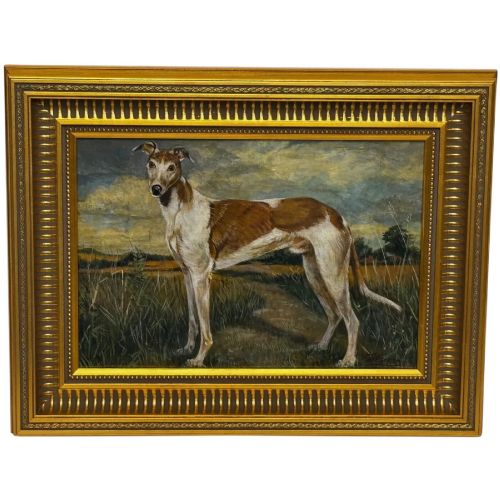
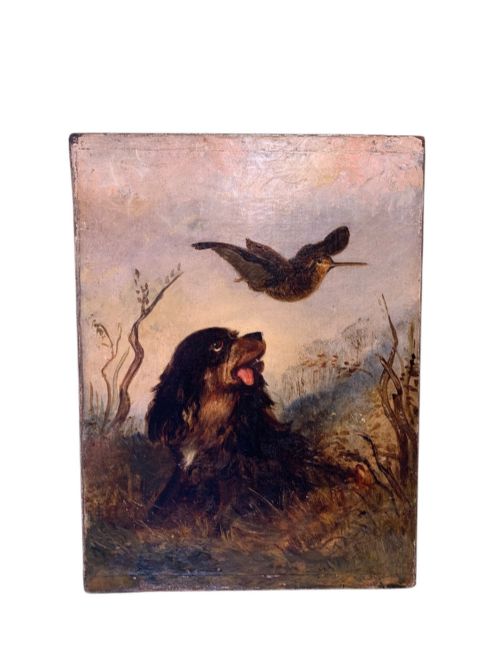
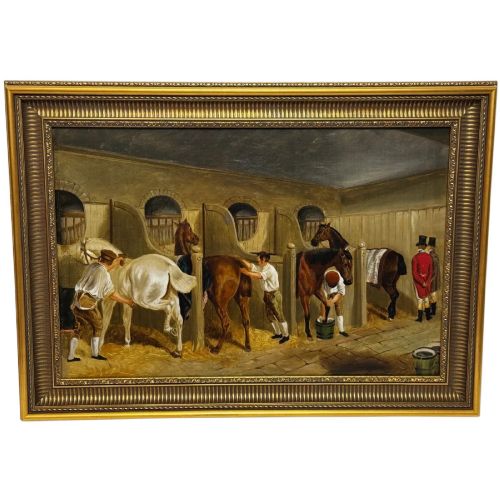
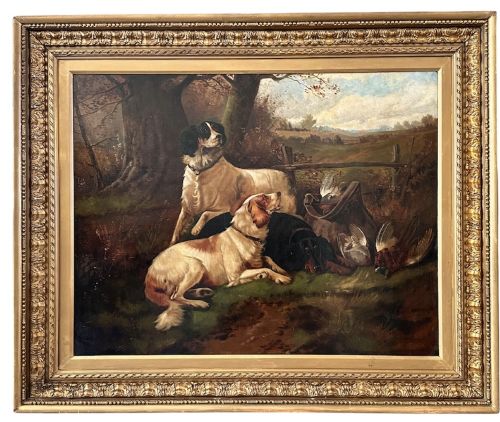
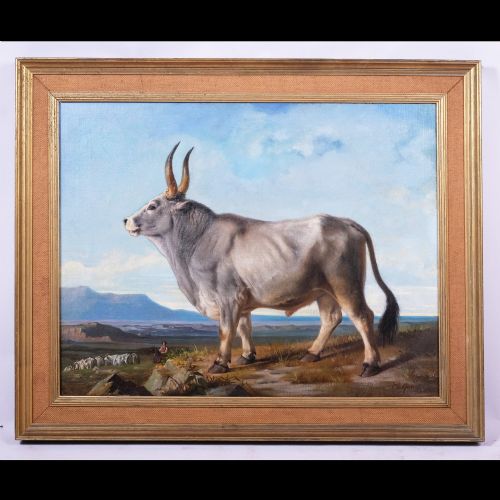
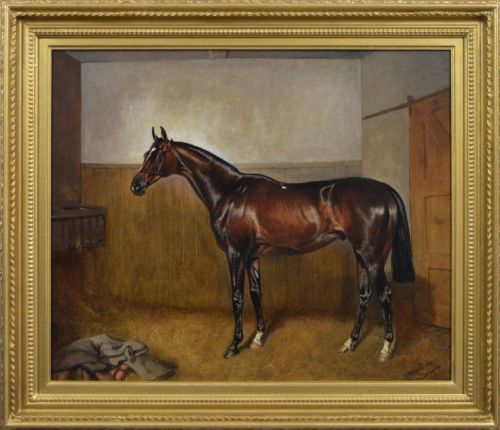
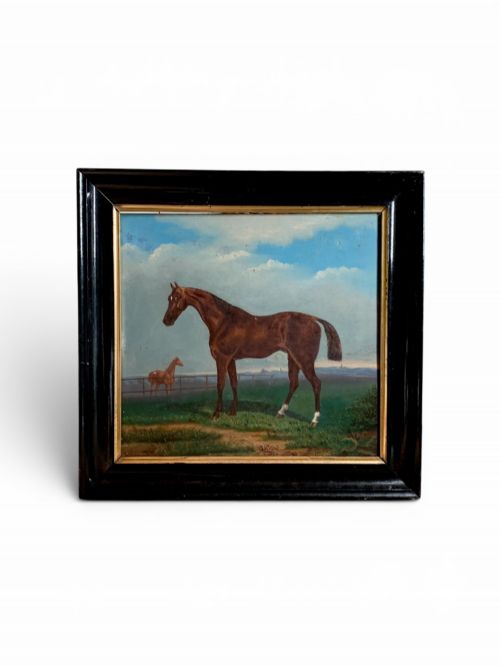
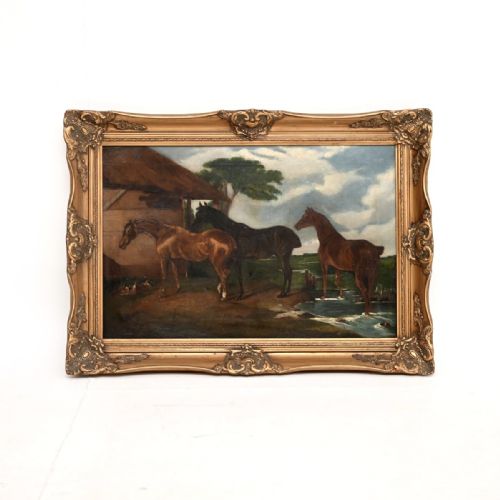
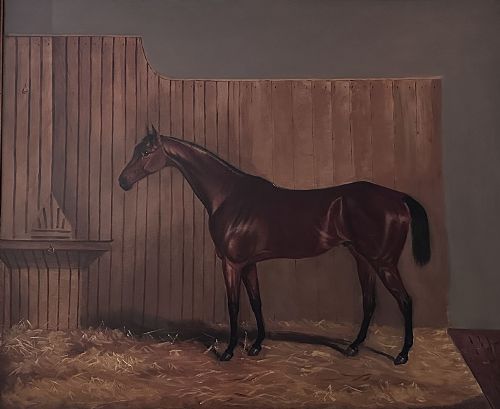
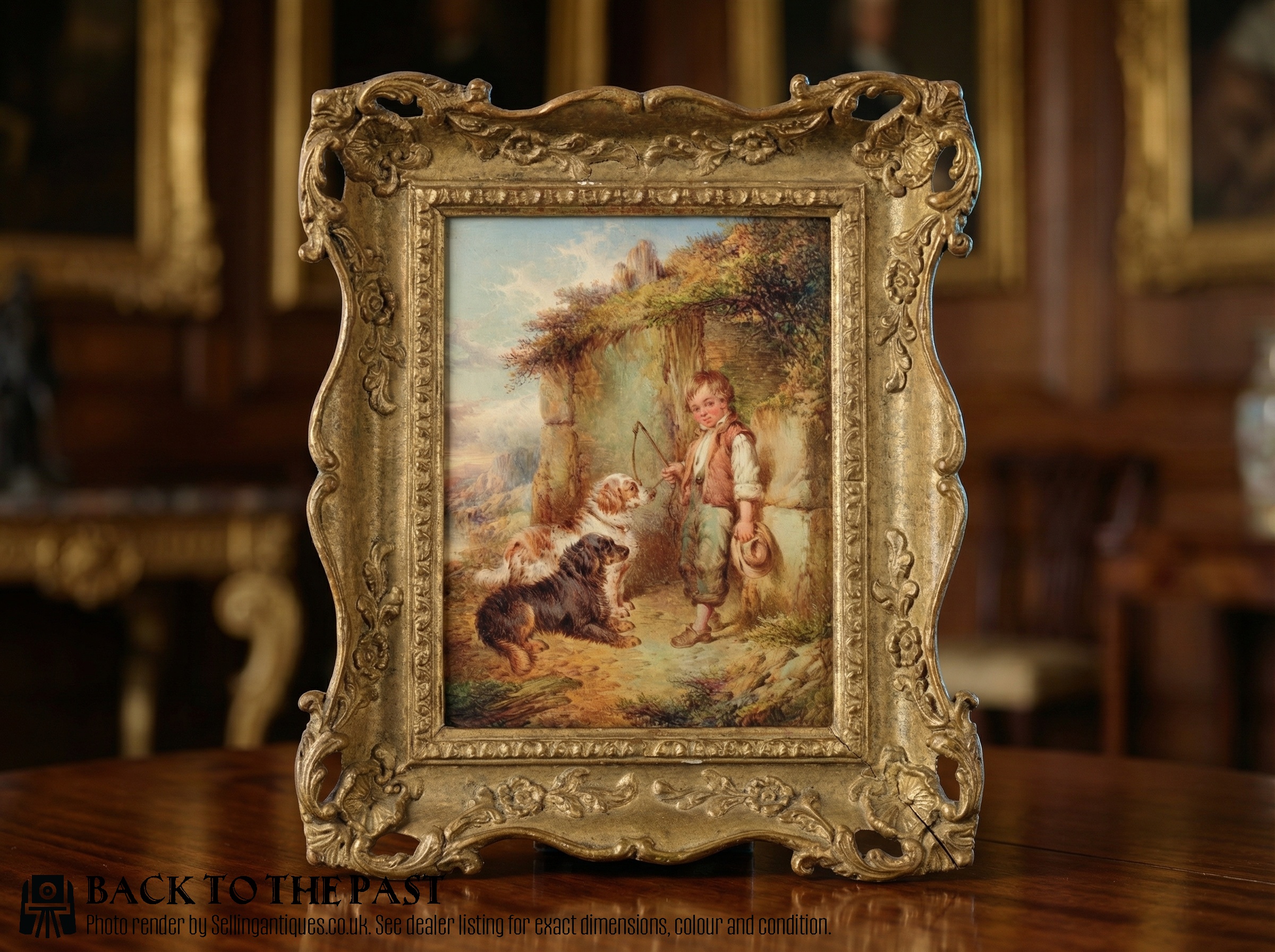
A country house portrait captures the distinct character of elite rural life, focusing heavily on prized horses, sporting dogs and cattle alongside occasional human subjects.
The pieces on this page lean heavily towards nineteenth-century works, spanning Victorian sporting art, Georgian equestrian pieces and Edwardian animal studies.
Buyers mostly encounter oil paintings on canvas or board, framed in period giltwood, depicting specific animals with individual names or documented lineages.
Materials and Technique
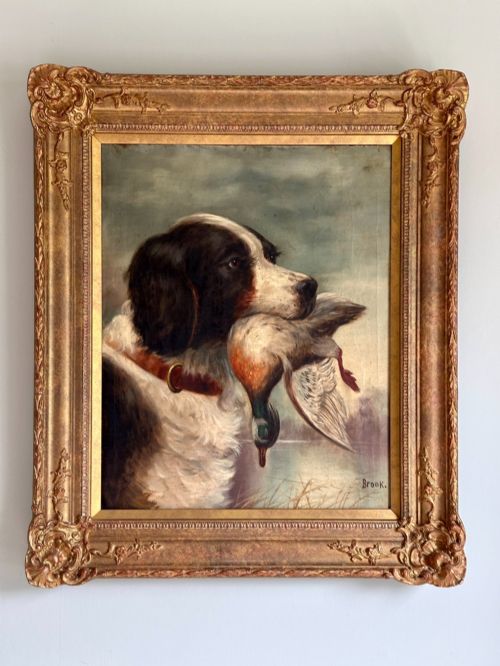
Artists relied primarily on oil paint applied to woven canvas or wooden boards, building up rich coats of pigment to capture the gloss of a horse's coat or the texture of a hound's fur.
Watercolours on paper appear in delicate portraiture, offering a lighter medium for gentlemanly figures and animal studies.
Surviving works retain their original giltwood frames, which provide a heavy golden border suited to grand domestic interiors.
Animal subjects range from named racehorses and prize-winning short-horn bulls down to litters of fox terrier puppies.
Assessing Quality
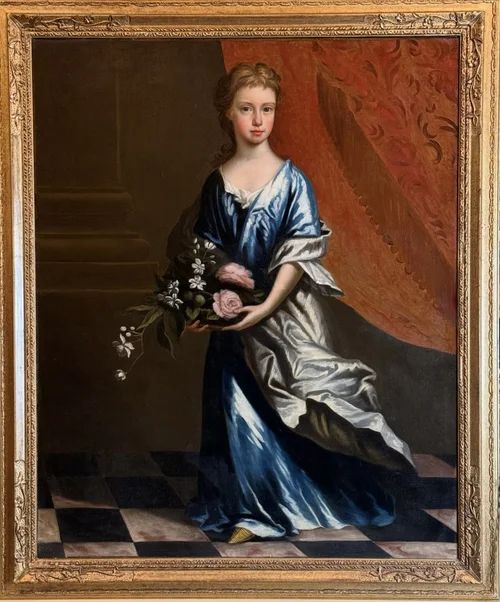
Quality rests entirely in the anatomical precision of the subject and the painter's ability to render light across muscle, hair and fabric.
Works by named nineteenth-century animaliers and sporting artists demonstrate superior brushwork, capturing the distinct personality of a spaniel or racehorse rather than a generic template.
John Alfred Wheeler·Colin Graeme Roe·Thomas Sidney Cooper·Samuel Spode·Charles Haigh Wood
The Country House Portrait Glossary
- Sporting art
- Depictions of hunting, shooting, racing and the animals associated with country sports. These works celebrate horses, hounds and field sports.
- Giltwood
- Wood carved and coated with a thin layer of gold leaf or gilt finish. This material frames the majority of traditional oil paintings.
- Equine portrait
- A painting dedicated specifically to a horse, often recording the name of a celebrated racehorse or hunter. Such works served as records of valuable bloodstock.
- Mezzotint
- A printmaking process of the intaglio family, allowing halftone gradients and rich tonal variations. Robert Sayer produced notable examples in this medium.
Country House Portrait: Frequently Asked Questions
What subjects feature in these portraits?
The subjects are overwhelmingly animals connected to landed estates, particularly horses, spaniels, setters and cattle.
Human figures occasionally appear, including country gentlemen, children with ponies or women in interior settings.
How do I date a country house portrait?
Dating relies on the costume of human subjects, the framing style, and the canvas stretcher construction.
Nineteenth-century pieces often bear inscriptions naming the horse or dog, sometimes accompanied by the artist's signature and a precise year.
Where were these paintings originally displayed?
These artworks hung in the reception rooms, libraries and stables of British country houses to celebrate family wealth and sporting achievements.
They functioned as visual records of prized livestock, beloved hunting dogs and notable family members.
Are these works always painted in oil?
While oil on canvas is the dominant medium, the selection also includes oil on panel, watercolours and historic mezzotint prints.
Frames are typically period giltwood designed to complement the grandeur of the painted subject.