




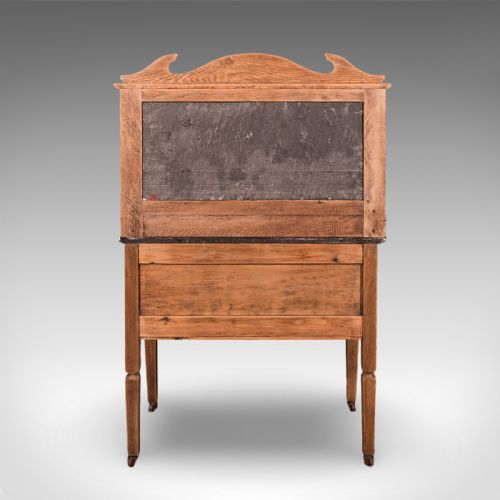
Country House Pine Table
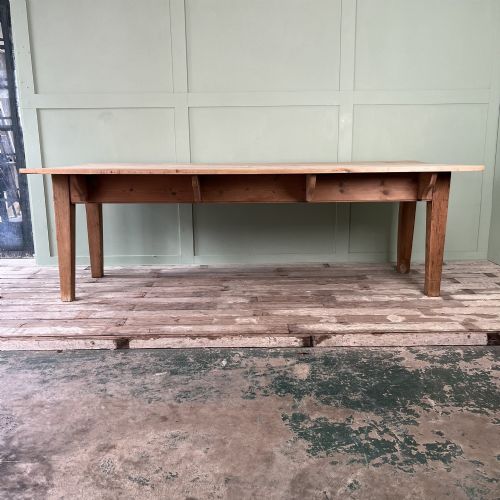
A country house pine table brings heavy domestic use and generous proportions into a room, offering scrubbed tops or aged paint finishes.
Country House Pine Table
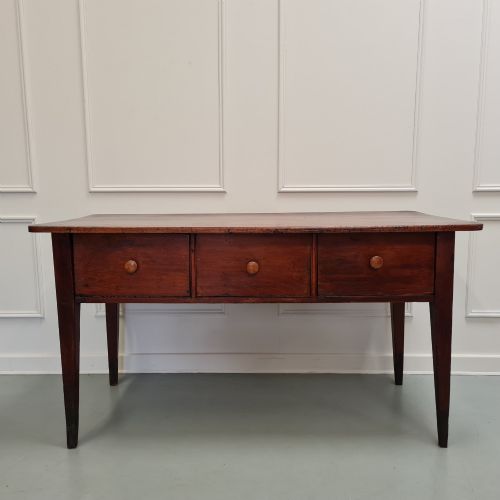
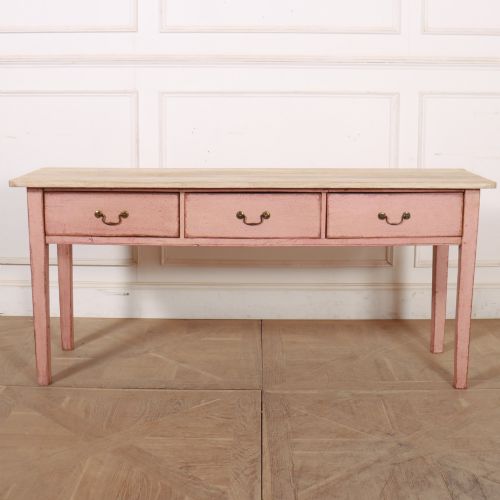
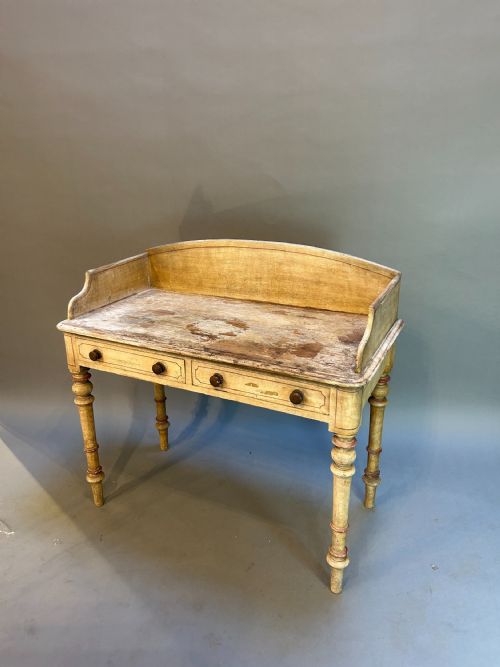
A country house pine table serves as a robust utilitarian surface designed for practical service rather than formal display. The items gathered under this heading span large kitchen and dining boards, prep tables, and side tables originating from domestic or estate contexts.
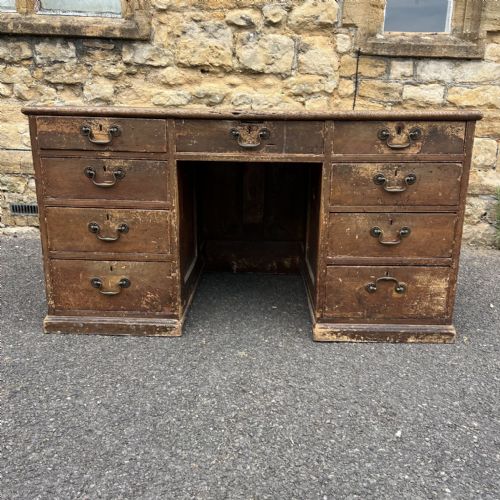
Most examples you encounter date from the nineteenth century, including Victorian kitchen pieces and farmhouse boards, alongside earlier eighteenth-century Georgian formats. Forms range from chunky tavern tables and pedestal designs to dresser bases and side boards.
Origin varies across English, Welsh, Scottish, French, and Scandinavian workshops, reflecting regional preferences in framing and timber selection. These boards often show marks of intensive daily preparation, scrubbing, and historical alteration.
How They Were Made
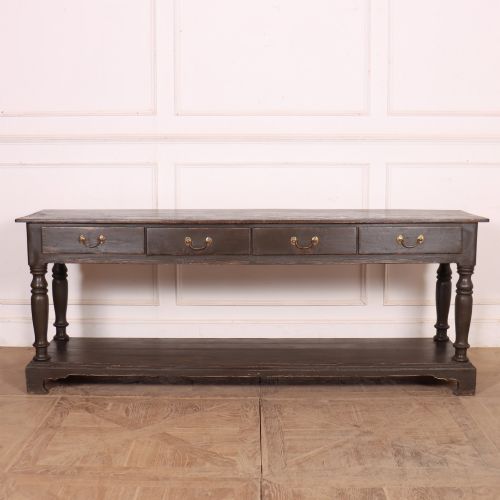
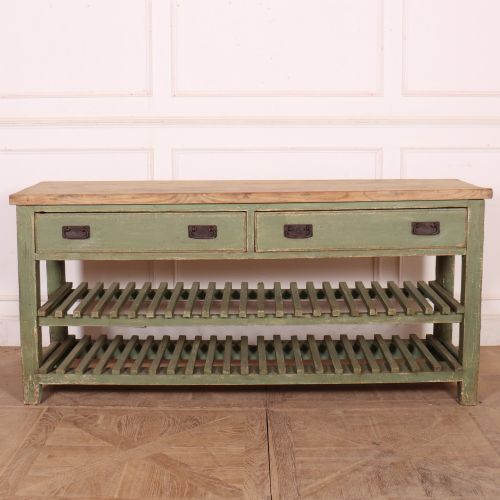
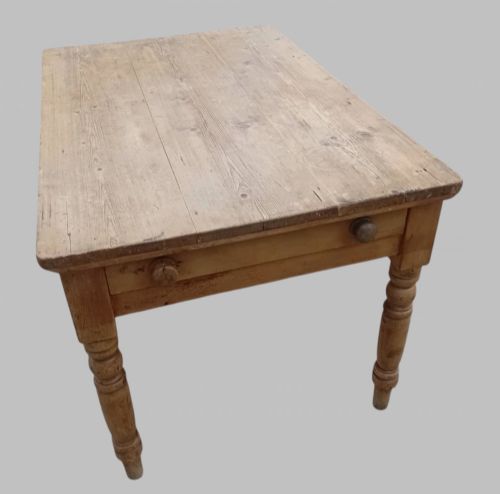
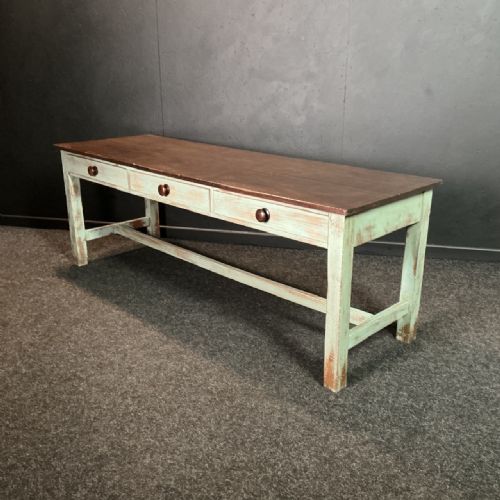
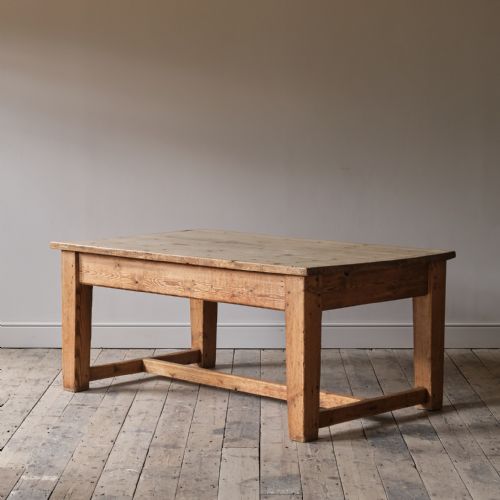
Construction relies primarily on sturdy pine timber, sometimes paired with oak for structural frames or enhanced with pitch pine for resilience. Joinery typically involves thick plank tops secured to heavy aprons and substantial legs, occasionally incorporating drawers or potboards beneath.
Surfaces frequently display layers of historical paint, ranging from original red or grey pigments to later decorative coats applied over bare softwood. Scrubbed timber tops owe their texture to decades of hard washing rather than factory sanding.
Country House Pine Table Retail Price Guide 2026
Typical asking prices for country house pine table among the pieces listed under this phrase on Sellingantiques today, from the lower quarter to the upper quarter. They describe what is for sale here now, not the wider market.
Materials recorded across these tables include standard pine, pitch pine, oak, and various applied paint finishes.
What Varies in Quality
Quality rests on structural integrity, the retention of original surface patination, and the honesty of the timber. Untouched old paint surfaces and boards with thick, well-proportioned plank tops command greater interest than heavily stripped or excessively restored examples.
Proportion and scale dictate the desirability of these utility tables, particularly where large dining lengths or unusual base configurations like X-frames and trestles survive intact. Fine craftsmanship shows in the timber thickness and the stability of the joinery beneath heavy use.
The Country House Pine Table Glossary
- Pitch pine
- A resinous softwood noted for its density and prominent grain patterns, utilised for robust furniture construction.
- Potboard
- A lower slatted shelf fitted beneath a dresser base or table for storing pots and domestic utensils.
- Cricket table
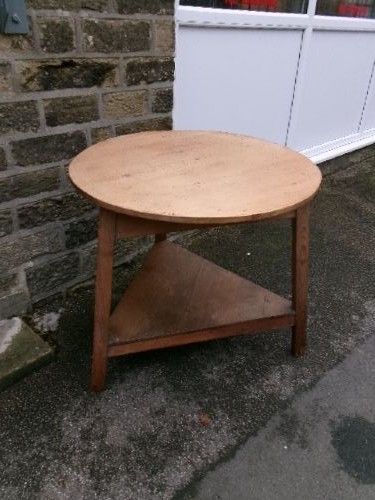
- A small, lightweight occasional table traditionally featuring three splayed legs for stability on uneven floors.
- Trestle table
- A board supported by two or more upright frames connected by a horizontal beam.
- Scullery table
- A heavy utilitarian work table designed for washing, food preparation, and messy domestic chores.
Country House Pine Table: Frequently Asked Questions
What defines a country house pine table?
These tables are utilitarian domestic boards built from softwood, designed for heavy daily service in kitchens, scullery rooms, and large estate houses.
They typically feature thick plank tops and sturdy legs, often bearing the marks of historical use, scrubbing, or layers of old paint.
How were these tables used originally?
They served as central work spaces for food preparation, baking, washing, and communal dining in large country houses and farmhouses.
Many included drawers for utensils or lower shelves known as potboards to hold heavy kitchen equipment.
How do I care for an old pine table?
Protect the surface from excessive moisture and heat by using coasters or mats, and clean the wood with a dry or lightly damp cloth.
Avoid harsh chemical modern polishes, as traditional wax helps maintain the aged patina and dryness of the softwood.
How can I tell the period of a pine table?
Dating relies on examining the timber preparation, tool marks, construction methods, and the presence of early paint finishes.
Eighteenth-century examples often display different joinery and proportions compared to Victorian or Edwardian production.