


Country House Pine Dresser
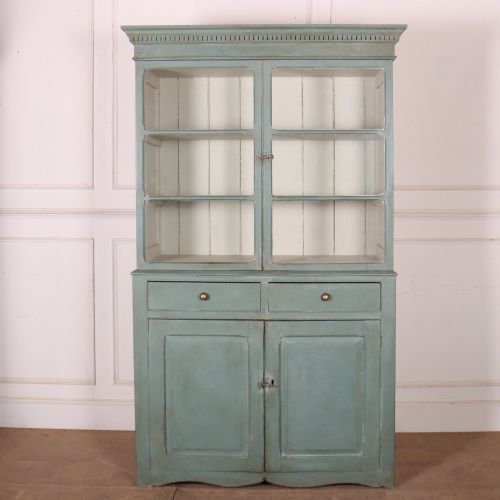
A country house pine dresser brings generous proportions and honest utility to a room, offering open display shelves above a sturdy storage base.
Country House Pine Dresser
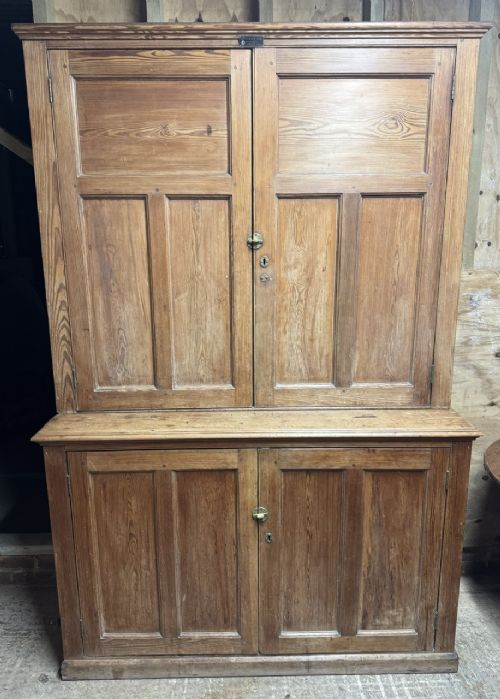
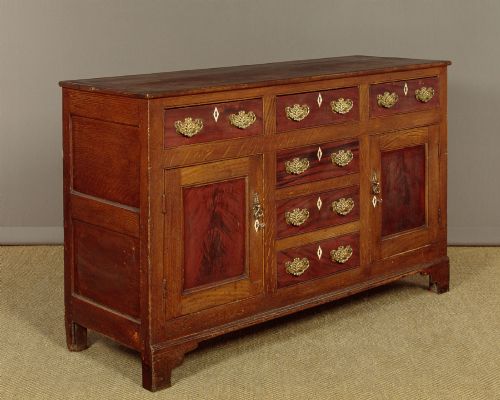
When searching for a country house pine dresser, buyers encounter substantial storage pieces designed for domestic service, most frequently originating from the nineteenth century or the Victorian period. These pieces combine upper plate racks or shelving with lower cupboards and drawers, though many examples survive as dresser bases without their upper superstructures. Regional variations appear regularly, including English, Irish, Scottish, and Scandinavian examples, alongside related forms such as housekeeper cupboards and kitchen cabinets.
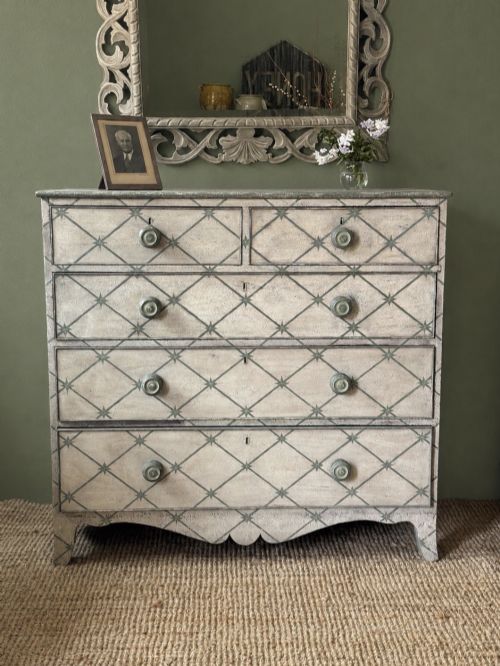
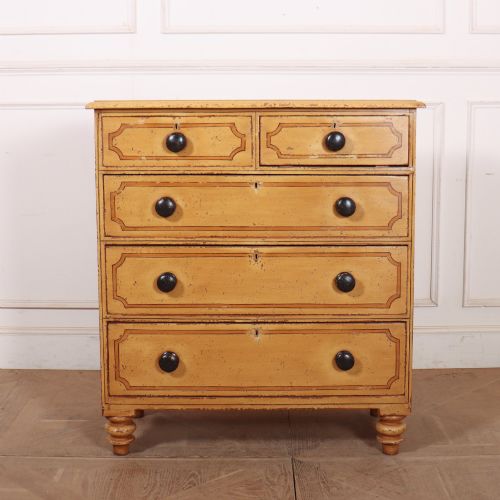
The scale of these items ranges from standard domestic furniture to monumental proportions suited to large country kitchens and halls. Surfaces often show layers of original paint, from muted greens to worn finishes, while other examples display stripped pine or traditional wax coatings. Construction styles reflect regional vernacular traditions, employing durable softwood timbers built to withstand generations of heavy household use.
Materials and construction methods
Makers constructed these pieces primarily using solid pine, occasionally incorporating secondary timbers such as poplar or oak for internal framing and drawer linings. Joinery relied on robust traditional methods, including dovetail joints for drawers and panelled construction for doors, ensuring stability across large carcases.
Surfaces received treatments ranging from simple wax polishing to multiple coats of paint, with many pieces retaining their original pigmented finishes applied over centuries of domestic life. Hardware typically includes brass or iron pulls, hinges, and latches chosen for daily utility.
Listings feature pieces spanning the eighteenth century through the Victorian era, constructed in pine, painted timber, and iron.
Assessing quality in vernacular furniture
Quality rests in the retention of original surfaces and uncompromised proportions, where patination tells the history of use without modern intervention. Untouched paint finishes and early brass or iron hardware elevate an example above pieces stripped or altered during later restorations.
Proportional harmony between the upper shelving and the lower base distinguishes superior pieces, along with the crispness of the joinery in the drawer framing and cornices. The integrity of the timber, free from excessive timber replacement, determines the lasting strength of the carcase.
The Country House Pine Dresser Glossary
- Dresser base
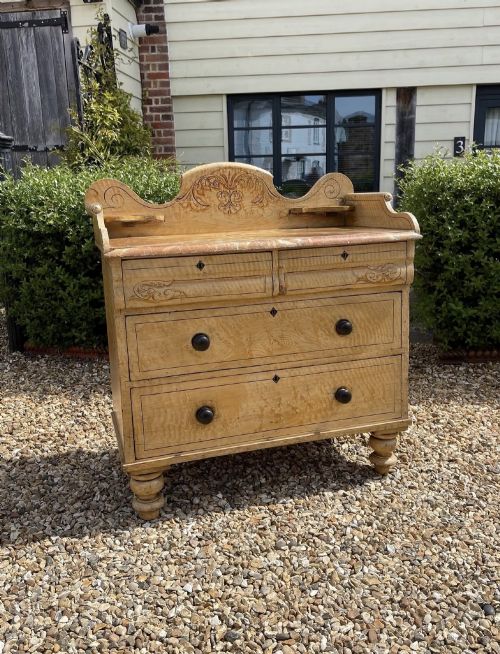
- The lower portion of a dresser comprising drawers and cupboards without the upper plate rack. Many surviving examples were originally constructed as independent base units.
- Potboard
- An open slatted lower shelf situated beneath a dresser base, traditionally used for storing pots and heavy kitchen utensils.
- Housekeeper cupboard
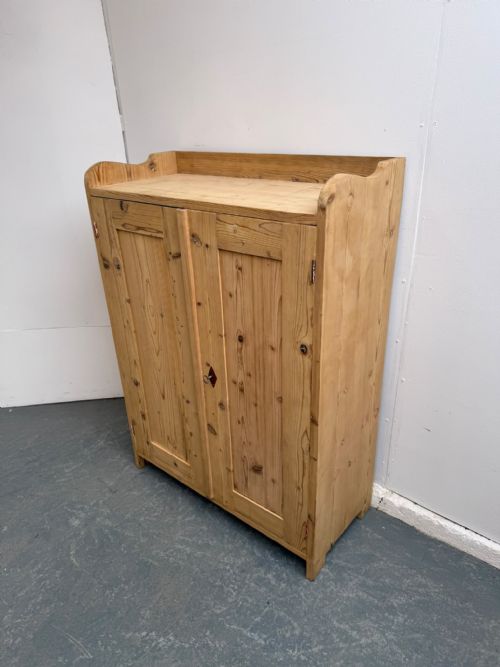
- A large storage cabinet featuring multiple doors and internal shelving or drawers, used for linen and provisions in domestic service. These pieces share the robust construction of large dressers.
- Original paint
- Pigmented surface coating applied during the period of manufacture and retained through subsequent generations. Traces of early colour contribute significantly to the character of vernacular furniture.
- Breakfront
- A cabinet configuration where the central section projects forward from the flanking outer cupboards or drawers. This architectural feature adds visual depth to larger dresser bases.
Country House Pine Dresser: Frequently Asked Questions
How do I clean a painted pine dresser?
Dust surfaces regularly with a soft, dry cloth to prevent the accumulation of grime on vulnerable painted finishes. Avoid modern chemical cleaners or excessive water, which can damage aged timber and original surface coatings.
Apply traditional beeswax sparingly if the wood appears dry, but leave painted surfaces untouched to preserve the historic patination and surface character.
Were all dressers originally painted?
Makers finished pieces according to regional preference and domestic context, utilising both paint and clear wax or oil. Many utility pieces received protective coats of paint during the nineteenth century to seal the softwood timber.
Stripping became common in later decades, meaning current appearances often reflect twentieth-century taste rather than original workshop practice.
How do I secure a large dresser to the wall?
Tall pieces require discreet mechanical fixings to the wall studs to prevent tipping, particularly given their considerable weight and height. Use appropriate brackets attached through the upper internal framing where they remain hidden from view.
Ensure the floor beneath the piece is level, using discreet packers if necessary to relieve stress on the original joinery.
What is the difference between an Irish and an English dresser?
Regional distinctions often appear in the proportions, cornice moulding, and the configuration of the lower base cupboards. Irish examples frequently feature distinct board arrangements and specific vernacular mouldings characteristic of local workshops.
English country pieces tend to follow regional county styles, ranging from West Country forms to simpler northern designs.