

Country House Lounge Chairs
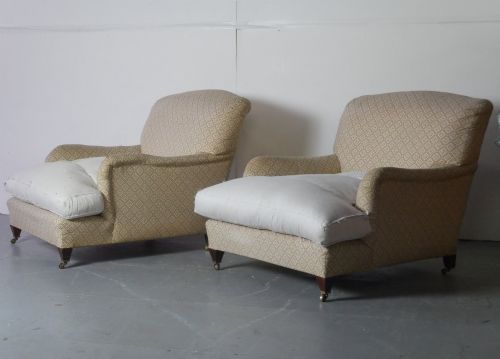
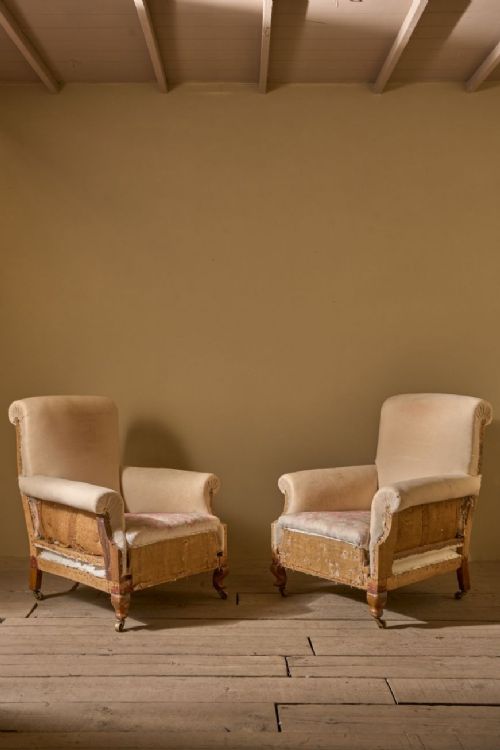
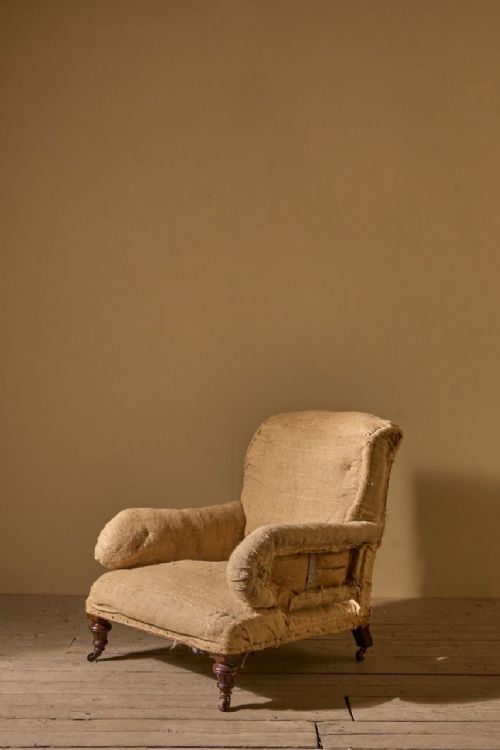
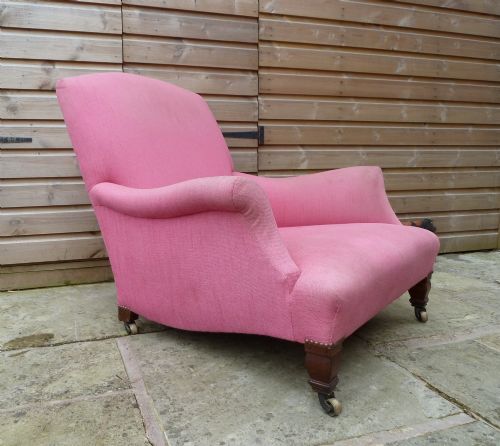
Country house lounge chairs bring deep proportions and lived-in comfort to large sitting rooms and libraries alike.
Country House Lounge Chairs
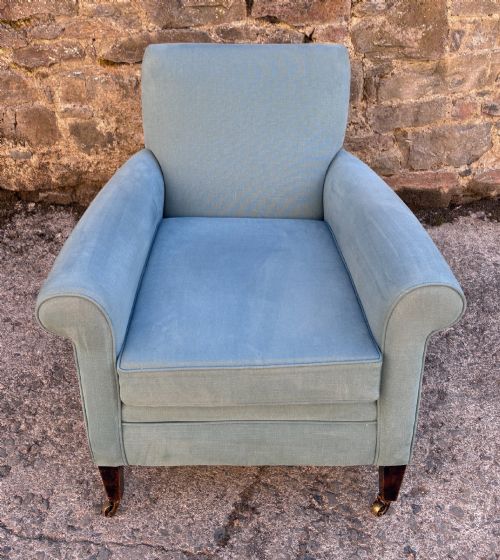
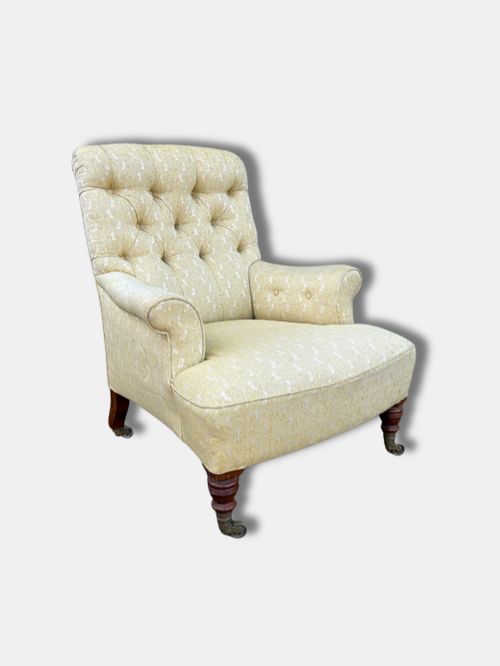
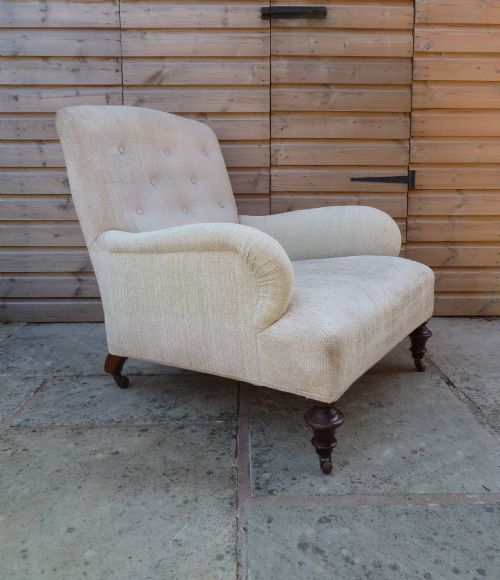
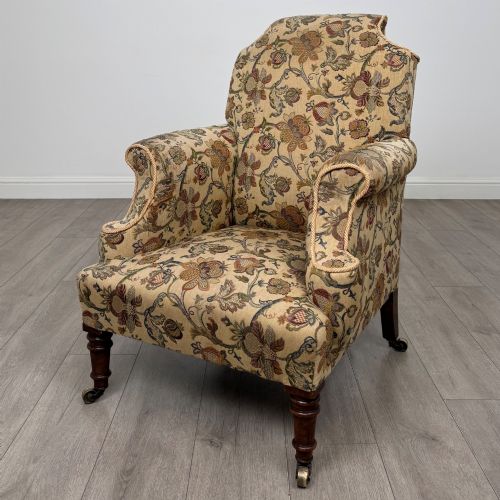
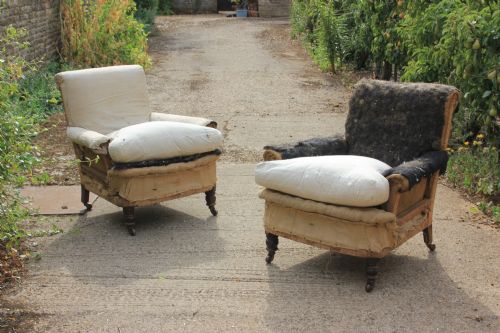
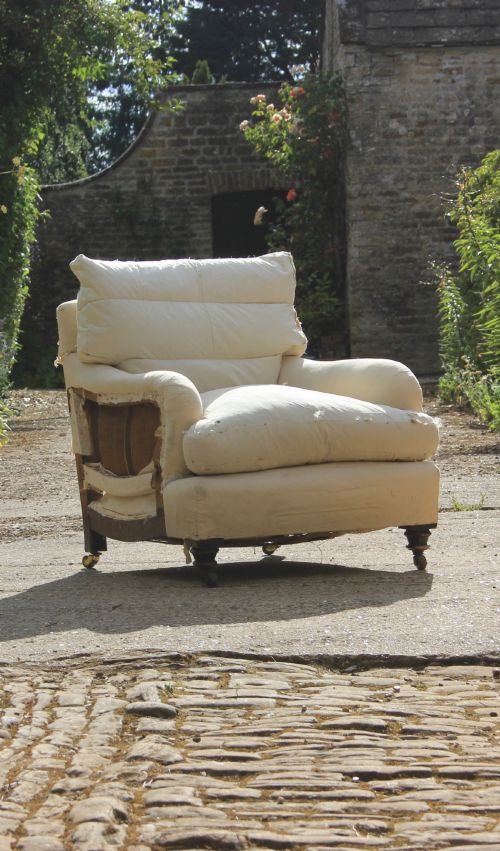
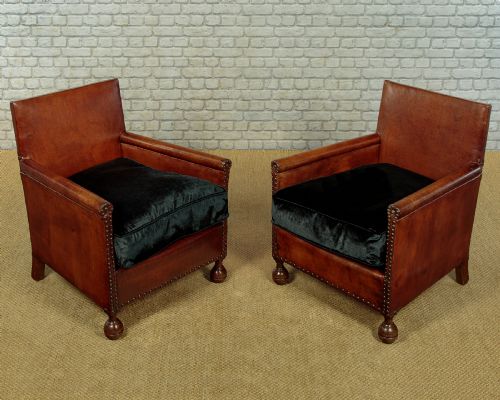
Country house lounge chairs represent the height of informal domestic seating, designed primarily for relaxation in large drawing rooms and libraries. When searching for country house lounge chairs, you encounter substantial armchairs and deep-seated designs from the nineteenth and early twentieth centuries. These pieces typically exhibit generous proportions built to accommodate hours of reading or conversation.
The selections span distinct regional variants and maker styles, including classic low-slung club chairs and upright wingbacks. You will frequently find armchairs bearing the aesthetic hallmarks of notable firms such as Howard and Sons, Gillows, and Whytock and Reid. Frames range from nineteenth-century Victorian forms to Edwardian and 1920s interpretations of traditional English comfort.
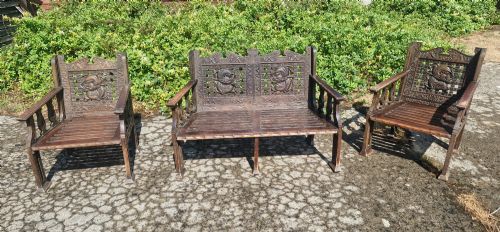
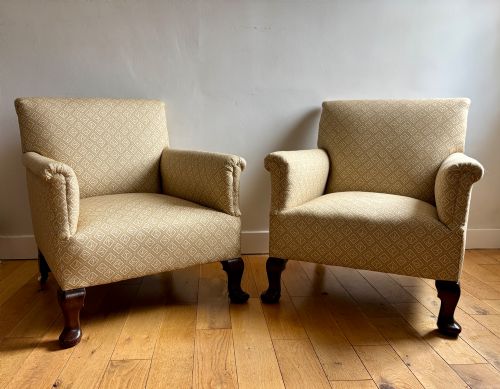
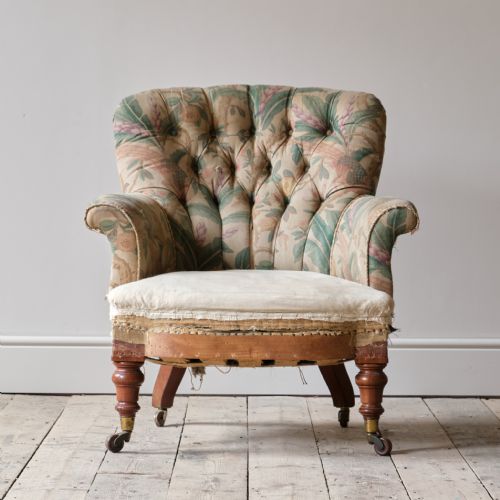
Seating arrangements also encompass occasional daybeds and carved conservatory suites alongside pairs of matched library chairs. Many examples retain traditional upholstery foundations, often finished in ticking, calico, or rich leather. The overarching character remains unpretentious yet masterfully constructed for enduring domestic use.
Materials and Construction
Frames rely on sturdy hardwoods such as mahogany, timber, and general hardwood to support heavy internal springing systems. Joinery is robustly executed to withstand decades of heavy daily use without losing structural integrity.
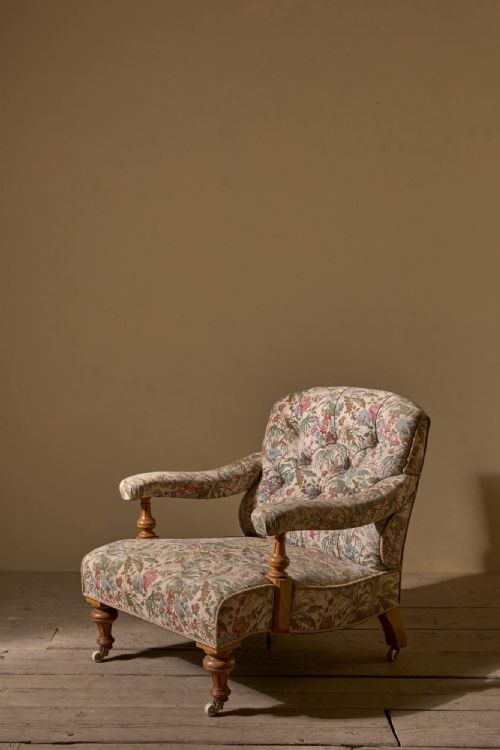
Upholstery techniques utilise traditional stuffings encased in hessian and calico before final coverings of leather or heavy fabric are applied. Brass castors and detailed turned wooden legs frequently finish the lower framework of nineteenth-century models.
Some chairs are documented as being so exceptionally comfortable that rising from them requires genuine effort.
Judging Quality
Quality rests heavily on the integrity of the internal webbed framework and the resilience of the original coil springing. Chairs that retain their firm yet yielding seat proportions demonstrate superior craftsmanship from workshop origins.
The pedigree of the maker adds considerable distinction, particularly when authentic stamps, original brass castors, and period-correct upholstery methods remain intact. Timber frames showing careful seasoning and uncompromised joinery further separate standard production from exceptional examples.
Howard and Sons·Gillows·Whytock and Reid·Sopwith
The Country House Lounge Chairs Glossary
- Club armchair
- A deep-seated, heavily upholstered armchair designed for maximum lounging comfort. These pieces usually feature low backs and broad arms.
- Ticking
- A tightly woven, durable cotton or linen fabric traditionally used as an under-upholstery layer or plain loose cover. It often appears in striped patterns on nineteenth-century pieces.
- Castor
- A small wheel fitted to the base of furniture legs to ease movement across heavy carpets. Brass versions frequently help identify maker-attributed pieces.
- Spoon back
- An upholstered chair back shaped in a concave oval resembling the bowl of a spoon. This design gained popularity during the Victorian period.
- Wingback
- An armchair featuring side panels attached to the armrests, originally designed to shield the sitter from drafts. These high-backed seats remain a staple of traditional interiors.
Country House Lounge Chairs: Frequently Asked Questions
How do I spot a Howard chair?
Look for low-slung proportions, rolled arms, and maker stamps typically found on the legs or castors. Original pieces also utilise specific webbing and traditional stuffing methods.
Many later chairs imitate this aesthetic without bearing the workshop marks of the original firm. Checking internal construction details provides the clearest indication of authenticity.
Are these chairs suitable for daily use?
These pieces were built specifically for heavy domestic lounging, featuring robust hardwood frames and resilient coil springs. Their deep seats make them exceptionally practical for modern living rooms.
Maintenance involves periodic checks of the internal webbing and upholstery support. With sound foundations, they handle daily seating comfortably.
What fabric should these chairs wear?
Historical examples frequently appear in heavy linen ticking, plain calico, or aged leather. These materials reflect the understated elegance of traditional country house interiors.
Choosing replacement covers depends on whether you prefer a crisp upholstered finish or a relaxed loose cover. Both approaches respect the heritage of the frame.
How do I date a Victorian armchair?
Dating relies on stylistic clues such as spoon back contours, mahogany turning, and the presence of early brass castors. Victorian pieces often combine heavier timber frames with deep upholstery.
Comparing construction techniques with documented workshop examples helps narrow the decade. Secondary woods and fastener types further confirm the period.