

Pair of Fireside Armchairs
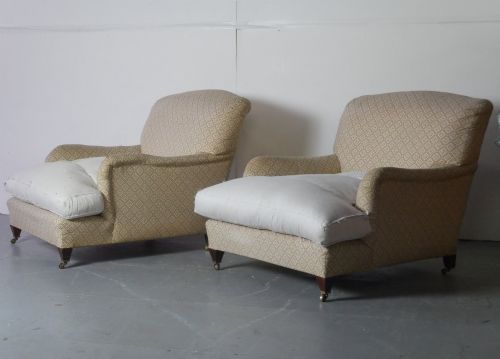
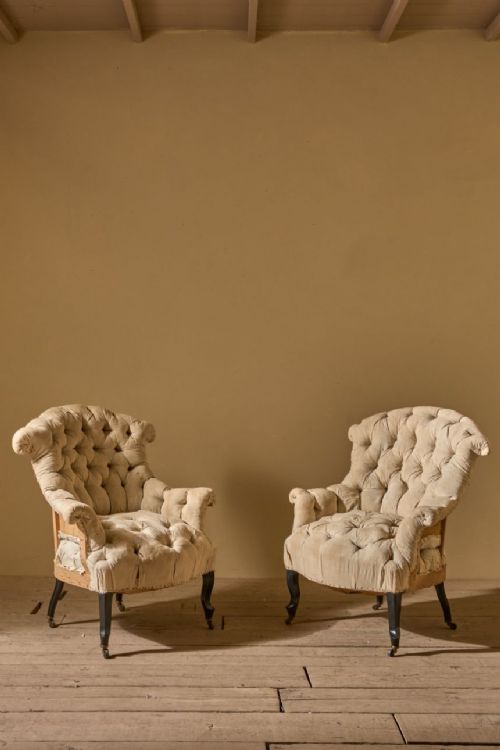
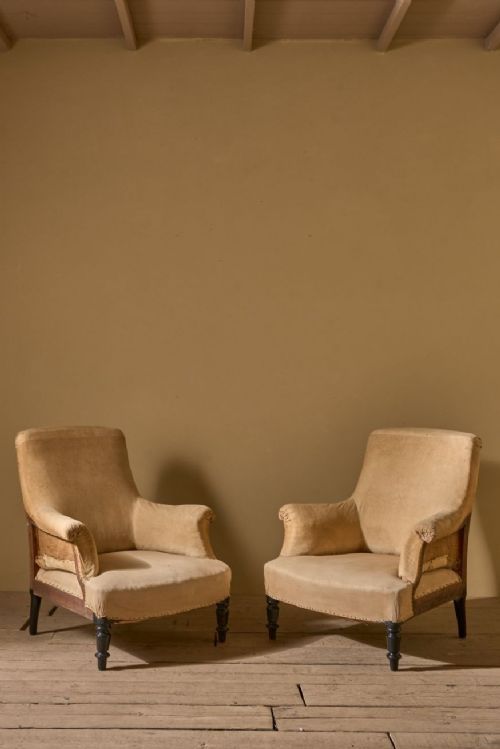
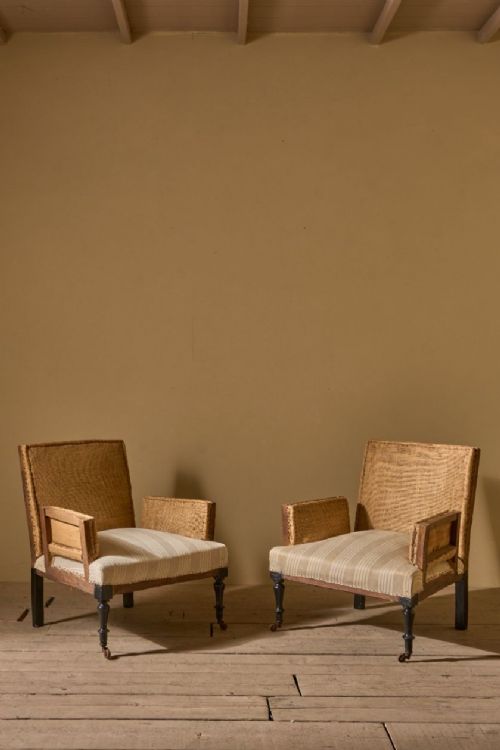
A pair of fireside armchairs brings comfort and period character to a room, offering matched seating built for warmth and daily use.
Pair of Fireside Armchairs
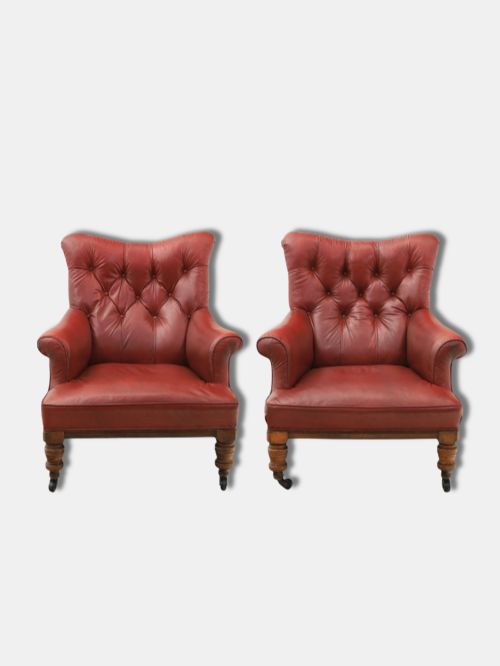
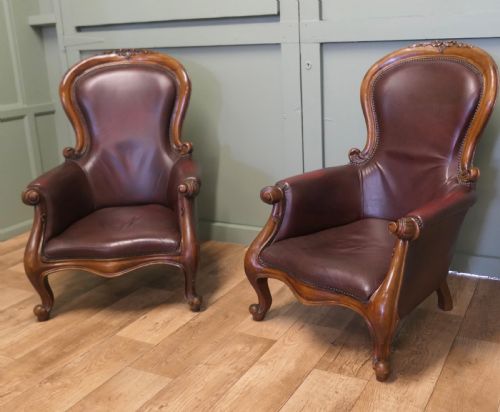
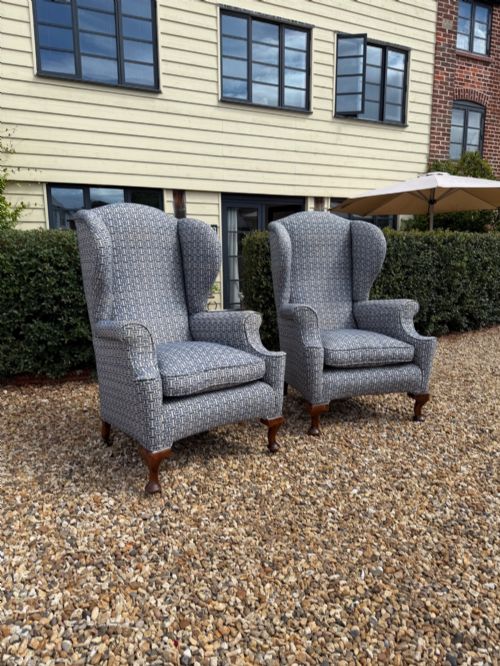
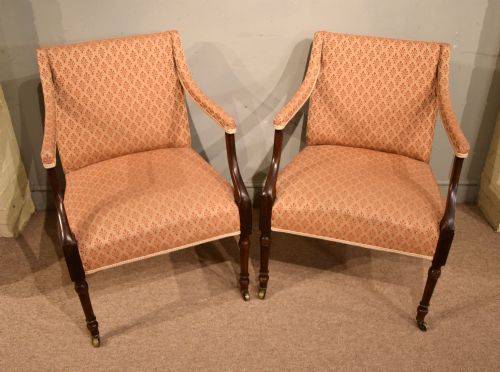
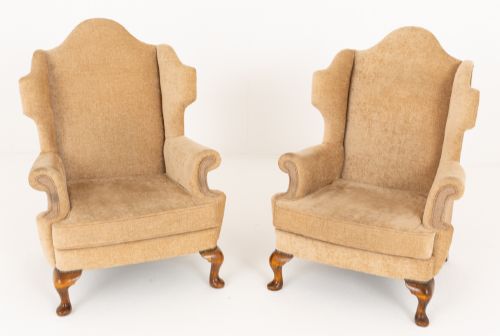
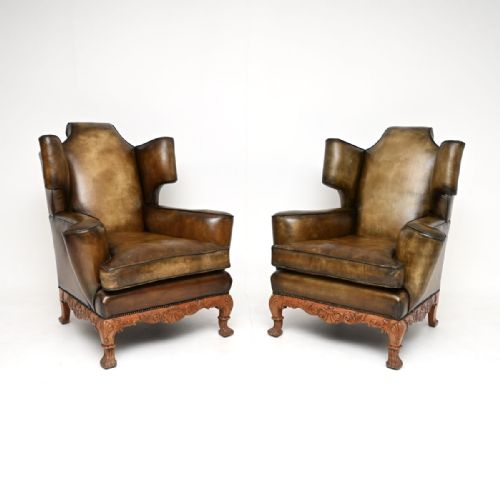
A buyer examining a pair of fireside armchairs encounters a diverse selection spanning the nineteenth century through the early twentieth century, including styles such as Victorian, French Napoleon III, and Georgian Revival. These seats were designed to sit close to a hearth, providing substantial support with winged backs, deep padding, or low frames.
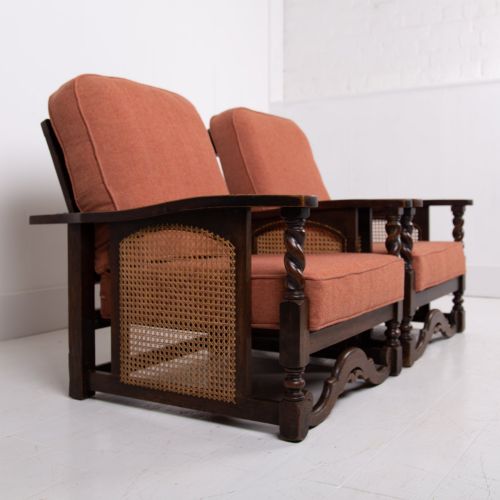
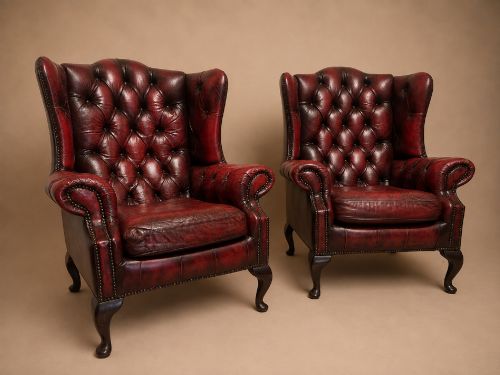
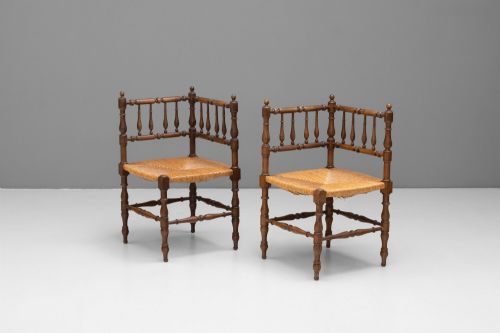
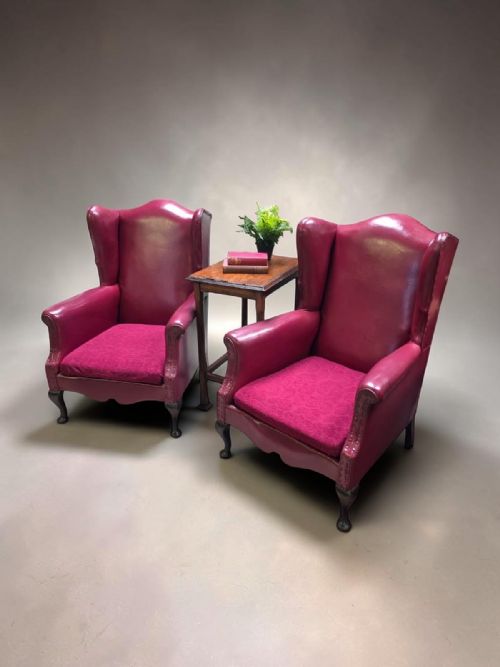
The options range from substantial Chesterfield wing chairs in leather and Rexine to carved walnut French armchairs, oak Gothic designs, and mahogany frames. Smaller variants like nursing chairs, slipper chairs, and corner chairs also appear, offering varied heights and silhouettes tailored for specific domestic spaces.
Materials and construction
Frames rely on sturdy timbers including mahogany, walnut, oak, elm, and timber, selected for their structural integrity and ability to support heavy carving or clean revival lines. Brass details often accent the framework or castors, lending functional strength and subtle contrast to the wood.
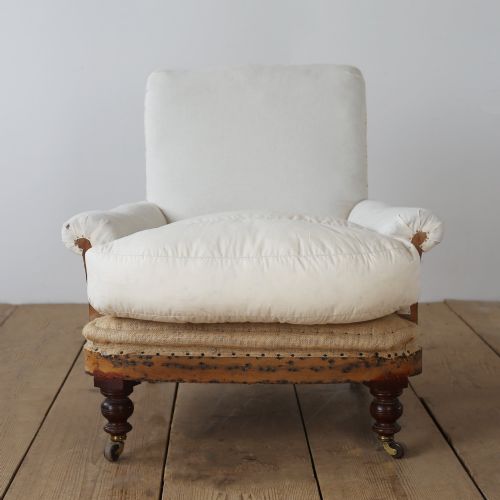
Upholstery forms a major part of their construction, utilising traditional coverings such as leather, velvet, fabric, and red oxblood Rexine over buttoned backs, sprung seats, and padded arms.
Some nineteenth-century armchairs are traditionally known as lambing chairs, originally designed with solid wooden hoods to keep shepherds warm in drafty Welsh farmhouses.
Judging quality and character
Quality rests heavily on the integrity of the timber frame and the balance of the proportions, where sturdy joinery and substantial materials distinguish finer workshop output from simpler production. Carved details on walnut and oak frames show the hand of skilled makers through crisp execution and careful shaping.
The condition and execution of the upholstery also separate examples, ranging from newly upholstered pieces using traditional methods to surviving period leather showing honest wear and patina from long service.
Howard and Sons
The Pair of Fireside Armchairs Glossary
- Wing chair
- An armchair featuring side panels or wings designed to shield the sitter from draughts near a fireplace. These wings trap heat and provide lateral head support.
- Bergere
- An enclosed upholstered armchair with wooden framing, often featuring cane work on the sides or back. French examples frequently showcase carved walnut frames.
- Rexine
- A brand of artificial leather cloth coated with nitrocellulose, popular on utilitarian and club chairs during the early twentieth century. It offered a durable and wipeable alternative to natural hide.
- Slipper chair
- A low-seated upholstered chair originally designed for bedrooms to assist with putting on shoes. Their compact profile allows them to fit easily into smaller spaces.
- Chesterfield
- A heavily padded armchair style characterised by deep button tufting and rolled arms of equal height to the back. They are frequently upholstered in rich leather.
Pair of Fireside Armchairs: Frequently Asked Questions
Are these chairs comfortable for daily use?
Many pairs are built with deep padding, sprung seats, and supportive backs designed specifically for prolonged sitting. Winged designs and club shapes offer ergonomic support well suited to modern living rooms.
Chairs requiring upholstery or featuring firmer period padding may feel different from modern seating. Buyers often update internal webbing and cushions while retaining the original historic frame.
How do I care for leather fireside chairs?
Leather upholstery requires regular dusting and occasional conditioning with appropriate balms to keep the hide supple. Keeping chairs away from direct heat sources prevents the material from drying out and cracking.
Preserving historic patina means avoiding harsh chemical cleaners. Gentle maintenance ensures the leather retains its character over decades of use.
Can I mix different styles in a room?
Matching a pair ensures visual symmetry, but pairs themselves can be paired with contrasting seating if the timber tones share a similar warmth. Combining an oak frame with mahogany accents creates a layered, collected interior.
Keeping scale and period in mind helps different chairs converse harmoniously within a single space. The key is balancing heavy pieces like wing chairs with lighter forms such as slipper chairs.