

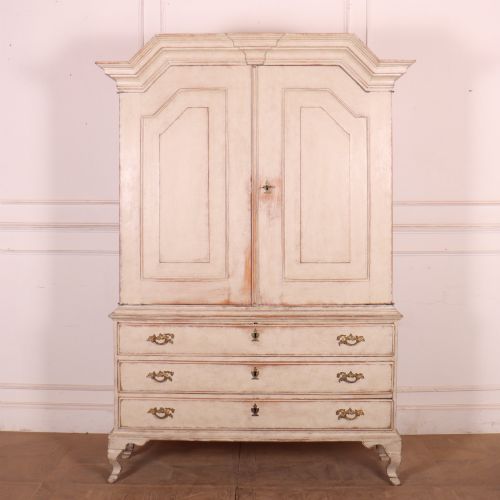


Country House Linen Cupboard
A country house linen cupboard is a utilitarian storage piece built for domestic order, offering generous proportions and straightforward vernacular charm.
Country House Linen Cupboard
A country house linen cupboard represents a traditional storage form designed to house textiles and household provisions in large domestic settings. These pieces primarily emerge from the eighteenth and nineteenth centuries, spanning Georgian, Victorian, and Edwardian periods.
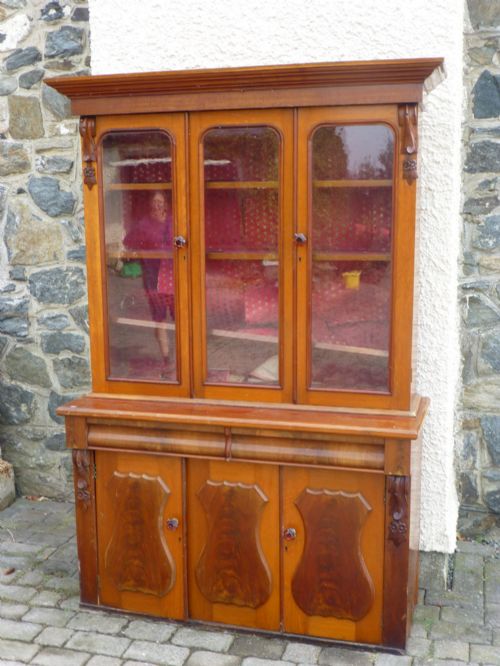
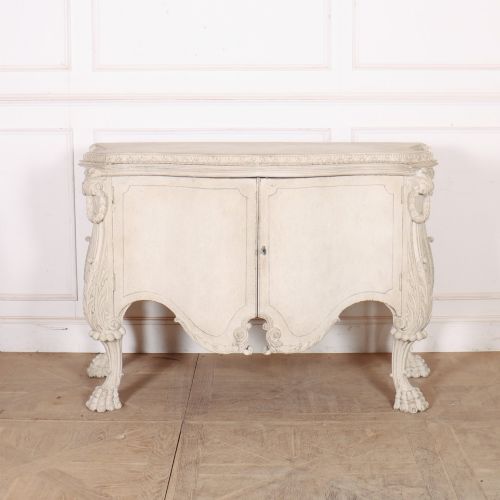
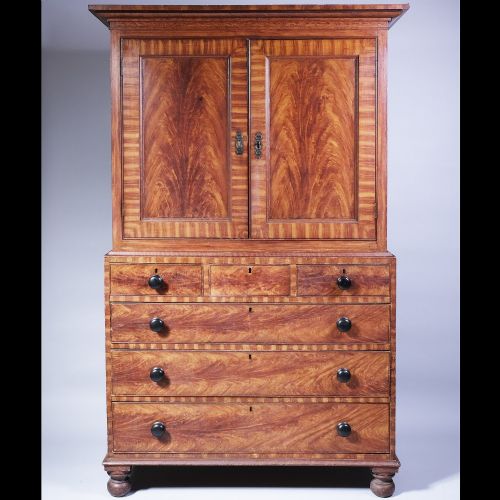
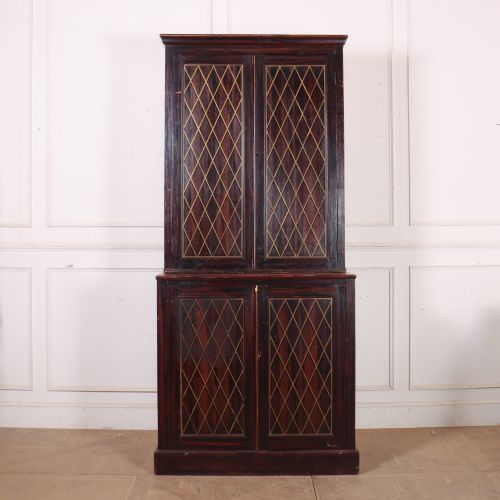
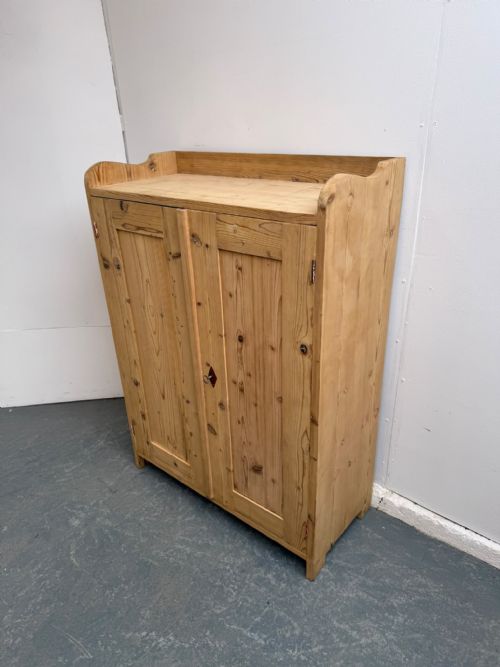
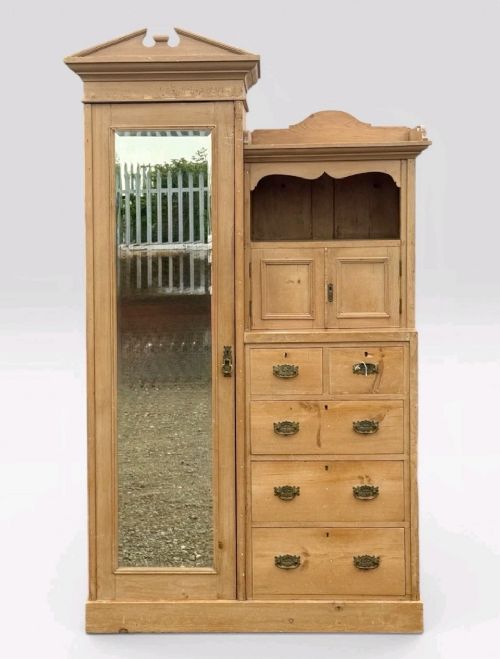
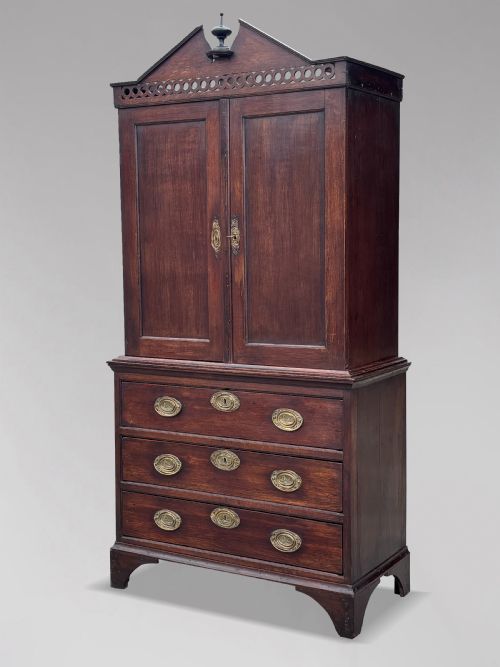
Forms range from grand oak architectural cabinets to scumble-painted pine storage units and versatile panelled wardrobes. Each item reflects the specific storage needs of period households, combining deep shelving with functional compartment layouts.
Materials and Construction Methods
Timbers dictate the fundamental character of these items, with native oak and pine forming the primary structural foundation for most examples. Cabinet makers utilised these robust woods to withstand heavy daily use in domestic service areas and country house rooms.
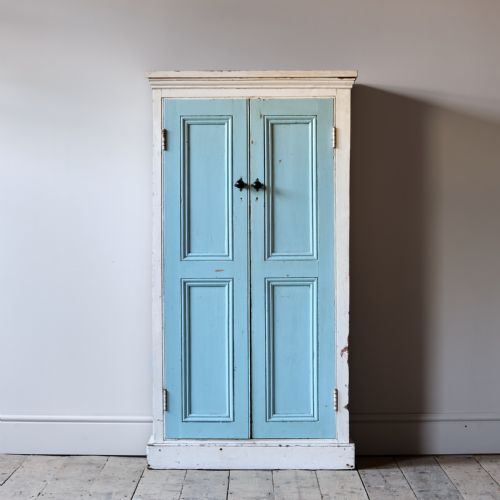
Surface treatments define many surviving pieces, featuring original paint, scumble glazes, and oak grain effects applied over pine or hardwood. Iron and brass hardware, including traditional hinges and latches, secure the panelled and glazed doors across these traditional storage forms.
Surviving examples demonstrate diverse surface treatments, ranging from untouched original paint to waxed timber and scumble-glazed finishes.
Assessing Quality and Character
The preservation of original surface finishes significantly elevates a piece, particularly where untouched paint, scumble effects, or mellow waxed oak patination survive. Pieces retaining their historic coating offer greater visual integrity than stripped or modernly refinished alternatives.
Structural honesty and proportion separate standard utility items from finer vernacular examples, such as those featuring panelled doors or integrated shelving. The skill in timber selection and joinery execution determines how gracefully these heavy storage pieces endure over centuries.
The Country House Linen Cupboard Glossary
- Housekeeper's cupboard
- A large utilitarian storage cabinet traditionally used by domestic staff to store household linen, dry goods, and provisions. These pieces typically combine deep upper cupboards with lower drawers or shelving units.
- Scumble paint
- A decorative glazing technique used to imitate finer wood grains or create mottled surface patterns on pine furniture. This finish was widely applied during the nineteenth century to give modest timber a richer appearance.
- Vernacular furniture
- Domestic items built by local craftsmen following regional traditions rather than high-style metropolitan designs. These pieces prioritise practical utility and local material availability over academic architectural ornament.
- Knockdown wardrobe
- A large wardrobe constructed with pegged or demountable joints designed for ease of transport between rooms or properties. This method allowed bulky country house furniture to be moved up staircases and through narrow doorways.
Country House Linen Cupboard: Frequently Asked Questions
How were these cupboards used historically?
Housekeepers and domestic staff utilised these large cabinets to store freshly laundered sheets, tablecloths, and blankets between uses. The deep interior spaces allowed heavy fabrics to be folded flat and kept in orderly stacks.
Beyond textiles, many versions accommodated dry stores, china, or wardrobe contents depending on whether they stood in a scullery, bedroom, or estate room. Their versatile internal layouts adapted easily to changing household demands over generations.
Where should I place a linen cupboard at home?
These large cupboards anchor bedroom, hallway, or landing spaces effectively while providing substantial concealed storage capacity. Their architectural presence makes them ideal feature pieces against plain walls in traditional or contemporary interiors.
Ensure adequate clearance for doors to open fully, and position them away from direct heat sources to protect historic timbers and painted surfaces. Their deep proportions accommodate modern clothing, linen, and household items with ease.
How do I identify the period of a cupboard?
Dating relies on observing construction methods, timber choice, and surface treatments visible across the frame. Eighteenth-century examples frequently feature solid oak with hand-cut panelling, while nineteenth-century pieces often utilise painted pine or scumble finishes.
Hardware styles, joint construction, and overall proportions also provide clear indicators of whether a piece originates from the Georgian, Victorian, or Edwardian era. Comparing the internal carcass build helps distinguish vernacular regional work from later adaptations.